Comprehensive Guide to CMC Carboxymethyl Cellulose & Its Industrial Applications
Understanding CMC Carboxymethyl Cellulose: A Key Ingredient for Modern Industry
In a world that's constantly pushing for innovation, sustainable materials, and cost-effective solutions, cmc carboxymethyl cellulose quietly plays an outsized role across many sectors. Though it might not make headlines like solar panels or AI, its presence is critical to products and processes we rely on every day. From stabilizing your favorite food products to thickening pharmaceuticals and even enhancing paint adhesion, understanding this versatile compound is more than just technical trivia—it's a deep dive into a material that supports global industry and sustainability goals alike.
Why Does CMC Matter Globally?
The global industrial landscape is shaped not only by high-tech breakthroughs but also by specialty chemicals and additives. According to ISO standards and market reports, the demand for cellulose derivatives, including cmc carboxymethyl cellulose, is expected to grow roughly 5% annually worldwide. This growth is fueled by its multifunctional use in food, pharmaceuticals, paper manufacturing, and cosmetics—which reflects the compound's ability to enhance product performance while reducing costs and environmental footprints.
But here’s the kicker: many industries face challenges with raw material sustainability and product consistency. That’s where cmc carboxymethyl cellulose steps in, offering improved shelf life, texture stability, and water retention properties essential for addressing these exact concerns.
Defining CMC Carboxymethyl Cellulose
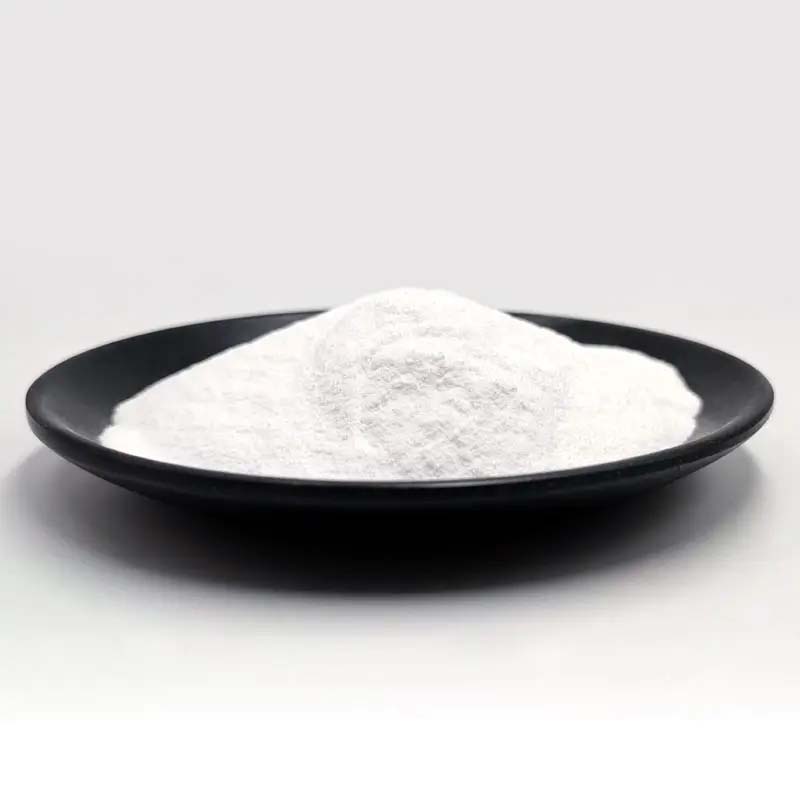
So what exactly is cmc carboxymethyl cellulose? Simply put, it’s a cellulose derivative — cellulose being the primary structural component in plant cell walls — chemically modified to introduce carboxymethyl groups. This modification gives the compound its unique water-soluble and viscosifying properties.
Think of it like cotton candy dissolving into water and creating a slightly thick, smooth liquid—that's sort of what CMC does but on a molecular scale and with far more industrial use. You’ll frequently find it referred to as a thickener, stabilizer, or film-former in many products, from gluten-free bakery items to oil drilling fluids.
Key Characteristics of CMC Carboxymethyl Cellulose
Water Retention & Film Formation
CMC can absorb and retain water several times its weight, which makes it invaluable in food retention, cosmetics, and even in agricultural formulations. The film formation capability boosts texture and moisture barrier properties.
Viscosity Modification
One of the main reasons industries love cmc carboxymethyl cellulose is its predictable viscosity control. It can transform thin liquids into gently thickened suspensions, without compromising clarity or taste—making it ideal for paints, beverages, and pharmaceuticals.
Biodegradability & Sustainability
Unlike many synthetic polymers, CMC is readily biodegradable, aligning well with global pushes toward greener materials. This makes it socially and environmentally responsible without losing functional benefits.
Thermal and Chemical Stability
CMC maintains its properties across a range of temperatures and pH values—a boon for industries like oil & gas or paper manufacturing where conditions can vary greatly.
Cost Efficiency & Availability
Derived from cellulose, which is abundant worldwide, CMC offers a balance of affordability and performance compared to many synthetic thickeners or stabilizers.
Mini takeaway: CMC’s unique combination of water affinity, viscosity control, and environmental friendliness makes it a staple across many sectors, proving that sometimes the quietest materials make the largest impacts.
Global Applications and Real-World Use Cases
Now, let’s get practical. Where exactly is cmc carboxymethyl cellulose working its magic? Spoiler: it’s everywhere.
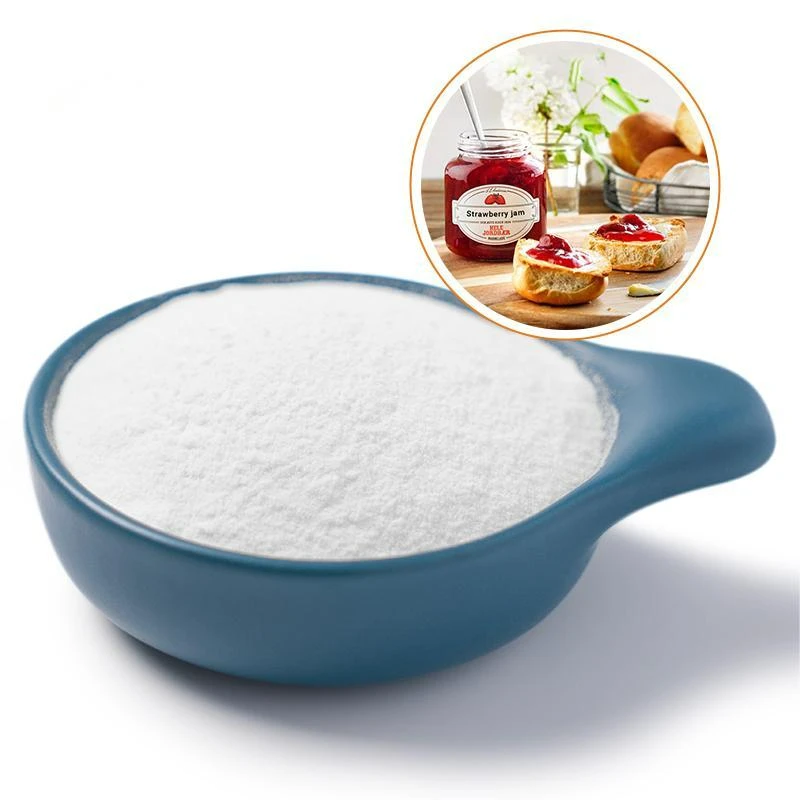
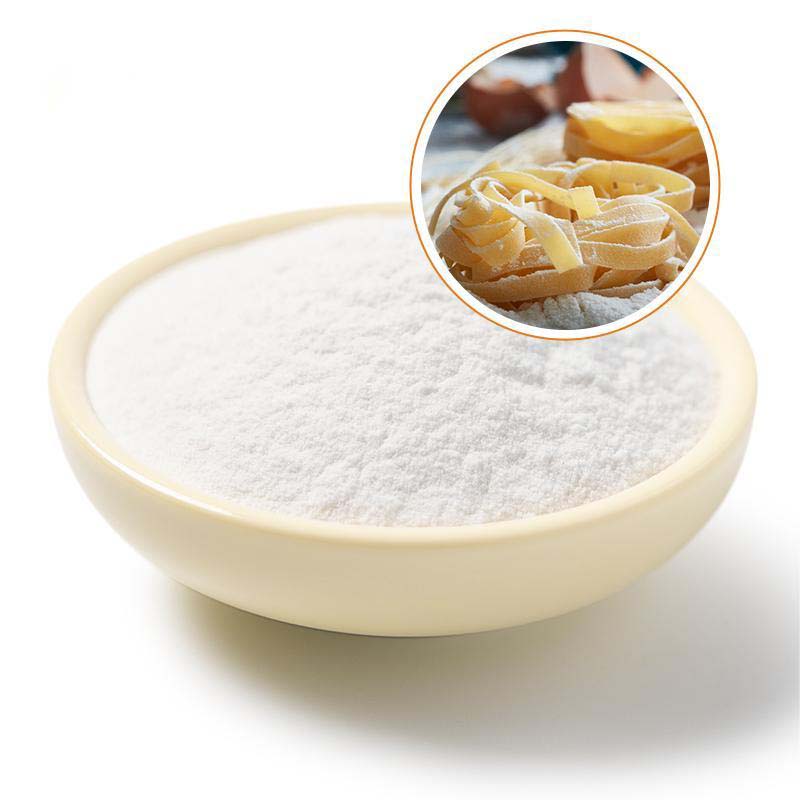
- Food Industry: Used as a thickener, stabilizer, and emulsifier in ice creams, gluten-free products, and sauces globally. European dairy producers swear by its ability to maintain silky textures without adding fat.
- Pharmaceuticals: It's a binder in tablets, a suspending agent in oral liquids, and plays a critical role in controlled drug release formulations.
- Oil & Gas: In drilling fluids, it acts as a viscosifier, improving fluid efficiency in challenging geologies across the Middle East and North American shale fields.
- Paper Manufacturing: In Asia's booming paper industry, CMC enhances paper strength and printability while reducing raw material use.
- Personal Care: In lotions and shampoos, CMC offers smooth texture and hydration, particularly popular in Japanese and Korean cosmetics markets.
In post-disaster relief operations, where packaged foods need longer shelf life with minimal preservatives, CMC has also found a quiet but critical role. It’s the unsung hero helping maintain food quality during lengthy supply chains to remote zones.
Looking at the Advantages and Long-Term Value of CMC
Industries that integrate cmc carboxymethyl cellulose often report tangible benefits:
- Enhanced product reliability: Consistent viscosity and stability improve brand trust.
- Reduced cost pressures: By improving product texture and shelf life, less wastage occurs.
- Environmental credibility: Biodegradability supports corporate responsibility pledges, increasingly demanded by customers and governments.
- Innovation enabler: New food textures, safer pharmaceuticals, advanced drilling fluids—CMC powers experimentation and new market opportunities.
Besides cold hard numbers, there's a subtle human element—products powered by CMC often feel smoother, taste better, or last longer, which in turn nurtures consumer confidence and satisfaction. When you think about it, that’s quite powerful.
What the Future Holds for CMC Carboxymethyl Cellulose
Looking ahead, I notice several interesting trends shaping the future of cmc carboxymethyl cellulose:
- Green Chemistry: Innovations aiming to produce CMC with lower ecological footprints and using agricultural waste as raw materials.
- Digital Manufacturing: Custom viscosity profiles designed via software models for tailored industrial needs.
- Biopolymer Blends: CMC is being combined with other natural polymers like xanthan gum for novel textures and functions.
- Regulatory Pushes: With rising regulations around synthetic additives, CMC is positioned as a safer, approved alternative.
Plus, with global sustainability targets (think UN SDGs), CMC’s biodegradable nature ensures it plays a part in future-proofing industry processes.
Challenges and Practical Solutions for Using CMC
It’s not all rosy though. Some common limitations include:
- Batch-to-batch variability: Since CMC is plant-derived, minor inconsistencies can occur. Many suppliers invest heavily in quality control to remedy this.
- pH Sensitivity: Extreme acidic or alkaline conditions can degrade its efficacy, which is a consideration especially in pharmaceuticals.
- Compatibility Issues: Sometimes it can interact with other ingredients, requiring careful formulation trials.
Experts often recommend close collaboration with trusted suppliers and routine testing to mitigate such challenges effectively.
Technical Specifications of Typical CMC Grades
| Parameter | Typical Range | Unit |
|---|---|---|
| Degree of Substitution (DS) | 0.7 – 1.2 | – |
| Viscosity (2% solution, 25°C) | 50 – 4000 | mPa·s |
| Moisture Content | 5 – 10 | % |
| pH of 1% solution | 6.5 – 8.5 | – |
Vendor Comparison: Leading CMC Suppliers
| Supplier | Product Range | Sustainability Focus | Pricing |
|---|---|---|---|
| Pezetech Corp. | Standard & customized CMC grades | Uses agricultural residues, low carbon footprint | Mid-range |
| CelluChem Ltd. | Medical & food grade CMC | Certified biodegradable process | Premium |
| BioCell USA | Bulk industrial grades | Focus on cost-effective sourcing | Budget |
| Pricing estimates subject to order size and region | |||
Frequently Asked Questions About CMC Carboxymethyl Cellulose
- What makes cmc carboxymethyl cellulose so useful across industries?
- Its unique properties like water solubility, viscosity control, and film-forming ability enable it to improve texture, stability, and shelf life in a wide variety of products—from foods to pharmaceuticals, even construction materials.
- Is CMC safe for food and pharmaceutical use?
- Yes, cmc carboxymethyl cellulose is generally recognized as safe by regulatory bodies like the FDA and EFSA when used appropriately. Its non-toxic, biodegradable nature makes it a preferred additive.
- How do variations in CMC grade affect application?
- Certain grades have higher viscosity, different particle sizes, or purity levels which tailor them for specific uses. For example, medical-grade CMC has stricter controls than industrial grades used in paper.
- Can CMC be used in eco-friendly product formulations?
- Definitely. Because CMC is derived from cellulose and is biodegradable, it supports sustainability efforts. Many companies blend it with other biopolymers for full green formulations.
- Where can I find reliable CMC suppliers?
- Reputable suppliers like Pezetech offer a range of customizable cmc carboxymethyl cellulose grades, complete with technical support and sustainability certifications.
Conclusion: Why Investing in CMC Makes Sense Today and Tomorrow
Ultimately, cmc carboxymethyl cellulose is an indispensable, yet understated, component that quietly transforms how industries innovate and meet sustainability goals. Its versatility across sectors, balanced with cost-effectiveness and environmental benefits, means more companies are turning to it as a trusted additive. If you’re exploring options in product formulation, durability enhancement, or eco-friendly innovations, it’s worth investigating CMC’s potential for your applications.
Ready to explore how CMC solutions can transform your projects? Visit Pezetech’s website for technical data, custom formulations, and expert support tailored to your industry needs.
References & Further Reading
-
What Is VAE Powder? Complete Guide to Redispersible Polymer Powder (RDP) for ConstructionNewsApr.21,2026
-
HPMC Manufacturers in ChinaNewsApr.21,2026
-
What Is Redispersible Polymer Powder (RDP)? Complete Guide to VAE RDP for Mortar ApplicationsNewsApr.21,2026
-
Top Guide to Selecting Professional vae emulsion manufacturersNewsApr.16,2026
-
Viscosity of HPMCNewsApr.15,2026
-
HPMC Powder UsesNewsApr.15,2026