Comprehensive Guide to e464 Hydroxypropyl Methylcellulose – Uses, Benefits & Suppliers
Understanding e464 Hydroxypropyl Methylcellulose: A Vital Ingredient in Modern Industry
If you’ve ever cooked up a thick sauce or admired the smooth texture of a lotion, odds are e464 hydroxypropyl methylcellulose—let’s call it HPMC for short—played a behind-the-scenes role. But this isn’t just your kitchen chemistry; it’s a globally significant additive with far-reaching uses from food and pharmaceuticals to construction and even disaster relief. Understanding this compound reveals a small but mighty piece of how industries innovate and solve global challenges today.
Whether you’re a product buyer, engineer, or just naturally curious about industrial ingredients, appreciating what e464 hydroxypropyl methylcellulose does can deepen how you value quality, safety, and sustainability in everyday products.
Global Influence: Why e464 Hydroxypropyl Methylcellulose Matters Today
Globally, the demand for versatile and safe additives is soaring. ISO estimates that the global food additive market, where HPMC is popular, is expected to grow steadily, reaching several billion dollars by 2027. According to the UN, sustainable manufacturing practices are prioritized to meet rising global health standards and environmental goals. HPMC is often at the crossroads of these ambitions, offering a biodegradable and non-toxic alternative to synthetic thickeners and binders.
Facing challenges like nutrient fortification, texture enhancement, and reliable drug delivery systems, industries look to such derivatives to innovate efficiently. So you see, it’s not just a simple chemical; it’s part of the solution to rising regulatory pressures and consumer demand for cleaner labels and safer products worldwide.
Mini takeaway: e464 hydroxypropyl methylcellulose is more than a lab ingredient; it’s a global player pushing industries towards safer, more sustainable results.
So, What Exactly is e464 Hydroxypropyl Methylcellulose?
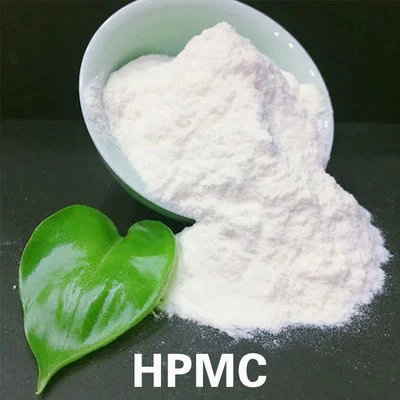
At its core, e464 hydroxypropyl methylcellulose is a semi-synthetic cellulose ether. It’s derived from cellulose — the main structural component of plants — but chemically modified with hydroxypropyl and methyl groups to improve properties like solubility and stability.
This modification means it can act as a thickener, emulsifier, binder, or film-former depending on the need. Because it dissolves in cold water and remains stable across a range of temperatures and pH values, it works wonders in food products, cosmetics, pharmaceuticals, and even cement-based materials.
It’s fascinating how an old raw material like cellulose gets a modern twist to meet contemporary challenges, isn’t it?
Key Factors Behind Its Industry Success
1. Versatility Across Applications
HPMC’s adaptability is extraordinary. In food science, it improves mouthfeel and stabilizes emulsions. In pharma, it controls drug release rates. In building materials, it enhances workability and adhesion. This wide-ranging utility means manufacturers can rely on one product for multiple roles — a huge practical bonus.
2. Safety and Biocompatibility
Classified as safe by the FDA and EFSA, HPMC’s non-toxic nature makes it suitable for products interacting closely with humans. This safety profile opens doors in pharma and food sectors where consumer trust is critical.
3. Thermal and pH Stability
Unlike some alternatives, e464 hydroxypropyl methylcellulose remains stable in harsh conditions. That’s why toothpaste, instant soups, and paints often contain it — it stands up to heat and acidity without breakdown.
4. Cost-Effectiveness
While not the cheapest ingredient on the shelf, its multifunctionality means fewer additives are needed overall, helping control formula costs. Plus, it can reduce waste by improving shelf life.
5. Environmental Sustainability
Being plant-derived and biodegradable adds an eco-friendly halo. With regulations tightening globally, such attributes aren’t just nice to have; they’re essential.
Mini takeaway: The blend of safety, versatility, stability, and sustainability make e464 hydroxypropyl methylcellulose a genuine industry workhorse.
Global Applications & Real-World Use Cases
- Food Industry: Used as thickener or fat replacer in sauces, dressings, bakery products. In gluten-free baking, it binds dough where gluten is absent — critical for texture.
- Pharmaceuticals: Controls tablet disintegration and drug release rates, ensuring medicine acts effectively.
- Cosmetics: In creams and lotions for smooth feel and water retention.
- Building Materials: Improves mortar workability and adhesion; key in tile adhesives and plasters.
- Disaster Relief: In special food formulations and injectable binders where rapid preparation and stability matter.
Regions like Europe and North America lead in standardized quality use, while emerging markets in Asia and Africa increasingly adopt HPMC in food fortification and construction materials — a sign of industrial modernization worldwide.
Product Specification Table
| Specification | Typical Range | Unit |
|---|---|---|
| Degree of Substitution (Methoxy) | 1.9 – 2.3 | mol/mol |
| Degree of Substitution (Hydroxypropyl) | 0.2 – 0.3 | mol/mol |
| Viscosity (2% in H2O @20°C) | 100 – 4000 | mPa·s |
| pH (1% solution) | 5 – 8 | |
| Moisture Content | 5 – 7 | % |
Examining Vendor Options: Picking the Right Supplier
| Vendor | Product Range | Quality Certs | Pricing | Delivery Speed |
|---|---|---|---|---|
| CelluTech Global | Wide (Food, Pharma, Construction) | ISO 9001, FDA | Mid-range | Standard (2-3 weeks) |
| GreenMethyl Solutions | Focus on Eco-packaged Food Grade | Organic Certification, GMP | Premium | Fast (1-2 weeks) |
| PharmaCell Inc. | Specialized in Pharma Grade Products | FDA, USP, EP | High | Standard |
Advantages & Long-Term Value of e464 Hydroxypropyl Methylcellulose
What really sets this component apart is its blend of practical and emotional benefits. On the one hand, manufacturers save on costs and enjoy reliable performance. On the other, end consumers feel safer using products with transparent, safe ingredients — especially in sensitive sectors like pharma and infant food. There’s also the sustainability angle: picking plant-based, biodegradable ingredients aligns with growing eco-consciousness.
Moreover, HPMC lends innovation a hand, allowing new textures and formulations to flourish — imagine vegan-friendly creams without petrochemicals or instant soups with natural thickening agents. Lastly, trust is a big part — customers keep coming back when products feel wholesome and consistent.
Peering Ahead: Future Trends & Innovations
Industry insiders say the future of e464 hydroxypropyl methylcellulose ties closely to green chemistry and digital manufacturing processes. Companies are developing lower-energy production methods and exploring bio-derived alternatives with tailored substitution patterns for better performance.
Smart formulations incorporating HPMC alongside nanoscale materials or probiotics could revolutionize food and pharma products. Meanwhile, automated batching with real-time quality checks promises tighter specs and less waste. Oddly enough, the humble HPMC might just get a high-tech makeover.
Challenges & Expert Solutions
Despite its many perks, there are hurdles: batch variability from plant raw materials, occasional solubility issues with certain formulas, and cost pressures from cheaper synthetic alternatives. Experts recommend rigorous supplier audits, blending HPMC with complementary polymers, and ongoing R&D investments to refine properties.
On a practical note, tweaking viscosity grades and particle size distribution helps optimize performance for specific products. Some also rely on e464 hydroxypropyl methylcellulose sourced from trusted innovators to meet exacting standards — a wise move in fast-moving markets.
FAQ: Common Questions About e464 Hydroxypropyl Methylcellulose
- What makes e464 hydroxypropyl methylcellulose preferable over other thickeners?
- Its stability across pH/temperature ranges and non-toxicity make it more versatile and safer than many synthetic thickeners, especially in sensitive food and pharmaceutical products.
- How long can formulations with HPMC last without degrading?
- With proper storage, products containing e464 HPMC typically maintain quality for 12 to 24 months, but this depends on formula complexity and packaging.
- Is e464 hydroxypropyl methylcellulose eco-friendly?
- Yes, it’s plant-derived and biodegradable, contributing less to environmental load compared to petroleum-based polymers but still requires mindful sourcing.
- Can I import this additive internationally for my production?
- Definitely. Many manufacturers comply with global certifications (FDA, EFSA, ISO). Just ensure you check local import regulations and partner with reputable suppliers like those found on e464 hydroxypropyl methylcellulose portals.
Conclusion: Why e464 Hydroxypropyl Methylcellulose Deserves Your Attention
To wrap this up, e464 hydroxypropyl methylcellulose isn’t just technical jargon — it’s a cornerstone ingredient helping industries worldwide deliver safer, more sustainable, and innovative products. Its blend of safety, adaptability, and eco-friendliness makes it indispensable today and promising for tomorrow.
Ready to explore leading-grade formulations or source your next batch? Visit https://www.pezetech.com to connect with trusted suppliers and stay ahead in this vital segment.
Thanks for reading — sometimes the smallest things make the biggest difference, don’t they?
References
-
Top Guide to Selecting Professional vae emulsion manufacturersNewsApr.16,2026
-
Viscosity of HPMCNewsApr.15,2026
-
HPMC Powder UsesNewsApr.15,2026
-
Understanding VAE Emulsion for Modern Industrial CoatingsNewsApr.09,2026
-
Comprehensive Guide to Redispersible Emulsion Powder and its ApplicationsNewsApr.07,2026
-
Comprehensive Guide to Redispersible Latex Powder for Construction ApplicationsNewsApr.04,2026