Comprehensive Guide to Hydroxypropyl Methylcellulose Price and Industry Impact
Understanding Hydroxypropyl Methylcellulose Price: Why It Matters Globally
Hydroxypropyl methylcellulose (HPMC) might sound like a mouthful, but it’s a key ingredient in countless industries worldwide, from construction to pharmaceuticals. Its pricing influences everything from affordable building materials in emerging markets to cost-effective drug formulations. At its core, keeping an eye on the hydroxypropyl methylcellulose price globally matters because it reflects supply chain dynamics, raw material availability, and technological progress — all pivotal for manufacturers and consumers alike.
With growing industrial demands and sustainability concerns, understanding HPMC pricing is not just for market analysts. It’s for engineers, product developers, and humanitarian workers aiming to optimize costs without sacrificing quality. Plus, in a world increasingly driven by cost efficiency and green alternatives, price transparency around HPMC helps businesses plan ahead and innovate responsibly.
The Global Stage: Why Hydroxypropyl Methylcellulose Price Is Under the Spotlight
The global chemical industry saw revenues exceeding $5 trillion in recent years, with cellulose derivatives like HPMC playing a silent yet crucial role. According to ISO standards and market reports, the demand for HPMC grows roughly 6–8% annually, especially in Asia-Pacific and North America. Price fluctuations tend to ripple across construction, food, cosmetics, and pharmaceuticals — sectors highly sensitive to cost shifts.
However, challenges persist. The raw materials driving HPMC production—wood pulp and propylene oxide—are subject to volatile energy costs, environmental regulations, and geopolitical tensions. This volatility tends to translate into unpredictable hydroxypropyl methylcellulose price swings, affecting procurement decisions globally.
For example, a sudden increase in propylene oxide prices can hike HPMC costs by 10–15% within months. This unpredictability can hamper project budgets or pharmaceutical manufacturing unless carefully anticipated.
Hydroxypropyl Methylcellulose Price: What Does It Really Mean?
Simply put, the hydroxypropyl methylcellulose price is the cost per unit (typically per kilogram) of this cellulose derivative, which is widely used as a viscosity modifier, binder, and film-former. Think of it as the financial measure reflecting how much it costs to acquire this versatile polymer on the market.
HPMC’s unique chemical structure makes it soluble in cold water while forming gels upon heating — properties that make it incredibly useful. The pricing hence doesn't just include raw materials but also production technologies, chemical purity grades, and packaging types — all impacting end-user costs.
In a humanitarian context, affordable HPMC pricing can mean cheaper, more accessible products like hygienic wipes or non-toxic food thickeners. In industry, price affects the feasibility of innovations such as eco-friendly paints or cement additives.
Key Factors Influencing Hydroxypropyl Methylcellulose Price
Raw Material Availability
The price of cellulose pulp and chemicals like propylene oxide directly impacts HPMC costs. Supply shortages due to environmental regulation or harvesting cycles can push prices up.
Production Technology
Manufacturers investing in advanced, energy-efficient processes tend to reduce costs, making their HPMC offerings more competitive. Conversely, outdated plants or regional inefficiencies hike prices.
Quality & Specifications
Higher purity grades or specialized variants for pharmaceuticals demand premium pricing. Bulk industrial grades, however, are priced more economically for large-scale use like construction additives.
Transportation & Logistics
Given HPMC is often shipped internationally, freight costs and customs duties add to the final price, especially critical since many producers are concentrated in Asia and Europe.
Market Demand Fluctuations
Seasonal demand changes, influenced by industries like agriculture, food, and cosmetics, also affect price trends, with off-peak times potentially offering better pricing.
Hydroxypropyl Methylcellulose: Real-World Applications Driving Price Considerations
The scope is surprisingly vast. For instance:
- Construction Industry: As a thickener and water retention agent in drywall and cement, HPMC price affects project costs, especially in developing countries aiming for affordable housing.
- Pharmaceuticals: It’s used as an excipient in tablets and capsules; price impacts mass drug production costs.
- Food Industry: As a stabilizer and emulsifier, it contributes to shelf life and texture, with price fluctuations influencing manufacturer margins.
- Cosmetics: HPMC thickens lotions and creams; competitive pricing supports innovation in personal care products.
Notably, regions like India and China dominate manufacturing; their price competitiveness affects global supply chains. Post-disaster relief efforts in places like Southeast Asia benefit when HPMC price remains stable enough to produce vital sanitation supplies.
| Specification | Value |
|---|---|
| Appearance | White to off-white powder |
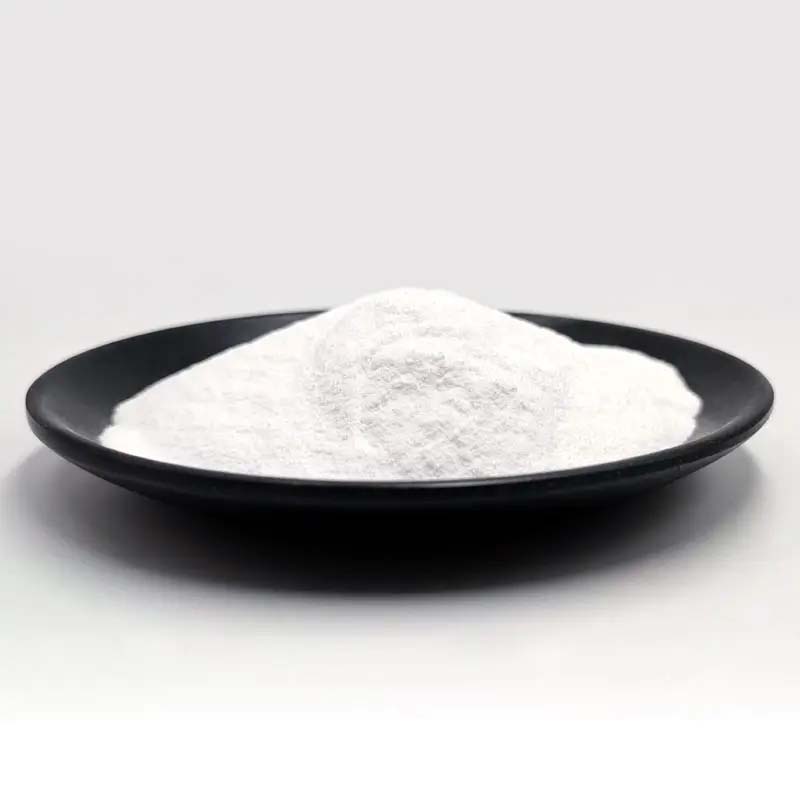
| Viscosity Range (2% solution) | 100–5000 mPa·s |
| pH (1% solution) | 5.0–8.0 |
| Moisture | ≤5% |
| Bulk Density | 0.3–0.5 g/cm³ |
Comparing Leading Hydroxypropyl Methylcellulose Vendors
| Vendor | Pricing (per kg, USD) | Quality Grades | Key Markets | Sustainability Initiatives |
|---|---|---|---|---|
| ChemCo Ltd. | $8.50 - $9.20 | Industrial, Pharma | Asia, Europe | Bio-based raw materials |
| CelluPure | $7.80 - $8.90 | Food, Cosmetics | North America, Asia | Waste water reduction |
| EcoCell Innovations | $9.10 - $10.00 | Pharma, Specialty | Europe, Global | Renewable energy powered |
Picking Through the Benefits: Why Track Hydroxypropyl Methylcellulose Price?
Tracking this price isn’t pure economics—it's about balancing affordability with quality and sustainability. It can make or break the feasibility of construction in remote areas, or influence drug prices in low-income countries. There’s also a growing social responsibility angle. When prices stay reasonable, products that improve health and living standards become more accessible.
Plus, businesses can innovate better—knowing fluctuations in HPMC price may prompt alternative formulations or process efficiencies, pushing progress.
The Road Ahead: Trends and Innovations Impacting HPMC Pricing
Green chemistry initiatives are reshaping HPMC manufacturing. Companies increasingly use bio-based propylene oxide or strive for solvent-free processes, typically increasing costs initially but promising environmental payback. Digital supply platforms and AI-driven demand forecasts help smooth price volatility by optimizing inventories.
Automation in production lines is trimming operational expenses, which could trickle down to lower prices. Simultaneously, growing demand from emerging sectors—like biodegradable packaging or 3D printing materials—is driving specialization in HPMC grades, possibly leading to price stratification.
Challenges and Smart Solutions in Managing Hydroxypropyl Methylcellulose Price
Volatile raw material sourcing and freight disruptions remain headaches for buyers and sellers alike. But smarter procurement strategies, like contract hedging or sourcing from multiple geographic origins, mitigate risks. Innovative R&D to develop HPMC alternatives or blends further diversify options when prices spike.
Moreover, some manufacturers are investing in circular economy principles—recycling cellulose waste into new HPMC feedstock—to stabilize prices sustainably, a trend to watch closely.
FAQ: Practical Questions About Hydroxypropyl Methylcellulose Price
- Q1: What causes sudden fluctuations in hydroxypropyl methylcellulose price?
- A1: Mostly, rapid changes in raw material costs—especially propylene oxide—and shipping rates cause quick price swings. Geopolitical issues or environmental regulations also play key roles.
- Q2: Is buying in bulk always cheaper for HPMC?
- A2: Generally yes, bulk purchases reduce unit costs due to lower packaging and logistics overhead. But buyers should consider storage costs and product shelf life to avoid waste.
- Q3: How does HPMC price affect pharmaceutical manufacturing?
- A3: As an excipient, HPMC's cost impacts overall drug formulation budgets, especially in generic drug production. Stability and purity requirements may increase price but ensure safety.
- Q4: Can fluctuations in hydroxypropyl methylcellulose price delay construction projects?
- A4: Absolutely. Price spikes can strain material budgets, sometimes forcing project timeline adjustments or sourcing alternative additives.
- Q5: Are there eco-friendly alternatives to traditional HPMC that might influence price?
- A5: Some bio-derived cellulose ethers or blended polymers are emerging as greener options, but currently they may be priced higher due to limited scale.
Conclusion: Why Staying Updated on Hydroxypropyl Methylcellulose Price Pays Off
In real terms, the hydroxypropyl methylcellulose price is more than just a market figure—it’s a compass guiding industries to smarter purchases, sustainable production, and ultimately better products for consumers worldwide. Whether you're in pharma, construction, or food manufacturing, staying savvy about HPMC pricing means staying competitive.
For more detailed price insights, product options, and industry news, visit hydroxypropyl methylcellulose price. It’s a resource worth bookmarking.
— Thanks for sticking with me on this deep dive!
References
-
What Is VAE Powder? Complete Guide to Redispersible Polymer Powder (RDP) for ConstructionNewsApr.21,2026
-
HPMC Manufacturers in ChinaNewsApr.21,2026
-
What Is Redispersible Polymer Powder (RDP)? Complete Guide to VAE RDP for Mortar ApplicationsNewsApr.21,2026
-
Top Guide to Selecting Professional vae emulsion manufacturersNewsApr.16,2026
-
Viscosity of HPMCNewsApr.15,2026
-
HPMC Powder UsesNewsApr.15,2026