Comprehensive Guide to Methyl Hydroxyethyl Cellulose Uses in Industry
Understanding Methyl Hydroxyethyl Cellulose Uses: A Global Perspective
In today's fast-evolving industrial landscape, materials that offer versatility, sustainability, and efficiency tend to steal the spotlight. Methyl hydroxyethyl cellulose (MHEC) is one such compound quietly underpinning numerous applications worldwide. But why should you, or anyone outside the chemical sector, care about methyl hydroxyethyl cellulose uses? Well, it’s because this polymer plays a pivotal role in everything from construction to food production and even pharmaceuticals. Grasping its benefits not only gives insight into innovative materials but also highlights how industries strive to balance performance with environmental responsibility.
Essentially, understanding methyl hydroxyethyl cellulose uses opens windows into how modern industry responds to complex challenges — think climate regulations, resource scarcity, and demand for safer consumer products.
Why Methyl Hydroxyethyl Cellulose Matters Globally
Industries today face tremendous pressure to improve efficiency while reducing environmental footprints. According to the United Nations Environment Programme (UNEP), sustainable material development is key to meeting the Sustainable Development Goals (SDGs) by 2030 — particularly SDG 9 (industry, innovation, infrastructure) and SDG 12 (responsible consumption and production). Methyl hydroxyethyl cellulose uses intersect these goals by enabling greener formulations and enhancing product longevity.
Consider this: the global cellulose ethers market has been growing steadily, expected to reach nearly $1.5 billion by 2027 (source: MarketWatch). The driving force behind this growth isn’t just demand but the compound’s ability to solve issues like water retention, viscosity control, and film formation in various industries.
One prominent challenge methyl hydroxyethyl cellulose helps solve is the need for flexible, non-toxic additives that maintain product stability under harsh conditions. If I had a nickel each time a construction or pharmaceutical firm told me that without it, their processes would suffer setbacks, well — I’d have a few nickels by now!
What Is Methyl Hydroxyethyl Cellulose, Really?
To break it down, methyl hydroxyethyl cellulose is a chemically modified cellulose. Cellulose itself is the structural component of plant cell walls (a naturally abundant polymer). By tweaking the cellulose with methyl and hydroxyethyl groups, manufacturers create a water-soluble polymer with exceptional thickening, emulsifying, and stabilizing properties.
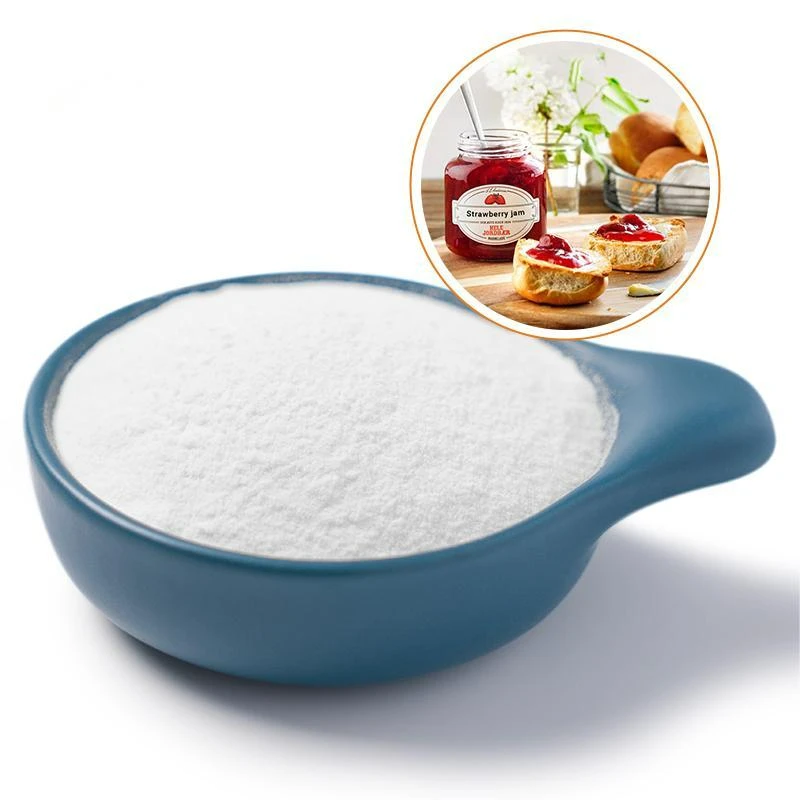
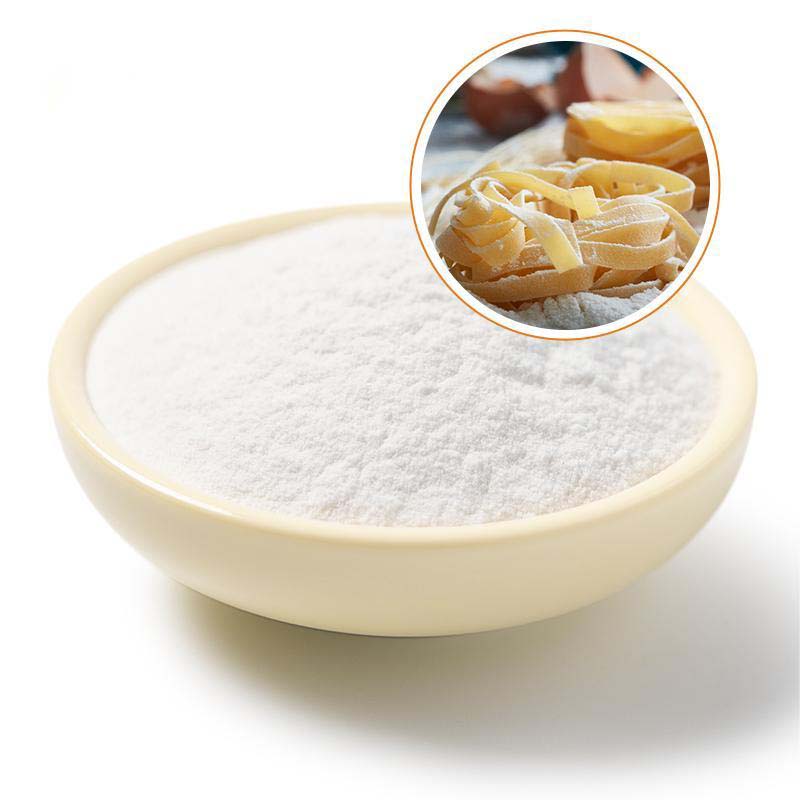
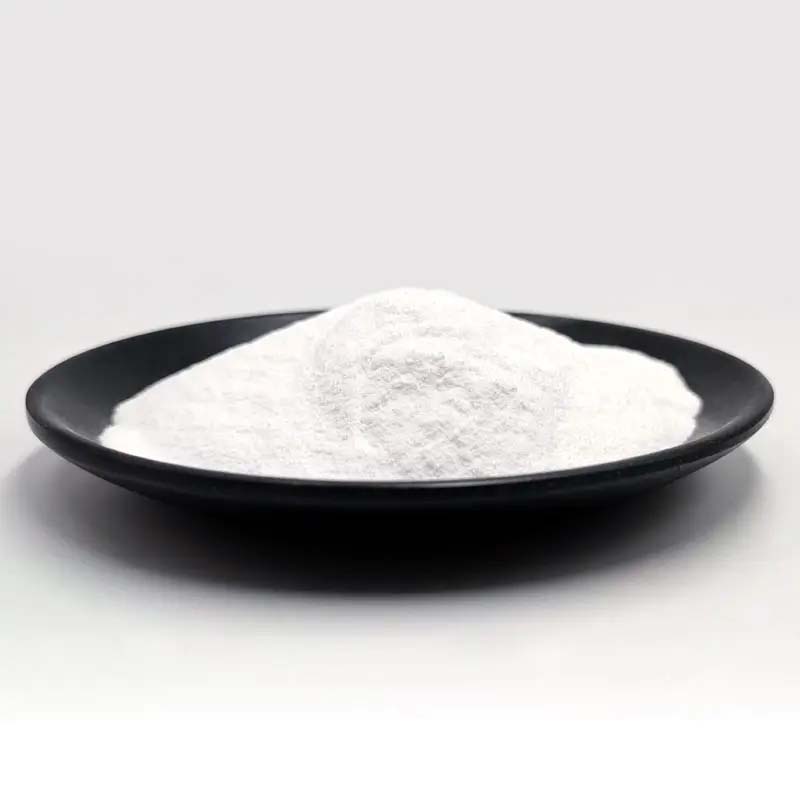
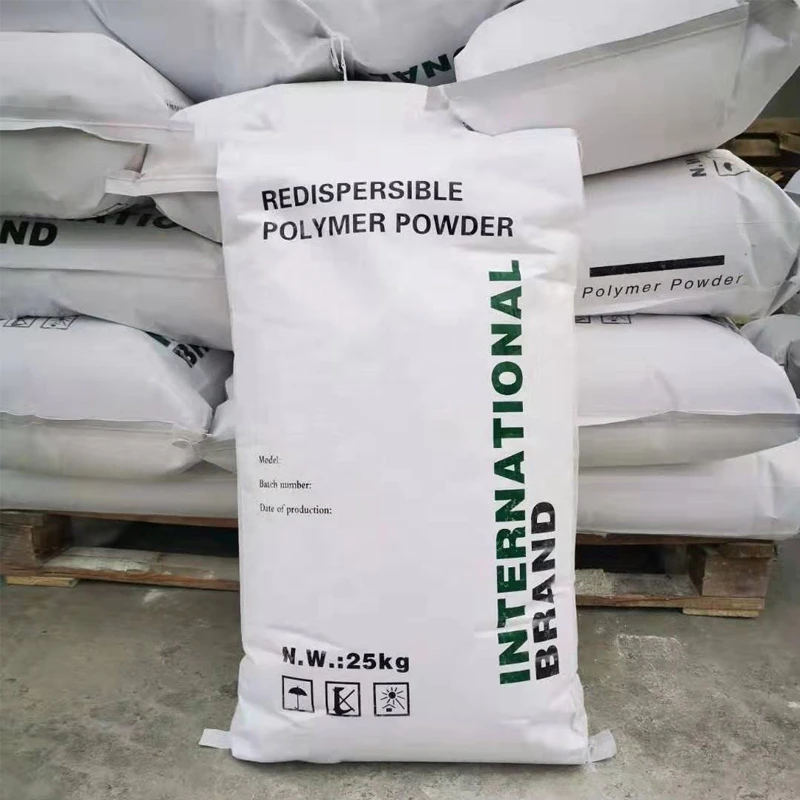
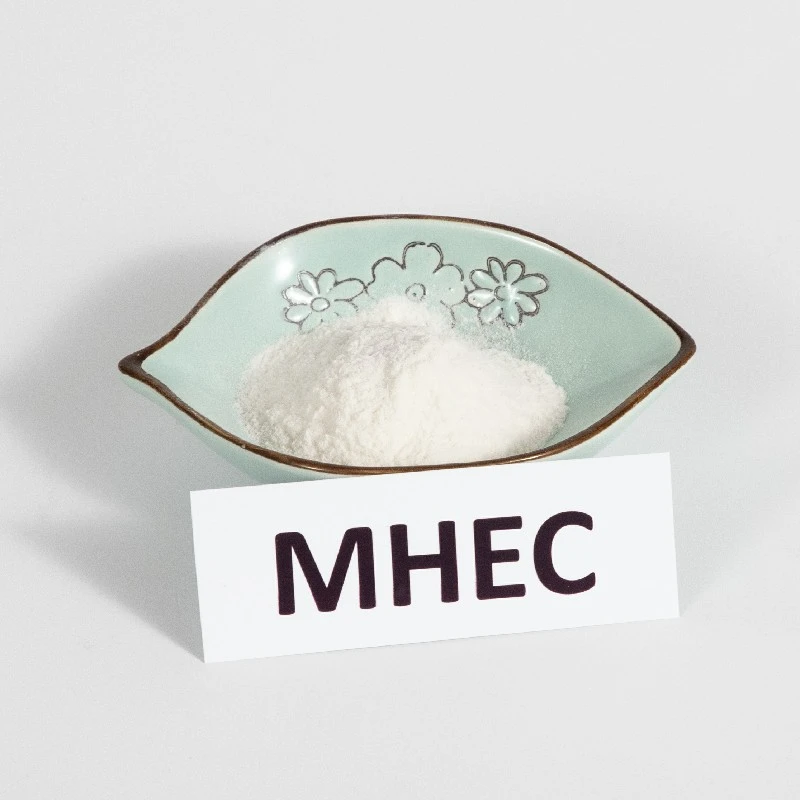
In plain terms: it’s a versatile powder you drop into formulas to improve consistency, control flow, or even create protective films. The best part? It’s non-toxic and typically biodegradable, ticking boxes for eco-conscious industries.
The connection to modern applications is direct. Manufacturers leverage methyl hydroxyethyl cellulose uses to replace less environmentally friendly additives or to boost product performance without compromising safety — a perfect example of chemistry helping solve real-world needs.
Core Components Shaping Its Utility
1. Viscosity Control
One of the standout features of methyl hydroxyethyl cellulose is its ability to modify viscosity. Whether it’s thickening a construction mortar or making a beverage smoother, fine-tuning fluid consistency is a big deal.
2. Water Retention
Especially important in construction and agriculture, the capacity to hold water longer prevents premature drying or cracking, critical during drying phases or plant irrigation.
3. Adhesion and Film Formation
Coatings and adhesives gain strength and flexibility thanks to methyl hydroxyethyl cellulose’s ability to form uniform films, enhancing durability.
4. Thermal Stability
Some formulations need to withstand temperature swings without losing form — MHEC’s chemical stability ensures that.
5. Biocompatibility
Because it’s non-toxic and hypoallergenic, pharmaceuticals and cosmetics benefit greatly from its incorporation without adverse effects.
Global Applications: Where Methyl Hydroxyethyl Cellulose Shines
Dive into any sector, and you’ll likely spot methyl hydroxyethyl cellulose quietly supporting the end product:
- Construction: Used in cementitious materials to improve workability and water retention, especially significant in hot, dry climates like parts of Australia and the Middle East.
- Food Industry: As a stabilizer and thickener in sauces, bakery products, and ice creams worldwide, ensuring texture consistency and shelf life.
- Pharmaceuticals and Cosmetics: Emulsions, creams, and topical gels incorporate it for smooth application and dose control. Indian and European cosmetic companies particularly favor MHEC due to regulatory compliance.
- Paper and Textile Industries: Enhances water retention and print quality. East Asia’s vast textile sectors make heavy use of cellulose ethers.
For example, during emergency water purification in disaster-stricken zones, methyl hydroxyethyl cellulose-based flocculants have helped clarify water quickly without chemical toxicity. I recall a case in Southeast Asia, where NGOs preferred MHEC-enhanced materials for its safety.
Advantages and Long-Term Value of Methyl Hydroxyethyl Cellulose Uses
The practical benefits extend beyond the lab bench:
- Cost Efficiency: Reduced need for additional chemicals means production expenses can be trimmed.
- Sustainability: Derived from natural cellulose, it fits into circular economy models better than synthetic polymers.
- Product Reliability: Enhanced stability and consistent performance build user trust — vital for sensitive markets like pharmaceuticals.
- Social Impact: Facilitating safer, eco-friendly products translates into healthier communities and safer worker conditions.
Logically, companies investing in such materials are future-proofing themselves against tightening regulations and shifting consumer sentiment. Emotionally? There’s something reassuring about knowing a product has been crafted responsibly.
Looking Ahead: Future Trends & Innovations
What’s next? The future of methyl hydroxyethyl cellulose uses looks promising. Industry players are experimenting with bio-based crosslinking techniques to improve biodegradability even further. Digital manufacturing approaches increasingly call for precise rheology control, where MHEC’s viscosity properties are invaluable.
Sustainability buzzwords like green chemistry push innovations around sourcing cellulose from agricultural waste, reducing dependence on wood pulp. Automation in large-scale mixing processes also benefits from MHEC's consistent properties — less guesswork, more reliability.
Meanwhile, policies aimed at reducing microplastic pollution indirectly boost demand for natural cellulose derivatives. Oddly enough, this often overlooked polymer might just be at the heart of tomorrow’s eco-friendly product formulations.
Challenges & Smart Solutions
Despite its positive traits, methyl hydroxyethyl cellulose isn’t perfect.
- Limited Solubility in Cold Water: Which can slow down some processing steps.
- Cost Volatility: Raw material fluctuations affect price stability.
- Performance Variability: Batch-to-batch differences require stringent quality controls.
How do manufacturers cope? Many turn to pre-blending MHEC with other cellulose ethers or stabilizers, smoothing out any rough edges. Ongoing research also looks at nano-fibrillation techniques to enhance performance consistency. Frankly, staying ahead means constantly tweaking formulations — a bit like baking the perfect cake.
Product Specification Table
| Specification | Typical Range | Unit |
|---|---|---|
| Degree of Substitution (DS) | 0.2 – 0.5 | – |
| Viscosity (2% solution at 20°C) | 50 – 1500 | mPa·s |
| pH (1% solution) | 6.5 – 8.5 | – |
| Water Retention (%) | >80 | % |
| Appearance | White powder | – |
Vendor Comparison: MHEC Suppliers at a Glance
| Vendor | Global Reach | Range of Grades | Eco-certifications | Approx. Price Level |
|---|---|---|---|---|
| CelloChem Inc. | North America, Europe, Asia | Wide (10+) | ISO 14001 | Mid-range |
| GreenCell Solutions | Europe, Africa | Moderate (5) | EcoCert, FSC | Premium |
| AsiaCell Technologies | Asia-Pacific | Wide (8) | ISO 9001 | Budget |
FAQ: Frequently Asked Questions About Methyl Hydroxyethyl Cellulose Uses
Q1: What industries benefit the most from methyl hydroxyethyl cellulose?
A1: Various industries, including construction, food manufacturing, pharmaceuticals, and cosmetics, use methyl hydroxyethyl cellulose extensively. Its properties like water retention, viscosity modification, and safety make it highly desirable across these sectors.
Q2: Is methyl hydroxyethyl cellulose biodegradable and safe for food applications?
A2: Yes. Derived from natural cellulose, MHEC is generally biodegradable and non-toxic, making it suitable for food-grade applications as well as topical pharmaceuticals and cosmetics.
Q3: Can methyl hydroxyethyl cellulose be used in cold processing methods?
A3: While it has some limitations with cold water solubility, many formulations overcome this by using modified grades or blending with other cellulose ethers. Choosing the right MHEC grade is key.
Q4: How should manufacturers select a supplier for methyl hydroxyethyl cellulose?
A4: Consider factors like the vendor’s product range, certification standards (ISO, EcoCert), delivery capability, and whether pricing fits your budget. A supplier with consistent quality and strong technical support can make a big difference.
Wrapping Up: Why Methyl Hydroxyethyl Cellulose Remains an Industry Staple
Looking at the broader picture, methyl hydroxyethyl cellulose uses stand out as a perfect mix of chemistry and practicality. It’s a resource that addresses modern demands — sustainable, functional, and adaptable — and frankly, quite indispensable in many manufacturing pipelines. Its growing footprint reflects a developing global awareness of greener alternatives with real industrial muscle.
If your business or project is exploring natural polymers to innovate or improve durability and safety in products, consider the wide potential of methyl hydroxyethyl cellulose. For detailed technical advice, tailored formulations, or sourcing options, visit our website: methyl hydroxyethyl cellulose uses. Sometimes the right material is all you need to solve a complex problem faster.
References
-
What Is VAE Powder? Complete Guide to Redispersible Polymer Powder (RDP) for ConstructionNewsApr.21,2026
-
HPMC Manufacturers in ChinaNewsApr.21,2026
-
What Is Redispersible Polymer Powder (RDP)? Complete Guide to VAE RDP for Mortar ApplicationsNewsApr.21,2026
-
Top Guide to Selecting Professional vae emulsion manufacturersNewsApr.16,2026
-
Viscosity of HPMCNewsApr.15,2026
-
HPMC Powder UsesNewsApr.15,2026