Comprehensive Guide to Polyvinyl Alcohol Use: Applications, Benefits, and Future Trends
Understanding Polyvinyl Alcohol Use: A Global Perspective on Its Applications and Benefits
Polyvinyl alcohol (PVA) is one of those materials with a quietly impressive footprint worldwide. Its use touches industries from textiles to environmental protection, and even humanitarian efforts. Frankly, understanding polyvinyl alcohol use offers insights not only into modern manufacturing but also into sustainable development, health, and safety around the globe. Whether you’re an engineer, a humanitarian, or simply curious about what keeps so many products running smoothly, grasping PVA’s role can be surprisingly rewarding.
Introduction: Polyvinyl Alcohol Use in the Global Context
The global scope of polyvinyl alcohol use might not make headlines often, but it's deeply embedded in many sectors essential for human well-being and economic activity. According to the International Organization for Standardization (ISO), the demand for PVA and related polymers has grown steadily at roughly 5-7% annually worldwide.
This growth reflects PVA’s ability to address pressing industrial and environmental challenges. For example, with global textile production surpassing 100 million tons per year (UNIDO 2022), PVA helps improve fiber strength and durability while facilitating eco-friendly processes through water solubility and biodegradability. Moreover, it’s a key player in water treatment and packaging – domains where sustainability goals are more urgent than ever.
A subtle but serious challenge where PVA offers solutions: pollution prevention. With the world confronting plastic pollution and waste management issues (UNEP reports), PVA’s water-soluble and biodegradable nature makes it a promising alternative to more persistent plastics.
What Is Polyvinyl Alcohol Use?
Simply put, polyvinyl alcohol use refers to the application of a synthetic polymer known for its excellent film-forming, emulsifying, and adhesive properties. PVA itself doesn’t appear naturally; it’s produced by polymerizing vinyl acetate then hydrolyzing it to yield a water-soluble film.
Its relevance today stems from the polymer’s versatility — it’s widely used in adhesives, textile sizing agents, paper coatings, and even as a component in medical supplies like eye drops and surgical wraps. We see PVA bridging modern industry and humanitarian needs: helping materials last longer, protecting environments, and ultimately improving quality of life.
Key Factors Driving Polyvinyl Alcohol Use
Durability and Strength
One reason engineers love PVA: it acts as a durable film that doesn’t easily wear or tear, making fabrics and papers more resilient. This means longer-lasting goods that better withstand environmental stresses.
Water Solubility and Biodegradability
Oddly enough, PVA dissolves in water yet holds firm when dry. This dual nature supports eco-friendly manufacturing processes and reduces waste. Plus, it biodegrades in aquatic environments under certain conditions, which is huge for reducing microplastic buildup.
Scalability and Cost Efficiency
Polyvinyl alcohol use scales well from small labs to massive industrial plants. It’s relatively inexpensive compared to other specialty polymers, making it a practical choice worldwide — especially in developing markets.
Versatility Across Applications
PVA’s adhesive, film-forming, and thickening abilities let it cross sectors effortlessly. From food packaging to cosmetics, and paper coatings to hydrogels, it’s a kind of polymer Swiss Army knife.
Global Applications & Use Cases
In real terms, polyvinyl alcohol use shows up in many surprising places. For example:
- Textile Industry: Asia-Pacific, particularly China and India, uses PVA as a sizing agent to protect yarn during weaving. This reduces breakage and improves fabric quality.
- Paper and Packaging: European manufacturers apply PVA coatings to improve water resistance and printability.
- Medical Field: In North America, PVA-based hydrogels are used for wound dressings and contact lenses.
- Environmental Protection: Southeast Asian countries employ PVA in biodegradable mulch films and water treatment flocculants to tackle soil degradation and water pollution.
- Humanitarian Relief: Some NGOs integrate PVA in water purification tablets and fast-dissolving packaging, providing clean water and safe storage in disaster zones.
| Property | Typical Range | Unit |
|---|---|---|
| Degree of Hydrolysis | 87–99.5 | % |
| Viscosity (4% solution, 20°C) | 4–45 | mPas |
| Molecular Weight | 20,000–100,000 | g/mol |
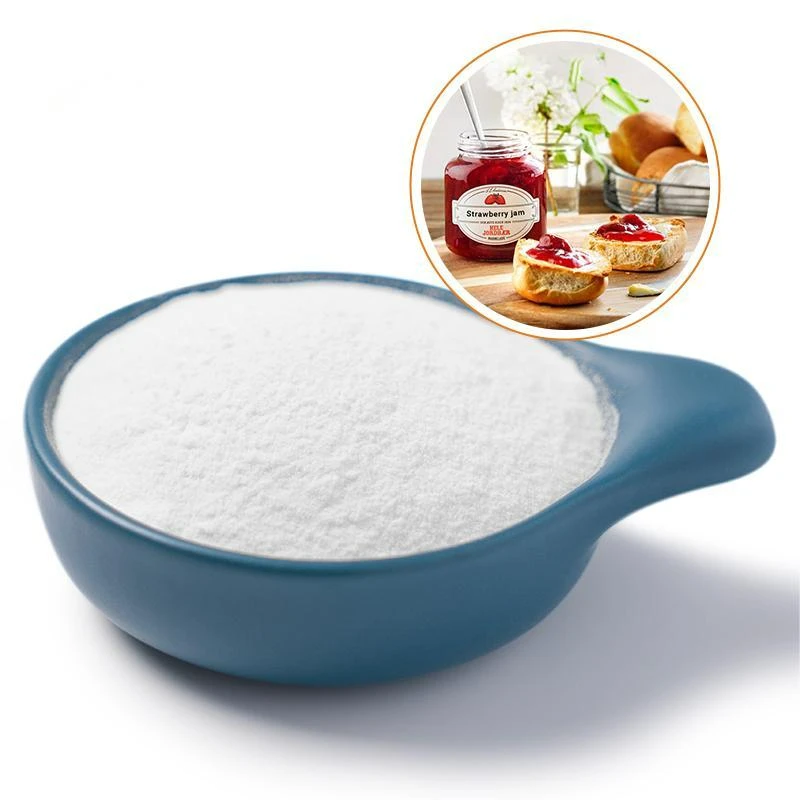
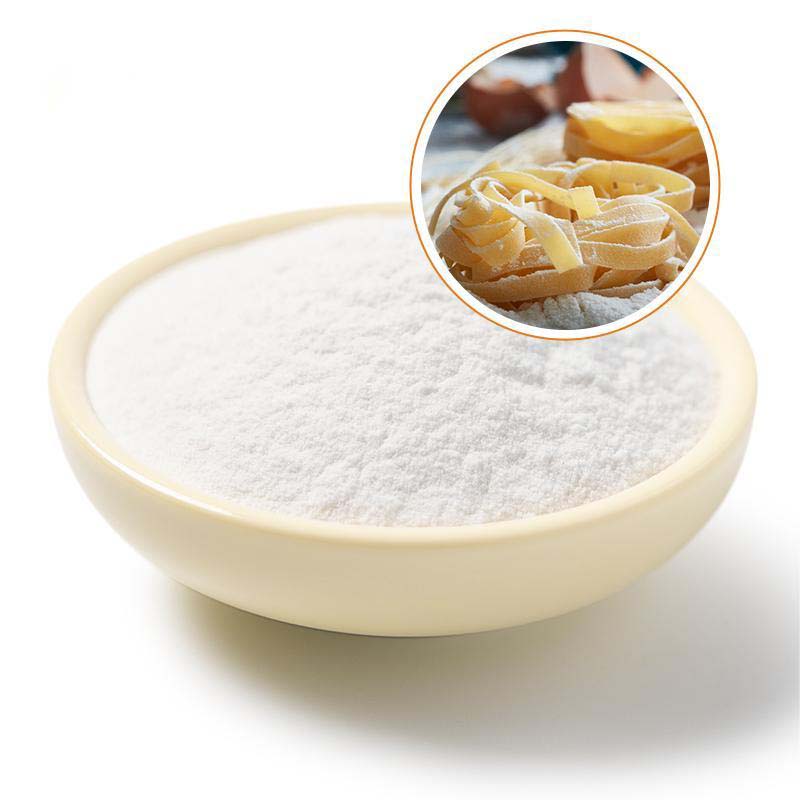
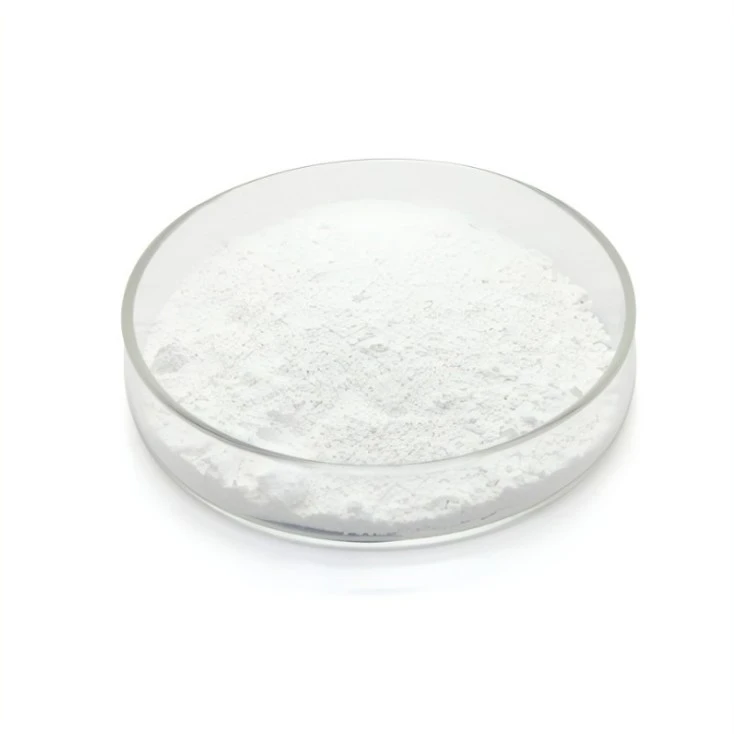
| Appearance | White powder or granules | - |
Mini takeaway: Polyvinyl alcohol’s chemical properties allow it to be tailored for various industries, balancing toughness and eco-friendliness almost uniquely.
Advantages & Long-Term Value of Polyvinyl Alcohol Use
The benefits are tangible. From a cost perspective, PVA helps manufacturers save on material loss and replacement cycles due to enhanced durability. It also enables more eco-conscious choices by virtue of its biodegradability, connecting logic with sustainability goals without hefty premiums.
There's also a social dimension — for instance, PVA-based water purification solutions protect vulnerable populations with access to clean drinking water, improving health outcomes and dignity. It’s this emotional payoff, alongside hard savings, that makes polyvinyl alcohol use resonate across cultures and economies.
Future Trends & Innovations
Looking ahead, polyvinyl alcohol use is evolving with green chemistry and digital manufacturing advances. Researchers are exploring bio-based PVA alternatives, reducing reliance on fossil fuels. Plus, innovations in nano-composites have enhanced PVA films with antibacterial properties, ideal for medical packaging.
Automation and Industry 4.0 integration mean PVA-containing processes are becoming more precise and less wasteful. Trends toward stricter environmental standards globally will likely push PVA use upward — provided producers can meet sustainable sourcing demands.
Challenges & Solutions in Polyvinyl Alcohol Use
It’s not all smooth sailing. PVA does have sensitivity to moisture after production, which can complicate storage and handling. Some grades require additives or blended formulations to improve water resistance for certain uses.
Another hurdle: scaling bio-derived PVA economically at industrial volumes remains a work in progress. However, collaboration among chemists, engineers, and sustainability experts is closing these gaps, with pilot programs already showing promise.
Vendor Comparison: Leading Polyvinyl Alcohol Suppliers
| Vendor | Product Range | Sustainability Focus | Geographic Reach |
|---|---|---|---|
| Sekisui Chemical | Wide (films, adhesives) | High (bio-PVA research active) | Global (strong in Asia) |
| Nippon Gohsei | Specialty grades, medical | Medium (focus on medical safety) | Asia & Europe |
| Kuraray Co. | Adhesives & textile sizing | Medium (eco-packaging focus) | Worldwide |
FAQ: Polyvinyl Alcohol Use
- What industries benefit most from polyvinyl alcohol use?
- Textiles, paper manufacturing, medical supplies, packaging, and environmental sectors rely heavily on PVA for its adhesive, film-forming, and biodegradable properties.
- Can polyvinyl alcohol be considered eco-friendly?
- Yes, PVA’s water solubility and biodegradability under certain conditions make it more environmentally friendly than many synthetic polymers, although proper disposal and production methods are critical to maximizing benefits.
- How does PVA contribute to water purification efforts?
- PVA serves as a component in water treatment flocculants and in dissolvable packaging for purification tablets, improving access to clean water in disaster-affected or remote regions.
- Is polyvinyl alcohol safe for medical applications?
- Absolutely. Its non-toxic, biocompatible nature has made PVA a staple in medical hydrogel products, wound dressings, and contact lenses, with strict quality controls to ensure safety.
- Where can I learn about sourcing industrial-grade PVA?
- Consult established suppliers like Sekisui, Nippon Gohsei, and Kuraray, who provide global distribution and technical support. Industry expos and trade publications are also good starting points.
Conclusion: The Enduring Significance of Polyvinyl Alcohol Use
Reflecting on polyvinyl alcohol use, it’s clear that this humble polymer quietly supports innovation, sustainability, and well-being across the planet. Its diverse applications and increasing role in eco-conscious manufacturing mark it as a staple for the future. If you want to delve deeper into its evolving landscape, I suggest visiting our website for more insights and tailored solutions.
Mini takeaway: Polyvinyl alcohol use blends chemistry and practicality with sustainability and global impact—it’s worth a closer look from anyone invested in the future of materials.
References
-
Top Guide to Selecting Professional vae emulsion manufacturersNewsApr.16,2026
-
Viscosity of HPMCNewsApr.15,2026
-
HPMC Powder UsesNewsApr.15,2026
-
Understanding VAE Emulsion for Modern Industrial CoatingsNewsApr.09,2026
-
Comprehensive Guide to Redispersible Emulsion Powder and its ApplicationsNewsApr.07,2026
-
Comprehensive Guide to Redispersible Latex Powder for Construction ApplicationsNewsApr.04,2026