Polyvinyl Alcohol Uses | Industry Insights & Applications
Practical Polyvinyl Alcohol Uses in Industry: A Veteran’s Perspective
Having spent more than two decades working closely with industrial materials, I can say polyvinyl alcohol (often abbreviated as PVA) remains one of those surprisingly versatile compounds that doesn’t always get the spotlight it deserves. If you’ve ever wondered about the real-world applications of PVA, here’s a bit of a candid walkthrough from someone who's seen it in factories, labs, and on-site operations.
First things first—polyvinyl alcohol is a synthetic polymer, water soluble, and known for its excellent film-forming, emulsifying, and adhesive properties. You’ll find it lurking in everything from textile coatings to specialty packaging, sometimes quietly making processes smoother. It’s oddly fulfilling to see something so “plastic” playing well with water and even biodegrading under the right conditions.
The biggest industrial use of PVA, frankly, has been in textile sizing. I remember a time when it was the go-to agent in weaving mills to strengthen yarns before weaving — it reduces breakage and makes the entire weaving operation more efficient. Some textile engineers I spoke with say “you can barely run a loom without it.” But PVA isn’t just in textiles; it’s also popular in papermaking, adhesives, and even pharmaceuticals as a binder.
Then there’s the water treatment side of things. PVA often pops up as a flocculant aid, helping to aggregate contaminants so they can be filtered out more easily. From what I've seen, the chemistry here is reliable, but formulation matters a lot — you want to use the right viscosity and degree of hydrolysis depending on your industrial setup.
Now, let’s talk about the specs. You might wonder: how do you choose the right PVA for your application?
| Property | Typical Value | Notes |
|---|---|---|
| Degree of Hydrolysis | 88% - 98% | Affects water solubility & strength |
| Viscosity (4% in water) | 3 - 100 mPa·s | Tailor for application speed & coating |
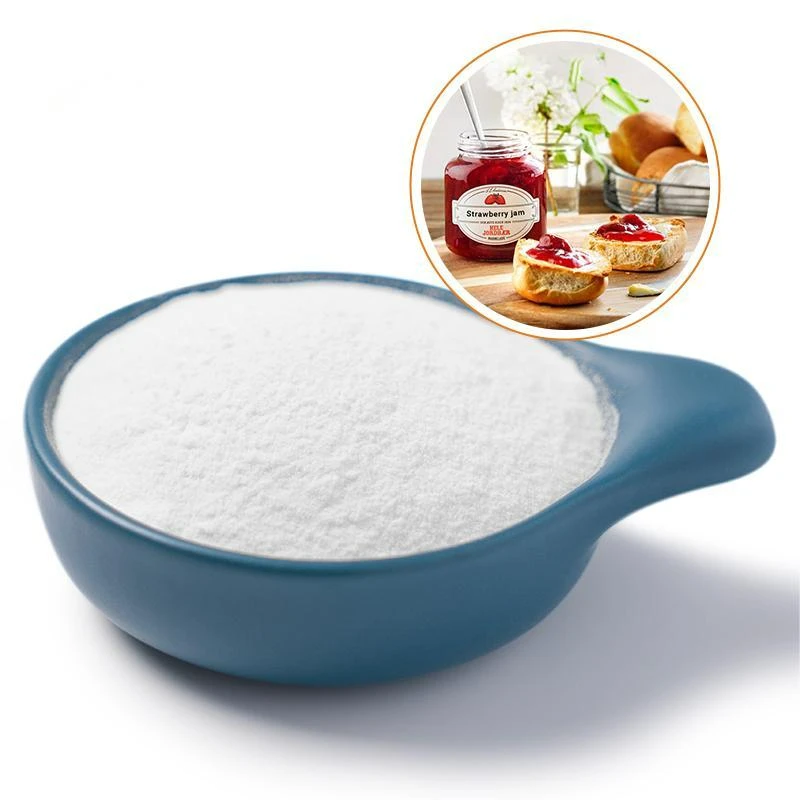
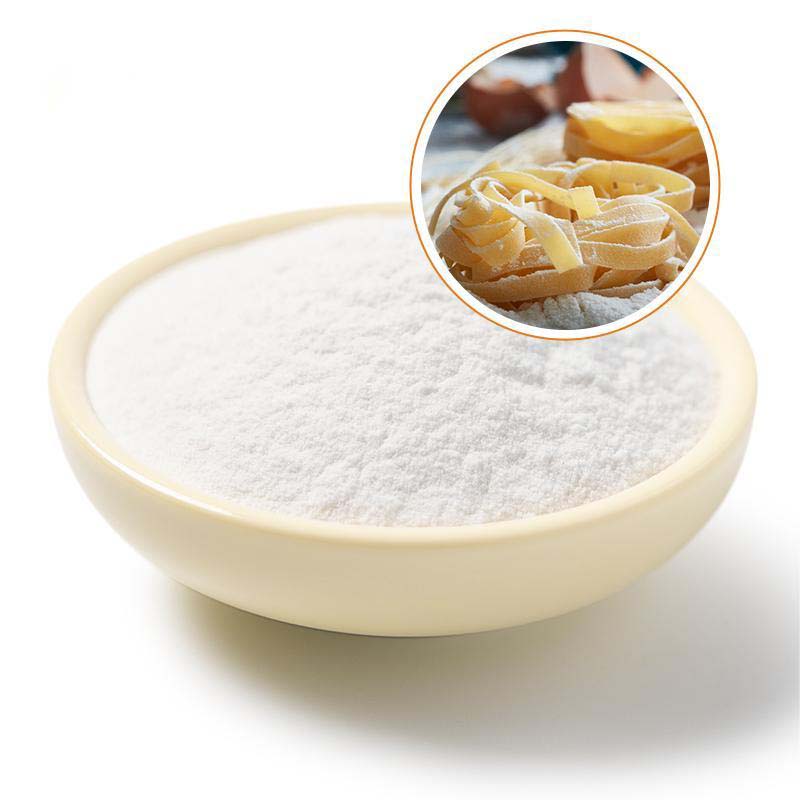
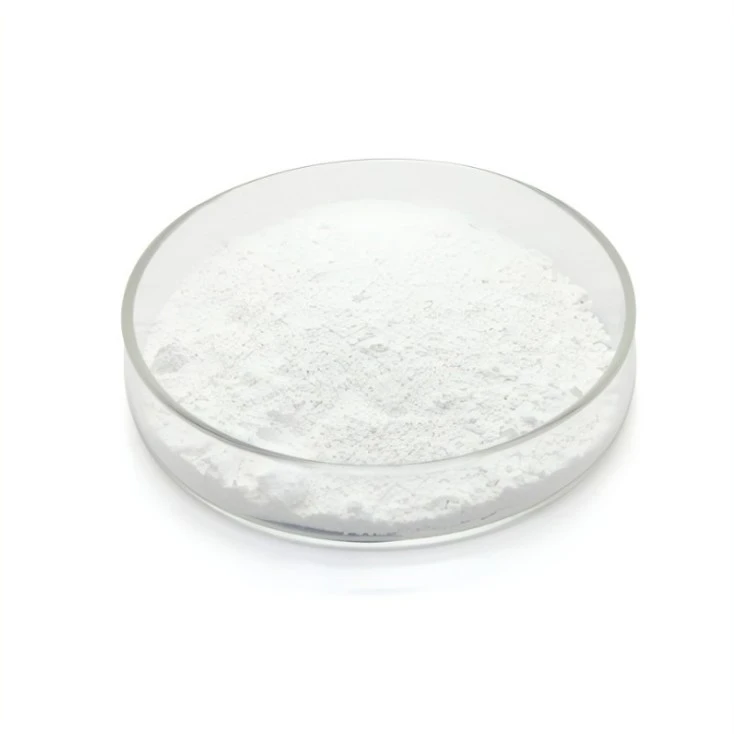
| Appearance | White powder or granules | Varies by supplier |
Speaking of suppliers, the landscape has become quite competitive. You’ll often hear debates among peers about purity, consistency, and pricing. For instance, companies like Sekisui, Kuraray, and some emerging players from China each bring slightly different approaches. Here’s a quick look at how some of the vendors compare:
| Vendor | Purity % | Typical Viscosity Range | Lead Time | Price Competitiveness |
|---|---|---|---|---|
| Sekisui | >98% | 5 - 60 mPa·s | 2-3 weeks | Premium |
| Kuraray | 96-99% | 3 - 80 mPa·s | 3 weeks | Mid-range |
| Chinese Suppliers | 90-98% | 3 - 100+ mPa·s | 1-2 weeks | Budget-friendly |
For my part, I often recommend sourcing your PVA based on the end use — there’s no “one-size-fits-all.” If you’re dealing with sensitive pharmaceutical productions, a high-purity grade from a trusted name like Sekisui or Kuraray might be indispensable. On the flip side, for general textile or papermaking applications, some of the more affordable options work just as well.
I recall a customer, a mid-sized paper mill, switching to a new supplier that offered slightly higher viscosity PVA, and their sheet strength and finish improved noticeably — which reduced waste downstream. The plant manager told me, “It’s amazing how something that feels so minor on paper can actually save us tens of thousands a year.”
Finally, a quick shout-out to the industry innovators who keep pushing the envelope: from biodegradable packaging films to advanced adhesives, PVA’s capabilities are expanding. For those exploring new formulations or needing technical expertise, polyvinyl alcohol specialists can provide tailored solutions that make all the difference.
So, if you’re in this space or considering PVA for a project, keep in mind it’s not just about the polymer itself — it’s about matching the specs, trusting your suppliers, and understanding the nuances. I suppose in real terms, that’s what experience brings: seeing beyond the data sheets into the material’s real-world impact.
Quick takeaway: Polyvinyl alcohol may not be flashy, but its industrial uses quietly empower countless processes — from textiles to wastewater treatment, it’s a reliable workhorse.
References:
1. “Handbook of Polymer Applications in Medicine and Medical Devices,” CRC Press.
2. Textile World, “Sizing Agents and Industrial Textiles,” 2020.
3. Industry interviews & personal experience, 2000–2023.
-
Top Guide to Selecting Professional vae emulsion manufacturersNewsApr.16,2026
-
Viscosity of HPMCNewsApr.15,2026
-
HPMC Powder UsesNewsApr.15,2026
-
Understanding VAE Emulsion for Modern Industrial CoatingsNewsApr.09,2026
-
Comprehensive Guide to Redispersible Emulsion Powder and its ApplicationsNewsApr.07,2026
-
Comprehensive Guide to Redispersible Latex Powder for Construction ApplicationsNewsApr.04,2026