Essential Guide to Hydroxypropyl Methyl Cellulose Uses: Applications & Benefits
Understanding Hydroxypropyl Methyl Cellulose Uses: Why It Matters Globally
Hydroxypropyl methyl cellulose (HPMC) might not be a household name, but it quietly powers many products and industries crucial to our daily lives worldwide. From construction to pharmaceuticals, its uses influence global markets worth billions of dollars. Understanding hydroxypropyl methyl cellulose uses offers insight into sustainable development, innovation in materials, and even humanitarian aid. It’s a material that pairs science and practicality, with benefits that ripple through manufacturing reliability, food safety, and environmental responsibility.
Let’s be honest, the term might sound a bit technical — but beneath it lies a versatile polymer that addresses some very tangible challenges. In a world striving for eco-friendlier solutions and more efficient industrial processes, HPMC stands out.
The Global Context: Why Hydroxypropyl Methyl Cellulose Uses Have Grown So Important
Industries worldwide increasingly rely on smart polymers like HPMC. According to the ISO and data from the United Nations, global construction and pharmaceutical markets combined are expected to grow by over 5% annually. With this growth comes the challenge of producing materials that need to be durable, eco-friendly, and safe. Hydroxypropyl methyl cellulose uses help meet these demands, especially in regions focusing on sustainable industrialization.
For example, boosting water retention in cement mixtures in rapidly urbanizing countries means longer-lasting infrastructure rather than expensive repairs. Plus, in pharmaceutical formulations, it improves drug delivery—a small but huge improvement when dealing with global health.
One of the largest challenges is meeting these demands without compromising environmental safety or driving up costs. Because of its biodegradable backbone and multi-functionality, HPMC helps solve this puzzle.
What Is Hydroxypropyl Methyl Cellulose and How Is It Used?
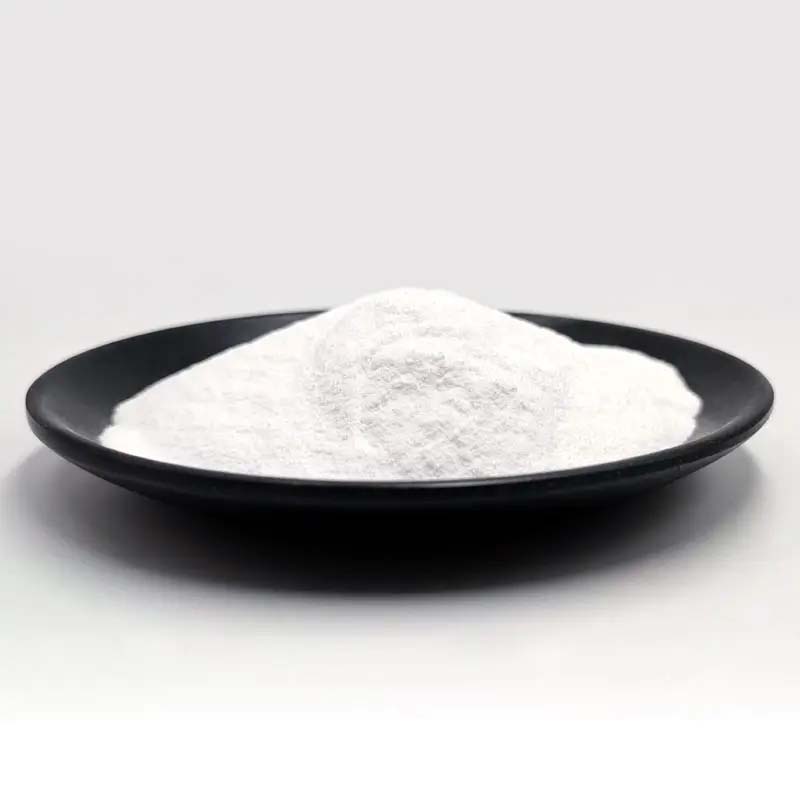
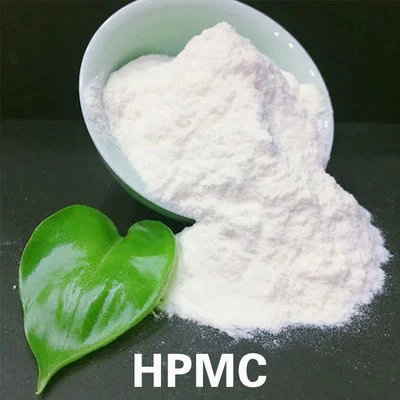
Simply put, hydroxypropyl methyl cellulose is a chemically modified cellulose derivative, a thickening and emulsifying agent, that’s water-soluble and non-toxic. It’s a powder that dissolves into clear, viscous solutions and can adapt easily to different formulations. Imagine it as a multitasking helper that improves consistency, texture, and stability across many products.
Modern industries use it in everything from injectable medicines and eye drops to paints, adhesives, and food items — making it practically a silent star behind many products. Its connection to humanitarian needs is just as interesting; for example, it helps manufacture quick-drying plaster for disaster relief housing, or forms reliable tablets in medicines used in remote areas.
Key Features Influencing Its Applications
1. Viscosity Control & Consistency
The ability to finely modify viscosity means HPMC can mimic thicker or thinner substances depending on what's needed, critical for construction mortars or smooth pharmaceutical gels.
2. Thermal Stability
HPMC’s stability under varying temperatures adds durability, especially in hot climates where construction materials often degrade faster.
3. Film Forming & Adhesion
Due to its good film-forming ability, it acts as a binder and adhesive in paints and coatings — ensuring better coverage and durability.
4. Water Retention
Its capacity to hold water optimizes cement curing processes and food hydration, extending product life.
5. Non-Toxic & Environmentally Friendly
Since it’s vegetable-based and biodegradable, it offers an eco-friendly alternative to petroleum-derived chemicals.
Mini takeaway: Hydroxypropyl methyl cellulose’s versatility springs from these core features, enabling it to fit elegantly into many sectors demanding precise material properties.
How Hydroxypropyl Methyl Cellulose Is Transforming Global Industries
It’s surprising to see how widespread hydroxypropyl methyl cellulose uses are. In the construction world, particularly in Asia and Europe, HPMC added to plaster and tile adhesives improves workability and prevents cracking after drying — making buildings stronger and safer.
Pharmaceutical companies in North America and India rely on it for sustained-release tablets and improving solubility of drugs, which can be a game-changer for patient compliance. In food industries across Europe and the USA, it’s used as a thickener in low-fat products, enhancing texture without adding calories.
In humanitarian applications, organizations often use HPMC-based products to create fast-setting mortars for disaster-hit areas, allowing rapid housing reconstruction — a quiet but impactful role in recovery efforts.
Hydroxypropyl Methyl Cellulose Uses at a Glance: Key Industries & Regions
- Construction: Mortars, plasters, tile adhesives (China, Europe)
- Pharmaceuticals: Capsules, ophthalmic solutions (USA, India)
- Food: Emulsifiers, stabilizers, fat replacers (EU, USA)
- Personal Care: Thickening agents in creams and shampoos (Global)
- Humanitarian Relief: Fast-curing mortars for shelters (Africa, Asia)
Mini takeaway: HPMC’s global footprint illustrates how one compound can pivot across industries and geographies with remarkable ease.
Product Specification Table
| Property | Typical Range | Unit | Relevance |
|---|---|---|---|
| Methoxy Content | 19–24% | % | Controls solubility & viscosity |
| Hydroxypropyl Content | 4–12% | % | Enhances thermal stability |
| Viscosity Range | 10,000–100,000 | mPas (2% solution) | Tailors product texture |
| pH Stability | 5–11 | pH units | Matches various formulation needs |
| Ash Content | % | Indicates purity |
Comparing Leading Hydroxypropyl Methyl Cellulose Suppliers
| Vendor | Product Grades | Key Industries Served | Global Reach |
|---|---|---|---|
| Aqualicell Corp. | Food, Pharma, Construction | Food, Pharma, Building | Europe, Asia, Americas |
| CelluCo. | High Viscosity, Low Viscosity | Pharma, Paints | Global |
| HPMC Solutions Ltd. | Custom grades for Pharma & Food | Pharmaceuticals, Food Processing | Asia-Pacific, Europe |
Advantages and Long-Term Benefits of Hydroxypropyl Methyl Cellulose Uses
Why all this fuss about a cellulose derivative? Simply because it taps into several practical and emotional benefits simultaneously. Cost efficiency comes from reducing waste and improving performance — for example, smoother tile adhesives mean fewer callbacks and lower labor costs. Sustainability is huge too; HPMC is biodegradable and derived from renewable resources, which helps industries lower their carbon footprints.
On a societal level, safer medicines with consistent dosages mean better health outcomes — a trustworthy material makes a real difference in lives. The emotional dimension is about confidence — users feel safer knowing the materials they rely on won’t unexpectedly fail. And in product innovation, companies can customize formulations almost endlessly, opening new doors for creativity and efficiency.
Looking Ahead: Future Trends in Hydroxypropyl Methyl Cellulose Uses
As sustainability becomes non-negotiable globally, expect hydroxypropyl methyl cellulose uses to evolve with greener production processes and bio-based additives. Digital formulation methods now allow chemists to tailor HPMC grades even more precisely using AI — an exciting blend of tradition and tech.
Automation in manufacturing sectors that use HPMC also means more consistent quality, less human error, and faster product turnaround. In pharmaceuticals, as personalized medicine gains traction, expect HPMC’s role to expand in delivering customized drugs with higher precision.
Common Challenges and How Experts Are Overcoming Them
Of course, nothing is perfect. HPMC’s water solubility can sometimes be a downside where moisture resistance is important. This has sparked innovation, with experts developing hybrid formulations that blend HPMC with hydrophobic polymers to extend durability without sacrificing biodegradability.
Supply chain issues occasionally arise, especially with surges in demand in construction or pharma industries. To help, vendors are optimizing logistics and scaling production more sustainably. Plus, ongoing research is improving the environmental footprint even further — a nice cycle of improvement if you ask me.
FAQ: Common Questions About Hydroxypropyl Methyl Cellulose Uses
- What industries benefit most from hydroxypropyl methyl cellulose?
- Primarily construction, pharmaceuticals, food, and personal care. Each uses HPMC for specific properties like thickening, stabilizing, or binding in formulations. Its safe profile makes it a go-to for medical and food products.
- Is hydroxypropyl methyl cellulose biodegradable?
- Yes, HPMC is plant-based and biodegradable, breaking down naturally under appropriate conditions, making it environmentally favorable compared to synthetic polymers.
- Can HPMC improve the shelf life of pharmaceuticals?
- Yes, by acting as a controlled-release agent and stabilizer, HPMC helps maintain drug integrity and improves shelf life, crucial in remote distribution.
- Are there any limitations using HPMC in high-moisture environments?
- Its water solubility means formulations may require additives or special blends for moisture resistance, especially for outdoor construction or packaging.
- How can international NGOs source hydroxypropyl methyl cellulose products?
- Most large suppliers have global distribution networks, and NGOs can often order directly or through regional distributors. Certification and regulatory compliance are generally managed by the supplier.
Conclusion: Why Hydroxypropyl Methyl Cellulose Uses Deserve Your Attention
In sum, hydroxypropyl methyl cellulose is more than just a thickening agent — it’s a multifunctional polymer shaping industries that matter. Cost effectiveness, sustainability, and versatility all bundle up here, showing a promising future for greener and more reliable products worldwide. Whether you’re in construction, pharma, or food production, understanding these uses opens doors to smarter materials and better products.
Curious to explore more about this fascinating material? Visit our website: hydroxypropyl methyl cellulose uses to discover how your business can benefit.
References
-
What Is VAE Powder? Complete Guide to Redispersible Polymer Powder (RDP) for ConstructionNewsApr.21,2026
-
HPMC Manufacturers in ChinaNewsApr.21,2026
-
What Is Redispersible Polymer Powder (RDP)? Complete Guide to VAE RDP for Mortar ApplicationsNewsApr.21,2026
-
Top Guide to Selecting Professional vae emulsion manufacturersNewsApr.16,2026
-
Viscosity of HPMCNewsApr.15,2026
-
HPMC Powder UsesNewsApr.15,2026