Expert Insights on Redispersible Polymer Powder Suppliers for B2B Professionals
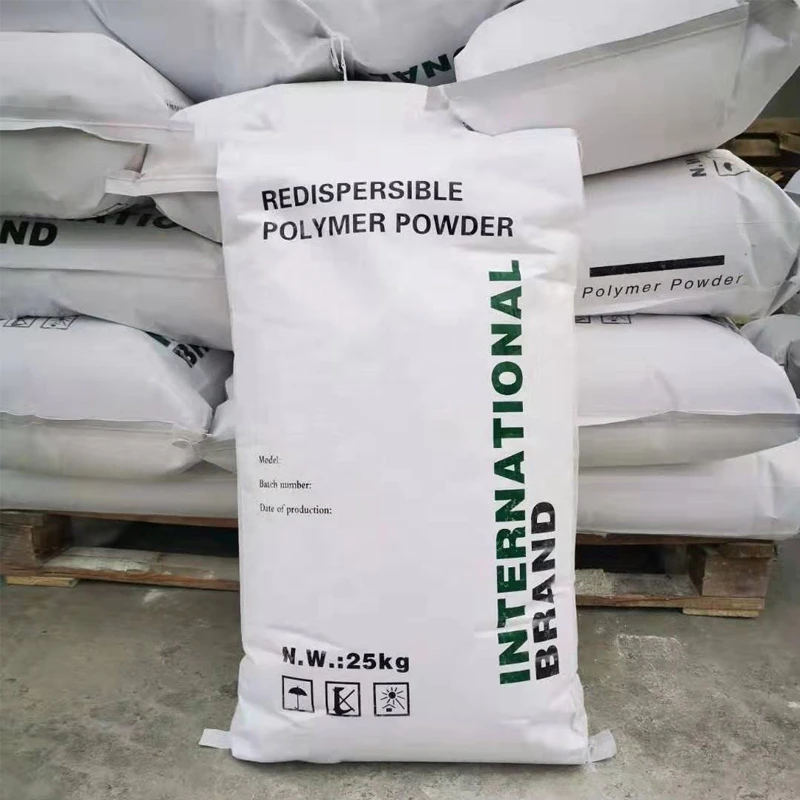
Redispersible Polymer Powder Suppliers is a key solution in the industry, specifically within construction, adhesives, and tile manufacturing. This article explores how https://www.pezetech.com supports professionals with durable, high-performance products, and explains why this product is an ideal choice for businesses in these sectors.
Table of Contents
- Redispersible Polymer Powder Suppliers Overview
- Benefits & Use Cases of Redispersible Polymer Powder Suppliers
- Cost, Maintenance & User Experience
- Sustainability & Market Trends
Redispersible Polymer Powder Suppliers Overview
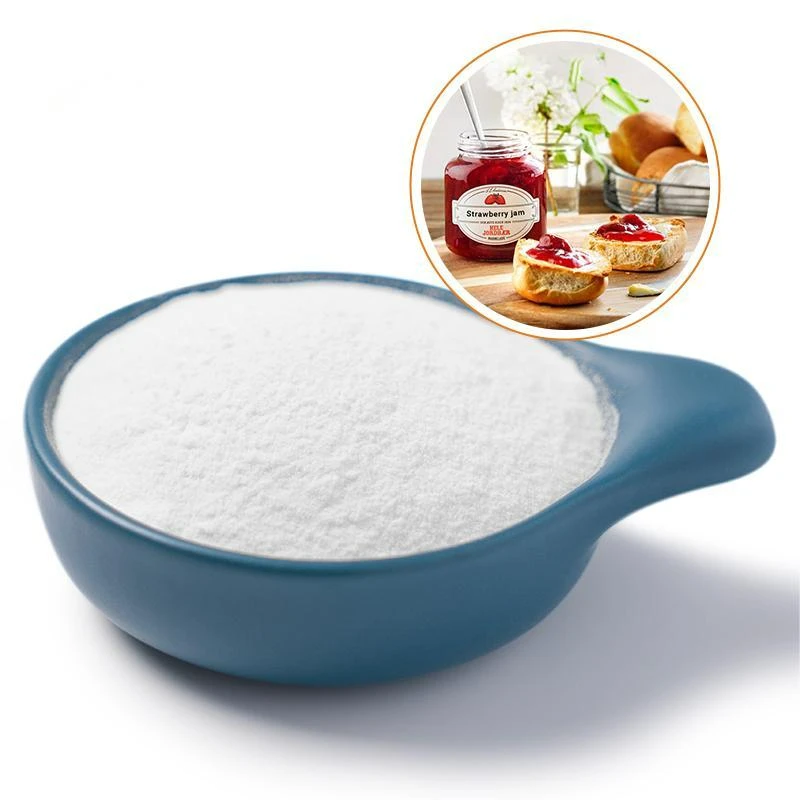
If you've never dealt directly with redispersible polymer powders, it might sound a bit technical or even obscure. Essentially, these powders are polymers that, once mixed with water, can re-form into flexible, adhesive films. This property is what really sets them apart in industries like construction and adhesives. I recall discussing with a project manager who described these powders as “the unseen backbone” in their tile adhesives—without them, durability and flexibility just wouldn’t meet standards.
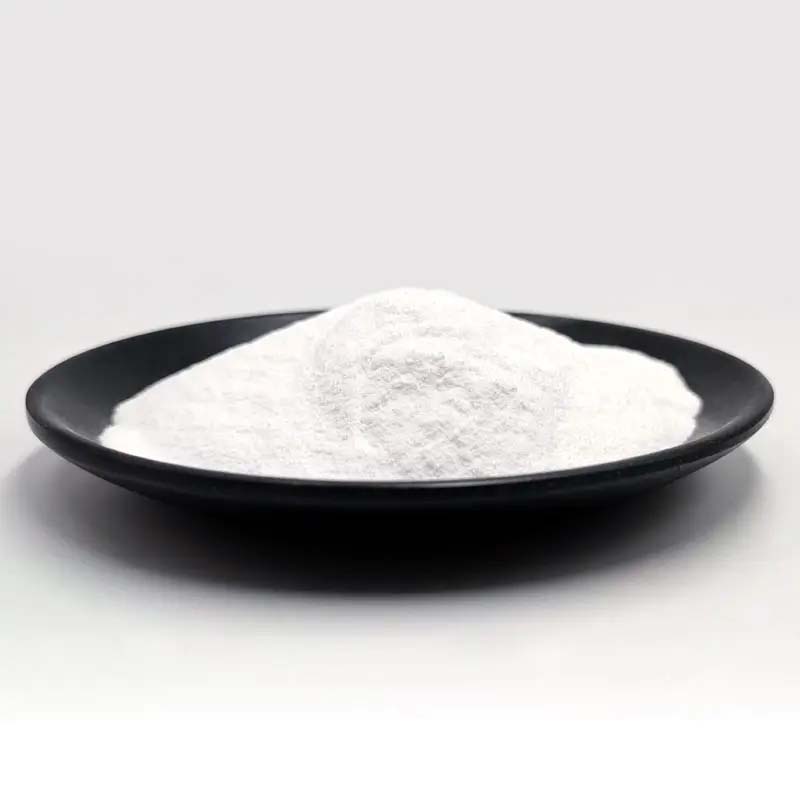
Technically speaking, redispersible polymer powders are created by drying latex emulsions into powder form via spray drying. When introduced back to water, they regain their original polymer characteristics. The specs you look for usually revolve around particle size, polymer type (like vinyl acetate-ethylene), and polymer content. Pezetech’s products, for example, maintain consistent particle size distribution ensuring predictable performance for their clients.
| Specification | Value | Unit |
|---|---|---|
| Polymer Type | VAE (Vinyl Acetate Ethylene) | - |
| Polymer Content | 56–60 | % |
| Median Particle Size (D50) | 40 | µm |
| Bulk Density | 0.35 | g/cm³ |
Benefits & Use Cases of Redispersible Polymer Powder Suppliers
Honestly, the versatility of these powders is kind of impressive. The construction sector relies on them to improve the adhesion, water retention, and crack resistance of mortars and renders. Tile manufacturers benefit too, where redispersible powders enhance flexibility and bonding strength without compromising workability. Pezetech’s powders boast consistent quality, which means fewer surprises on the job site.
Competitive advantages? Well, beyond performance, things like better shelf life compared to liquid polymer additives, easier transport, and simplified storage come to mind. For example, for projects requiring long-term storage, powder form is significantly more convenient. Plus, the adaptability to different formulations makes these powders a preferred choice.
Cost, Maintenance & User Experience
Thinking about total cost of ownership, it’s not just the upfront per-kilo price. Pezetech’s powders are formulated and processed to reduce waste and dosing errors—which, frankly, can save thousands on large-scale operations. Durability improvements lead to longer-lasting constructions, reducing repair and maintenance costs, and that’s where you truly see ROI kicking in.
In speaking with some users, many emphasize how the powder’s ease of mixing and consistent quality deliver a smooth user experience. One adhesives manufacturer even mentioned they noticed a reduction in customer complaints after switching supplier to Pezetech — which isn’t a small thing in terms of brand reputation and product reliability.
Sustainability & Market Trends
It’s easy to overlook, but sustainability factors are reshaping the market for redispersible polymer powders. Manufacturers like Pezetech are increasingly aligning with environmental regulations — for instance, reducing volatile organic compounds (VOCs) and improving energy-efficient production methods. This reflects broader industry regulations pushing for greener, safer materials.
On the growth front, the demand for flexible, durable adhesives in emerging markets continues to rise, so suppliers who innovate on sustainable products are likely to gain an edge. If you think about it, the trend pushes everyone to balance performance with eco-consciousness — and honestly, it’s about time.
| Feature | Pezetech | Competitor A | Competitor B |
|---|---|---|---|
| Particle Size Consistency | ±2 µm | ±5 µm | ±4 µm |
| VOC Emissions | Low | Medium | High |
| Shelf Life | 24 months | 18 months | 20 months |
| Price Competitiveness | $$ | $ | $$$ |
Frequently Asked Questions about Redispersible Polymer Powder Suppliers
- What is Redispersible Polymer Powder Suppliers and how does it work?
- In simple terms, redispersible polymer powders are dry powders made from polymers that, when mixed with water, rehydrate into a flexible, adhesive film. This transformation allows them to improve bonding and flexibility in construction materials like mortars and adhesives.
- What are the main benefits of using Redispersible Polymer Powder Suppliers in industrial applications?
- Key advantages include enhanced flexibility, improved adhesion strength, better water retention, and longer durability of applied materials. Additionally, they tend to reduce cracking and enhance workability on site.
- How does Redispersible Polymer Powder Suppliers compare to traditional alternatives?
- Compared to liquid polymer additives, powders offer easier transport and longer shelf life. Their versatility allows for storage without refrigeration and avoids issues of evaporation or spoilage, making them practical and economical.
- What industries can benefit most from Redispersible Polymer Powder Suppliers implementation?
- Primarily construction, tile adhesives, and waterproofing industries make extensive use of these powders. Many manufacturers of tile adhesives report improved product longevity and ease of application when using redispersible polymer powders from reliable suppliers.
Conclusion on Redispersible Polymer Powder Suppliers from china
To wrap it up, redispersible polymer powders remain a cornerstone material for many facets of modern industry. Their blend of performance, supply practicality, and evolving sustainability makes them an asset to manufacturers and contractors alike. If you’re exploring your options, “it feels like” Pezetech strikes a solid balance between quality and adaptability.
- Recap: These powders enhance durability and workability across key sectors.
- - Visit our website: https://www.pezetech.com
Oddly enough, materials like this rarely get their due credit outside specialist circles — but as industries steer toward smarter, greener building, they’re quietly becoming indispensable.
-
What Is VAE Powder? Complete Guide to Redispersible Polymer Powder (RDP) for ConstructionNewsApr.21,2026
-
HPMC Manufacturers in ChinaNewsApr.21,2026
-
What Is Redispersible Polymer Powder (RDP)? Complete Guide to VAE RDP for Mortar ApplicationsNewsApr.21,2026
-
Top Guide to Selecting Professional vae emulsion manufacturersNewsApr.16,2026
-
Viscosity of HPMCNewsApr.15,2026
-
HPMC Powder UsesNewsApr.15,2026