HEC Cellulose: Essential Industrial Polymer for Viscosity Control
Understanding HEC Cellulose: A Staple in Industrial Solutions
Having spent more than a decade working side by side with engineers and plant operators in the industrial equipment sector, I’ve learned a thing or two about materials that quietly but effectively keep things running. One such unsung hero is HEC Cellulose. You don’t often hear it shouted from the rooftops, but it’s a staple compound—especially when you’re dealing with demanding applications like thickening, suspension, or even controlled release in processes.
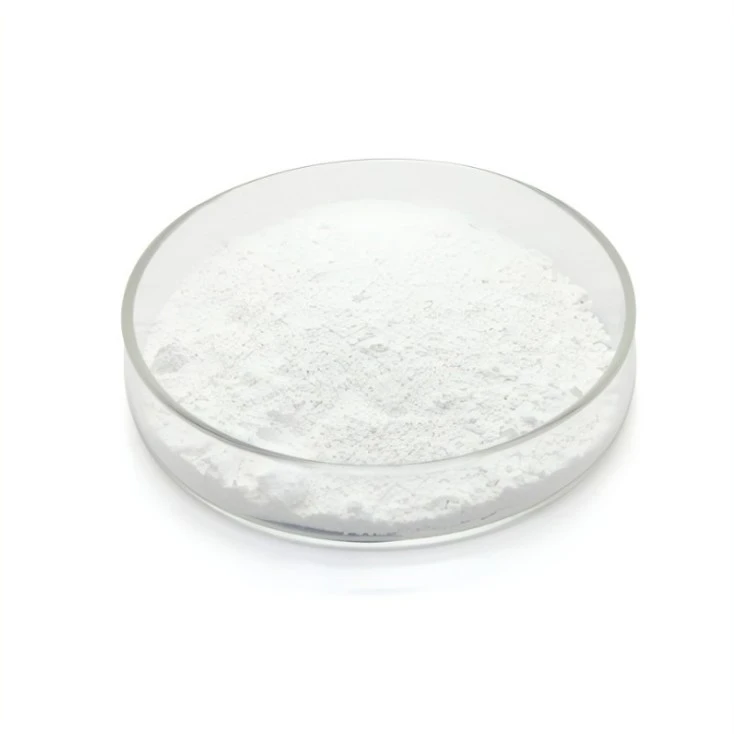
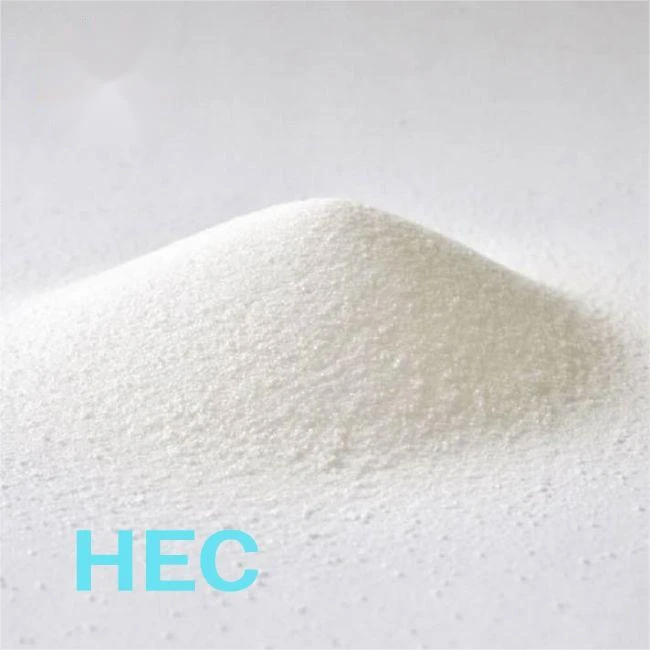
So, what exactly is HEC? To put it simply, hydroxyethyl cellulose (HEC) is a non-ionic, water-soluble polymer derived from cellulose — which, as you might guess, is sourced from wood pulp or cotton. I first came across HEC back in the early 2000s, during a project that involved industrial coatings; it was pretty clear that its viscosity-building properties made coatings more stable and easier to apply. Fast forward, and it’s used in everything from detergents to oil well drilling fluids.
Frankly, there’s a sort of understated versatility to HEC. In real terms, it acts as a thickener, binder, film former, or even a stabilizer, depending on how it's formulated. It’s that invisible hand that makes sure formulations don’t separate or lose consistency over time. I suppose what I appreciate most is how customizable it can be — tweaking the degree of substitution and molecular weight can tailor your product’s rheology precisely.
Key Specifications of Typical HEC Cellulose
| Parameter | Value / Range | Unit |
|---|---|---|
| Appearance | White to off-white powder | - |
| Molecular Weight | 100,000 – 1,000,000 | Daltons |
| Degree of Substitution (DS) | 1.3 – 2.5 | - |
| Viscosity (2% solution) | 100 – 10,000 | mPa·s (cP) |
| pH (1% solution) | 6.0 – 8.5 | - |
| Solubility | Water soluble | - |
In the field, I’ve noticed that the quality of HEC cellulose can differ massively depending on the supplier. Some vendors offer variants specially designed for demanding thickening needs in paints or drilling fluids, while others provide cost-friendly grades for less strenuous uses. Oddly enough, some clients swear by a particular vendor’s consistency — and it can be the subtle difference between a good product and a great one.
Vendor Comparison: Popular HEC Cellulose Suppliers
| Vendor | Viscosity Range (mPa·s) | Special Features | Price | Typical Applications |
|---|---|---|---|---|
| Pezetech (link) | 500 – 8000 | Broad range, customizable DS | Mid-tier | Paints, detergents, oilfield |
| CelluChem | 300 – 7000 | Eco-friendly sourcing | Premium | Pharma, cosmetics |
| HydroCell | 400 – 6000 | Fast dissolving grades | Budget | Construction, adhesives |
One little story I recall vividly was a plant manager who struggled with unstable detergent batches. They switched to a customized HEC cellulose from Pezetech, and suddenly their viscosity issues disappeared — little adjustments to the DS and molecular weight did wonders. It’s these hands-on fixes that really convince me of how nuanced HEC can be.
Of course, not every formula needs complexity. For those just starting out or seeking robust, all-purpose thickening agents, standard grades often do the trick just fine. Still, in demanding sectors like oilfield drilling, that fine-tuning capability of HEC cellulose proves invaluable time and time again.
To wrap this up — if you work with industrial fluids, coatings, or adhesives and you haven’t tried fine-tuning your formulations with HEC cellulose, it’s worth a look. It might seem like a small piece of the puzzle, but honestly, it can transform your product’s performance in ways you might not expect.
References:
1. Milton, J., “Industrial Polymers Handbook,” 2018.
2. Pezetech Technical Datasheets, 2023.
3. Patel, R., “Cellulose Derivatives in Industry,” Chemical Reviews, 2020.
-
Top Guide to Selecting Professional vae emulsion manufacturersNewsApr.16,2026
-
Viscosity of HPMCNewsApr.15,2026
-
HPMC Powder UsesNewsApr.15,2026
-
Understanding VAE Emulsion for Modern Industrial CoatingsNewsApr.09,2026
-
Comprehensive Guide to Redispersible Emulsion Powder and its ApplicationsNewsApr.07,2026
-
Comprehensive Guide to Redispersible Latex Powder for Construction ApplicationsNewsApr.04,2026