What is Cellosize HEC? Essential Guide to Hydroxyethyl Cellulose & Its Global Applications
Understanding Cellosize HEC: A Crucial Ingredient in Modern Materials
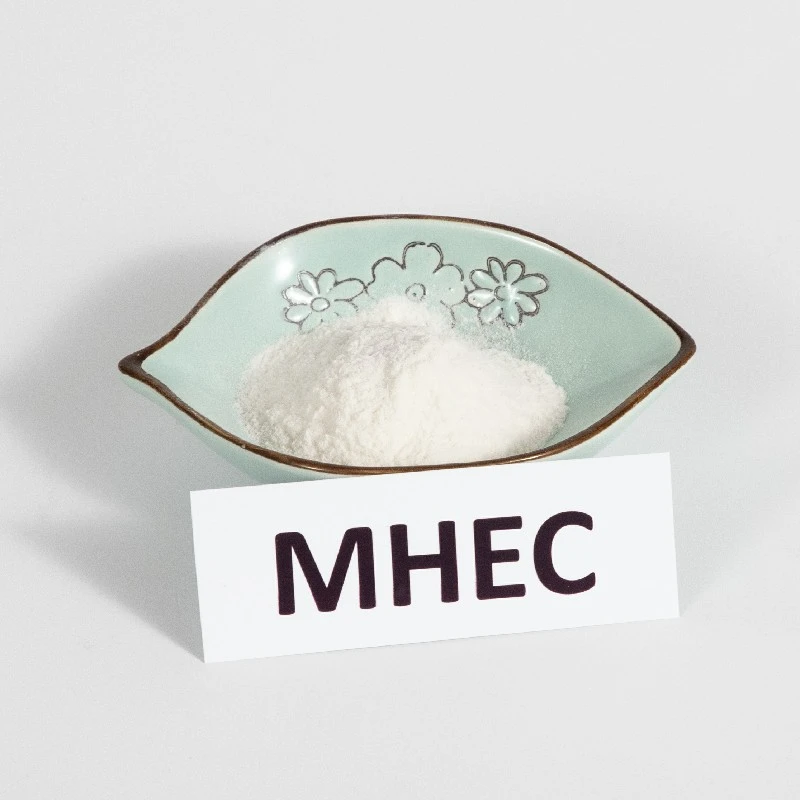
So, what exactly is cellosize hec, and why has it been grabbing the attention of industries globally? In simple terms, cellosize hec refers to Hydroxyethyl Cellulose, a water-soluble polymer derived from cellulose, widely used as a thickening and binding agent. It might sound somewhat niche, but its importance is anything but minor. From pharmaceuticals and food production to industrial applications and even humanitarian aid, understanding this compound helps us appreciate how everyday products and critical support technologies get that perfect balance of consistency, durability, and safety. Globally, as sustainability and efficiency become more pressing, the role of substances like cellosize hec moves closer to the spotlight, making industries rethink how materials are engineered and deployed.
Introduction: The Global Spotlight on Cellosize HEC
Drawing from reports like the International Trade Centre and European industries data, cellulose derivatives are seeing steady growth worldwide, fueled by rising demand in Asia-Pacific and Europe. Cellosize hec, in particular, plays a part in addressing challenges like reliable construction materials in developing regions and eco-friendly formulations in consumer products. According to a recent UN industrial innovation survey, sectors using cellulose derivatives grew by roughly 5% annually over the past five years, illustrating a global trend toward sustainable, biobased alternatives to synthetic chemicals.
Oddly enough, though we take materials like these for granted, their ability to solve issues related to material stability in harsh environments — like remote construction sites or disaster relief areas — is immense. Challenges such as fast-setting compounds in remote areas or maintaining texture consistency in pharmaceutical creams are tackled effectively with cellosize hec.
What is Cellosize HEC? A Simple Definition
At its core, cellosize hec (Hydroxyethyl Cellulose) is a modified form of cellulose hydroxyethylated for improved solubility and viscosity control. Derived primarily from wood pulp, it’s a non-ionic ether, meaning it doesn’t carry an electric charge but drastically changes how water-based products behave. It’s often used to thicken liquids, stabilize suspensions, or improve film formation in coatings.
More than just a lab curiosity, cellosize hec has a direct connection to modern industry needs and humanitarian applications alike — from thickening paints that tolerate extreme temperatures to creating long-lasting gels in wound care.
Key Characteristics of Cellosize HEC
1. Versatile Thickening Agent
Cellosize hec can tailor the viscosity of liquids extremely precisely. Whether in adhesives or cosmetics, it provides excellent control without introducing unwanted residues or odors. Its ability to remain stable across a wide pH and temperature range makes it a favorite among formulators.
2. Water Solubility and Film Formation
Its water solubility allows it to mix cleanly and form smooth films when dried—a crucial attribute for coatings and pharmaceutical applications. You might notice this in eye-drop formulations or even certain food products that rely on smooth texture.
3. Eco-Friendly and Biodegradable
Cellosize hec is derived from renewable resources and is biodegradable, which appeals to companies eager to reduce their environmental impact. Unlike synthetic polymers, it breaks down more efficiently without harsh byproducts.
4. Stability Across Diverse Conditions
Its chemical stability ensures products don’t degrade easily, even under challenging conditions — think humid tropical climates or arid deserts. For industrial uses, reliability is key, and cellosize hec delivers.
5. Compatibility with Other Materials
It blends well with other chemicals, allowing for customized formulations, whether in cleaning agents, paints, or even drilling fluids.
A Mini Takeaway: Why Cellosize HEC Stands Out
- It’s a natural, biodegradable polymer with great versatility.
- Its stability and film-forming properties make it indispensable across industries.
- Increasingly important in sustainable product development worldwide.
Global Applications & Use Cases
Worldwide, cellosize hec is employed in a variety of sectors:
- Pharmaceuticals: Used in ointments, eye drops, and controlled-release tablets thanks to its tight viscosity control and non-toxic profile.
- Construction: Integrated into mortars and plasters, boosting water retention and workability, especially in climates that challenge material durability.
- Cosmetics: Essential in shampoos, lotions, and gels for texture and stability.
- Food and Beverage: Acts as a thickener and stabilizer in sauces and dressings.
- Oil and Gas Drilling: An additive to adjust drilling mud viscosity and prevent suspension of solids.
Take post-disaster relief efforts, for instance: modular shelters and rapid-setup materials use cellulose derivatives like cellosize hec to produce adhesives and surface coatings that resist weather extremes. Similarly, remote industrial zones in Asia employ it for robust construction solutions that reduce material wastage.
Product Specification Table of a Typical Cellosize HEC Grade
| Property | Typical Value | Unit |
|---|---|---|
| Viscosity (2% in water, 20°C) | 1000–2000 | mPa·s |
| Moisture Content | 5 max | % |
| pH (1% aqueous) | 5.0 – 8.5 | - |
| Bulk Density | 430 – 550 | kg/m³ |
Comparing Major Cellosize HEC Suppliers
| Supplier | Typical Grades | Global Reach | Sustainability Focus |
|---|---|---|---|
| Dow Chemical | Thickening, film-forming grades | Worldwide | High – Green chemistry initiatives |
| Ashland | Pharma & Food-grade | North America, Asia | Moderate – some biodegradable blends |
| Shin-Etsu | High-purity pharma grades | Asia and Europe | Moderate |
Advantages & Long-Term Value of Cellosize HEC
Frankly, what makes cellosize hec such an asset isn't just its chemical properties but what those properties translate into on the ground. Cost-wise, it offers reliable performance without expensive processing, which keeps product prices reasonable. Socially, it supports safety and dignity in products that protect human health—like eye drops or wound-care gels. Sustainability is a big one: being plant-based and biodegradable, it aligns with growing consumer values and regulatory trends pushing brands toward green materials.
I suppose the biggest emotional value is trust — knowing that a construction adhesive or a cosmetic will perform consistently every time, no matter the environment, builds strong user confidence. And if we look at innovation trends, cellosize hec is integral to new formulations in green coatings, advanced drug delivery, and even 3D printing materials.
Future Trends & Innovations in Cellosize HEC
Looking ahead, the spotlight is on greener production methods — like using agricultural waste for raw cellulose sources — making cellosize hec even more sustainable. Plus, digital transformation in manufacturing means formulations can become more precise, reducing waste and boosting performance. Automation in mixing and processing also enables faster, more consistent product output.
Scientists are exploring hybrid materials where cellosize hec combines with nanomaterials for enhanced strength and responsiveness, potentially revolutionizing fields as diverse as wound care and construction. Policies worldwide, especially in the EU, are pushing for biodegradable and less toxic chemicals, which actually benefits cellulose derivatives like cellosize hec compared to synthetic polymers.
Challenges & Solutions
One limitation is its sensitivity to high salt concentrations, which can reduce thickening efficiency. Also, supply chain fluctuations—wood pulp availability, for example—can impact cost stability. But manufacturers are mitigating these by developing tailored grades with improved salt tolerance or blending with complementary polymers.
Another challenge is educating industries precisely on its benefits and proper use. Many still default to synthetic alternatives due to familiarity. Here, expert consultations and open-access knowledge bases, such as cellosize hec product guides, help bridge that gap.
Frequently Asked Questions About Cellosize HEC
- Q: How does cellosize hec improve the durability of construction materials?
- A: Cellosize hec increases water retention and viscosity in mortars and plasters, which reduces cracking and shrinkage during the drying process, especially in tough environmental conditions.
- Q: Is cellosize hec safe for use in pharmaceuticals?
- Yes, pharmaceutical-grade cellosize hec is tested for purity and biocompatibility, making it suitable for topical applications like eye drops, gels, and ointments.
- Q: Can cellosize hec be used in eco-friendly packaging?
- Absolutely. Its film-forming and binding properties allow it to be part of biodegradable packaging films, often replacing plastic binders.
- Q: What industries benefit the most from cellosize hec today?
- Pharmaceutical, construction, cosmetics, and food industries are primary beneficiaries due to its versatility and natural origin.
- Q: How to source sustainable cellosize hec internationally?
- Many suppliers provide global shipping combined with sustainability certifications. Checking vendor credentials and product data sheets, such as those available via cellosize hec, helps ensure you source responsibly.
Conclusion: Why Cellosize HEC Is a Material of the Future
In real terms, the ongoing shift toward sustainability, combined with the demand for versatile, reliable materials, makes cellosize hec a key player in modern industrial and humanitarian applications. Its unique mix of performance, safety, and ecological benefits means it’s well placed to support innovations for years to come.
If you’re curious about integrating cellosize hec into your products or projects, I recommend exploring trusted suppliers and detailed technical resources. Visit our website at https://www.pezetech.com for comprehensive guides, expert insights, and product specs.
On a slightly personal note, seeing how a simple cellulose derivative impacts so many facets of global development makes me appreciate the hidden science behind everyday solutions. Sometimes the small details really do hold the biggest power.
References
-
Top Guide to Selecting Professional vae emulsion manufacturersNewsApr.16,2026
-
Viscosity of HPMCNewsApr.15,2026
-
HPMC Powder UsesNewsApr.15,2026
-
Understanding VAE Emulsion for Modern Industrial CoatingsNewsApr.09,2026
-
Comprehensive Guide to Redispersible Emulsion Powder and its ApplicationsNewsApr.07,2026
-
Comprehensive Guide to Redispersible Latex Powder for Construction ApplicationsNewsApr.04,2026