HEC Chemical: High-Purity Thickener for Paints & Detergents
hec chemical,hec chemicals,hec chemical name,hec hydroxyethyl cellulose,hydroxy cellulose is a key solution in the chemical industry industry, specifically within fine chemicals and cellulose ether. This article explores how Pengze Technology (Shijiazhuang) Co., Ltd. supports professionals with durable, high-performance products, and explains why this product is an ideal choice for businesses in these sectors.
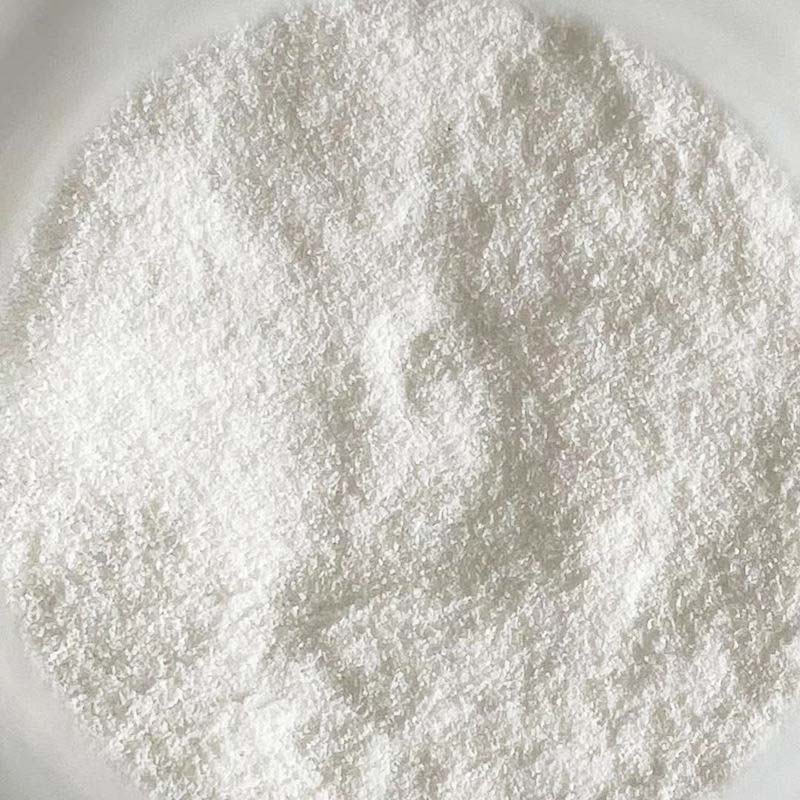
Table of Contents
- hec chemical,hec chemicals,hec chemical name,hec hydroxyethyl cellulose,hydroxy cellulose Overview
- Benefits & Use Cases of hec chemical,hec chemicals,hec chemical name,hec hydroxyethyl cellulose,hydroxy cellulose in cellulose ether
- Cost, Maintenance & User Experience
- Sustainability & Market Trends in chemical industry
- Conclusion on hec chemical,hec chemicals,hec chemical name,hec hydroxyethyl cellulose,hydroxy cellulose from Pengze Technology (Shijiazhuang) Co., Ltd.
hec chemical,hec chemicals,hec chemical name,hec hydroxyethyl cellulose,hydroxy cellulose Overview
The hec chemical name stands for Hydroxyethyl Cellulose (HEC)—a non-ionic, water-soluble cellulose ether engineered to deliver dependable thickening, stabilization, and rheology control in aqueous systems. As a cornerstone in the fine chemicals segment of the cellulose ether family, hec hydroxyethyl cellulose provides high clarity, excellent film-forming support, and predictable, shear-thinning flow that formulators rely on for paints, building materials, detergents, personal care, and oilfield fluids.
Technically, HEC is produced by ethoxylating natural cellulose to yield a uniform, free-flowing powder. Typical specifications include broad viscosity grades (e.g., 300–100,000 mPa·s at 2% Brookfield), molar substitution tuned for performance, and robust pH tolerance (approximately 2–12). Fast-wetting and surface-treated options help minimize fisheyes and shorten hydration time. In coatings, hec chemicals impart sag resistance and spatter control; in detergents, hydroxy cellulose supports anti-redeposition and consistent viscosity; in oilfield applications, it enhances suspension and fluid-loss control.
Pengze Technology (Shijiazhuang) Co., Ltd. supplies hec hydroxyethyl cellulose with consistent lot-to-lot quality, tailored viscosity windows, and application-oriented support. With reliable packaging and responsive logistics, Pengze ensures that B2B decision makers receive a hec chemical that integrates smoothly into existing processes, from lab-scale validation to full production.
Benefits & Use Cases of hec chemical,hec chemicals,hec chemical name,hec hydroxyethyl cellulose,hydroxy cellulose in cellulose ether
Within the cellulose ether portfolio, hydroxy cellulose stands out for its non-ionic compatibility and clean, predictable rheology in waterborne systems. In architectural coatings, hec chemicals provide efficient thickening, sag control, and excellent brush/roller feel while supporting color acceptance and low spatter. In building materials such as joint compounds, wall putties, and latex-modified systems, HEC improves workability, water retention, and consistency across temperature swings. In household and industrial cleaners, hec hydroxyethyl cellulose stabilizes surfactant systems and helps suspend actives and particulates. Oilfield drilling and completion fluids benefit from the polymer’s suspension stability, filtration control, and salt tolerance typical of non-ionic cellulose ethers.
Key advantages for formulators:
- Non-ionic compatibility across pigments, surfactants, and salts; broad pH stability.
- High clarity and consistent viscosity build for premium waterborne coatings.
- Shear-thinning flow for superior application feel and sag-spatter balance.
- Fast-dissolving grades that reduce mixing time and minimize fisheyes.
Pengze Technology (Shijiazhuang) Co., Ltd. leverages deep cellulose ether expertise to match viscosity grade and substitution level to the exact demands of your formulation—whether targeting KU stability in paints, slurry stability in oilfield, or pour/dispense behavior in cleaners. Their application support helps customers quickly translate lab data into production-ready, cost-effective hec chemical solutions.
Cost, Maintenance & User Experience
Total cost of ownership for hec chemical solutions hinges on more than unit price. Efficient hydration, low foaming, and stable viscosity contribute to shorter batch cycles, fewer QC deviations, and reduced rework—key drivers of ROI in fine chemicals manufacturing. By selecting optimized grades of hec hydroxyethyl cellulose, many producers realize productivity gains through faster dispersion, tighter viscosity targets, and superior line consistency across seasonal shifts.
Best practices to maximize value:
- Use a slurry pre-wet method (e.g., with glycol or a compatible non-solvent) to avoid lumping and accelerate hydration.
- Add HEC under strong vortex and allow sufficient maturation time for full viscosity development.
- Store in a cool, dry area in sealed 20–25 kg bags; protect from humidity to maintain flowability and performance.
Feedback from B2B users indicates smoother scale-up and fewer viscosity corrections when switching to Pengze’s fast-wetting, consistent hec chemicals. Packaging and support are designed for production reliability—helping plants hold KU or mPa·s targets, reduce off-spec waste, and maintain throughput without frequent reformulation. The result is a durable, low-maintenance thickening platform with strong lifecycle economics.
Sustainability & Market Trends in chemical industry
Market momentum is firmly behind waterborne, low-VOC, and more circular products—areas where hydroxy cellulose is strategically aligned. As a cellulose-derived, non-ionic polymer, HEC supports the industry shift from solvent-borne to waterborne formulations in coatings and cleaners, helping producers meet evolving regulations and brand sustainability goals. Beyond VOC and hazard labeling, buyers increasingly evaluate bio-based content, lifecycle impacts, and waste reduction across supply chains.
Regulatory frameworks—such as REACH in the EU and heightened environmental performance expectations globally—are raising the bar for documentation, traceability, and consistent quality. Pengze Technology (Shijiazhuang) Co., Ltd. positions its hec chemical portfolio to support compliance, dependable supply, and responsible manufacturing practices, including careful raw-material selection and attention to energy-efficient processing.
Looking ahead, growth is expected in waterborne coatings, construction additives, home and personal care, and oilfield fluids that demand predictable rheology and clean profiles. With technical support and responsive service, Pengze helps customers convert sustainability ambitions into practical, high-performance formulations using hec hydroxyethyl cellulose.
Conclusion on hec chemical,hec chemicals,hec chemical name,hec hydroxyethyl cellulose,hydroxy cellulose from Pengze Technology (Shijiazhuang) Co., Ltd.
For B2B decision makers seeking dependable, high-performance rheology solutions, the hec chemical name—Hydroxyethyl Cellulose—delivers the clarity, stability, and processing efficiency today’s fine chemicals and cellulose ether applications demand. Pengze Technology (Shijiazhuang) Co., Ltd. offers consistent quality, targeted grades, and practical technical support to help accelerate development and scale with confidence.
Contact us: email: ben@pezetech.com
Visit our website: https://www.pezetech.com
-
Top Guide to Selecting Professional vae emulsion manufacturersNewsApr.16,2026
-
Viscosity of HPMCNewsApr.15,2026
-
HPMC Powder UsesNewsApr.15,2026
-
Understanding VAE Emulsion for Modern Industrial CoatingsNewsApr.09,2026
-
Comprehensive Guide to Redispersible Emulsion Powder and its ApplicationsNewsApr.07,2026
-
Comprehensive Guide to Redispersible Latex Powder for Construction ApplicationsNewsApr.04,2026