HEMC for Mortars: High Water Retention & Workability?
If you work with dry-mix mortars, wall putties, or tile adhesives, you’ve definitely heard the whispers about hemc. To be honest, the buzz is justified. In the last few years, I’ve seen project teams switch cellulose-ether grades and instantly fix sag, trowelability, and open time. This product class—HEMC/MHEC/HEC/HPMC—has become the quiet engine of smooth finishes and worry-free tiles.
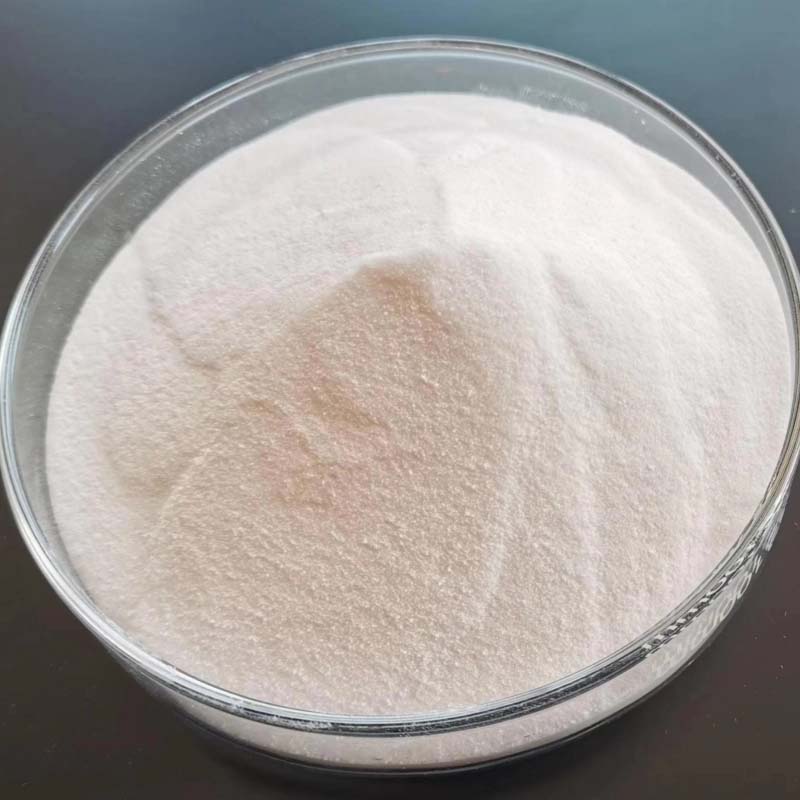
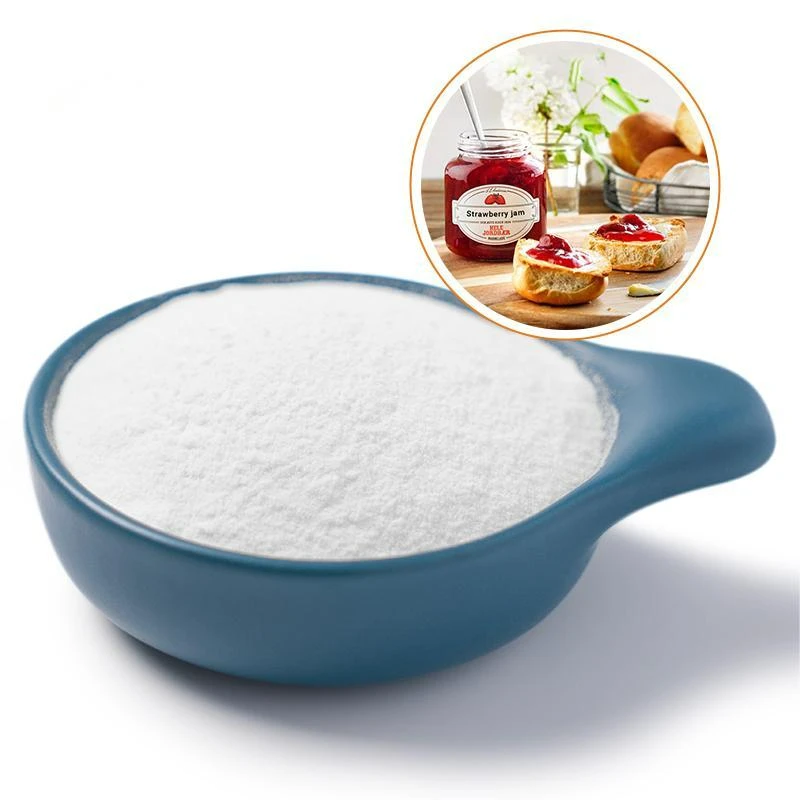
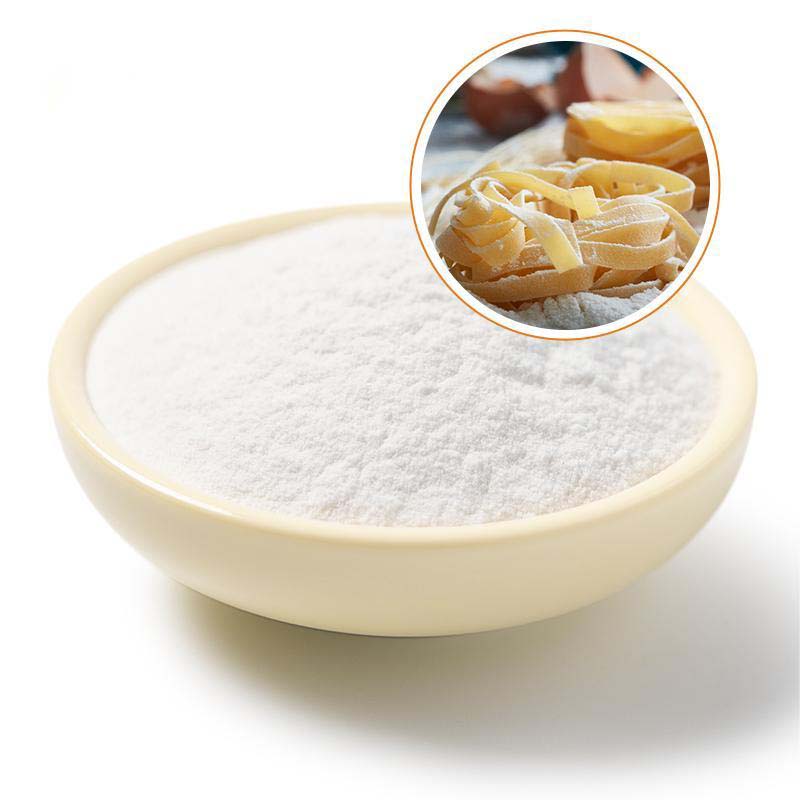
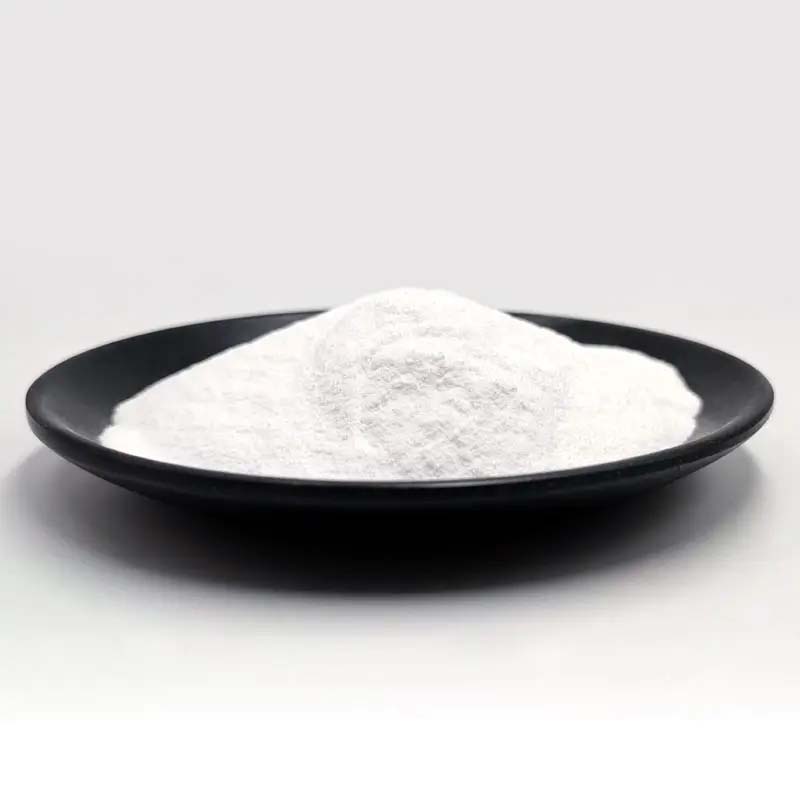
Here’s the short of it. The Building Material Hemc Mhec Hec Hpmc Wall Putty Powder Hydroxyethyl Cellulose from Pezetech (origin: 1601, Block B, New Century Diamond Plaza, No. 466 Zhongshan East Road, Chang'an District, Shijiazhuang City, Hebei Province) is an odorless, non-toxic white powder that dissolves in cold water into a clear, viscous solution. It thickens, retains water, emulsifies, disperses, and forms films—basically a Swiss Army knife for mortars. Many customers say it “saves” their mixes in hot, dry weather thanks to robust water retention.
Industry trend check
Contractors are demanding higher open time and anti-sag without sacrificing early strength. That’s where hemc/MHEC shines: stable viscosity, good mildew resistance (nice bonus in humid sites), and reliable workability across cement and gypsum systems. In fact, demand for tailored grades—surface-treated for delayed hydration, different particle sizes—keeps climbing.
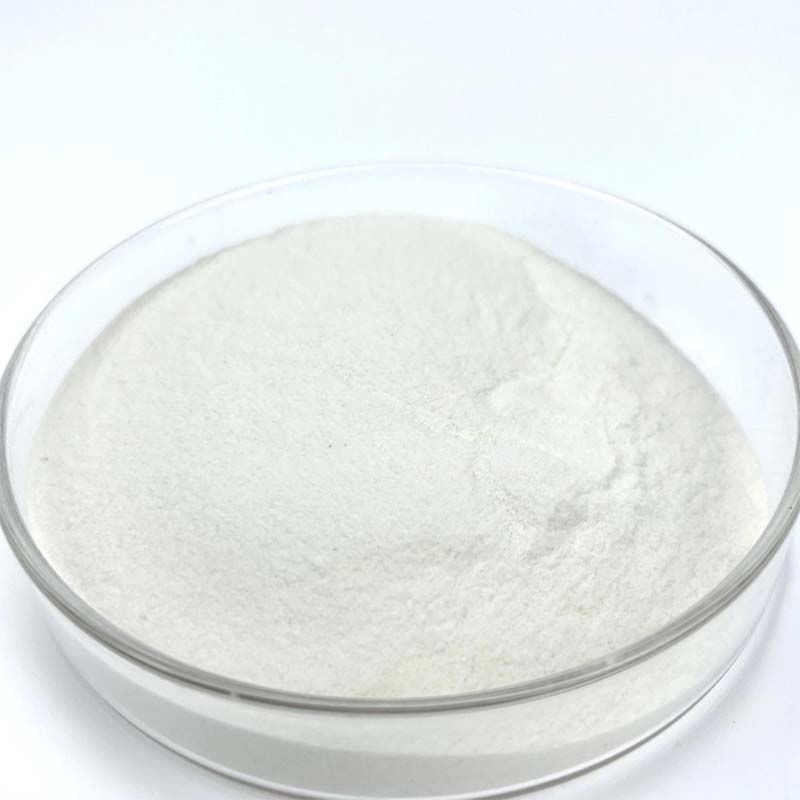
Typical specifications (indicative)
| Appearance | White to off-white powder |
| Viscosity (2% sol., Brookfield RV, 20°C) | ≈20,000–70,000 mPa·s (grade-dependent) |
| Moisture | ≤5% |
| pH (1% sol.) | 6.0–8.5 |
| Degree/Substitution (DS/MS) | Typical for MHEC/HEMC; real-world use may vary |
| Particle size | ≥98% pass 80 mesh (≈180 μm) |
| Gel temperature | ≈70–90°C |
| Shelf life | 24 months, dry/cool storage |
Where it’s used
- Wall putty/skim coat: smooth glide, reduced pinholes, longer open time.
- Tile adhesive (C1/C2): anti-slip, improved wetting, open time to meet EN 12004-1.
- Gypsum-based plasters & joint compounds: sag resistance, creamy feel.
- EIFS/ETICS basecoats, crack-fillers, repair mortars.
Process flow (how it’s made)
Refined cellulose → alkalization (NaOH) → etherification (methylating and/or hydroxyethylating reagents) → neutralization/wash → drying → milling/sieving → QC. Testing covers viscosity (ASTM D2196), moisture, ash, particle size, and fungal resistance (ASTM G21). Production is typically ISO 9001–managed; good vendors keep batch-to-batch viscosity drift tightly controlled.
Vendor comparison (quick take)
| Vendor | Origin | Lead time | Customization | Certs |
| Pezetech (this product) | Hebei, China | 7–15 days (typical) | Viscosity grade, particle size, surface treatment | ISO 9001; REACH info on request |
| Trader A | Mixed | Variable | Limited (stock grades) | Varies |
| EU Brand B | EU | 2–4 weeks | Extensive, premium pricing | ISO 9001, REACH |
Real-world performance
- Open time: easily ≥20–30 min in tile adhesive formulations (meets EN 12004-1 with proper design).
- Water retention: often >95% in putty, improving curing and adhesion.
- Workability: smoother trowel pull; crews report ≈10–15% less mixing water needed.
Case notes and feedback
A coastal resort project (SE Asia) used hemc-based wall putty; crew lead told me cracking dropped noticeably after switching—mostly thanks to higher water retention and more forgiving set in crosswinds. Another client in the Middle East upgraded to a higher-viscosity MHEC for C2TE tile adhesive; slip complaints basically vanished while keeping pot life around 2 hours, which was the brief.
Customization tips
- Choose viscosity grade to balance sag resistance vs. sanding ease.
- Ask for surface-treated hemc if you need delayed hydration for silo or premix systems.
- Match particle size to your mixer—faster wet-out reduces lumps.
Compliance and testing: specify ISO 9001 production, viscosity per ASTM D2196, fungal resistance per ASTM G21, and performance to EN 12004-1 (tile adhesives) or EN 998-1 (plasters). It seems that getting these boxes checked early avoids time-consuming jobsite debates later.
Wrap-up
If your mix needs stability, glide, and water retention without surprises, hemc/MHEC grades from a controlled process are a safe bet. Honestly, the right grade can make an average mortar feel premium.
Authoritative citations
- ISO 9001:2015 — Quality management systems.
- ASTM D2196 — Rheological Properties by Rotational Viscometer.
- EN 12004-1:2017 — Adhesives for tiles.
- ASTM G21 — Resistance of Synthetic Polymeric Materials to Fungi.
- EN 998-1 — Specification for mortar for masonry — Rendering and plastering mortar.
-
What Is VAE Powder? Complete Guide to Redispersible Polymer Powder (RDP) for ConstructionNewsApr.21,2026
-
HPMC Manufacturers in ChinaNewsApr.21,2026
-
What Is Redispersible Polymer Powder (RDP)? Complete Guide to VAE RDP for Mortar ApplicationsNewsApr.21,2026
-
Top Guide to Selecting Professional vae emulsion manufacturersNewsApr.16,2026
-
Viscosity of HPMCNewsApr.15,2026
-
HPMC Powder UsesNewsApr.15,2026