High-Purity Sodium Carboxymethyl Cellulose: Gelling & Thickening
Driving Performance: The Role of sodium carboxymethyl cellulose in Industrial Applications
In the complex landscape of industrial chemistry, the demand for versatile and high-performance additives is ever-increasing. Among these, sodium carboxymethyl cellulose, often abbreviated as CMC, stands out as a critical polymer with a wide array of applications. Its unique rheological properties, excellent water solubility, and film-forming capabilities make it indispensable across numerous sectors, from energy exploration to consumer goods. This comprehensive overview delves into the technical intricacies, market dynamics, and strategic advantages of leveraging CMC in B2B operations.
Industry Trends and Market Dynamics
The global market for CMC is experiencing robust growth, driven by expansion in key end-use industries. According to recent market analysis, the CMC market is projected to reach approximately USD 2.1 billion by 2027, growing at a CAGR of 4.5% from 2022. This growth is significantly fueled by the burgeoning oil and gas sector, particularly in enhanced oil recovery (EOR) operations, where CMC acts as an effective drilling fluid additive. Beyond oilfields, the food & beverage, pharmaceuticals, personal care (e.g., in sodium carboxymethyl cellulose in toothpaste), and construction industries also contribute substantially to demand. Manufacturers are increasingly focusing on developing tailored grades of CMC to meet specific performance requirements, emphasizing purity, viscosity, and substitution degree to optimize application efficacy. The shift towards sustainable and bio-based additives further underscores CMC's relevance, given its cellulose-derived origin.
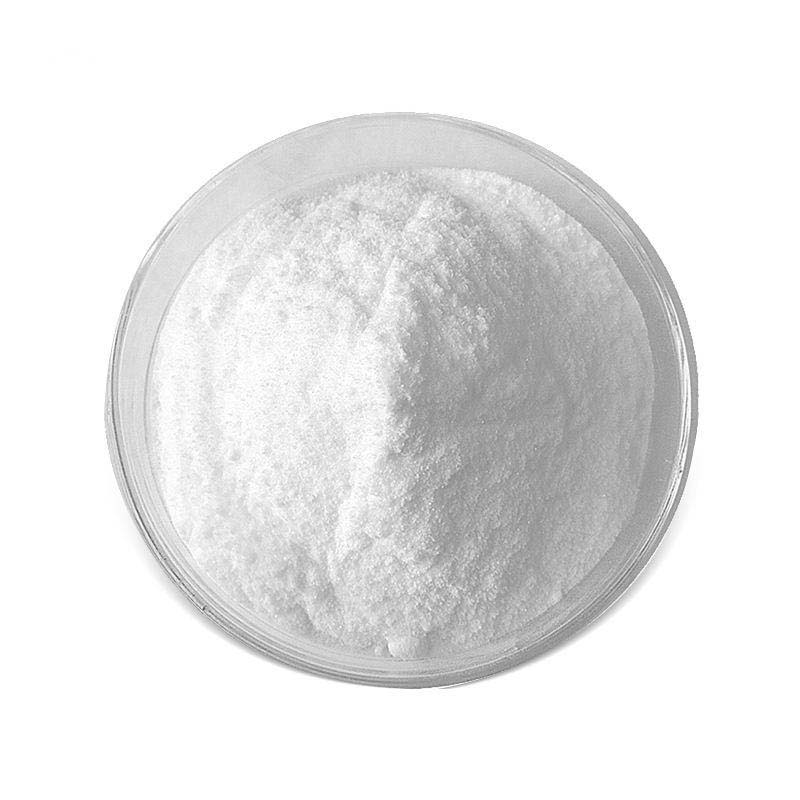
Technical Specifications and Chemical Profile of sodium carboxymethyl cellulose
Chemically, sodium carboxymethyl cellulose is an anionic, water-soluble polymer derived from cellulose. It is produced by the chemical modification of natural cellulose, typically sourced from wood pulp or cotton linters. The carboxymethyl groups (-CH2COOH) introduced along the cellulose backbone impart excellent hydrophilicity and charge, enabling it to form clear, viscous solutions in water. The key structural parameters influencing its performance are the degree of substitution (DS) and the polymerization degree (DP). DS refers to the average number of carboxymethyl groups per anhydroglucose unit, typically ranging from 0.4 to 1.5. A higher DS generally correlates with increased water solubility and transparency, while DP influences molecular weight and, consequently, solution viscosity. High-purity CMC exhibits superior stability and consistent performance across a range of pH and temperature conditions.
Distinguishing CMC from Related Cellulose Derivatives
It's crucial for technical buyers to understand the distinctions between sodium carboxymethyl cellulose and other cellulose ethers like sodium methyl cellulose or simply cellulose sodium (a less precise term often referring to the sodium salt of cellulose derivatives). While all are cellulose ethers, their substituent groups lead to different properties:
- Sodium Carboxymethyl Cellulose (CMC): Anionic due to carboxyl groups. Highly water-soluble, excellent thickening, stabilizing, and film-forming agent. pH-sensitive, with viscosity increasing with pH up to neutral.
- Methyl Cellulose (MC) / Sodium Methyl Cellulose: Non-ionic. Forms clear, viscous solutions, but unlike CMC, MC can undergo thermal gelation (gels upon heating). Its solubility can be affected by specific ion concentrations. Sodium methyl cellulose specifically refers to the sodium salt form, but the common industrial variant is methyl cellulose itself.
- Hydroxyethyl Cellulose (HEC): Non-ionic. Often used where salt tolerance and broad pH stability are required, less sensitive to electrolytes than CMC.
Understanding these differences is vital for selecting the appropriate cellulose derivative for a specific application, optimizing performance, and achieving desired product characteristics.
Manufacturing Process of sodium carboxymethyl cellulose
The production of sodium carboxymethyl cellulose involves a multi-step chemical synthesis designed to introduce carboxymethyl groups onto the cellulose backbone while maintaining polymer integrity. This process ensures high purity and consistent quality, meeting stringent industry standards such as ISO 9001 and often conforming to ANSI guidelines for specific applications.
Process Flow Overview:
- Step 1: Alkalization (Mercerization)
- Materials: High-grade cellulose pulp (wood pulp or cotton linters).
- Process: Cellulose is steeped in an alkali solution, typically concentrated sodium hydroxide (NaOH), to swell the cellulose fibers and convert them into alkali cellulose. This step activates the hydroxyl groups on the cellulose, making them more reactive for subsequent etherification.
- Step 2: Etherification (Carboxymethylation)
- Materials: Alkali cellulose, monochloroacetic acid (MCA) or its sodium salt.
- Process: The alkali cellulose is reacted with MCA in an organic solvent (e.g., ethanol or isopropanol) or in a kneader. This reaction introduces carboxymethyl groups onto the cellulose, forming sodium carboxymethyl cellulose. Precise control of temperature, reaction time, and reactant ratios is critical to achieve the desired degree of substitution (DS) and polymerization degree (DP).
- Step 3: Neutralization
- Process: After etherification, the reaction mixture is neutralized with acid (e.g., acetic acid) to adjust the pH to an optimal range, typically around 7-8, for stability and further processing.
- Step 4: Purification
- Process: The crude CMC is extensively washed with an aqueous-alcoholic solution to remove by-products such as sodium chloride, sodium glycolate, and excess reactants. This purification step is crucial for achieving high purity grades suitable for demanding applications like food, pharmaceutical, and oil drilling.
- Step 5: Drying, Grinding, and Packaging
- Process: The purified CMC is dried to a specific moisture content, then ground into a fine powder or granular form to achieve the desired particle size distribution. Finally, it is screened and packaged according to product specifications and customer requirements.
Throughout this process, stringent quality control measures are implemented, including raw material inspection, in-process analytical testing, and final product characterization against established standards. The service life of CMC, when stored properly in cool, dry conditions, typically extends for 24 months or more, maintaining its performance characteristics.
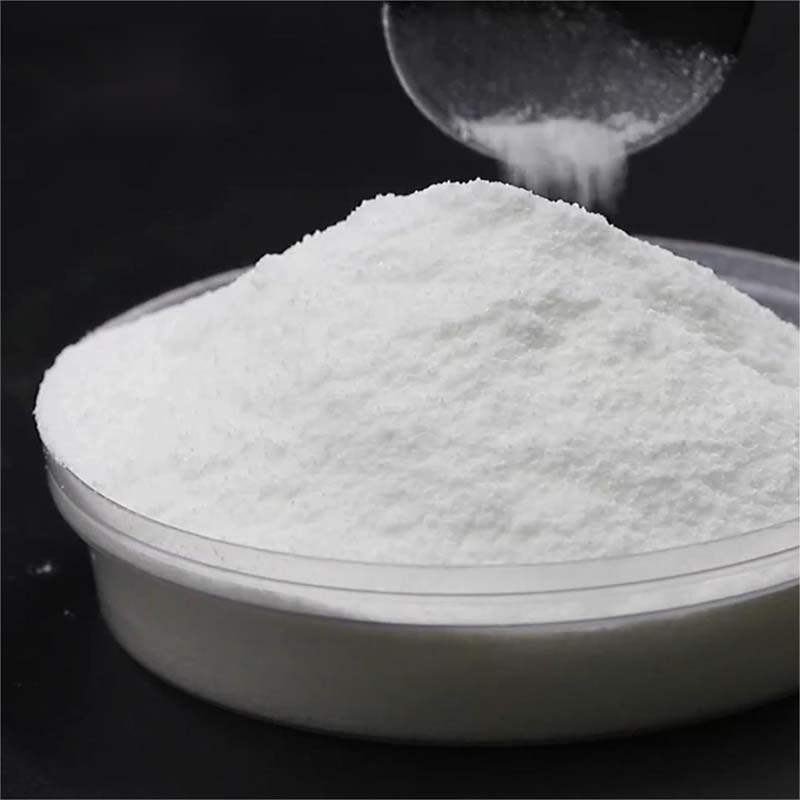
Key Application Scenarios and Target Industries
The versatility of sodium carboxymethyl cellulose makes it a cornerstone ingredient across a multitude of industries, providing solutions for thickening, binding, stabilizing, and fluid loss control.
1. Oil & Gas (Petrochemical Industry)
- Drilling Fluids: CMC is an essential additive in water-based drilling muds. It effectively controls fluid loss, stabilizes shale formations, and enhances the viscosity of the drilling fluid, crucial for carrying drill cuttings to the surface. Its pseudoplastic nature ensures minimal friction pressure during drilling operations, contributing to energy saving.
- Fracturing Fluids: In hydraulic fracturing, CMC serves as a friction reducer and proppant suspension agent, helping to optimize flow and placement of proppants in the formation.
- Enhanced Oil Recovery (EOR): As a mobility control agent, CMC can be used in polymer flooding to improve sweep efficiency and increase oil recovery from mature reservoirs.
2. Construction Industry
- Cement and Mortar: CMC acts as a water retention agent, thickener, and binder, improving workability, adhesion, and reducing cracking in cementitious materials, tile adhesives, and grouts.
- Paints and Coatings: Enhances viscosity, prevents pigment settling, and improves spreadability and film formation.
3. Food & Beverage Industry
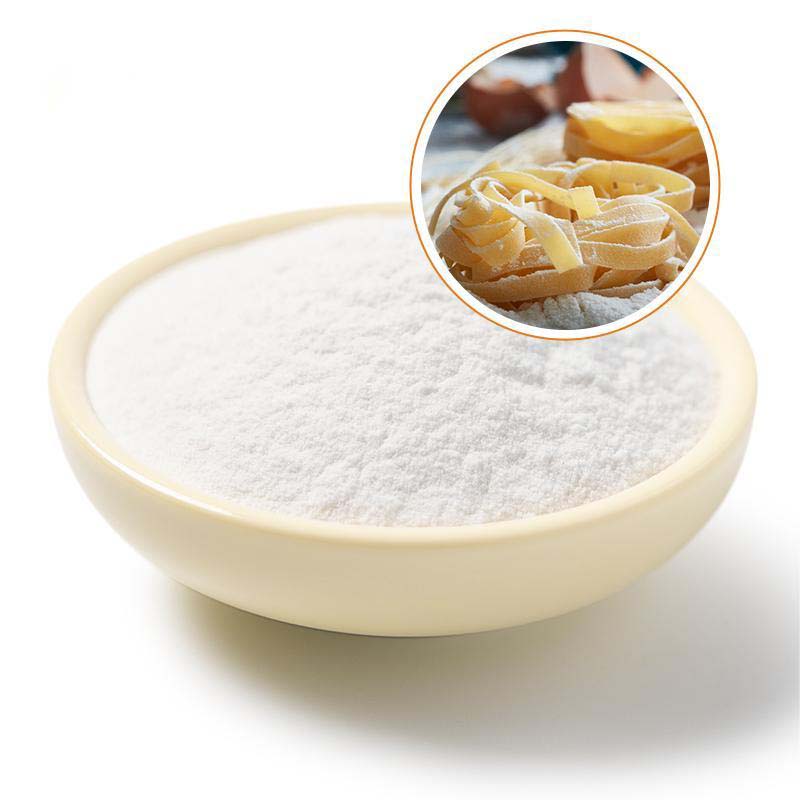
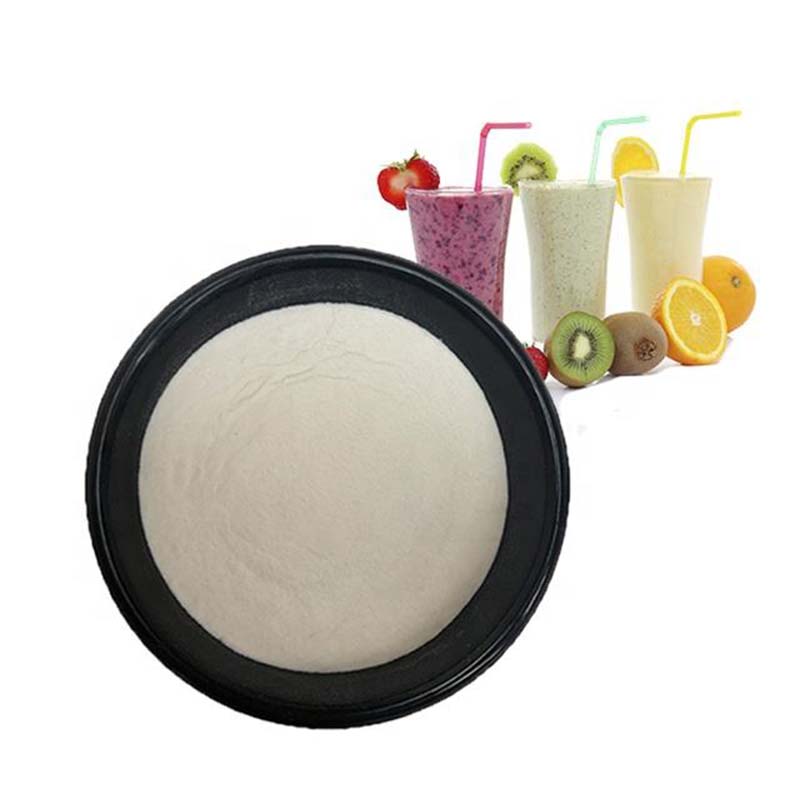
- Thickener and Stabilizer: In ice cream, sauces, dressings, and dairy products, it provides texture, prevents ice crystal formation, and stabilizes emulsions.
- Beverages: Contributes to mouthfeel and stability in fruit juices and soft drinks.
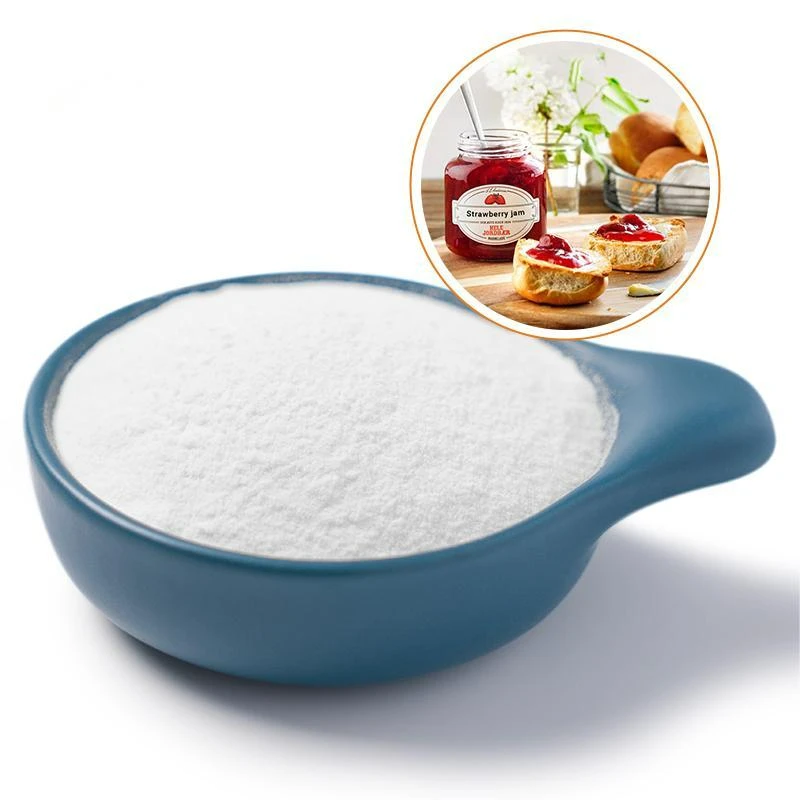
- Sodium Carboxymethyl Cellulose Gel: Used extensively in food as a gelling agent or to create specific textures, offering a desirable mouthfeel and stability in various food products.
4. Personal Care & Pharmaceuticals
- Cosmetics: Thickener in shampoos, lotions, and creams.
- Pharmaceuticals: Binder and disintegrant in tablets, viscosity modifier in liquid formulations, and an excipient in ophthalmic preparations.
- Sodium Carboxymethyl Cellulose in Toothpaste: Essential for its binding and abrasive suspension properties, providing a consistent texture and ensuring active ingredients remain evenly distributed.
Technical Advantages and Performance Enhancements
The intrinsic properties of sodium carboxymethyl cellulose translate into significant technical and operational advantages across various applications, contributing to both process efficiency and product quality.
- Superior Rheology Control: CMC exhibits pseudoplastic behavior, meaning its viscosity decreases under shear stress (e.g., pumping or mixing) and recovers when shear is removed. This property is crucial in drilling fluids for efficient cuttings transport and minimizing pump pressure, leading to energy saving.
- Excellent Fluid Loss Control: In drilling muds, CMC forms a thin, low-permeability filter cake on the borehole wall, effectively preventing the invasion of drilling fluid into permeable formations and reducing formation damage. This contributes to wellbore stability and operational safety.
- Corrosion Resistance & Inhibition: While not a primary corrosion inhibitor, CMC is often formulated to be compatible with various corrosion inhibitors, facilitating their dispersion and effectiveness without contributing to corrosive environments itself. Its stabilizing properties can help maintain the integrity of formulations that protect against corrosion.
- High Water Retention Capacity: Critical in construction materials, this property extends working time, improves hydration, and enhances bond strength.
- Versatile pH Stability: Depending on the grade, CMC can maintain its performance over a wide pH range, though its optimal viscosity is typically observed in neutral to alkaline conditions.
- Biocompatibility & Safety: Food and pharmaceutical grades of CMC are non-toxic and biocompatible, meeting stringent regulatory standards (e.g., FDA, EFSA), making them safe for ingestion and topical use.
Product Specifications and Data Visualization
Selecting the correct grade of sodium carboxymethyl cellulose is paramount for optimal performance. Key parameters include viscosity, degree of substitution (DS), purity, and particle size. Below is a representative specification table for different industrial grades of CMC, demonstrating the range of properties available.
Representative Sodium Carboxymethyl Cellulose (CMC) Specifications
This table illustrates how specific grades are formulated to cater to distinct application requirements. For instance, high-viscosity (HV) drilling grade CMC is optimized for maximum fluid loss control and rheology modification in oilfield operations, while low-viscosity (LV) grades might be preferred where less thickening is required but fluid loss control remains essential. Food-grade CMC adheres to strict purity standards for consumption.
Vendor Comparison and Customized Solutions
When procuring sodium carboxymethyl cellulose, B2B buyers must evaluate vendors based on several critical criteria beyond just price. Quality consistency, technical support, supply chain reliability, and the ability to provide customized solutions are paramount.
Key Factors for Vendor Evaluation:
- Certifications and Quality Control: Look for ISO 9001, ISO 14001, and industry-specific certifications (e.g., API for oilfield chemicals, HACCP/Kosher/Halal for food grades). Robust internal QC processes are indicative of consistent product quality.
- Technical Expertise: A reputable vendor should offer comprehensive technical data sheets, application guides, and expert support to assist in product selection and troubleshooting.
- Production Capacity & Supply Chain: Assess the vendor's ability to meet your volume requirements reliably, with efficient logistics and contingency plans. Our partnerships with leading logistics providers ensure timely delivery globally.
- R&D Capabilities: Vendors with strong R&D can offer innovative solutions and adapt to evolving industry needs.
Customized Solutions
Recognizing that off-the-shelf products may not always meet unique application demands, leading manufacturers offer bespoke CMC formulations. This includes tailoring parameters such as:
- Degree of Substitution (DS): Modifying DS can fine-tune solubility, salt tolerance, and gelling behavior.
- Molecular Weight/Viscosity: Customizing the polymer chain length to achieve specific rheological profiles for particular fluid systems.
- Particle Size Distribution: Optimizing dissolution rates and dispersion characteristics for different mixing equipment and application methods.
- Purity Levels: Offering ultra-high purity grades for sensitive applications like pharmaceuticals or specialty chemicals.
By collaborating with clients, we leverage our expertise in cellulose chemistry to develop `sodium carboxymethyl cellulose` variants that precisely match operational requirements, enhancing performance and cost-efficiency.
Application Case Studies and Customer Experience
Real-world application demonstrates the tangible benefits of high-quality sodium carboxymethyl cellulose. Our extensive experience, spanning over 15 years in the chemical industry, includes partnering with major global enterprises to optimize their processes and products.
Case Study 1: Enhanced Drilling Efficiency in Offshore Operations
A leading offshore drilling contractor faced significant challenges with fluid loss and shale instability in deepwater wells, leading to increased non-productive time (NPT) and higher operational costs. Upon our recommendation, they switched to a custom-formulated, high-purity HV-CMC grade. Test data showed a remarkable 30% reduction in filtration loss and a 15% improvement in wellbore stability compared to their previous additive. The contractor reported a significant decrease in differential sticking incidents and improved drilling rates, ultimately leading to substantial cost savings and enhanced operational safety. "The consistent quality and technical support from PezeTech was instrumental in overcoming our drilling fluid challenges," stated their Drilling Operations Manager.
Case Study 2: Optimized Tile Adhesive Performance for a Construction Giant
A multinational construction materials manufacturer sought to improve the open time and anti-sag properties of their premium tile adhesives without compromising bond strength. Through a series of trials and close collaboration, we developed a specialized CMC grade with an optimized DS and molecular weight. This customized solution allowed their tile adhesive to maintain excellent workability for longer periods, reducing material waste, and significantly improved the adhesive's ability to hold heavy tiles without slippage, even in vertical applications. The product received excellent feedback from applicators for its ease of use and superior performance. "Our partnership has resulted in a market-leading product that sets new standards for tile adhesion," commented their R&D Director.
Trustworthiness, Support, and Logistics
Authoritative Certifications and Quality Assurance
Our commitment to quality is underscored by our adherence to international standards. Our manufacturing facilities operate under strict ISO 9001:2015 quality management systems and ISO 14001:2015 environmental management systems. Product-specific certifications such as API 13A for drilling fluids and various food-grade accreditations (e.g., HACCP, Kosher, Halal for relevant grades) ensure that our products meet the highest industry and regulatory benchmarks. Regular audits by third-party bodies validate our processes and product consistency.
Frequently Asked Questions (FAQ)
- Q: How does sodium carboxymethyl cellulose differ from other cellulose ethers?
A: CMC is anionic, leading to excellent water solubility, thickening, and fluid loss control properties across a broad pH range. Other ethers like methyl cellulose (MC) are non-ionic and may exhibit different thermal gelling behaviors or salt sensitivities. The carboxyl groups in CMC impart distinct charge-based interactions. - Q: What is the typical lead time for an order?
A: Standard product orders typically have a lead time of 15-20 business days, depending on volume and destination. For customized solutions, lead times will be provided after detailed specification finalization, usually ranging from 30-45 business days. Expedited shipping options are available upon request. - Q: What is your warranty policy?
A: We offer a 12-month warranty from the date of shipment, guaranteeing that our products meet specified technical parameters and are free from manufacturing defects, provided they are stored and handled according to our recommendations. Our comprehensive quality assurance ensures product integrity. - Q: Do you offer technical support for application development?
A: Absolutely. Our team of experienced chemists and application engineers provides extensive technical support, including product selection guidance, formulation advice, and troubleshooting. We also offer laboratory testing and pilot runs for custom formulations.
Lead Time & Fulfillment
We maintain strategic inventory levels and operate multiple production lines to ensure efficient order fulfillment. Our global logistics network facilitates prompt and reliable delivery to your specified locations, adhering to agreed-upon lead times. We provide detailed tracking and communication throughout the shipping process.
After-Sales Support and Partnership Approach
Our commitment extends beyond product delivery. We provide comprehensive after-sales support, including performance monitoring, on-site technical assistance, and continuous product improvement based on customer feedback and evolving market demands. We view our clients as long-term partners, dedicated to fostering mutual success through consistent quality and unparalleled service.
Conclusion
As a multifunctional polymer, sodium carboxymethyl cellulose remains a cornerstone ingredient for enhancing performance across diverse industrial applications. Its proven efficacy in rheology modification, fluid loss control, and stabilization offers tangible advantages in sectors ranging from petrochemicals to food and pharmaceuticals. By understanding its technical specifications, manufacturing intricacies, and the potential for customized solutions, B2B decision-makers can strategically leverage CMC to optimize product quality, improve process efficiency, and achieve sustainable competitive advantages.
Our dedication to superior product quality, rigorous testing standards, and comprehensive customer support ensures that clients receive not just a chemical product, but a reliable solution backed by expertise and a commitment to long-term partnership.
References
- MarketsandMarkets. (2022). Carboxymethyl Cellulose Market - Global Forecast to 2027.
- Food and Drug Administration (FDA). (2023). Title 21 - Food and Drugs.
- International Organization for Standardization (ISO). (2015). ISO 9001:2015 Quality management systems — Requirements.
- American Petroleum Institute (API). (2020). API Specification 13A: Drilling Fluid Materials.
- European Food Safety Authority (EFSA). (2017). Re-evaluation of sodium carboxymethyl cellulose (E 466) as a food additive.
-
What Is VAE Powder? Complete Guide to Redispersible Polymer Powder (RDP) for ConstructionNewsApr.21,2026
-
HPMC Manufacturers in ChinaNewsApr.21,2026
-
What Is Redispersible Polymer Powder (RDP)? Complete Guide to VAE RDP for Mortar ApplicationsNewsApr.21,2026
-
Top Guide to Selecting Professional vae emulsion manufacturersNewsApr.16,2026
-
Viscosity of HPMCNewsApr.15,2026
-
HPMC Powder UsesNewsApr.15,2026