High-Quality Hydroxypropyl Starch Ether | CAS 9049 76 7
Understanding Hydroxypropyl Starch Ether (HPS): CAS 9049 76 7
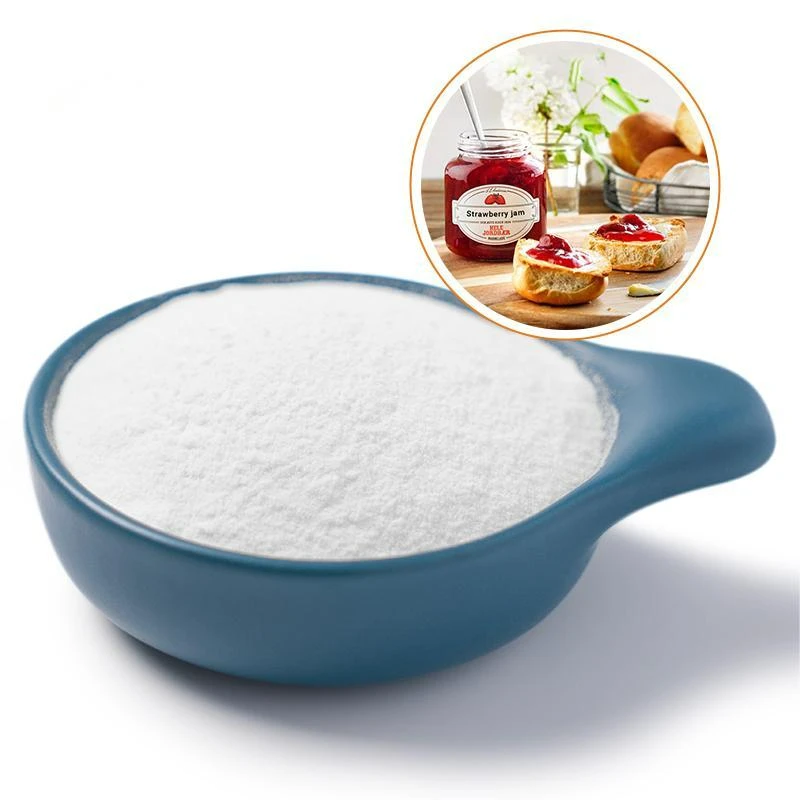
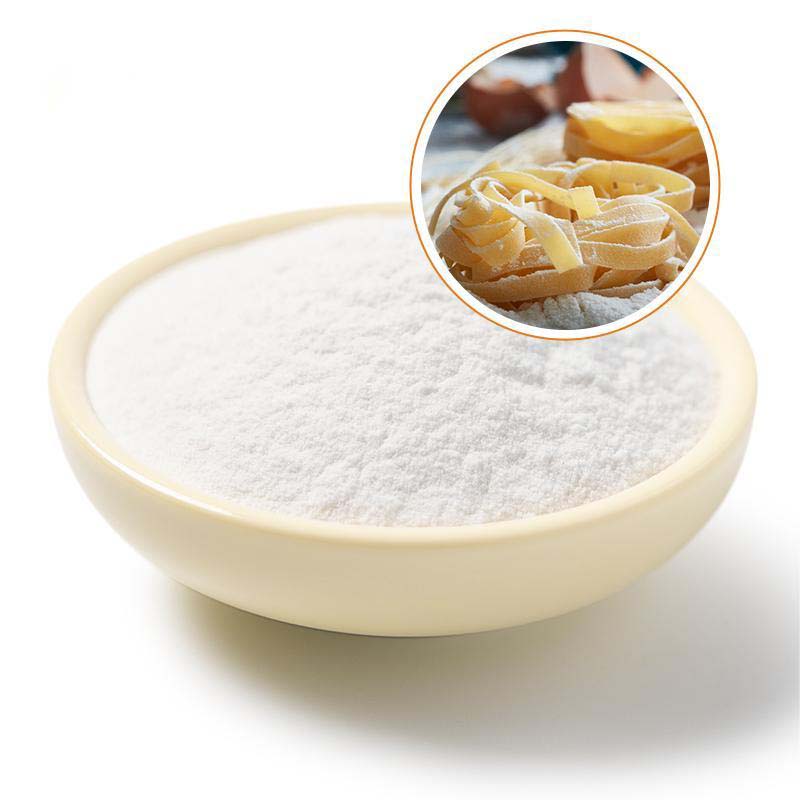
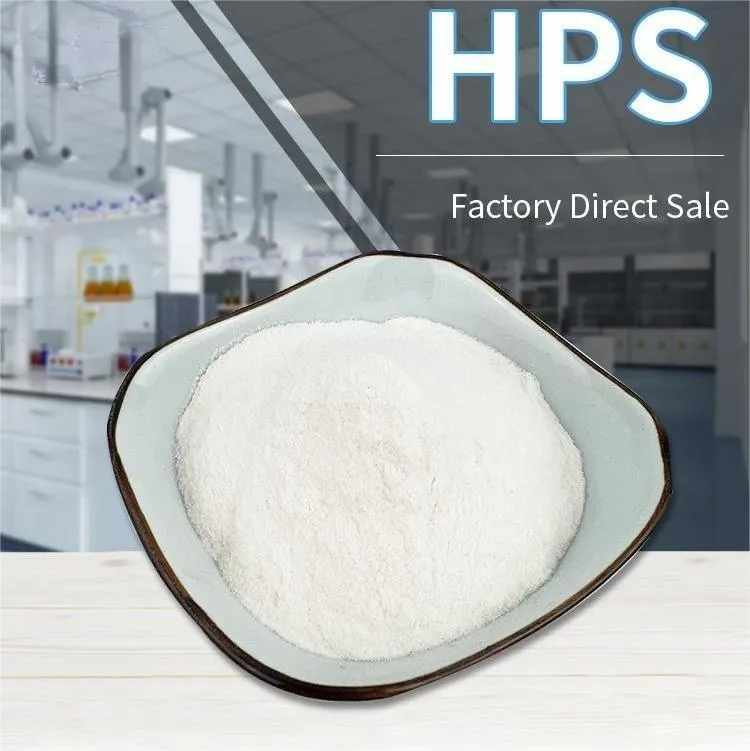
Hydroxypropyl Starch Ether (HPS), identified by its CAS number 9049 76 7, is a crucial modified starch derivative widely employed across various industrial sectors, particularly in the food industry. This non-ionic starch ether is synthesized through the etherification of natural starch with propylene oxide, leading to enhanced functional properties such as improved thickening, emulsification, and stabilization capabilities. In the food sector, HPS acts as an effective thickener, stabilizer, and emulsifier, contributing to the desired texture, consistency, and shelf-life of numerous products. Its exceptional resistance to enzymatic degradation, shear, and freeze-thaw cycles makes it a preferred choice over native starches for demanding applications. Our focus here is on its technical specifications, manufacturing intricacies, and diverse applications, particularly emphasizing its role as Hydroxypropyl Starch Ether Used In Food Industry.
The strategic integration of hydroxypropyl starch in food formulations addresses challenges related to viscosity control, water retention, and mouthfeel enhancement. Its adoption signifies a commitment to advanced ingredient solutions that meet stringent quality and performance criteria.
Detailed Manufacturing Process Flow of Hydroxypropyl Starch Ether
The production of 9049 76 7 involves a precise chemical modification of native starch, typically derived from corn, potato, or tapioca. This multi-stage process ensures a consistent, high-quality end product tailored for industrial applications.
- Raw Material Preparation: Native starch slurry is prepared by mixing starch with water. The quality of the base starch (e.g., potato starch for its higher amylose content) is critical, influencing the final product's properties.
- Alkalization: The starch slurry is treated with an alkaline catalyst (e.g., sodium hydroxide). This swelling step facilitates the penetration of the etherifying agent into the starch granules, enhancing reactivity.
- Etherification (Hydroxypropylation): Propylene oxide is introduced into the alkaline starch slurry under controlled temperature and pressure. During this critical stage, hydroxypropyl groups are chemically grafted onto the anhydroglucose units of the starch molecule, primarily at the C-2, C-3, and C-6 hydroxyl positions. The degree of substitution (DS) is carefully managed to achieve desired functionalities.
- Neutralization: After the reaction, the pH of the mixture is adjusted to a neutral or slightly acidic range using acids like acetic acid or hydrochloric acid, halting the etherification and preventing starch degradation.
- Washing and Purification: The modified starch is thoroughly washed to remove residual reactants, salts, and by-products. This purification step is vital, especially for food-grade products, ensuring compliance with strict regulatory standards (e.g., FDA 21 CFR 172.892, EU Regulation (EC) No 1333/2008). Advanced filtration and centrifugation techniques are often employed.
- Drying: The purified hydroxypropyl starch slurry is then dewatered and dried using methods like spray drying or flash drying to achieve the desired moisture content and powder form. This optimizes storage stability and handling.
- Milling and Sieving: The dried product is milled to a fine powder and sieved to ensure uniform particle size distribution, which is critical for consistent performance in various applications.
- Quality Control and Packaging: Each batch undergoes rigorous testing against ISO (e.g., ISO 22000 for food safety), ANSI, and internal proprietary standards for parameters such as degree of substitution, viscosity, pH, moisture content, and microbial purity. Only products meeting stringent specifications are packaged for distribution.
This meticulous process ensures that the resulting hydroxypropyl starch ether exhibits superior stability, functionality, and safety for its target industries, including the diverse segments of the food industry where it is utilized for energy saving due to improved process efficiency and enhanced corrosion resistance in food contact materials indirectly via stable food matrices.
Industry Trends and Market Outlook for Hydroxypropyl Starch Ether
The market for hydroxypropyl starch ether, including products under 9049 76 7, is experiencing robust growth driven by several key trends. Increasing consumer demand for convenience foods, dairy alternatives, and plant-based products fuels the need for high-performance texturizers and stabilizers. The trend towards 'clean label' ingredients also impacts formulation strategies, prompting producers to innovate and offer solutions that align with these consumer preferences while maintaining excellent functionality.
- Clean Label Movement: While modified starches are generally accepted, research into naturally derived or minimally processed alternatives continues. However, the superior functional benefits of HPS often outweigh these concerns for specific applications.
- Plant-Based Product Growth: The surge in vegan and vegetarian diets creates a significant demand for ingredients that can replicate the textural properties of animal-derived products, where HPS excels as a thickener and stabilizer.
- Functional Foods: HPS contributes to the development of functional foods by providing desirable textures to formulations rich in fibers, proteins, or other nutraceuticals, ensuring consumer acceptance.
- Cost-Effectiveness and Performance: As a cost-effective alternative to some hydrocolloids, hydroxypropyl starch offers excellent performance, making it an attractive option for manufacturers optimizing their formulations without compromising quality. The global hydroxypropyl starch ether market size was valued at USD 1.8 billion in 2022 and is projected to grow at a CAGR of 5.5% from 2023 to 2030 (Grand View Research).
Technical Specifications and Properties of Hydroxypropyl Starch Ether
The performance of 9049 76 7 is defined by its precise technical specifications, which dictate its suitability for various industrial uses, particularly in sensitive applications like food production. Key parameters include degree of substitution (DS), viscosity, pH, and particle size.
| Property | Typical Specification | Method / Standard |
|---|---|---|
| CAS Number | 9049-76-7 | N/A |
| Degree of Substitution (DS) | 0.05 - 0.20 | Titration / NMR |
| Viscosity (2% solution, 25°C) | 100 - 5000 mPa·s (adjustable) | Brookfield Viscometer |
| Moisture Content | ≤ 10.0% | Oven Drying Method (ISO 1666) |
| pH (2% solution) | 5.0 - 8.0 | pH Meter |
| Particle Size (through 100 mesh) | ≥ 98% | Sieve Analysis (ASTM E11) |
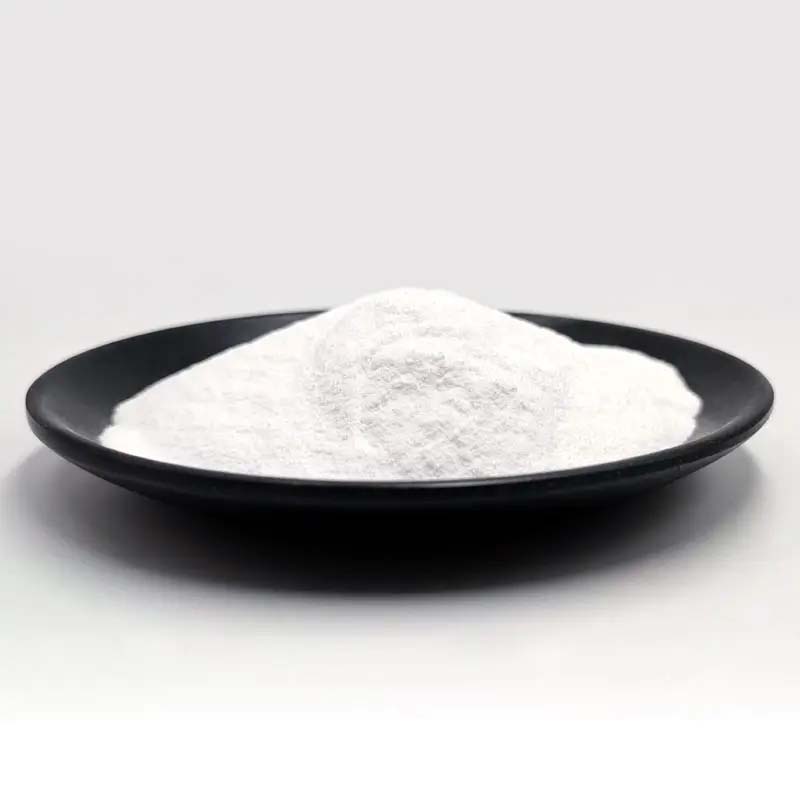
| Appearance | White to Off-White Powder | Visual Inspection |
| Arsenic (as As) | ≤ 3 ppm | ICP-MS (Food Grade Standard) |
| Lead (as Pb) | ≤ 2 ppm | ICP-MS (Food Grade Standard) |
The functional properties of hydroxypropyl starch include exceptional water retention capacity, improved film-forming capabilities, and enhanced resistance to retrogradation, which contributes to the shelf stability of food products. Its unique structural modification, driven by the propylene oxide substitution, results in a starch derivative with excellent cold-water solubility and shear stability, crucial for industrial processing.
Key Application Scenarios for Hydroxypropyl Starch Ether Used In Food Industry
Hydroxypropyl Starch Ether (HPS) finds extensive utility in the food industry due to its versatile rheological and stabilizing properties. Its ability to create stable emulsions, control viscosity, and prevent syneresis makes it indispensable across various food categories.
- Baked Goods: In bread, cakes, and pastries, HPS improves dough rheology, enhances water retention, extends shelf life, and provides a softer crumb texture. It can also reduce fat content while maintaining desirable mouthfeel.
- Sauces and Dressings: As a thickening and stabilizing agent, hydroxypropyl starch ensures consistent viscosity, prevents phase separation, and improves emulsion stability in products like mayonnaise, ketchup, and gravies.
- Dairy Products: In yogurts, desserts, and ice creams, hydroxypropyl starch prevents ice crystal formation, enhances creaminess, and provides excellent body and texture without a starchy aftertaste. It is particularly valuable in low-fat or dairy-free alternatives.
- Processed Meats and Seafood: HPS improves water binding capacity, reduces cooking loss, and enhances texture and slicing properties in products like sausages, ham, and surimi.
- Confectionery: In candies and chewing gums, it can act as a gelling agent, texture modifier, and anti-sticking agent, contributing to improved chewiness and shelf stability.
- Soups and Convenience Foods: HPS provides instant thickening, excellent heat stability, and freeze-thaw stability, making it ideal for ready-to-eat meals, canned soups, and frozen dinners.
Technical Advantages and Performance Enhancements
The technical advantages of using 9049 76 7, or hydroxypropyl starch ether, are multifaceted, providing significant improvements over native starches and even some other hydrocolloids. These advantages translate directly into enhanced product quality, processing efficiency, and cost optimization for B2B clients.
- Exceptional Stability: HPS offers superior stability under various challenging conditions including high shear, acidic pH, high temperatures, and freeze-thaw cycles. This prevents viscosity breakdown and syneresis, ensuring consistent product performance throughout its shelf life.
- Improved Water Retention: Its enhanced water-binding capacity significantly reduces water migration in food systems, leading to better moisture control in baked goods, improved texture in dairy products, and extended freshness.
- Enhanced Texture and Mouthfeel: HPS imparts a smooth, creamy texture and pleasant mouthfeel, often without the stickiness or gummy sensation associated with other thickeners. It can mimic the texture of fat in reduced-fat formulations.
- Process Efficiency: Rapid hydration and cold-water solubility simplify processing, reducing mixing times and energy consumption. Its predictable rheology allows for tighter process control and reduced waste.
- Versatile Functionality: Beyond thickening, it acts as an effective emulsifier, stabilizer, and binder, allowing for multifunctional use in complex formulations and potentially reducing the number of ingredients required.
- Broad Compatibility: Hydroxypropyl starch is compatible with a wide range of other food ingredients, enabling flexible formulation development.
Vendor Comparison for Hydroxypropyl Starch Ether Suppliers
Choosing the right hydroxypropyl starch ether suppliers is crucial for ensuring consistent quality, reliable supply, and competitive pricing. A thorough vendor comparison should extend beyond just cost, encompassing quality assurance, technical support, and customization capabilities.
| Evaluation Criterion | Key Considerations | Our Commitment |
|---|---|---|
| Product Quality & Consistency | Adherence to international standards (ISO, FDA, EU), batch-to-batch consistency, raw material sourcing, heavy metal limits for food-grade sodium hydroxypropyl starch phosphate or ether. | ISO 22000 & HACCP certified; stringent QC protocols for every batch; transparent CoA. |
| Technical Support & Expertise | Availability of R&D support, formulation assistance, troubleshooting, deep understanding of specific application challenges for cas 9049 76 7. | Dedicated technical team with extensive food science expertise; laboratory for application testing and optimization. |
| Customization Capabilities | Ability to tailor DS, viscosity, and particle size to meet unique product requirements. | Flexible production lines and R&D for bespoke HPS solutions. |
| Supply Chain Reliability | Robust logistics, consistent lead times, contingency plans, global distribution network. | Established global network, strategic warehousing, optimized lead times. |
| Pricing & Value | Competitive pricing, volume discounts, long-term contract benefits, total cost of ownership (TCO). | Transparent pricing structures, value-driven solutions, long-term partnership focus. |
Customized Solutions for Specific Food Formulations
Recognizing that no two food formulations are identical, we specialize in providing tailored hydroxypropyl starch solutions. Our R&D team works closely with clients to understand their specific textural, stability, and processing requirements, developing custom grades of HPS that perfectly match their needs. This involves modifying parameters such as the degree of substitution, molecular weight, viscosity profile, and even the source of native starch (e.g., corn, potato, tapioca) to achieve optimal performance.
For instance, a client developing a high-protein, low-pH yogurt alternative might require a specific HPS variant that provides excellent acid stability and creamy mouthfeel, while a bakery manufacturer might need a starch ether optimized for crumb softness and anti-staling properties in gluten-free bread. Our capability to fine-tune these specifications ensures that our clients receive the most effective and efficient ingredient solutions, often leading to reduced formulation costs and faster product development cycles.
Application Case Studies: Hydroxypropyl Starch Ether in Action
Real-world applications demonstrate the tangible benefits of incorporating 9049 76 7 into food formulations.
Case Study 1: Enhanced Stability in Dairy-Free Yogurts
A leading plant-based dairy manufacturer faced challenges with syneresis and inconsistent texture in their coconut milk-based yogurt. After consultation, a customized high-viscosity grade of hydroxypropyl starch ether was integrated into their formulation. The result was a significantly improved product with enhanced creaminess, reduced water separation, and a longer shelf life under refrigerated conditions. Customer feedback highlighted the 'luxurious mouthfeel' and 'stable consistency' even after several weeks.
Case Study 2: Optimized Texture in Gluten-Free Bakery Products
A specialist gluten-free bakery struggled to achieve the desired softness and moistness in their gluten-free bread, often resulting in crumbly textures. By replacing a portion of their existing hydrocolloid blend with a specific grade of hydroxypropyl starch ether, they observed a remarkable improvement. The HPS helped to retain moisture, impart elasticity, and significantly reduce staling, leading to a product that mirrored the quality of traditional wheat-based bread. This directly translated to a 15% increase in customer satisfaction ratings and repeat purchases.
Case Study 3: Viscosity Control in Savory Sauces
A large-scale producer of ready-to-use savory sauces needed a thickening agent that could withstand rigorous retort processing without losing viscosity or developing an undesirable texture. Our food-grade sodium hydroxypropyl starch phosphate (a related modified starch) or specifically tailored HPS was provided, engineered for high heat and shear stability. The solution delivered consistent viscosity across batches, prevented sedimentation of solids, and maintained a smooth, appealing texture after thermal processing, enhancing product quality and consumer appeal.
Quality Assurance, Certifications, and Authoritativeness
Our commitment to excellence in producing 9049 76 7 is underscored by rigorous quality assurance protocols and adherence to global industry standards. We understand that for B2B clients, especially in the food industry, certifications and a robust quality management system are non-negotiable.
- Certifications: Our production facilities are ISO 9001:2015 certified for quality management and ISO 22000:2018 certified for food safety management. Additionally, our products comply with HACCP principles and relevant regulatory guidelines from authorities like the FDA (e.g., 21 CFR 172.892 for food starch-modified) and European Food Safety Authority (EFSA), ensuring our hydroxypropyl starch ether meets stringent food-grade requirements.
- Partner Clients & Years of Service: We have proudly served leading food manufacturers globally for over two decades, establishing ourselves as a trusted supplier of high-performance modified starches. Our long-standing relationships with key industry players are a testament to our consistent product quality and reliable service.
- Test Data & Chart-Based Analysis: Comprehensive Certificates of Analysis (CoA) accompany every shipment, detailing critical parameters like viscosity, pH, moisture content, and microbial purity. Our in-house laboratories utilize advanced analytical techniques, including rheometry and DSC (Differential Scanning Calorimetry), to provide data-driven insights into product performance and stability, offering unparalleled transparency to our clients.
Our dedication to quality and safety ensures that every batch of hydroxypropyl starch ether delivered meets the highest standards, building trust and confidence with our partners.
Frequently Asked Questions (FAQ) about Hydroxypropyl Starch Ether
- Q1: What is the primary function of hydroxypropyl starch ether in food products?
- A1: It primarily acts as a thickener, stabilizer, and emulsifier, improving texture, preventing syneresis, and enhancing the overall stability and shelf-life of various food formulations.
- Q2: Is 9049 76 7 considered a 'clean label' ingredient?
- A2: While it is a modified starch, its usage is widely accepted in many regions and generally considered safe by food regulatory bodies. 'Clean label' perception varies, but its functional benefits are often preferred over alternatives, and some producers offer specific grades meeting 'cleaner' standards.
- Q3: Can Hydroxypropyl Starch Ether replace other hydrocolloids like guar gum or xanthan gum?
- A3: In many applications, HPS can partially or entirely replace other hydrocolloids due to its excellent thickening and stabilizing properties, often providing a smoother texture and better processability. However, the optimal replacement ratio depends on the specific food system and desired outcome.
- Q4: What is the shelf life of your Hydroxypropyl Starch Ether?
- A4: Typically, our HPS products have a shelf life of 24 months when stored in original, unopened packaging in a cool, dry place away from direct sunlight and moisture.
Lead Time, Warranty, and After-Sales Support
We are committed to providing exceptional service and support to our B2B partners. Our operational framework is designed for efficiency, reliability, and complete customer satisfaction.
- Lead Time & Fulfillment: Standard lead times for hydroxypropyl starch ether range from 2-4 weeks, depending on order volume and specific customization requirements. We maintain strategic stock levels and operate with a robust global logistics network to ensure timely delivery. For urgent requirements or large-scale projects, we offer expedited fulfillment options upon request.
- Warranty Commitments: All our products, including cas 9049 76 7, are guaranteed to meet the specifications outlined in their respective Certificates of Analysis (CoA) and comply with all applicable food safety regulations. In the unlikely event of a product quality issue, our dedicated support team will investigate promptly and provide appropriate resolutions, including replacement or credit, in accordance with our terms and conditions.
- Customer Support: Our expert customer support and technical service teams are available to assist with product selection, application guidance, troubleshooting, and post-delivery inquiries. We offer multilingual support and aim for rapid response times to ensure minimal disruption to our clients' operations. Our commitment extends beyond the sale, fostering long-term partnerships built on trust and mutual success.
References
- Food and Drug Administration. 21 CFR 172.892. Food Starch-Modified.
- European Food Safety Authority. EU Regulation (EC) No 1333/2008 on food additives.
- Grand View Research. Hydroxypropyl Starch Ether Market Size, Share & Trends Analysis Report.
- International Organization for Standardization. ISO 22000:2018 Food safety management systems.
- Ratnayake, W. S., & Jackson, D. S. (2007). Starch Gelatinization. Advances in Food and Nutrition Research, 52, 221-267.
-
What Is VAE Powder? Complete Guide to Redispersible Polymer Powder (RDP) for ConstructionNewsApr.21,2026
-
HPMC Manufacturers in ChinaNewsApr.21,2026
-
What Is Redispersible Polymer Powder (RDP)? Complete Guide to VAE RDP for Mortar ApplicationsNewsApr.21,2026
-
Top Guide to Selecting Professional vae emulsion manufacturersNewsApr.16,2026
-
Viscosity of HPMCNewsApr.15,2026
-
HPMC Powder UsesNewsApr.15,2026