Hydroxyethyl Cellulose For Paint – Industrial Benefits & Sustainable Solutions | Pezetech
Hydroxyethyl Cellulose For Paint is a key solution in the industry, specifically within coatings and adhesives manufacturing. This article explores how Pezetech supports professionals with durable, high-performance products, and explains why this product is an ideal choice for businesses in these sectors.
Table of Contents
- Hydroxyethyl Cellulose For Paint Overview
- Benefits & Use Cases of Hydroxyethyl Cellulose For Paint
- Cost, Maintenance & User Experience
- Sustainability & Market Trends
Hydroxyethyl Cellulose For Paint Overview
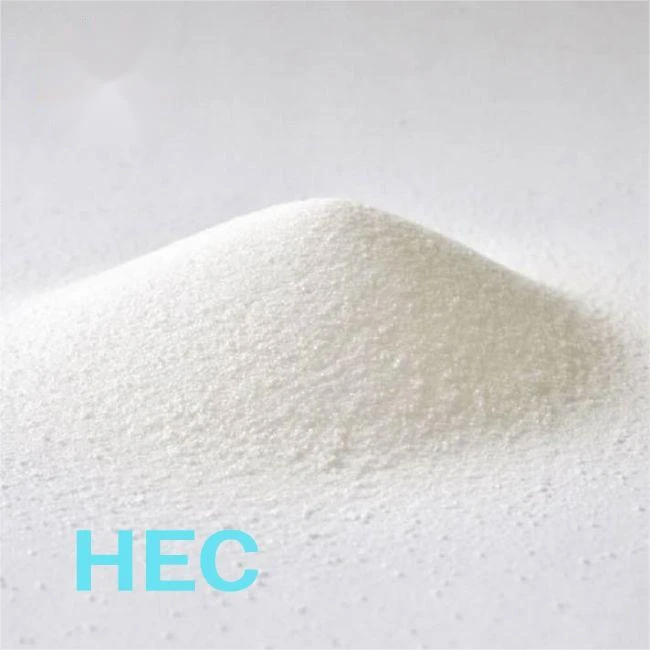
Hydroxyethyl Cellulose (HEC) is a water-soluble polymer derived from cellulose, widely used as a thickener, binder, and stabilizer in paint formulations. It plays a crucial role in enhancing paint's viscosity and film formation without affecting drying times drastically. Oddly enough, despite being such a behind-the-scenes ingredient, it shapes how paint behaves — from brushing smoothness to final resistance.
Technically, HEC functions by forming a colloidal network in aqueous solutions, offering rheology control that prevents sagging or dripping on vertical surfaces. Pezetech's HEC grades are engineered to fit diverse paint types — from acrylic emulsions to oil-based systems. One recent case study showed how a mid-sized paint manufacturer improved shelf stability and film uniformity by incorporating Pezetech’s HEC, cutting waste by 15%. This practical performance has made it a go-to additive in the sector.
| Product Specification | Details |
|---|---|
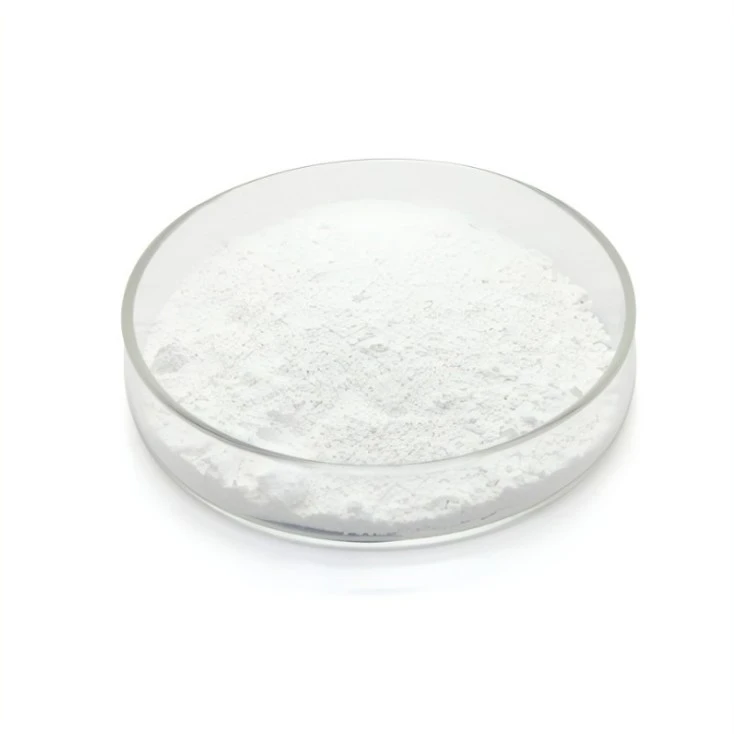
| Appearance | White or pale yellow powder |
| Viscosity (2% solution) | 500 - 5000 mPa·s (Brookfield) |
| pH Range | 5.0 - 8.0 |
| Solubility | Water soluble |
| Origin | Natural cellulose derivative |
Benefits & Use Cases of Hydroxyethyl Cellulose For Paint
Industries relying on quality coatings, like automotive, construction, and general manufacturing, find Hydroxyethyl Cellulose indispensable. Its ability to modulate viscosity ensures paints apply smoothly, even under varying temperature conditions — a typical challenge in factories with inconsistent humidity.
What stands out with Pezetech’s HEC is that it offers superior stability against shear thinning and better water retention. This means the paint doesn’t dry too quickly on rollers or brushes, allowing for easier application and less rework — which frankly makes line operators quite happy. Its thickening efficiency also means less additive goes a longer way, providing a competitive edge in cost per gallon painted.
Cost, Maintenance & User Experience
When considering the total cost of paint production, Hydroxyethyl Cellulose may seem like a small piece of a large puzzle, yet it influences both product cost and downstream efficiency. The ROI becomes apparent when you factor in reduced waste, enhanced stability reducing rework, and a generally cleaner manufacturing process.
Customer feedback often highlights the ease of handling and consistent results as major pluses — many report that switching to Pezetech’s HEC led to smoother formulations with less batch-to-batch variation. Maintenance-wise, storage conditions are straightforward (cool, dry place), and its shelf life stands strong compared to other polymer thickeners.
| Vendor | Viscosity Range | Cost Efficiency | Shelf Life | Customer Rating |
|---|---|---|---|---|
| Pezetech | 500 - 5000 mPa·s | High | 24 months | 4.7 / 5 |
| Vendor A | 300 - 4500 mPa·s | Medium | 18 months | 4.2 / 5 |
| Vendor B | 400 - 4800 mPa·s | Low | 12 months | 3.9 / 5 |
Sustainability & Market Trends
Sustainability is no longer optional; it steers the paint and coatings industry’s directions — and Hydroxyethyl Cellulose fits nicely into this environmental narrative. Being a cellulose derivative, it’s derived from natural, renewable resources, lending an eco-friendly alternative to purely synthetic thickeners.
Stricter VOC (volatile organic compound) regulations mean more waterborne paints, where HEC performance shines. Not to mention, regulatory bodies worldwide are pushing for biodegradable and less toxic components, aligning perfectly with Pezetech’s efforts in tailoring HEC grades that reduce paint’s environmental footprint without sacrificing quality. Frankly, keeping up with these trends is a must for any forward-looking paint producer.
Frequently Asked Questions about Hydroxyethyl Cellulose For Paint
- What is Hydroxyethyl Cellulose For Paint and how does it work?
- Hydroxyethyl Cellulose For Paint is a water-soluble polymer that thickens and stabilizes paint mixtures by increasing viscosity and controlling flow. It forms a gel-like network in water, helping paint maintain consistency and preventing sagging during application.
- What are the main benefits of using Hydroxyethyl Cellulose For Paint in industrial applications?
- It enhances paint stability, improves application smoothness, reduces waste, and provides cost-effective thickening. Additionally, it supports water retention and contributes to better film formation on surfaces.
- How does Hydroxyethyl Cellulose For Paint compare to traditional alternatives?
- Compared to traditional thickeners, HEC offers superior water solubility, better control of paint viscosity, and increased stability under different temperature and pH conditions. It’s also derived from renewable cellulose, making it a greener option.
- What industries can benefit most from Hydroxyethyl Cellulose For Paint implementation?
- The primary beneficiaries include automotive coatings, architectural paints, adhesives, and industrial coatings manufacturers. In these sectors, HEC’s performance improves product durability and user application experience.
Conclusion on Hydroxyethyl Cellulose For Paint from China
In sum, Hydroxyethyl Cellulose For Paint remains a cornerstone additive for ensuring high-quality, durable, and efficient paint formulations. Choosing a trusted supplier like Pezetech brings not only premium product specs but also industry insight and consistency, vital for B2B decision-makers aiming for superior outcomes. For those in coatings manufacturing looking to optimize both performance and sustainability, it’s certainly worth serious consideration.
- Recap the value of Hydroxyethyl Cellulose For Paint.
- - Visit our website: https://www.pezetech.com
Reflecting on this, I've noticed that while HEC might seem a niche chemical, its impact is felt throughout the paint production line – quietly keeping everything running smoothly. It’s a reminder how sometimes the smallest ingredients yield the biggest results.
-
Top Guide to Selecting Professional vae emulsion manufacturersNewsApr.16,2026
-
Viscosity of HPMCNewsApr.15,2026
-
HPMC Powder UsesNewsApr.15,2026
-
Understanding VAE Emulsion for Modern Industrial CoatingsNewsApr.09,2026
-
Comprehensive Guide to Redispersible Emulsion Powder and its ApplicationsNewsApr.07,2026
-
Comprehensive Guide to Redispersible Latex Powder for Construction ApplicationsNewsApr.04,2026