Comprehensive Guide to Hec Chemical Uses: Benefits, Applications & Market Insights
Hec Chemical Uses is a key solution in the industry, specifically within various manufacturing and processing sectors where reliable chemical performance is paramount. This article explores how Pezetech supports professionals with durable, high-performance products, and explains why this product is an ideal choice for businesses in these sectors.
Table of Contents
- Hec Chemical Uses Overview
- Benefits & Use Cases of Hec Chemical Uses
- Cost, Maintenance & User Experience
- Sustainability & Market Trends
Hec Chemical Uses Overview
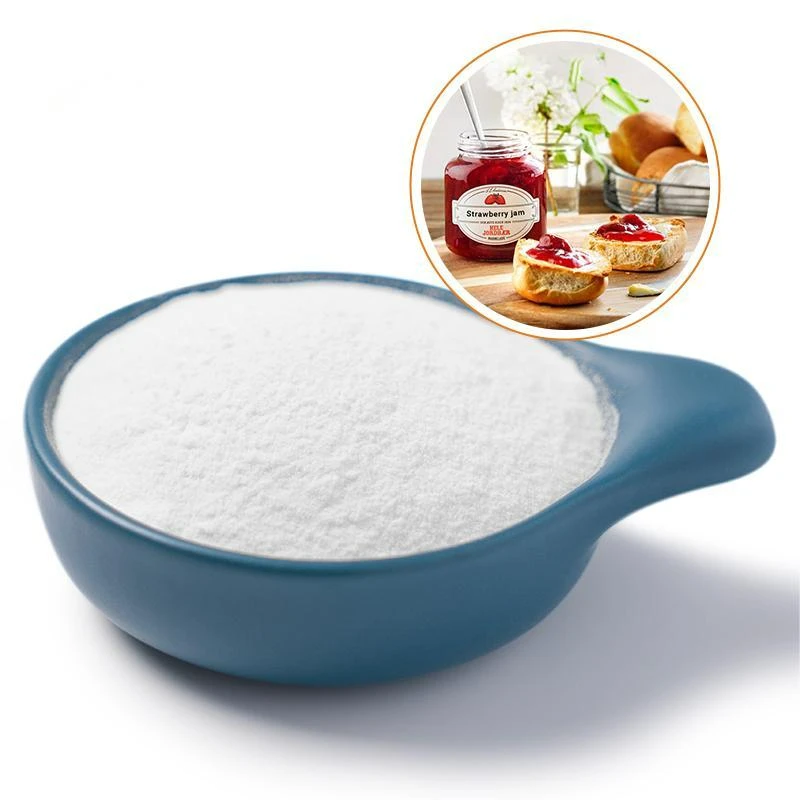
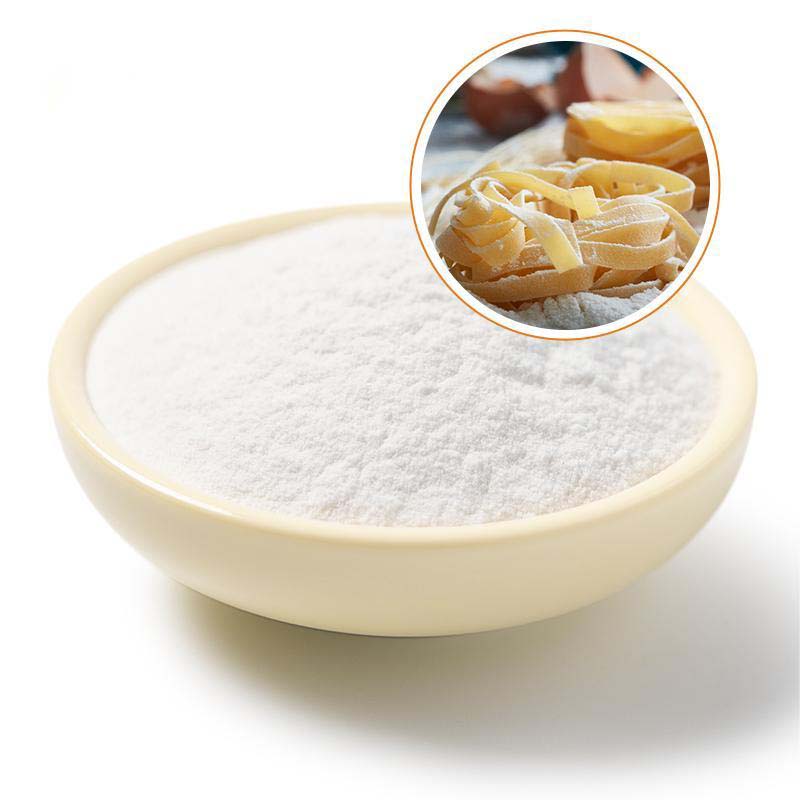
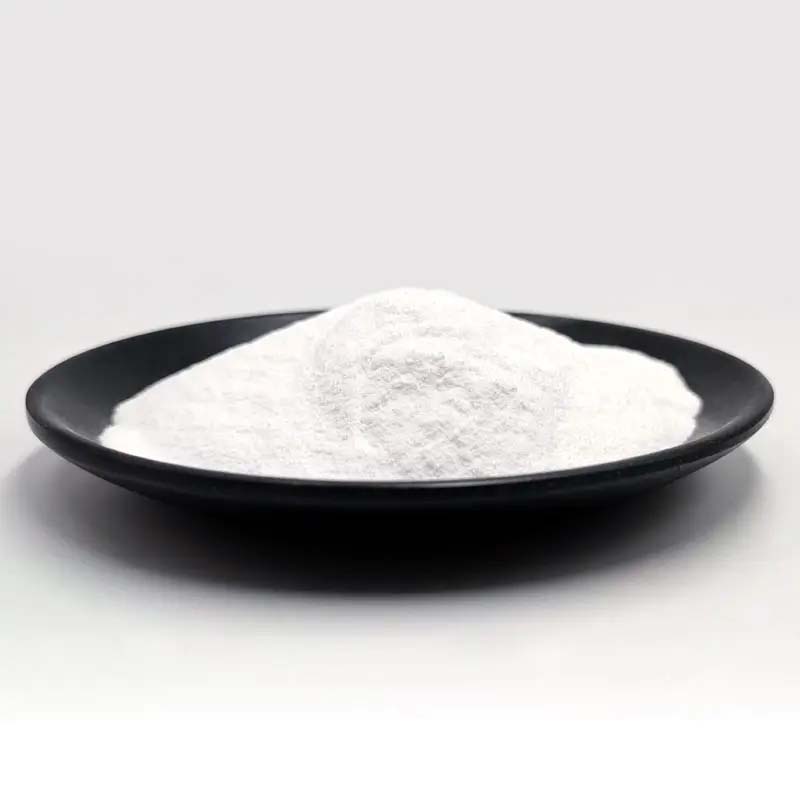
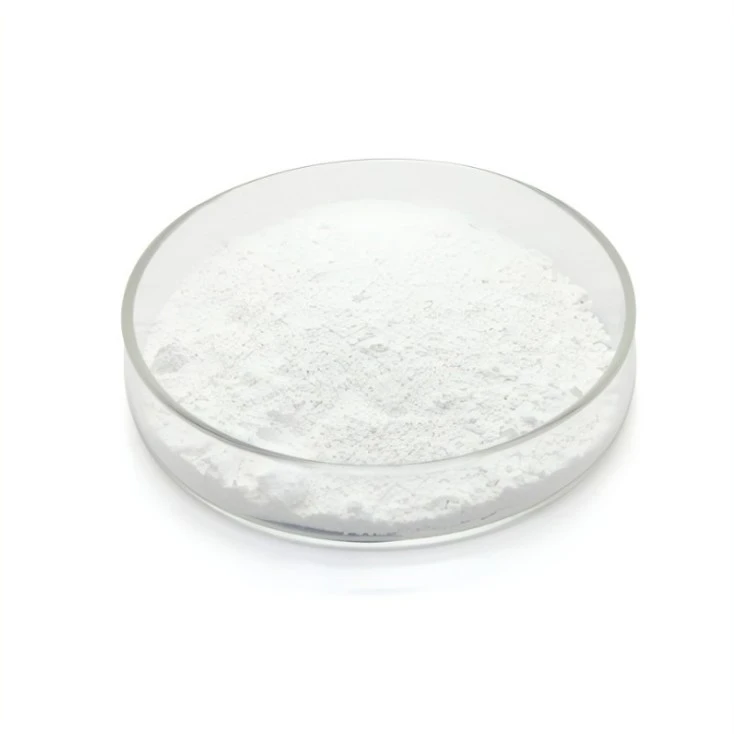
At its core, Hec Chemical Uses refers to a class of chemicals known for their unique ability to improve viscosity and stabilize formulations, particularly in industries like cosmetics, detergents, and drilling fluids. The acronym “HEC” stands for Hydroxyethyl Cellulose, a nonionic, water-soluble polymer derived from cellulose. It’s pretty fascinating how this naturally sourced compound can be chemically modified to have such versatile industrial applications.
- Primarily, HEC thickens aqueous solutions without affecting their clarity or stability, which is ideal for many formulations that need consistent texture.
- Technical specs often highlight HEC’s compatibility with a broad pH range (5-12) and resistance to electrolytes, making it adaptable across harsh conditions.
- Case studies from processing plants show enhanced yields and product uniformity when incorporating HEC, thanks to its rheological control properties.
Benefits & Use Cases of Hec Chemical Uses
In real-world applications, the benefits of Hec Chemical Uses show up in its impressive flexibility. For instance, in the cosmetics industry, it enhances lotion thickness without greasiness, delivering a smooth skin feel. Meanwhile, drilling mud formulations rely on HEC to maintain fluidity under intense pressures and temperatures — you’d be surprised how critical that is on a rig.
- Its nonionic nature avoids negative interactions with surfactants and salts, maintaining product stability even under challenging environments.
- Compared to traditional thickeners, HEC often requires lower dosages to achieve the same viscosity, which can translate into cost savings.
- Pezetech’s HEC grades come with customizable molecular weights, lending precise control over flow and texture — a boon for formulators.
| Specification | Typical Value | Notes |
|---|---|---|
| Appearance | White/off-white powder | Fine granules |
| Viscosity (2% solution) | 5000-15000 mPa.s | Brookfield RVT, shear rate dependent |
| pH Range | 5 - 12 | Stable over wide pH values |
| Solubility | Water Soluble | Complete hydration required |
Cost, Maintenance & User Experience
When evaluating chemicals like HEC, B2B decision makers naturally focus on total cost of ownership. Frankly, the upfront price can look a bit steep compared to some older alternatives. But in practice, the durability, product consistency, and formulation stability usually justify it. Clients often report improved ROI thanks to less waste and smoother processing runs. Additionally, the ease of maintenance due to HEC’s non-reactive nature means fewer compatibility headaches.
- Lower dosage requirements reduce inventory needs and logistic complexity.
- Customer feedback from sectors like personal care reveals improved end-user satisfaction due to enhanced product texture.
- Pezetech supports clients with tailored technical assistance, reinforcing longevity of use and minimizing downtime.
Sustainability & Market Trends
The ongoing shift towards greener chemistry naturally puts spotlight on materials like HEC. Because it’s derived from cellulose, a renewable resource, it beats many synthetic polymers on eco-friendliness. Plus, regulatory pressures worldwide are nudging industries to prefer biodegradable, non-toxic ingredients — which HEC fits nicely. Market analysts foresee growing demand in cosmetics, oil & gas, and household cleaning sectors, partly driven by this sustainability angle.
- Efforts to reduce volatile organic compounds (VOCs) make water-based, cellulose-derived thickeners more popular.
| Vendor | Grade Options | Sustainability Focus | Customer Support | Pricing |
|---|---|---|---|---|
| Pezetech | Wide Molecular Weight Range | Strong; renewable feedstock | Comprehensive, tech-focused | Mid-High |
| Competitor A | Limited | Moderate | Basic | Lower |
| Competitor B | Moderate | Low | Limited | Mid |
Frequently Asked Questions about Hec Chemical Uses
- What is Hec Chemical Uses and how does it work?
- Hec Chemical Uses refer to the applications of Hydroxyethyl Cellulose, a thickening agent that disperses in water to increase viscosity. It works by forming a network that traps water molecules, resulting in thicker, more stable solutions. This mechanism helps make products smoother and more functional in diverse industrial formulations.
- What are the main benefits of using Hec Chemical Uses in industrial applications?
- The advantages include enhanced viscosity control, excellent stability across a wide pH range, low usage levels, and compatibility with many other ingredients. It also improves product texture and shelf life while supporting sustainable product development.
- How does Hec Chemical Uses compare to traditional alternatives?
- Compared to older thickeners like natural gums or synthetic polymers, HEC is more predictable, easier to handle, and often more cost-effective in long-term use. Its nonionic character lets it maintain performance even in presence of salts, where others might fail.
- What industries can benefit most from Hec Chemical Uses implementation?
- Primary industries include cosmetics and personal care, paints and coatings, drilling fluids, and household cleaning products. Each uses HEC to tailor product flow, stability, and sensory profiles with proven success stories documented in various sectors.
Conclusion on Hec Chemical Uses from china
Summing it up, Hec Chemical Uses continues to gain strong traction due to its versatility, cost-efficiency, and sustainable profile. Whether you’re fine-tuning a cosmetic formula or optimizing drilling fluid rheology, it’s a smart choice. It’s worth visiting Pezetech’s website to explore the full product range and technical support options.
- Recap the value of Hec Chemical Uses.
- - Visit our website: https://www.pezetech.com
Oddly enough, the more you understand HEC, the more it feels like a quiet hero of modern industrial chemistry — subtle but absolutely essential.
-
What Is VAE Powder? Complete Guide to Redispersible Polymer Powder (RDP) for ConstructionNewsApr.21,2026
-
HPMC Manufacturers in ChinaNewsApr.21,2026
-
What Is Redispersible Polymer Powder (RDP)? Complete Guide to VAE RDP for Mortar ApplicationsNewsApr.21,2026
-
Top Guide to Selecting Professional vae emulsion manufacturersNewsApr.16,2026
-
Viscosity of HPMCNewsApr.15,2026
-
HPMC Powder UsesNewsApr.15,2026