Hydroxyethyl Cellulose Jelly | Industrial Uses & Comparisons
Hydroxyethyl Cellulose Jelly: What Industry Veterans Know
Having spent close to two decades in the industrial equipment sector, I’ve had my fair share of encounters with a variety of specialty materials. One that often flies under the radar but packs a real punch is hydroxyethyl cellulose jelly. It’s that gelatinous, water-soluble polymer you might not stop to think about, but it quietly plays a starring role in everything from adhesives to coatings.
Now, I’ve noticed that engineers and formulators alike appreciate hydroxyethyl cellulose (HEC) jelly for the way it thickens and stabilizes mixtures without complicating the chemistry. Oddly enough, its simplicity is its superpower. If you’ve ever struggled with suspension issues in slurries or found your coating runs off surfaces too quickly, this jelly tends to show up on your shortlist of solutions.
In real terms, hydroxyethyl cellulose jelly acts as a rheology modifier—basically, it controls how liquids flow and behave. That’s a broad stroke explanation, but when you’re designing industrial lubricants or water-based paints, it’s the difference between an even spread and an embarrassing run. You sort of want it to feel just right: smooth enough to apply, thick enough to stay put.
One small anecdote from my early days: a client once complained their tile adhesive was drying too quickly on site, causing installation headaches. We tweaked the formulation by increasing the concentration of hydroxyethyl cellulose jelly, and magically, the adhesive’s open time improved dramatically — no need to overhaul the entire formula. It felt like a simple fix with outsized impact, which is exactly why I respect this material.
Technical Specifications of Typical Hydroxyethyl Cellulose Jelly
| Parameter | Value |
|---|---|
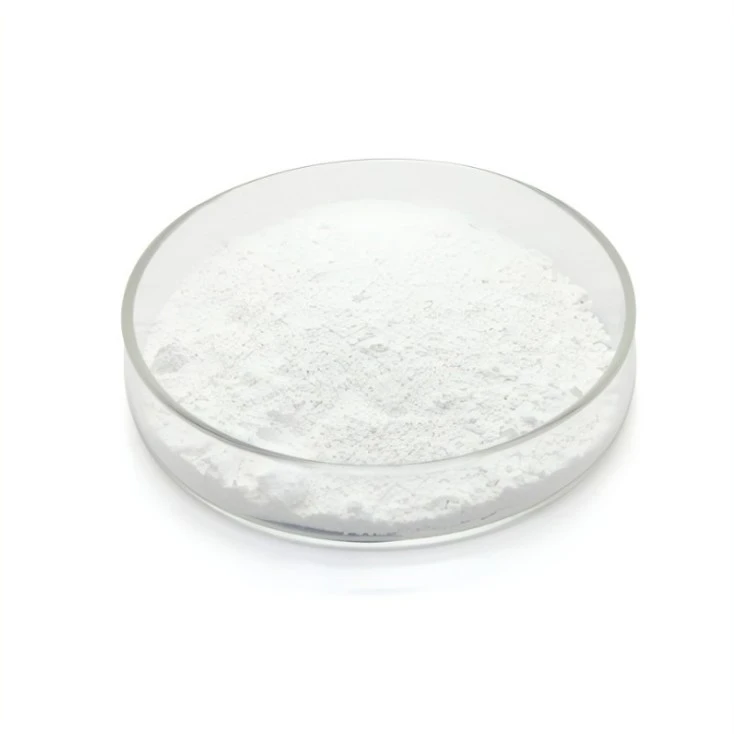
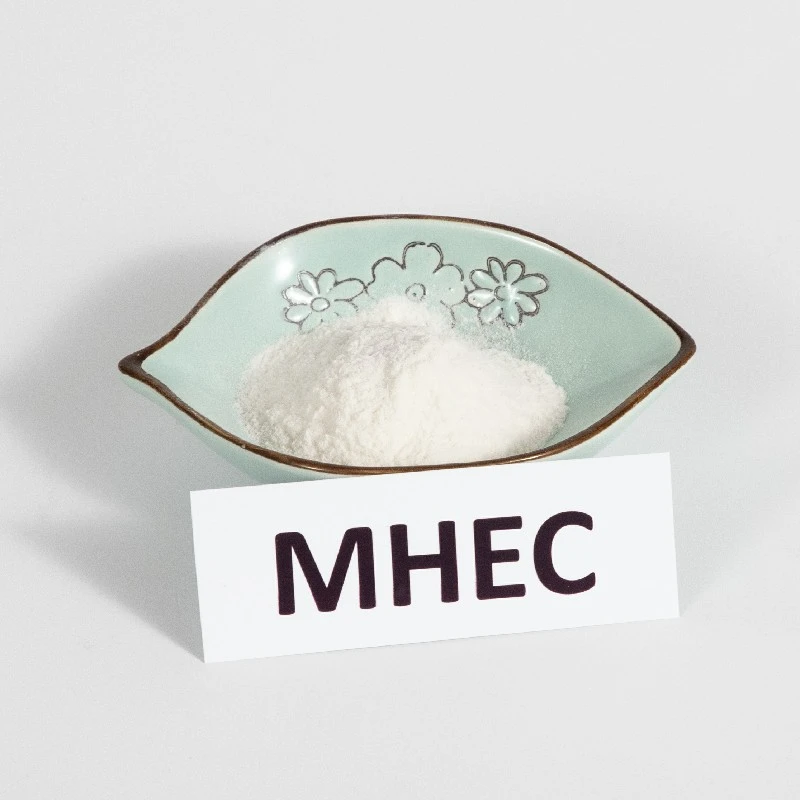
| Appearance | Opaque white to slightly yellow jelly |
| Viscosity (2% aqueous solution, 25°C) | 2,000–15,000 cP (can vary by grade) |
| pH (1% solution) | 6.0 – 8.5 |
| Solubility | Water soluble, cold or hot |
| Typical Application | Adhesives, paints, drilling mud, cosmetics |
From my experience, the choice of vendor often makes a difference, especially when you demand consistency and custom grades. Not every supplier offers the same particle size distribution or viscosity range, which, frankly, can alter batch performance. So here’s a quick comparison I’ve found useful when sifting through options:
Vendor Comparison Overview
| Vendor | Grade Options | Viscosity Range | Typical Lead Time | Customization |
|---|---|---|---|---|
| Pezetech | Multiple (low to high viscosity) | 2,000 - 15,000 cP | 2-3 weeks | Available on demand |
| Vendor B | Standard grades only | 3,000 - 10,000 cP | 4-6 weeks | No customization |
| Vendor C | Wide range | 1,500 - 12,000 cP | 3-5 weeks | Limited customization |
When it comes to applications, I always remind teams that testing in real-world conditions is irreplaceable. Lab viscosity readings don’t always translate directly to field performance. You want to see how the hydroxyethyl cellulose jelly behaves under shear stress, temperature swings, and even water quality variations.
In the big picture, this jelly is a subtle, reliable backbone ingredient, and in many cases, its presence is “invisible”—until it’s missing or poorly matched to the formulation. That’s why having trusted suppliers who understand your industry needs (and are willing to work with you on custom solutions) really matters.
So, if you find yourself troubleshooting a tricky formulation, you might want to have some hydroxyethyl cellulose jelly handy. It’s like that dependable industrial colleague who quietly steps in whenever things get sticky… quite literally.
Final Thoughts
I suppose what I’m ultimately saying is that this isn’t just a polymer. It’s a versatile workhorse with decades of proven use—kind of a silent partner for engineers who value precision and reliability. If you’re considering incorporating it into your product line or process, trust me: start by understanding your specific grade requirements. And of course, look for vendors committed to consistent quality and customer-centric service.
References
- Industry Handbook of Cellulose Derivatives, 2022 Edition
- Technical Bulletin: Hydroxyethyl Cellulose for Industrial Applications, Pezetech
- Various conversations with chemical engineers and formulators, 2005–2023
-
Top Guide to Selecting Professional vae emulsion manufacturersNewsApr.16,2026
-
Viscosity of HPMCNewsApr.15,2026
-
HPMC Powder UsesNewsApr.15,2026
-
Understanding VAE Emulsion for Modern Industrial CoatingsNewsApr.09,2026
-
Comprehensive Guide to Redispersible Emulsion Powder and its ApplicationsNewsApr.07,2026
-
Comprehensive Guide to Redispersible Latex Powder for Construction ApplicationsNewsApr.04,2026