Hydroxyethyl Cellulose Thickener: Industrial Uses & Supplier Comparison
Hydroxyethyl Cellulose Thickener: What Makes It a Go-To for Industry Pros
Having logged quite a few years in the industrial equipment sector—mostly around formulations and materials—I've seen many thickeners come and go. But hydroxyethyl cellulose thickener has always felt like the reliable teammate you can count on. Oddly enough, its versatility across different applications makes it not just a choice, but often the only practical option.
So, what is this thickener about? In simple terms, hydroxyethyl cellulose (HEC) is a water-soluble polymer derived from cellulose, the structural component in plants. Think of it as nature’s answer to viscosity control. It's widely used to adjust thickness, improve texture, and stabilize formulations — especially in paints, coatings, and even cosmetics. Frankly, the fact that it’s non-ionic and compatible with a wide range of products makes it attractive for industrial clients who want something predictable but effective.
From my experience, one key advantage is its rheological behavior – that’s tech speak for how a fluid flows and thickens. You get a smooth, consistent viscosity without the clumping or lumps you sometimes get with other thickeners. For example, when working on a water-based drilling mud formula, switching to HEC improved pumpability without sacrificing yield stress. Many engineers I've worked with say this balance is exactly what they look for in a thickener.
Below is a quick rundown of typical specs you might expect from a standard HEC product used in industrial formulations:
| Specification | Typical Value | Units |
|---|---|---|
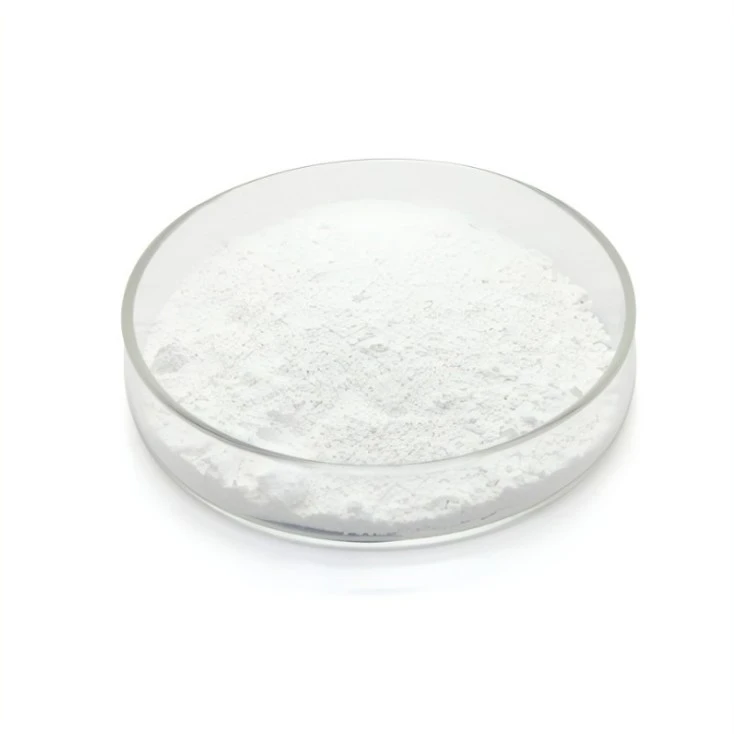
| Appearance | White to off-white powder | - |
| Viscosity (2% solution, 25°C) | 2000 - 4000 | mPa·s |
| pH (1% solution) | 6.0 – 8.0 | - |
| Moisture Content | % | |
| Solubility | Water soluble | - |
When looking for suppliers, I often advise clients to not just chase price but to consider quality consistency, technical support, and delivery reliability. To illustrate, here’s a comparison of three notable vendors that provide hydroxyethyl cellulose thickener products in the industrial market:
| Vendor | Viscosity Range (mPa·s) | Typical Applications | Packaging Options | Lead Time |
|---|---|---|---|---|
| Pezetech | 1500 – 4000 | Paints, drilling fluids, adhesives | 25 kg bags, bulk | 1-2 weeks |
| Vendor B | 1000 – 3500 | Cosmetics, coatings | 10-25 kg bags | 2-3 weeks |
| Vendor C | 2000 – 5000 | Industrial cleaners, textiles | Bulk only | 3-4 weeks |
In real terms, for clients juggling multiple formulation needs, partnering with a supplier like hydroxyethyl cellulose thickener experts at Pezetech means you get a product that's tested and trusted with quick delivery — which is a godsend when project timelines get squeezed unexpectedly.
It’s been fascinating to watch the evolution of these cellulose derivatives—when I first started, many still relied heavily on natural gums, which could be finicky. Now, HEC provides that reassuring consistency and ease of use across a staggering variety of sectors. I remember one case where a client was struggling to stabilize a water-based coating during transport. Switching to a specifically tailored hydroxyethyl cellulose thickener blend resolved not only stability issues but improved application performance. That’s the sort of real-world impact that sticks with you.
If you’re delving into formulation tweaks or seeking thickeners for demanding industrial processes, I'd say do your tests, yes, but don’t overlook the benefits of experience-proven materials like HEC. It feels like an industrial staple for a reason. And frankly, when there’s so much riding on consistent product quality, turning to a solid thickener is rarely a wrong call.
Feel free to browse around and see if choosing a trusted hydroxyethyl cellulose thickener supplier can help simplify your next project.
Takeaway: Sometimes the “old reliable” options prove their worth better than the shiny new alternatives.
- "Hydroxyethyl Cellulose Overview," Chemical Industry Journal, 2022.
- Internal quality reports, Pezetech, 2023.
- Field study – water-based drilling fluids, 2021.
-
Top Guide to Selecting Professional vae emulsion manufacturersNewsApr.16,2026
-
Viscosity of HPMCNewsApr.15,2026
-
HPMC Powder UsesNewsApr.15,2026
-
Understanding VAE Emulsion for Modern Industrial CoatingsNewsApr.09,2026
-
Comprehensive Guide to Redispersible Emulsion Powder and its ApplicationsNewsApr.07,2026
-
Comprehensive Guide to Redispersible Latex Powder for Construction ApplicationsNewsApr.04,2026