Hydroxyethyl Cellulose Uses In Cosmetics – Benefits, Specs & Market Trends | Pezetech
Hydroxyethyl Cellulose Uses In Cosmetics is a key solution in the industry, specifically within personal care formulations and beauty products. This article explores how https://www.pezetech.com supports professionals with durable, high-performance products, and explains why this product is an ideal choice for businesses in these sectors.
Table of Contents
- Hydroxyethyl Cellulose Uses In Cosmetics Overview
- Benefits & Use Cases of Hydroxyethyl Cellulose Uses In Cosmetics
- Cost, Maintenance & User Experience
- Sustainability & Market Trends
Hydroxyethyl Cellulose Uses In Cosmetics Overview
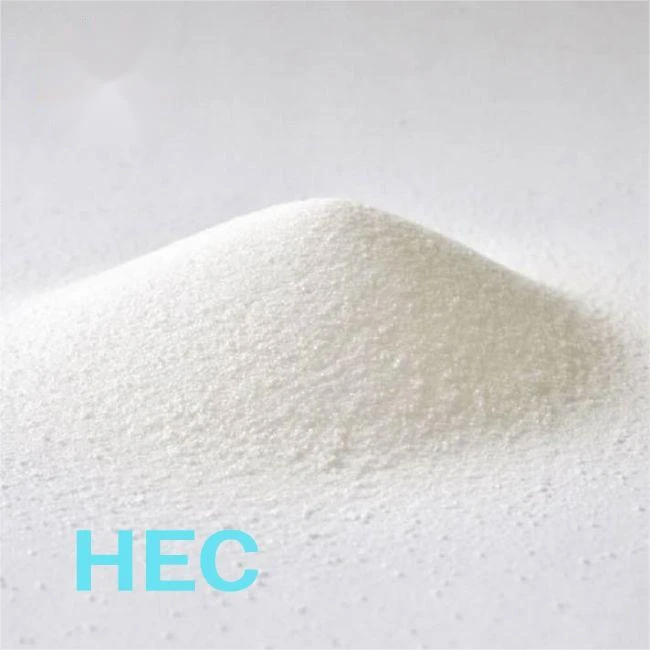
Hydroxyethyl Cellulose (HEC) is an incredibly versatile non-ionic, water-soluble polymer derived from cellulose. You can think of it as the unsung hero in many cosmetics formulations. Its main gig? Acting as a thickener, stabilizer, and film former that helps give lotions, creams, and even hair styling products that smooth, luxurious feel. Oddly enough, this polymer is super stable across a broad pH range and works well with various surfactants, making it a favorite among formulators.
On the specs side, HEC’s molecular weight and degree of substitution can be tailored to adjust viscosity and sensory properties — which, frankly, is crucial for differentiating product lines. A recent case study showcased how tweaking the viscosity profile of HEC in a facial moisturizer improved product stability over six months of accelerated aging tests. It’s just one example of how subtle formula adjustments yield tangible improvements in real-world use.
Benefits & Use Cases of Hydroxyethyl Cellulose Uses In Cosmetics
There’s a broad palette of applications where Hydroxyethyl Cellulose shines. In creams and lotions, it enhances texture and ensures a consistent application without greasiness — a kind of Goldilocks effect, where you want the formula to be ‘just right.’ In shampoos and conditioners, it not only thickens but also contributes to better suspension of particles or oils, so you get that perfect balance of slip and hold.
One feature that really sets HEC apart is its film-forming ability, which can help impart humidity resistance in hair care products — particularly valuable for customers in humid climates. Compared to other cellulose ethers, Hydroxyethyl Cellulose tends to be more soluble and versatile, giving formulators a competitive advantage when creating transparent gels or clear serums without cloudiness.
| Parameter | Typical Range | Notes |
|---|---|---|
| Molecular Weight | 100,000 – 1,000,000 g/mol | Impacts viscosity & hydration |
| Degree of Substitution | 1.3 – 2.6 | Controls solubility & performance |
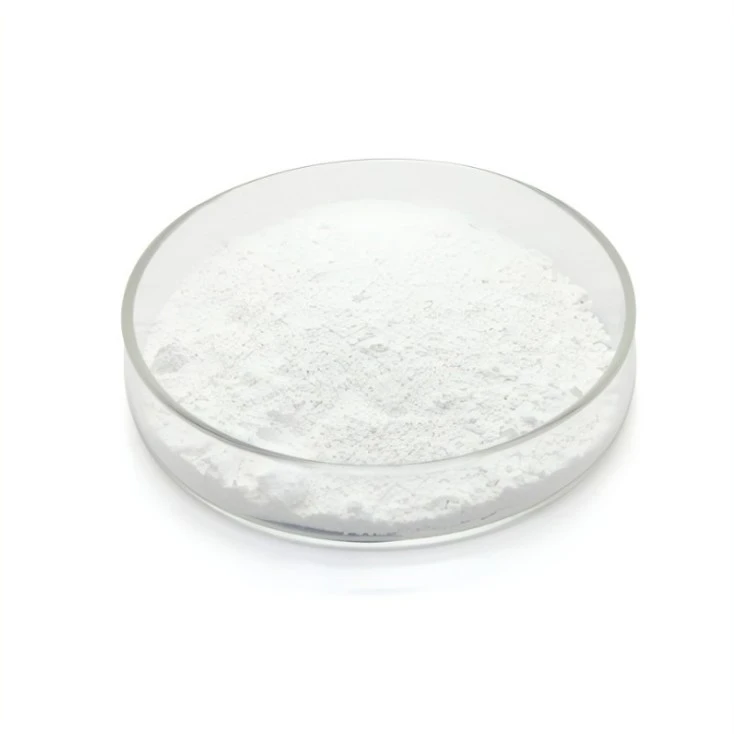
| Appearance | White to off-white powder | Easy to disperse in formulations |
| pH Stability | 3.0 – 12.0 | Wide compatibility range |
Cost, Maintenance & User Experience
From a B2B perspective, the cost-effectiveness of Hydroxyethyl Cellulose is pretty compelling. While not the cheapest polymer out there, its efficiency in low concentrations to achieve desired texture means you get more bang for your buck. When you factor in reduced formulation failures and extended shelf life, the return on investment often becomes clear pretty quickly.
Maintenance? Well, since HEC is a raw material, "maintenance" translates into reliable supply chains and consistent quality batches. Here’s where companies like Pezetech really add value — they offer high-grade Hydroxyethyl Cellulose that is ISO certified, with parameters closely monitored to avoid surprises during manufacturing. Plus, user feedback from formulators often points out how smooth the integration of this polymer is — no clumping, easy hydration, and reproducible viscosity every time. That consistency is worth its weight in gold, frankly.
| Vendor | Price per kg | Purity (%) | Certification | Supply Reliability |
|---|---|---|---|---|
| Pezetech | $12.50 | >99.5% | ISO 9001, GMP | High |
| Vendor A | $11.00 | >98.0% | ISO 9001 | Medium |
| Vendor B | $13.20 | >99.0% | ISO 14001 | Variable |
Sustainability & Market Trends
Sustainability has become a big deal in cosmetics lately, and Hydroxyethyl Cellulose fits rather nicely into this narrative. Being cellulose-derived means it originates from renewable plant resources, which is a big plus compared to many synthetic polymers. Plus, it’s biodegradable and non-toxic, meeting increasingly strict regulations across Europe, North America, and Asia.
Market demand is growing as brands shift towards ‘clean labels’ and environmentally responsible ingredients — ironically, the old-school cellulose derivatives are enjoying a resurgence. It’s worth noting, though, that sustainability is not just about the raw material, but also about the production process and supply chain transparency. Pezetech appears to be investing heavily in these areas, aligning with global trends and customer expectations. This proactive approach might soon become a baseline requirement rather than a differentiator.
Frequently Asked Questions about Hydroxyethyl Cellulose Uses In Cosmetics
- What is Hydroxyethyl Cellulose Uses In Cosmetics and how does it work?
- Hydroxyethyl Cellulose is a cellulose derivative that thickens and stabilizes aqueous solutions in cosmetics. It dissolves in water, forming a gel-like structure that enhances product viscosity, texture, and stability, without compromising clarity or feel.
- What are the main benefits of using Hydroxyethyl Cellulose Uses In Cosmetics in industrial applications?
- Key benefits include excellent thickening power, film formation, compatibility with various ingredients, and a broad pH range for flexibility. It also supports product stability and enhances the sensory appeal, which are critical in competitive industrial formulations.
- How does Hydroxyethyl Cellulose Uses In Cosmetics compare to traditional alternatives?
- Compared to other cellulose ethers or synthetic thickeners, Hydroxyethyl Cellulose tends to be more soluble, offers clearer formulations, and provides superior texture control. Its non-ionic nature also means fewer compatibility issues, which traditional options may face in complex cosmetic systems.
- What industries can benefit most from Hydroxyethyl Cellulose Uses In Cosmetics implementation?
- Primarily personal care and cosmetics sectors benefit, including skin care, hair care, and color cosmetics. Additionally, pharmaceutical topical products and some cleaning formulations find HEC advantageous due to its thickening and stabilizing properties.
Conclusion on Hydroxyethyl Cellulose Uses In Cosmetics from china
To wrap it up, Hydroxyethyl Cellulose remains a backbone ingredient in cosmetics formulation due to its versatility, stability, and ease of use. Its plant-based origin aligns well with today’s sustainability trends, making it an increasingly popular choice for brands aiming to balance performance with environmental responsibility. Whether you’re developing next-gen moisturizers or innovative hair gels, sourcing quality HEC from trusted suppliers like Pezetech can be a smart move that pays dividends.
- Reliable quality, tailored molecular specs, and timely supply chain management are key advantages Pezetech offers.
- Visit our website: https://www.pezetech.com
Reflecting on the growing demand for natural, effective cosmetic ingredients, it seems Hydroxyethyl Cellulose is poised to remain a cornerstone for formulators who care about both performance and sustainability.
-
Top Guide to Selecting Professional vae emulsion manufacturersNewsApr.16,2026
-
Viscosity of HPMCNewsApr.15,2026
-
HPMC Powder UsesNewsApr.15,2026
-
Understanding VAE Emulsion for Modern Industrial CoatingsNewsApr.09,2026
-
Comprehensive Guide to Redispersible Emulsion Powder and its ApplicationsNewsApr.07,2026
-
Comprehensive Guide to Redispersible Latex Powder for Construction ApplicationsNewsApr.04,2026