Understanding the Hydroxyethyl Cellulose Manufacturing Process
The Hydroxyethyl Cellulose Manufacturing Process: An Insider's Look
Having spent well over a decade in the industrial equipment sector, I've come across my fair share of specialized chemicals, but hydroxyethyl cellulose (HEC) always stands out. It’s one of those polysaccharide derivatives that quietly power an array of industries—from drilling muds in oil fields to cosmetics on your local drugstore shelf. Frankly, understanding the manufacturing process of hydroxyethyl cellulose offers a fascinating glimpse into the interplay between chemistry and engineering that keeps so many applications running smoothly.
First off, let’s talk about what hydroxyethyl cellulose really is. Picture this: cellulose, the main structural component in plants, is chemically modified to introduce hydroxyethyl groups through an etherification process. This subtle but critical change transforms rather inert cellulose into a water-soluble, non-ionic polymer that gels, thickens, and stabilizes. If you’ve ever marveled at a lotion’s creamy texture or the perfect spread of paint, HEC is often involved behind the scenes.
Now, the core manufacturing process typically unfolds in three major steps:
- Alkali cellulose formation: Raw cellulose, usually from wood pulp or cotton linters, is treated with a strong alkali like sodium hydroxide. This swells and activates cellulose fibers, making them ready for chemical modification.
- Ethoxylation (Etherification): Ethylene oxide is then introduced in a controlled reactor, where it reacts with the activated cellulose to attach hydroxyethyl groups. The reaction conditions, such as temperature, pressure, and ethylene oxide concentration, are carefully monitored to achieve precise substitution levels.
- Neutralization and drying: After reaction completion, neutralization helps stabilize the product. Then it’s filtered, washed, dried, and milled into powders or granules suitable for downstream use.
Oddly enough, despite seeming straightforward, this process demands sharp industrial control. Variables like the molar substitution (the average number of hydroxyethyl groups per anhydroglucose unit) significantly influence the final product’s viscosity and solubility. Many engineers I’ve worked with swear by maintaining tight process parameters to ensure batch-to-batch consistency — which, in real terms, keeps customers happy and formulations reliable.
Speaking of formulations, it’s one thing to make hydroxyethyl cellulose; it’s another to tailor it for specific applications. For instance, certain grades have increased thickening power suited for cement-based products, while others optimize shear resistance for personal care formulations. The versatility is impressive and, I suppose, why demand stays robust.
Here’s a quick look at some typical specifications from a leading HEC product, just to give you a sense of what to expect:
| Specification | Typical Value | Units |
|---|---|---|
| Molecular Weight | 90,000 - 1,000,000 | g/mol |
| Molar Substitution | 1.8 - 2.5 | - |
| Viscosity (2% in water) | 1000 - 6000 | mPa·s |
| pH (1% solution) | 6.0 - 8.0 | - |
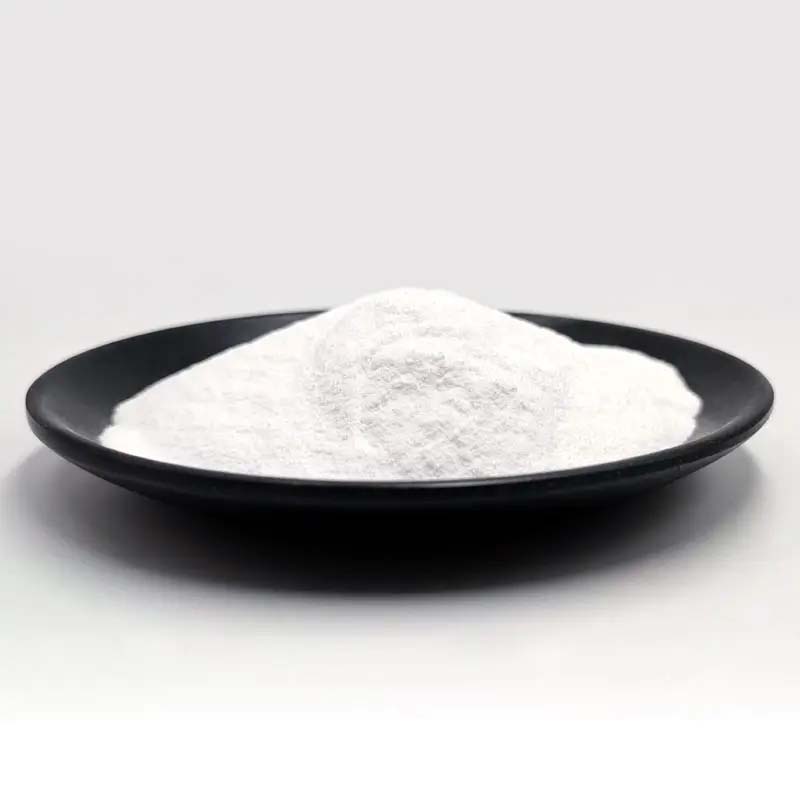
| Appearance | White Powder | - |
So, when it comes to sourcing hydroxyethyl cellulose, you’ll find a range of vendors, each with their own strengths—some prioritize sustainability, others offer broader viscosity ranges or tailor-made grades. Here’s how a few compare, in my experience:
| Vendor | Available Grades | Sustainability Focus | Custom R&D Support | Typical Lead Time |
|---|---|---|---|---|
| Pezetech | Wide range (1000-6000 mPa·s) | Moderate | Yes (tailored formulations) | 2-3 weeks |
| Sigma-Aldrich | Lab-scale & bulk | Low | Limited | 1-2 weeks |
| Shanghai Chemical | Bulk grades | Moderate | Yes | 3-4 weeks |
It reminds me of a project I led where we switched to a pezetech hydroxyethyl cellulose grade for a construction adhesive formulation. We noticed instantly improved workability and drying times, which, as you can guess, translates into happier customers and less downtime on site. I suppose it’s these subtle quality factors that can define success or failure in such technical products.
From an industry trend perspective, I’m seeing more manufacturers aiming to reduce environmental impact by optimizing ethylene oxide usage and capturing emissions. It’s just one more step toward greener chemistry without compromising product performance. There’s also a growing demand for customized HEC tailored to niche market needs, pushing innovation at the process level.
To wrap up, the hydroxyethyl cellulose manufacturing process is a neat example of how chemistry, engineering controls, and supply chain dynamics converge. It’s not glamorous, but it’s highly impactful. Next time you handle a personal care product or glance at construction materials, there’s a good chance HEC is silently doing its job.
And honestly? Getting familiar with these details makes you appreciate how much goes on behind the scenes in industrial chemistry.
References:
- Industrial Polysaccharides: Fundamentals and Applications, 2018
- “Hydroxyethyl Cellulose Manufacturing & Application,” Chemical Weekly, 2021
- Pezetech Technical Data Sheets and Application Notes, 2023
-
What Is VAE Powder? Complete Guide to Redispersible Polymer Powder (RDP) for ConstructionNewsApr.21,2026
-
HPMC Manufacturers in ChinaNewsApr.21,2026
-
What Is Redispersible Polymer Powder (RDP)? Complete Guide to VAE RDP for Mortar ApplicationsNewsApr.21,2026
-
Top Guide to Selecting Professional vae emulsion manufacturersNewsApr.16,2026
-
Viscosity of HPMCNewsApr.15,2026
-
HPMC Powder UsesNewsApr.15,2026