Understanding Hydroxyethyl Cellulose Function – Versatile Industrial Solutions | Pezetech
Hydroxyethyl Cellulose Function is a key solution in the industry, specifically within various manufacturing and formulation applications. This article explores how https://www.pezetech.com supports professionals with durable, high-performance products, and explains why this product is an ideal choice for businesses in these sectors.
Table of Contents
- Hydroxyethyl Cellulose Function Overview
- Benefits & Use Cases of Hydroxyethyl Cellulose Function
- Cost, Maintenance & User Experience
- Sustainability & Market Trends
Hydroxyethyl Cellulose Function Overview
Hydroxyethyl Cellulose (HEC) is, frankly, one of those unsung heroes in the world of industrial formulations. It's a nonionic, water-soluble polymer derived from cellulose, known primarily for its thickening, binding, and stabilizing capabilities. Now, why does the 'function' matter here? Because not all cellulose derivatives act the same—HEC’s functionality unlocks a wide range of applications where viscosity control and film formation are important.
Technically, Hydroxyethyl Cellulose's molecular structure allows it to swell in water, creating a gel-like consistency that enhances texture and flow in solutions. For example, in the coatings industry, it helps provide uniform application and smooth finishes. It’s fascinating, actually, to see how slight modifications in its molecular weight and substitution degree can tailor HEC’s performance to very specific industrial needs. For a practical touch, Pezetech offers customized grades that have been tested for stability in harsh environments—a real plus for manufacturers.
| Specification | Typical Range | Notes |
|---|---|---|
| Molecular Weight | 90,000 – 1,250,000 g/mol | Adjustable per formulation |
| Viscosity (2% aqueous solution) | 50 – 100,000 cP | Varies by substitution degree |
| pH Stability | 3 – 11 | Good for acidic & alkaline environments |
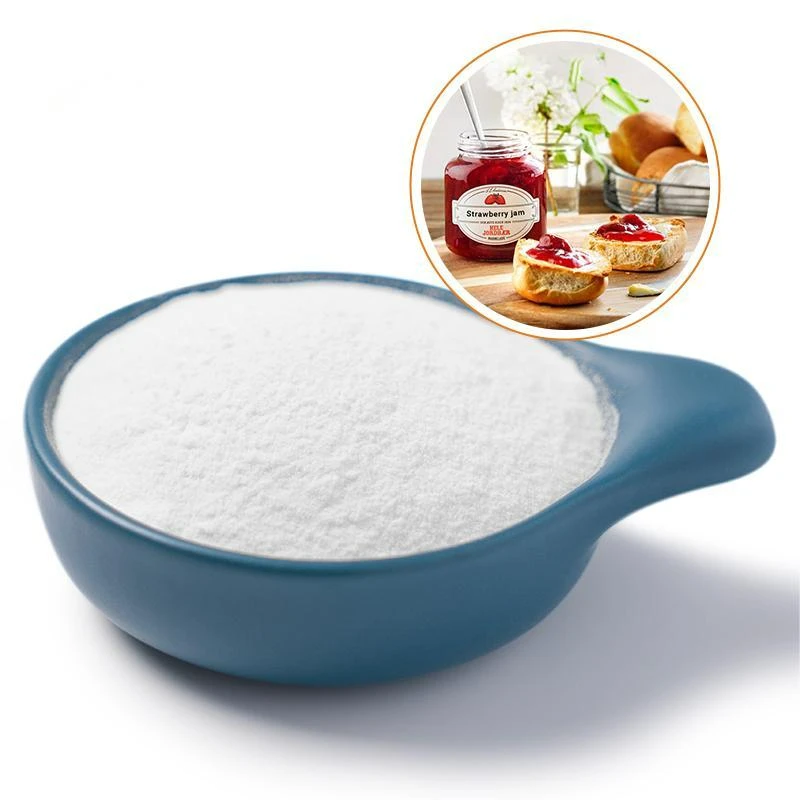
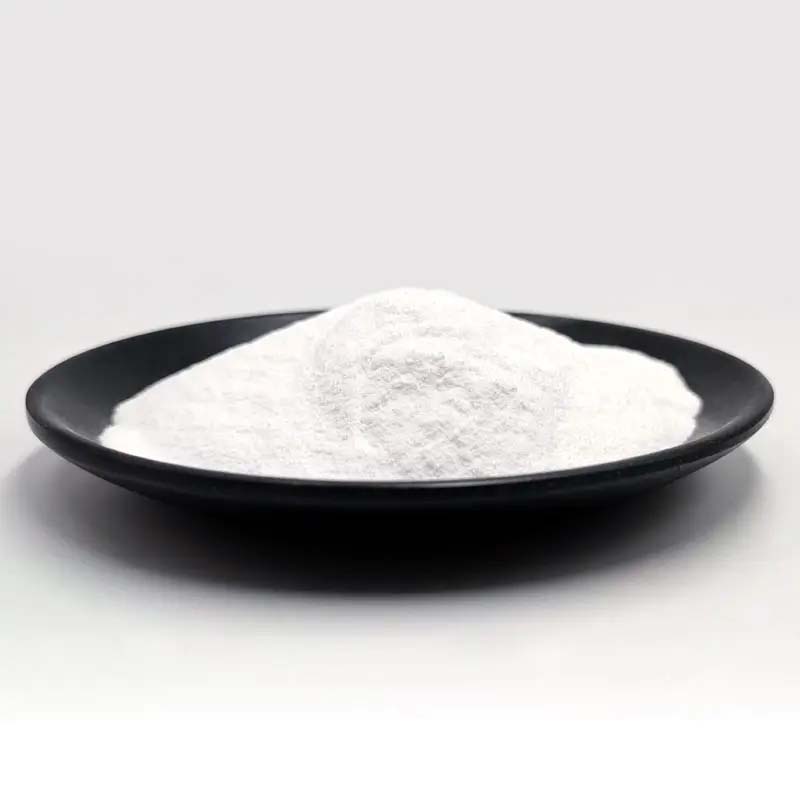
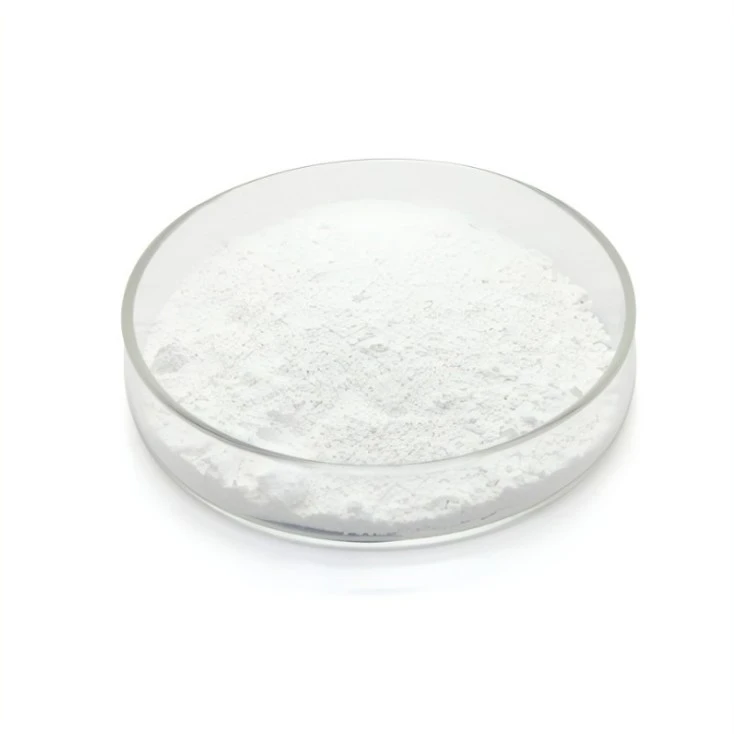
| Appearance | White to off-white powder | Standard industrial grade |
Benefits & Use Cases of Hydroxyethyl Cellulose Function
The versatility of Hydroxyethyl Cellulose Function really shines across multiple industries. It’s widely used in paints and coatings as a rheology modifier, which slyly means it controls flow and thickness, preventing drips and sags during application — something many producers can’t do without. Then there’s construction: HEC boosts water retention in cement and plaster mixes, ensuring better curing and crack resistance, a feature that's especially critical in large infrastructure projects.
Cosmetics and personal care industries also rely heavily on Hydroxyethyl Cellulose for creating smooth lotions and gels that “feel right” on the skin. From a competitive angle, Pezetech’s products often stand out due to enhanced purity and consistent particle size, which translates into smoother dispersions and less clogging — something formulators are quick to appreciate. Oddly enough, some customers have reported they can reduce total formulation costs by using higher efficiency grades that require lower dosages.
Cost, Maintenance & User Experience
In my experience speaking to engineers and product managers, Hydroxyethyl Cellulose Function from Pezetech hits a fine balance between cost and long-term value. While the upfront price may seem a touch higher than generic substitutes, the overall Total Cost of Ownership (TCO) is often lower. Why? Because of greater durability, less waste from inconsistent batches, and reliable performance that reduces rework. One manufacturer noted a 15% ROI improvement after switching to Pezetech’s grade.
Maintenance-wise, there’s minimal fuss — the product integrates smoothly with existing processes. Users praise its shelf stability and ease of blending, which frankly can be a game-changer when timing and consistency are critical. Anecdotally, it seems that adopting quality HEC also supports quicker startup times in production lines, though reliable data there is still emerging. And the peace of mind knowing you won’t get a batch that suddenly turns unusable – well, that’s priceless.
| Vendor | Product Quality | Pricing | Application Support |
|---|---|---|---|
| Pezetech | High Consistency & Purity | Mid-Range (Good Value) | Strong Technical & Application Support |
| Competitor A | Variable - Low Batch Consistency | Lower Cost | Limited Support |
| Competitor B | Good Quality | Premium Pricing | Moderate Support |
Sustainability & Market Trends
Sustainability tends to be top of mind these days—and rightly so. The good news is that Hydroxyethyl Cellulose is plant-based and biodegradable, which places it in good stead compared to many synthetic polymers. With increasing regulatory pressure on chemical formulations, especially in Europe and North America, industries are leaning into natural polymers like HEC to meet environmental standards without compromising performance.
Market trends also hint at rising demand for customized HEC grades that serve niche sectors like bio-based packaging, water treatment, and even pharmaceuticals. Pezetech is reportedly investing in green chemistry and process innovations to reduce energy consumption during production—a move many clients find encouraging. After all, a supplier understanding and acting on sustainability is not just talk; it’s increasingly part of the procurement checklist.
Frequently Asked Questions about Hydroxyethyl Cellulose Function
- What is Hydroxyethyl Cellulose Function and how does it work?
- It’s essentially a thickening and stabilizing agent derived from cellulose. When added to water, it swells and increases viscosity, helping control texture and flow in liquid formulations. Its nonionic nature also means it doesn’t react harshly with other ingredients, making it versatile and stable.
- What are the main benefits of using Hydroxyethyl Cellulose Function in industrial applications?
- Key benefits include improved viscosity control, enhanced water retention, better film formation, and overall product stability. Many users find it reduces waste and improves the end-product’s texture and durability—important when consistency is mission-critical.
- How does Hydroxyethyl Cellulose Function compare to traditional alternatives?
- Compared to older thickening agents, HEC tends to be more efficient at lower dosages, less sensitive to pH variations, and often offering better compatibility with diverse formulations. It’s kind of the tech-forward alternative in a field that can be surprisingly traditional.
- What industries can benefit most from Hydroxyethyl Cellulose Function implementation?
- Sectors ranging from paints & coatings, construction materials, personal care, pharmaceuticals, to textiles all find strong use cases. Each sector leverages HEC’s thickening and stabilizing properties uniquely—for example, better mortar curing in construction, or a smoother feel in cosmetic gels.
Conclusion on Hydroxyethyl Cellulose Function from china
To wrap up, Hydroxyethyl Cellulose Function represents a smart, tech-savvy choice for B2B decision makers looking for reliable thickening and stabilizing solutions. Its adaptability and strong performance across industries speak volumes. And if you’re interested in quality that’s tested and tailored, I’d definitely recommend exploring what Pezetech offers — it’s not just about the product, but how the supplier partners with your business. Visit our website: https://www.pezetech.com.
Reflecting on the evolving needs of industry, it feels like products such as Hydroxyethyl Cellulose aren’t just ingredients—they’re bridges to innovation and sustainability. Staying informed and choosing wisely really does make all the difference.
-
What Is VAE Powder? Complete Guide to Redispersible Polymer Powder (RDP) for ConstructionNewsApr.21,2026
-
HPMC Manufacturers in ChinaNewsApr.21,2026
-
What Is Redispersible Polymer Powder (RDP)? Complete Guide to VAE RDP for Mortar ApplicationsNewsApr.21,2026
-
Top Guide to Selecting Professional vae emulsion manufacturersNewsApr.16,2026
-
Viscosity of HPMCNewsApr.15,2026
-
HPMC Powder UsesNewsApr.15,2026