Exploring Hydroxyethylcellulose Uses: Benefits, Cost & Industry Trends | Pezetech
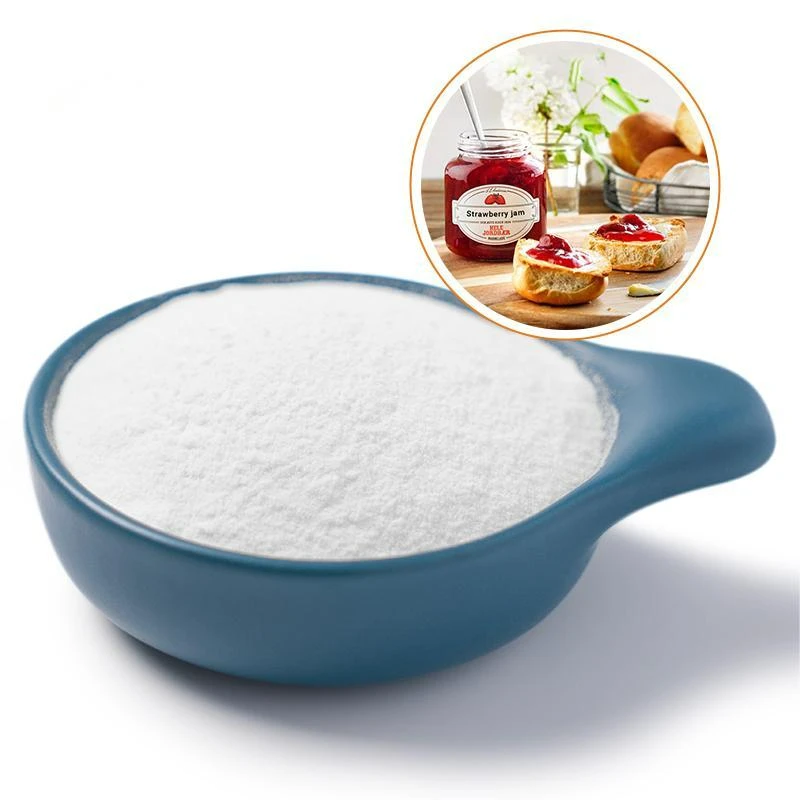
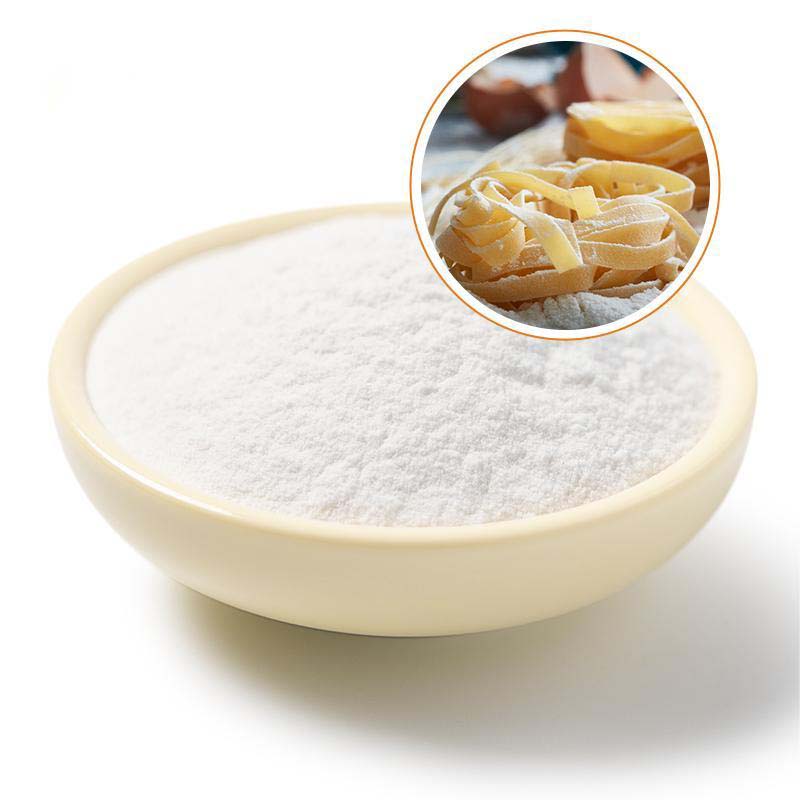
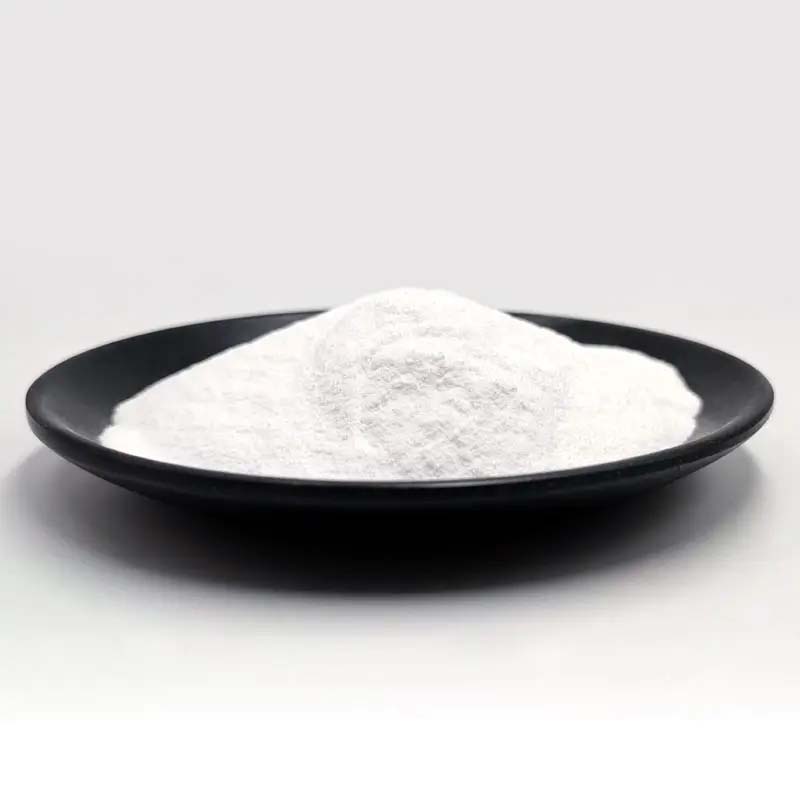
Hydroxyethylcellulose Uses is a key solution in the industry, specifically within manufacturing, cosmetics, and construction sectors. This article explores how https://www.pezetech.com supports professionals with durable, high-performance products, and explains why this product is an ideal choice for businesses in these sectors.
Table of Contents
- Hydroxyethylcellulose Uses Overview
- Benefits & Use Cases of Hydroxyethylcellulose Uses
- Cost, Maintenance & User Experience
- Sustainability & Market Trends
Hydroxyethylcellulose Uses Overview
If you’ve ever tinkered with thickening agents or stabilizers in industrial products, you might be familiar with hydroxyethylcellulose (HEC). It’s a chemical cellulose derivative that’s water-soluble and widely appreciated for its thickening, suspending, and binding qualities. Frankly, it’s the unsung hero in many formulations—from paint to personal care products. Its relevance is particularly pronounced in industries that require reliable viscosity control or moisture retention.
To be a bit technical, hydroxyethylcellulose molecules are crafted by reacting cellulose with ethylene oxide, which gives them this flexible ether structure. This allows the compound to dissolve smoothly in cold or hot water, creating gels or solutions with varying thickness depending on concentration. In practical testing scenarios, HEC has demonstrated excellent compatibility across pH ranges of 3 to 12 and holds shear-thinning properties, meaning it behaves predictably under different stresses. At Pezetech, their batches undergo rigorous quality control to ensure consistency — an aspect many B2B decision makers appreciate when scaling production.
Benefits & Use Cases of Hydroxyethylcellulose Uses
So where does hydroxyethylcellulose really shine? Well, it plays a leading role in cosmetics as a thickener in lotions and shampoos, providing smooth textures without sticky residues. In construction, it serves as a water retention agent in mortars and renders, which helps improve workability and cure times—oddly enough, this benefits both drying speeds and final strength. Plus, in paints and coatings, it boosts suspension, preventing pigment sedimentation.
One key advantage is its versatility: you can fine-tune its molecular weight and substitution levels for custom viscosity. This means one manufacturer might use it to enhance product flow during application, while another leans on it for long-term stability. Many companies find it superior to alternatives like methylcellulose because it dissolves easily, has no off-odor, and maintains performance at various temperatures. The “clean label” nature also appeals increasingly to eco-conscious brands.
| Specification | Typical Range | Remarks |
|---|---|---|
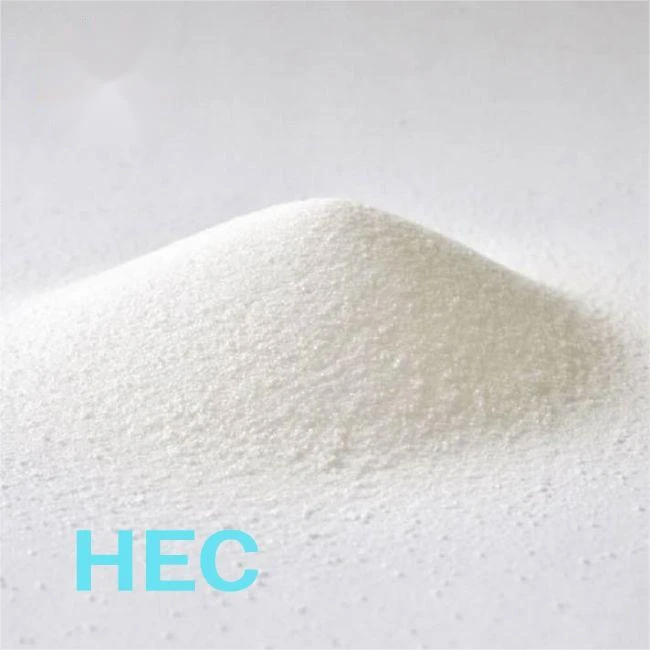
| Appearance | White to off-white powder | Fine granule form |
| Viscosity (2% solution) | 3000 - 7000 mPa·s | Depending on molecular weight |
| pH Stability | 3 – 12 | Versatile in formulations |
| Solubility | Cold and hot water | Nonionic, stable |
Cost, Maintenance & User Experience
When making purchasing decisions, cost-effectiveness is never far from mind. Hydroxyethylcellulose offers a great balance of affordability and performance. Its ease of dissolution means less downtime and simpler handling in production lines – which can translate to significant savings on labor and equipment wear.
Take a glance at feedback from various sectors: many users cite how it reduces waste by minimizing clumping or separation in mixtures. Plus, because it is plant-derived and generally well-tolerated, it cuts down on regulatory headaches that sometimes accompany synthetic polymers. The ROI can be surprisingly quick, especially if your process benefits from reduced raw material degradation or enhanced product shelf life.
| Vendor | Price per kg | Technical Support | Consistency | Sustainability |
|---|---|---|---|---|
| Pezetech | $2.50 | Excellent - Tech consulting included | High – Strict QC | Yes – Eco-friendly sourcing |
| Vendor B | $2.30 | Limited | Medium – Batch variations reported | No |
| Vendor C | $2.70 | Good | Good | Partial |
Sustainability & Market Trends
In recent years, sustainability has become not just a buzzword but a mandate in B2B sectors. Hydroxyethylcellulose aligns well with this push because it’s derived from renewable plant materials rather than petrochemicals, which is a big plus for companies aiming to reduce carbon footprints.
Regulatory shifts, especially in Europe and North America, now encourage or require biocompatible and biodegradable ingredients where possible. This means HEC is set to gain even more traction. Oddly enough, some sectors initially skeptical about performance have warmed up due to improvements in production technology and ever-more stringent quality standards. Market research forecasts suggest steady growth in the hydroxyethylcellulose market, reflecting its expanding applications.
Frequently Asked Questions about Hydroxyethylcellulose Uses
- What is Hydroxyethylcellulose Uses and how does it work?
- Hydroxyethylcellulose uses refer to the practical applications of this water-soluble polymer as a thickener, stabilizer, and binder in various industries. It works by increasing the viscosity of liquids and stabilizing suspensions, thanks to its molecular structure that can bind water and form gels.
- What are the main benefits of using Hydroxyethylcellulose Uses in industrial applications?
- The primary benefits include enhanced product texture, improved stability, cost-effectiveness through reduced waste, compatibility with a wide pH range, and renewable sourcing. It also helps in controlling product flow and moisture retention, which are crucial in cosmetics, paints, and construction materials.
- How does Hydroxyethylcellulose Uses compare to traditional alternatives?
- Compared to traditional thickeners like methylcellulose or synthetic polymers, hydroxyethylcellulose often dissolves faster, has fewer impurities, and offers better stability in various formulations. It is also generally considered more eco-friendly, though specific performance depends on the application.
- What industries can benefit most from Hydroxyethylcellulose Uses implementation?
- Major beneficiaries include cosmetics manufacturers, paint and coating formulators, construction material producers, and even pharmaceuticals. Within these areas, its use ranges from improving product consistency to aiding in application ease and durability.
Conclusion on Hydroxyethylcellulose Uses from china
To sum it up, Hydroxyethylcellulose Uses remain a cornerstone ingredient for many industrial and commercial processes. Its versatility, eco-friendly profile, and cost-performance balance make it a smart pick for B2B decision makers aiming for high-quality, reliable results. Pezetech’s commitment to quality and service only sweetens the deal.
- You get consistency and expert support with Pezetech’s products.
- Visit our website: https://www.pezetech.com
Reflecting on industrial feedback and expanding market demands, hydroxyethylcellulose use is more than just practical—it’s quickly becoming essential for sustainable growth across sectors.
References:
1. “Hydroxyethylcellulose - Chemical and Physical Overview,” Industrial Polymers Journal, 2023.
2. Pezetech Quality Assurance Reports, 2023.
3. Market Analysis: Global Cellulose Derivatives, 2024.
-
What Is VAE Powder? Complete Guide to Redispersible Polymer Powder (RDP) for ConstructionNewsApr.21,2026
-
HPMC Manufacturers in ChinaNewsApr.21,2026
-
What Is Redispersible Polymer Powder (RDP)? Complete Guide to VAE RDP for Mortar ApplicationsNewsApr.21,2026
-
Top Guide to Selecting Professional vae emulsion manufacturersNewsApr.16,2026
-
Viscosity of HPMCNewsApr.15,2026
-
HPMC Powder UsesNewsApr.15,2026