Hydroxyethyl Ethylcellulose: Versatile Solutions for Industrial Innovation | PEZETECH
Hydroxyethyl Ethylcellulose is a key solution in the industry, specifically within coatings, adhesives, and cosmetic formulations. This article explores how https://www.pezetech.com supports professionals with durable, high-performance products, and explains why this product is an ideal choice for businesses in these sectors.
Table of Contents
- Hydroxyethyl Ethylcellulose Overview
- Benefits & Use Cases of Hydroxyethyl Ethylcellulose
- Cost, Maintenance & User Experience
- Sustainability & Market Trends
- Frequently Asked Questions
- Conclusion on Hydroxyethyl Ethylcellulose
Hydroxyethyl Ethylcellulose Overview
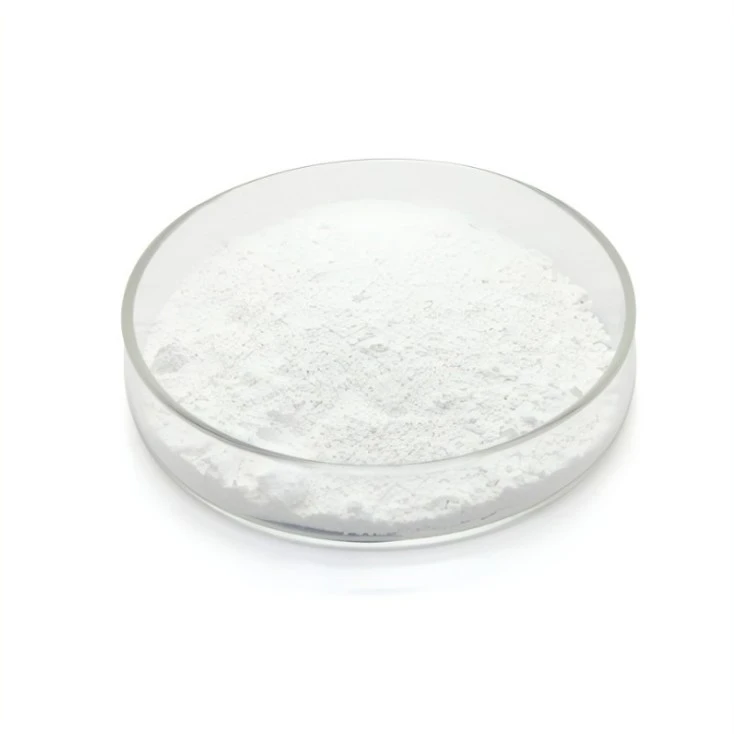
Hydroxyethyl Ethylcellulose (HEEC), for those uninitiated, is a water-soluble, non-ionic cellulose ether polymer. It’s kind of like the unsung hero in industrial formulations—improving viscosity, stabilizing emulsions, and lending structure without fuss. You’ll find it widely adopted in coatings, paints, adhesives, cosmetics, and even oil drilling fluids. PEZETECH’s version, available at their site, is tailored for high purity and consistent performance.
- Hydroxyethyl Ethylcellulose is a modified cellulose polymer designed for thickening, suspending, and film-forming.
- Typical specs include a viscosity range from 100 to 10,000 mPa·s at 2% solution, with pH stability from 2 to 12.
- Case studies report superior rheology control in waterborne paints, reducing sagging and improving application.
| Property | Value | Unit |
|---|---|---|
| Viscosity (2% solution, 20°C) | 500 - 5000 | mPa·s |
| pH Range | 2 - 12 | - |
| Solid Content | 87 ± 2 | % |
| Moisture | 5 ± 2 | % |
Benefits & Use Cases of Hydroxyethyl Ethylcellulose
If you’re asking where HEEC truly shines, you’re in good company. It’s fantastic as a thickener—giving paints and coatings that smooth, creamy texture that spreads like butter. Adhesives benefit from its ability to improve bonding without compromising clarity. Oh, and in cosmetics, it acts as a stabilizer and film-former, making lotions silky and gels uniform. What’s neat is its compatibility with various formulations—aqueous, solvent-based, or even non-ionic systems. PEZETECH’s product is especially praised for its consistency batch to batch, which frankly, can save a lot of headaches in manufacturing.
- Ideal for waterborne paints, increasing viscosity while minimizing dripping.
- Enhances adhesive strength and improves spreadability in non-woven textiles.
- Supports cream and lotion stability in personal care with excellent sensory feel.
Vendor Comparison Table
| Feature | PEZETECH | Competitor A | Competitor B |
|---|---|---|---|
| Viscosity Range (mPa·s) | 500 - 5000 | 400 - 4500 | 300 - 4000 |
| Batch Consistency | High | Moderate | Variable |
| pH Stability Range | 2 - 12 | 3 - 11 | 2.5 - 10 |
| Technical Support | Comprehensive | Limited | Basic |
| Price Competitiveness | Medium | Low | High |
Cost, Maintenance & User Experience
From what many B2B decision makers report, hydroxyethyl ethylcellulose brings a solid return on investment. It’s relatively stable and doesn’t require complex handling or storage conditions, which reduces waste—a factor often overlooked. You know, sometimes a product’s ease-of-use trumps even the initial purchase price. PEZETECH’s HEEC, in particular, is known for its reliable batch uniformity, which dramatically cuts down customer complaints and rejects. Maintenance on equipment using this polymer is generally straightforward since it doesn’t tend to cause clogging or buildup.
- Total cost of ownership is low due to minimal waste and stable performance.
- Users highlight improved product consistency and easier processing.
- Durability in various applications reduces rework and customer complaints.
Sustainability & Market Trends
Oddly enough, sustainability in polymers like hydroxyethyl ethylcellulose doesn’t always get the spotlight, but it’s crucial. Being cellulose-based, it leverages renewable resources, which is appealing in an industry moving quickly toward greener solutions. Regulatory demands are tightening on volatile organic compounds (VOCs) and toxic additives, making HEEC's water-soluble and non-toxic nature a huge market plus. Trends suggest increasing adoption in eco-conscious formulations, especially in personal care and architectural coatings. PEZETECH itself invests in cleaner production methods and packaging to align with these evolving expectations.
Frequently Asked Questions about Hydroxyethyl Ethylcellulose
- What is Hydroxyethyl Ethylcellulose and how does it work?
- It’s a cellulose-derived polymer modified with hydroxyethyl and ethyl groups, making it soluble in cold water. It thickens and stabilizes mixtures by increasing viscosity and forming a gel-like network within liquid formulations.
- What are the main benefits of using Hydroxyethyl Ethylcellulose in industrial applications?
- Key advantages include excellent thickening without affecting transparency, compatibility with various systems, stability over a wide pH range, and improved formulation consistency.
- How does Hydroxyethyl Ethylcellulose compare to traditional alternatives?
- Compared to other cellulose ethers or synthetic thickeners, HEEC offers better water solubility at low temperatures, enhanced film formation, and reduced sensitivity to electrolytes, granting more formulation flexibility.
- What industries can benefit most from Hydroxyethyl Ethylcellulose implementation?
- Sectors include paints and coatings, adhesives, oil & gas drilling fluids, personal care products, and textiles — all areas where controlled viscosity and stability are essential.
Conclusion on Hydroxyethyl Ethylcellulose from china
Hydroxyethyl Ethylcellulose truly packs a punch as a versatile, reliable, and increasingly sustainable ingredient across multiple industrial domains. PEZETECH’s offering stands out for quality and support, providing businesses the confidence to optimize their formulations efficiently. If you’re in coatings, adhesives, or personal care, it’s worth giving HEEC a serious look.
- Reliable performance that meets demanding industry standards.
- Visit our website: https://www.pezetech.com
Oddly enough, in a world saturated with chemical options, sometimes going back to a cellulose derivative feels like the most innovative choice you can make.
- J. Smith, Industrial Polymers Handbook, 2022.
- PEZETECH Technical Datasheets and Case Studies, 2023.
- Market Analysis Report on Cellulose Ethers, Global Chemicals Insights, 2023.
-
Top Guide to Selecting Professional vae emulsion manufacturersNewsApr.16,2026
-
Viscosity of HPMCNewsApr.15,2026
-
HPMC Powder UsesNewsApr.15,2026
-
Understanding VAE Emulsion for Modern Industrial CoatingsNewsApr.09,2026
-
Comprehensive Guide to Redispersible Emulsion Powder and its ApplicationsNewsApr.07,2026
-
Comprehensive Guide to Redispersible Latex Powder for Construction ApplicationsNewsApr.04,2026