Hydroxyethyl Cellulose Powder – Essential Guide to Properties, Uses & Trends
Understanding Hydroxyethyl Cellulose Powder: Its Role and Relevance in Today’s Industries
Hydroxyethyl cellulose powder (HEC) might sound like a mouthful, but it holds a quiet yet powerful place in many industrial and consumer applications worldwide. From cosmetics to construction, this water-soluble polymer excels by improving texture, stability, and performance of countless products. As global markets push for more sustainable and efficient materials, understanding hydroxyethyl cellulose powder isn’t just academic — it’s practical. It matters because in an increasingly resource-conscious world, materials like HEC contribute to safer, more reliable goods that touch our daily lives more than you might realize.
Introduction: Why Hydroxyethyl Cellulose Powder Matters Globally
Globally, the market for cellulose derivatives like hydroxyethyl cellulose powder is expanding rapidly. According to ISO standards and UN sustainability goals, industries are encouraged to adopt materials that enhance product longevity, reduce environmental impact, and ensure safer working conditions. For example, in 2023, the cellulose ether market was projected to exceed $3 billion globally (Source: Industry Research). This surge mainly hinges on demands from pharmaceuticals, paints, adhesives, and food sectors.
One key challenge this addresses is the need for dependable thickening and stabilizing agents that can replace synthetic polymers derived from petroleum. Given rising concerns about sustainability and resource depletion, hydroxyethyl cellulose powder, derived from natural cellulose, emerges as a promising alternative. Oddly enough, such an unassuming powder is indirectly helping industries reinvent their product formulations — lowering carbon footprints while improving quality.
What Exactly Is Hydroxyethyl Cellulose Powder?
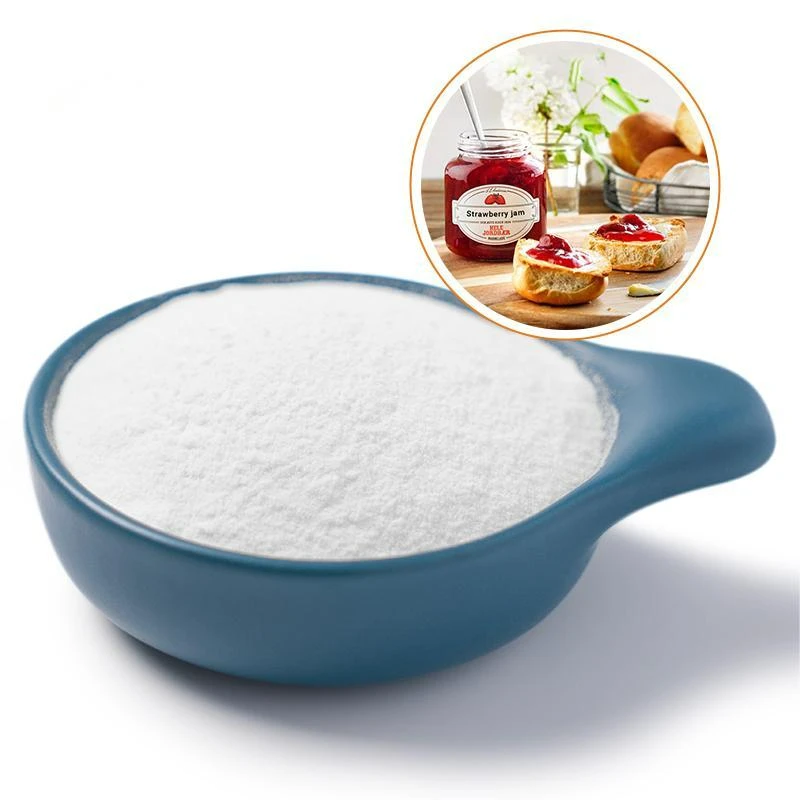
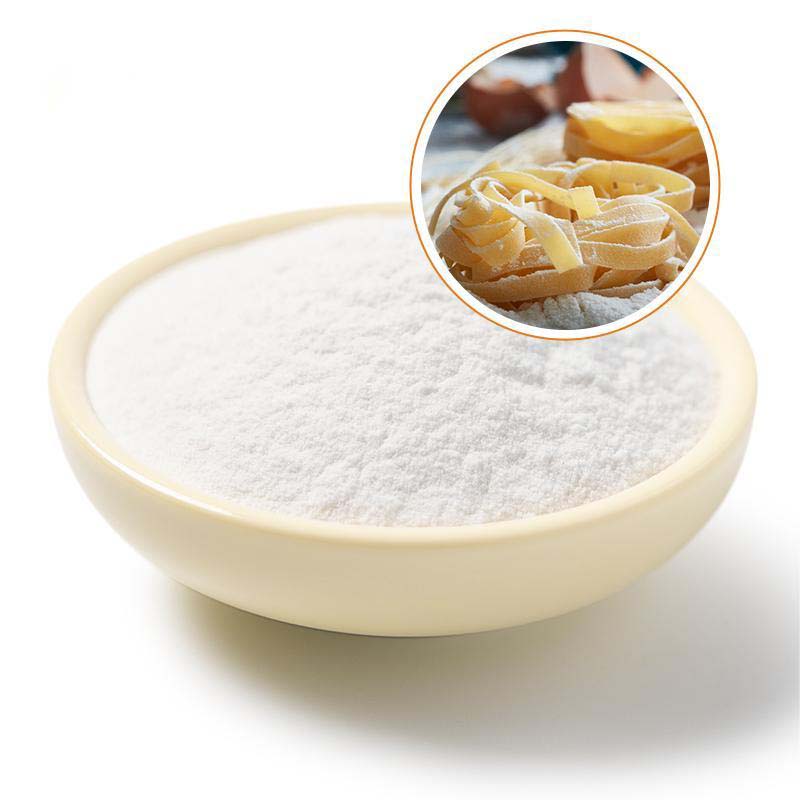
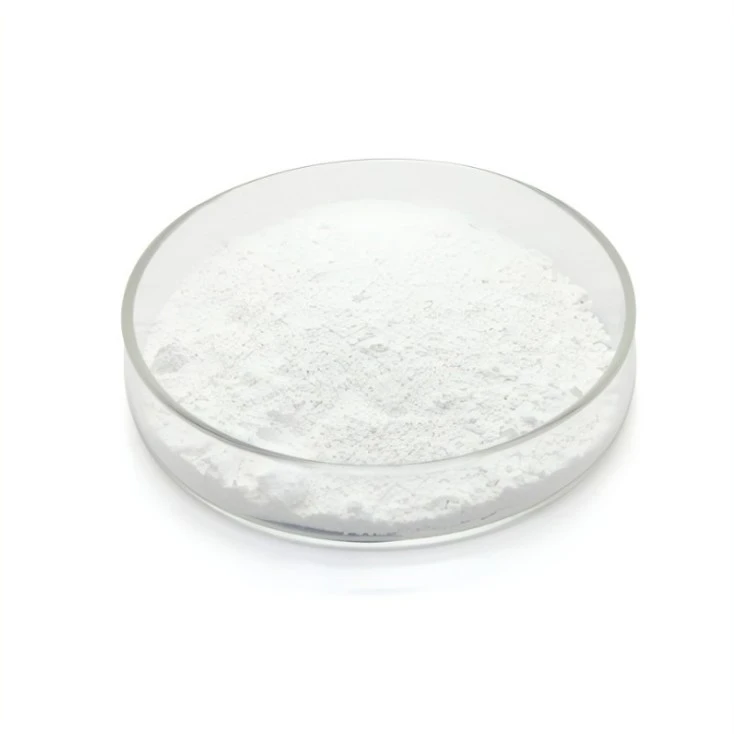
In plain words, hydroxyethyl cellulose powder is a non-ionic, water-soluble polymer made by chemically modifying cellulose fibers (which come from wood pulp or cotton). It’s a white to cream-colored powder that dissolves into clear, viscous solutions. Think of it as a natural thickener that can also act as a binder or film former. This is why it’s so popular in sectors requiring smooth textures and robust product consistency.
This powder fits snugly into modern industry requirements — it’s biodegradable and compatible with many chemicals, making it an eco-friendlier, flexible choice compared to fully synthetic materials. Humanitarian efforts, especially in areas needing swiftly deployable and safe hygiene or medical products, also see its value.
Core Characteristics of Hydroxyethyl Cellulose Powder
- Viscosity Control: Adjusting concentration and molecular weight controls thickness, vital for applications like paints and personal care products.
- Water Retention: Helps maintain moisture levels in products ranging from skin creams to cement mixtures.
- Thermal Stability: Performs well under varying temperatures, important for adhesives or construction compounds.
- pH Compatibility: Operates effectively in a wide pH range (4-12), meeting demands of diverse formulations.
- Non-Toxic & Biodegradable: Adds to growing environmental compliance standards globally.
- Film Forming Properties: Creates flexible films useful in coatings and pharmaceuticals.
Each of these factors relates deeply to how products behave in the real world. For example, viscosity isn’t just about thickness—it influences product stability during shipping and shelf life. Thermal stability matters when materials undergo temperature changes in industrial settings.
| Property | Value | Units |
|---|---|---|
| Appearance | White to cream powder | — |
| Viscosity (2% solution, 20°C) | 200-6000 | mPa·s |
| pH of 2% solution | 6.5 - 8.5 | — |
| Moisture content | 5% max | % |
| Solubility | Water | — |
Global Applications: Where and How Hydroxyethyl Cellulose Powder Is Used
Hydroxyethyl cellulose powder has found its way into multiple industries around the world, with especially high adoption in North America, Europe, and Asia. Let’s break it down:
- Cosmetics and Personal Care: Used as a thickening agent in lotions, shampoos, and creams, enhancing smooth application and moisture retention.
- Paints and Coatings: Serves as a rheology modifier to improve flow without compromising coverage.
- Pharmaceuticals: Acts as a binder and stabilizer in tablets and gels.
- Construction Materials: Improves workability of cement mortars and plaster, especially in hot or dry climates.
- Food Industry: Functions as a stabilizer and emulsifier in sauces, dressings, and baked goods.
For example, NGOs involved in disaster relief increasingly rely on HEC-based gels for wound care—because it’s nontoxic and helps maintain moisture, making recovery safer and less painful. Likewise, in India and China’s booming construction sectors, this powder helps create more durable buildings at lower costs.
Comparing Leading Hydroxyethyl Cellulose Powder Suppliers
| Vendor | Viscosity Range (mPa·s) | Price Range | Notes |
|---|---|---|---|
| Pezetech Ltd. | 200–5000 | $$ | Reliable quality, customizable grades, strong customer support. |
| CelluChem | 500–6000 | $$$ | Premium purity, great for pharma & cosmetics. |
| NatCell Products | 300–4500 | $ | Cost-effective, broad industrial utility, good for large scale projects. |
Advantages & Long-Term Value of Hydroxyethyl Cellulose Powder
Why fuss over hydroxyethyl cellulose powder instead of similar compounds? Frankly, it’s about versatility and sustainability.
- Cost Efficiency: Even at scale, HEC remains affordable due to wide availability of raw cellulose and straightforward processing.
- Eco-Friendly Appeal: Being biodegradable, it meshes well with rising environmental standards and consumer expectations.
- Reliability: Its stable chemical backbone means products last longer, perform better under stress, improving user confidence and brand trust.
- Safety and Dignity: In healthcare and personal care, it supports safer formulas that respect sensitive skin and vulnerable populations.
As one formulation chemist told me, “using HEC feels like working with a material that’s both old-school natural and new-age efficient — which is rare.” The blend of logic and emotion here matters for sustainable innovation.
Future Trends & Innovations Surrounding Hydroxyethyl Cellulose Powder
Looking ahead, two key trends stand out:
- Green Chemistry Advances: Innovations aim to produce hydroxyethyl cellulose powders through greener pathways, reducing water and energy use in manufacturing.
- Digital Formulation Tools: AI and automation are enabling faster, more precise mixing and testing of HEC-based products — shortening development cycles dramatically.
- Hybrid Materials: Combining HEC with nanomaterials or biopolymers to unlock enhanced mechanical properties for specialty applications.
This digital and sustainability push fits neatly into broader industry goals like the UN Sustainable Development Goals, with companies increasingly aligning product strategies to environmental and social governance criteria.
Challenges & Solutions in Using Hydroxyethyl Cellulose Powder
However, it’s not all smooth sailing. Some challenges include:
- Batch Variation: Natural source variability can lead to slight differences in performance.
- Solubility Speed: Sometimes requires extended mixing periods which may impact production timelines.
- Storage Sensitivity: Absorbs moisture easily, so packaging and storage logistics need careful control.
Industry experts counter these by combining better raw material control with modern mixing technologies and packaging solutions — like vacuum-sealed bags and moisture barrier liners. Plus, custom blends tailored to exact customer specs alleviate many standardization concerns.
FAQ: Common Questions About Hydroxyethyl Cellulose Powder
- What industries benefit most from hydroxyethyl cellulose powder?
- Primarily cosmetics, pharmaceuticals, food processing, paints, and construction. Each leverages its thickening, stabilizing, or film-forming qualities tailored to their unique needs.
- Is hydroxyethyl cellulose powder environmentally safe?
- Yes. It is biodegradable and derived from renewable cellulose, making it a greener alternative to synthetic polymers.
- How should hydroxyethyl cellulose powder be stored for optimal shelf life?
- Store in a cool, dry place, sealed tightly to avoid moisture absorption. Keep away from heat and direct sunlight to maintain quality.
- Can hydroxyethyl cellulose powder be customized?
- Absolutely. Vendors often offer grades with tailored viscosities, molecular weights, and purity to fit specific industrial applications.
- How is hydroxyethyl cellulose powder different from other cellulose ethers?
- HEC is non-ionic and soluble in cold and hot water, with excellent thickening and stabilizing properties, whereas others like carboxymethyl cellulose are ionic, affecting solubility and reactivity.
Wrapping Up: Why Hydroxyethyl Cellulose Powder Is Worth Knowing About
In real terms, hydroxyethyl cellulose powder quietly forms the backbone of many products we rely on, improving quality, sustainability, and safety. It’s a classic example of how natural chemistry, combined with modern science, meets complex industrial and social challenges. Whether you’re a manufacturer looking to optimize formulations or someone curious about what goes into the products in your life, getting familiar with this versatile powder pays dividends.
To explore more about hydroxyethyl cellulose powder and how it can fit your needs, visit https://www.pezetech.com.
Oddly enough, it’s the simple stuff—like a humble cellulose derivative—that often carries the biggest impact in our complex, interwoven world.
Quick Takeaway: Hydroxyethyl cellulose powder is an indispensable natural polymer, bridging sustainability and function across industries worldwide.
-
Top Guide to Selecting Professional vae emulsion manufacturersNewsApr.16,2026
-
Viscosity of HPMCNewsApr.15,2026
-
HPMC Powder UsesNewsApr.15,2026
-
Understanding VAE Emulsion for Modern Industrial CoatingsNewsApr.09,2026
-
Comprehensive Guide to Redispersible Emulsion Powder and its ApplicationsNewsApr.07,2026
-
Comprehensive Guide to Redispersible Latex Powder for Construction ApplicationsNewsApr.04,2026