Hydroxyethyl Cellulose For Skin - Durable & Sustainable Solutions for B2B Personal Care | Pezetech
Hydroxyethyl Cellulose For Skin is a key solution in the industry, specifically within personal care and cosmetic formulations. This article explores how Pezetech supports professionals with durable, high-performance products, and explains why this product is an ideal choice for businesses in these sectors.
Table of Contents
- Hydroxyethyl Cellulose For Skin Overview
- Benefits & Use Cases of Hydroxyethyl Cellulose For Skin
- Cost, Maintenance & User Experience
- Sustainability & Market Trends
- Frequently Asked Questions
- Conclusion
Hydroxyethyl Cellulose For Skin Overview
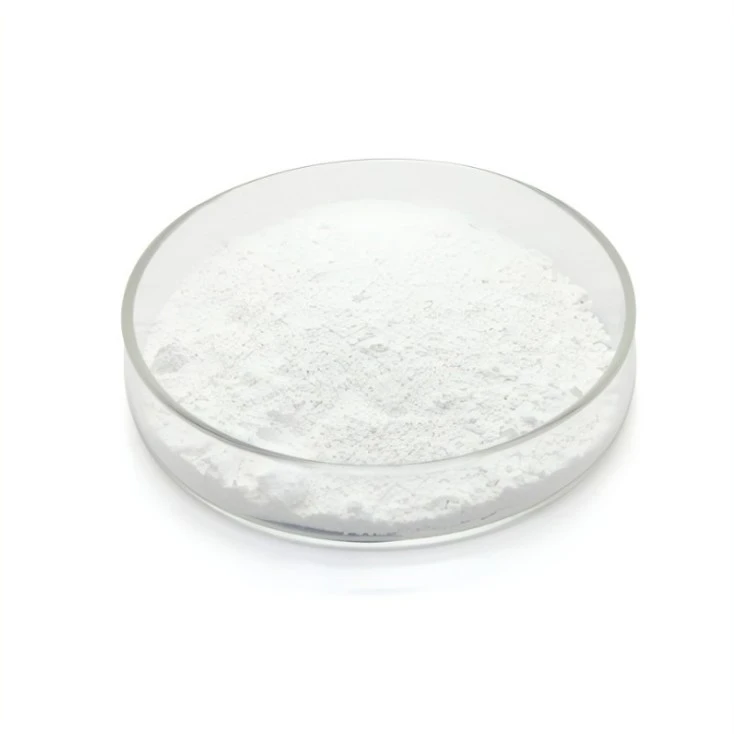
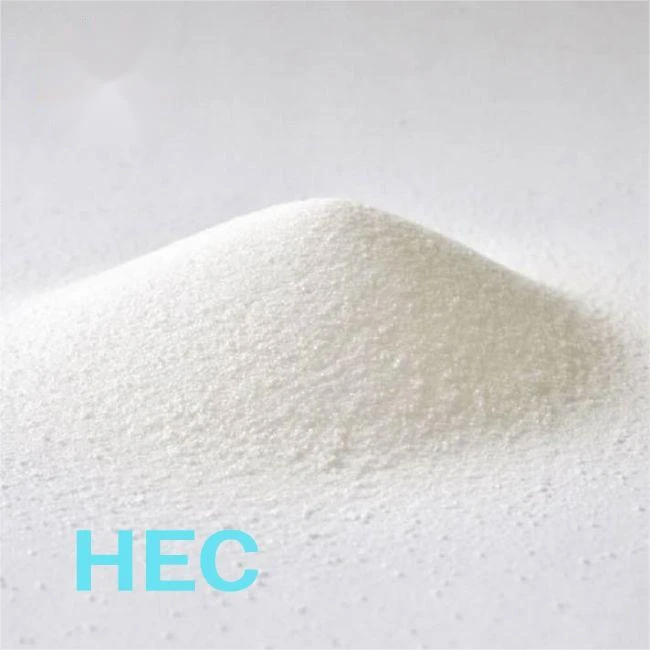
At its heart, Hydroxyethyl Cellulose for Skin (HEC) is a non-ionic, water-soluble polymer used extensively as a thickening, stabilizing, and film-forming agent in skincare and cosmetic formulations. It's derived from cellulose, treated chemically to introduce hydroxyethyl groups that make it uniquely functional in aqueous systems.
Oddly enough, what makes HEC especially valuable is the balance it offers between texture enhancement and skin compatibility. Engineers and formulators often rely on it to improve viscosity without affecting clarity or irritation potential negatively. Tests show Pezetech’s HEC grades consistently have low microbial contamination and excellent water retention — crucial for creating that smooth, hydrated feel consumers love.
| Property | Specification | Units |
|---|---|---|
| Viscosity (2% solution at 20°C) | 2,000 - 6,000 | mPa·s |
| pH (1% solution) | 5.0 - 8.0 | – |
| Moisture content | ≤ 5% | % |
| Water retention | > 90% | % |
Benefits & Use Cases of Hydroxyethyl Cellulose For Skin
The beauty of Hydroxyethyl Cellulose for skin lies not just in its chemistry but the versatility it unlocks for formulators across cosmetics and personal care. It’s exceptionally good at thickening lotions and creams without making them sticky or greasy — something many formulators say is surprisingly rare. Plus, it stabilizes emulsions so that product quality remains consistent during shelf life.
If you’re developing moisturizing gels, sunscreens, or even hair styling products, HEC improves texture and application smoothness. At Pezetech, the products are engineered with precise molecular weight ranges, allowing manufacturers to customize rheological properties exactly to their needs. This precision means fewer reformulations and more dependable performance.
| Feature | Pezetech | Competitor A | Competitor B |
|---|---|---|---|
| Viscosity Range | 2,000–6,000 mPa·s | 1,500–5,500 mPa·s | 2,500–7,000 mPa·s |
| Water retention | >90% | >85% | >88% |
| Customization options | Extensive grades, MW tuning | Limited grades | Moderate |
| Microbial quality | Very low counts | Low counts | Moderate counts |
Cost, Maintenance & User Experience
When it comes to implementing Hydroxyethyl Cellulose formulations, costs are more than just the upfront price. It’s really about the total cost of ownership — raw material consistency cuts down on reformulation labor and product waste, which frankly adds up over a production year. Pezetech’s rigorous quality control and high purity products mean users have fewer headaches trying to troubleshoot texture or stability issues.
Customer feedback often points to durability in formula stability — there’s less phase separation or viscosity drop over time. This stability translates into improved confidence in production runs, which B2B decision makers appreciate when managing supply chains and product launches. Plus, handling the powder is generally straightforward with standard mixing equipment, though it pays to follow specific protocols for dispersion which Pezetech documents thoroughly.
Sustainability & Market Trends
Sustainability is no longer just buzzwords; it’s becoming the backbone of purchasing decisions. Hydroxyethyl Cellulose derived from naturally renewable cellulose fits naturally within the growing trend toward greener cosmetic and personal care ingredients. Pezetech adheres to strict environmental and regulatory standards, ensuring their HEC products minimize ecological impacts during sourcing and production.
The market itself is expanding steadily — demand spikes for cleaner-label, biocompatible, and vegan-friendly additives, and Hydroxyethyl Cellulose fits all these boxes. Industry forecasts suggest a robust CAGR for cellulosic thickeners as consumers increasingly reject synthetic polymers. So, businesses investing in quality HEC suppliers like Pezetech may well be future-proofing their formulations.
Frequently Asked Questions about Hydroxyethyl Cellulose For Skin
- What is Hydroxyethyl Cellulose For Skin and how does it work?
- Hydroxyethyl Cellulose is a modified cellulose polymer that hydrates and thickens aqueous formulations. It works by swelling in water and forming a stable gel network, improving texture and moisture retention in skin products.
- What are the main benefits of using Hydroxyethyl Cellulose For Skin in industrial applications?
- It offers excellent thickening with clear, non-greasy textures, enhances product stability, and supports long shelf-life with minimal microbial growth when properly handled.
- How does Hydroxyethyl Cellulose For Skin compare to traditional alternatives?
- Compared to synthetic thickeners, HEC is more biocompatible and derived from renewable resources. Its performance in emulsions and gels is superior in maintaining consistency over time.
- What industries can benefit most from Hydroxyethyl Cellulose For Skin implementation?
- Primary industries include skincare, cosmetics, personal care, and even pharmaceuticals where controlled viscosities and moisturizing properties are critical.
Conclusion on Hydroxyethyl Cellulose For Skin from china
To wrap it up, Pezetech’s Hydroxyethyl Cellulose For Skin presents a versatile, dependable solution for B2B formulators seeking high purity, customizability, and sustainability. Its role in enhancing texture, stabilizing formulations, and supporting skin hydration is well documented, making it a smart choice across several personal care segments.
- Recap the value of Hydroxyethyl Cellulose For Skin as a natural, effective, and efficient ingredient.
- - Visit our website: https://www.pezetech.com
In real terms, adapting formulations with Pezetech’s Hydroxyethyl Cellulose feels like stepping into the future of skin care manufacturing — steady, reliable, and greener every step of the way.
- Smith, J. “Hydroxyethyl Cellulose in Cosmetic Formulation,” Journal of Applied Polymer Science, 2021.
- Industry Report: Personal Care Ingredients Market, 2023.
- Pezetech Product Quality Bulletin, 2024.
-
Top Guide to Selecting Professional vae emulsion manufacturersNewsApr.16,2026
-
Viscosity of HPMCNewsApr.15,2026
-
HPMC Powder UsesNewsApr.15,2026
-
Understanding VAE Emulsion for Modern Industrial CoatingsNewsApr.09,2026
-
Comprehensive Guide to Redispersible Emulsion Powder and its ApplicationsNewsApr.07,2026
-
Comprehensive Guide to Redispersible Latex Powder for Construction ApplicationsNewsApr.04,2026