Industrial Advantages of Hydroxy Cellulose | Pezetech Solutions
Hydroxy Cellulose is a key solution in the industry, specifically within various sectors where viscosity modification and film-forming agents are crucial. This article explores how https://www.pezetech.com supports professionals with durable, high-performance products, and explains why this product is an ideal choice for businesses in these sectors.
Table of Contents
- Hydroxy Cellulose Overview
- Benefits & Use Cases of Hydroxy Cellulose
- Cost, Maintenance & User Experience
- Sustainability & Market Trends
Hydroxy Cellulose Overview
Hydroxy Cellulose, broadly speaking, is a cellulose derivative modified with hydroxy groups, often used as a thickener, binder, or stabilizer in a variety of industrial formulations. It’s pretty remarkable how such a natural-origin compound plays a role in industries ranging from paints and coatings to pharmaceuticals and cosmetics. At Pezetech, the focus is on purity and consistency, delivering Hydroxy Cellulose grades that meet demanding specifications.
- Hydroxy Cellulose’s chemical structure enables it to improve viscosity and film formation, which is crucial in coatings and adhesives.
- For instance, in a recent case, a paint manufacturer leveraged Pezetech’s Hydroxy Cellulose to enhance shelf life without compromising smoothness or spreadability.
Benefits & Use Cases of Hydroxy Cellulose
Frankly, Hydroxy Cellulose’s versatility is what makes it stand out. It acts as a thickening agent in water-based paints, improves texture in personal care products, and even stabilizes suspensions in pharmaceuticals. Its film-forming properties give coatings a glossy finish and durability that often surpasses traditional options.
- In construction, Hydroxy Cellulose enhances mortar adhesion and workability, making formulas more resilient to stress and cracking.
- Compared to some synthetic thickeners, Hydroxy Cellulose is more environmentally friendly, biodegradable, and sourced from renewable materials.
| Parameter | Typical Value | Unit |
|---|---|---|
| Viscosity (2% solution) | 2000 - 6000 | mPa·s |
| pH (1% solution) | 6.5 - 8.0 | |
| Moisture | 4% max | % |
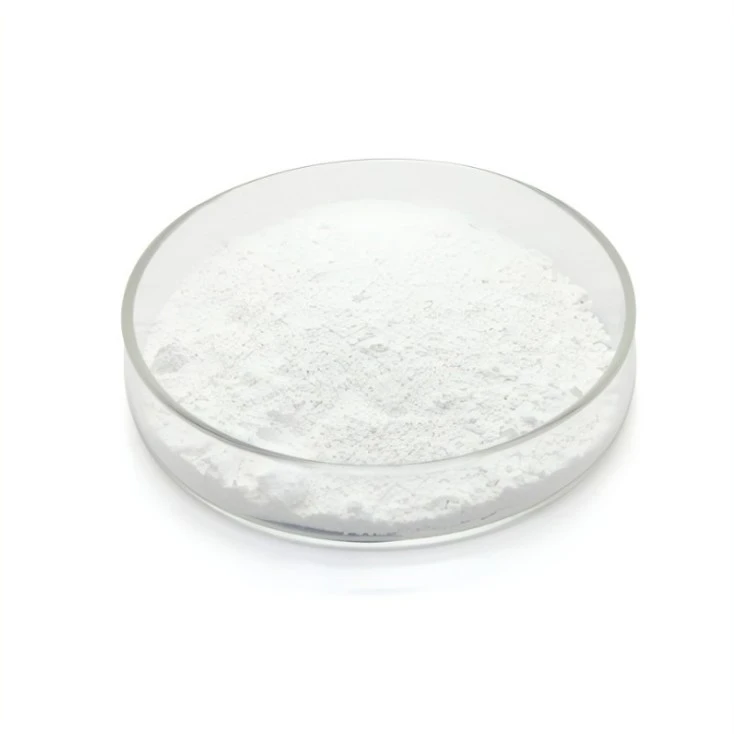
| Appearance | White to off-white powder |
Cost, Maintenance & User Experience
When considering Hydroxy Cellulose, one might wonder about the total cost of ownership. In real terms, while the initial material cost is competitive, its ability to reduce additives and improve longevity often results in lower overall expenditure. That’s a win-win when you think about it.
- Durability-wise, products formulated with Pezetech’s Hydroxy Cellulose tend to require less rework and maintenance — a key point echoed by many industry specialists I’ve spoken to.
- Customer feedback often highlights enhanced texture and stability, reducing waste and handling issues on-site or in production lines.
| Feature | Pezetech | Competitor A | Competitor B |
|---|---|---|---|
| Viscosity Range (mPa·s) | 2000–6000 | 1500–5000 | 1800–5500 |
| Biodegradable | Yes | Partial | No |
| Customer Satisfaction | High | Medium | Medium-Low |
| Average Lead Time | 2 weeks | 3-4 weeks | 2-3 weeks |
Sustainability & Market Trends
Sustainability is more than a buzzword now; it’s an imperative across all manufacturing sectors. Hydroxy Cellulose, being derived from natural cellulose, fits nicely in the green chemistry theorem. It biodegrades without harmful residues, easing regulatory compliance worries. Oddly enough, this gives companies a way to future-proof formulations.
- Increasingly stringent environmental regulations around VOCs and plasticizers mean that natural thickeners like Hydroxy Cellulose are gaining traction.
- Market growth projections suggest a steady rise in demand, particularly in Asia and Europe, synchronizing well with eco-conscious product development.
Frequently Asked Questions about Hydroxy Cellulose
- What is Hydroxy Cellulose and how does it work?
- Hydroxy Cellulose is a chemically modified cellulose polymer that thickens liquids and stabilizes formulations. It works by forming a network of molecules that increases viscosity and helps maintain an even mix without separation.
- What are the main benefits of using Hydroxy Cellulose in industrial applications?
- Key benefits include excellent thickening efficiency, improving product texture, enhancing stability, biodegradability, and compatibility with water-based systems which lowers the environmental footprint.
- How does Hydroxy Cellulose compare to traditional alternatives?
- Compared to traditional synthetic thickeners, Hydroxy Cellulose often offers better biodegradability and a more natural origin, with comparable if not superior performance in viscosity control and film formation.
- What industries can benefit most from Hydroxy Cellulose implementation?
- Industries like paints and coatings, construction (mortars and plasters), personal care, pharmaceuticals, and adhesives find Hydroxy Cellulose particularly useful for enhancing product performance and sustainability.
Conclusion on Hydroxy Cellulose from china
To sum up, Hydroxy Cellulose remains a reliable, environmentally conscious choice for businesses aiming to improve formulation robustness and sustainability. Its role in today’s market is only becoming more critical as industries seek to balance performance with greener solutions. Curious decision makers should definitely visit https://www.pezetech.com to learn more about how specialized grades can address their unique challenges.
- Reinforces the value of Hydroxy Cellulose in durable, eco-friendly formulations.
- - "Visit our website: https://www.pezetech.com"
-
Top Guide to Selecting Professional vae emulsion manufacturersNewsApr.16,2026
-
Viscosity of HPMCNewsApr.15,2026
-
HPMC Powder UsesNewsApr.15,2026
-
Understanding VAE Emulsion for Modern Industrial CoatingsNewsApr.09,2026
-
Comprehensive Guide to Redispersible Emulsion Powder and its ApplicationsNewsApr.07,2026
-
Comprehensive Guide to Redispersible Latex Powder for Construction ApplicationsNewsApr.04,2026