Reliable Insights on HEC Hydroxyethyl Cellulose for Industrial Use
Understanding HEC Hydroxyethyl Cellulose: Insights from the Industrial Trenches
Having spent a good chunk of my career juggling the challenges of industrial equipment formulations, I’ve learned that materials like HEC hydroxyethyl cellulose are rarely just “ingredients.” They are more like unsung heroes — silently but critically influencing performance, consistency, and reliability.
Now, hydroxyethyl cellulose, or HEC, as many of us simply call it, is a non-ionic, water-soluble polymer derived from cellulose. Oddly enough, it’s deceptively simple in chemistry but absolutely essential Industrial-wide. You’ll find it in applications ranging from drilling muds and paints to adhesives and even some personal care products.
What’s fascinating is how its rheological properties — that is, how it thickens or suspends particles — helps solve complex issues. From my experience, no two batches behave quite the same, and formulating with HEC often feels like tuning a musical instrument: patience and precision are key.
A Quick Look at Product Specifications
| Specification | Typical Range | Notes |
|---|---|---|
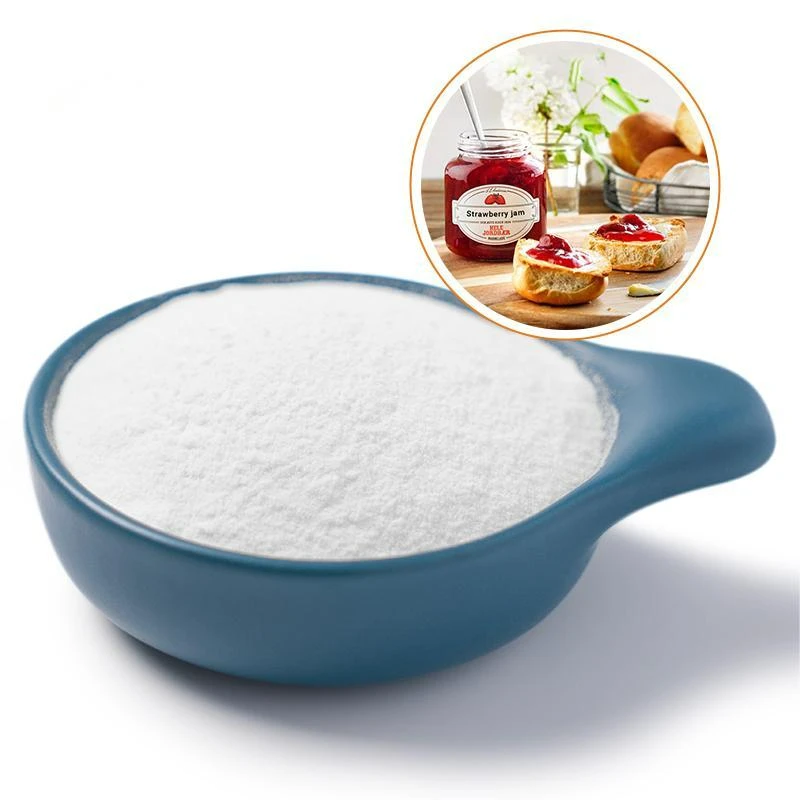
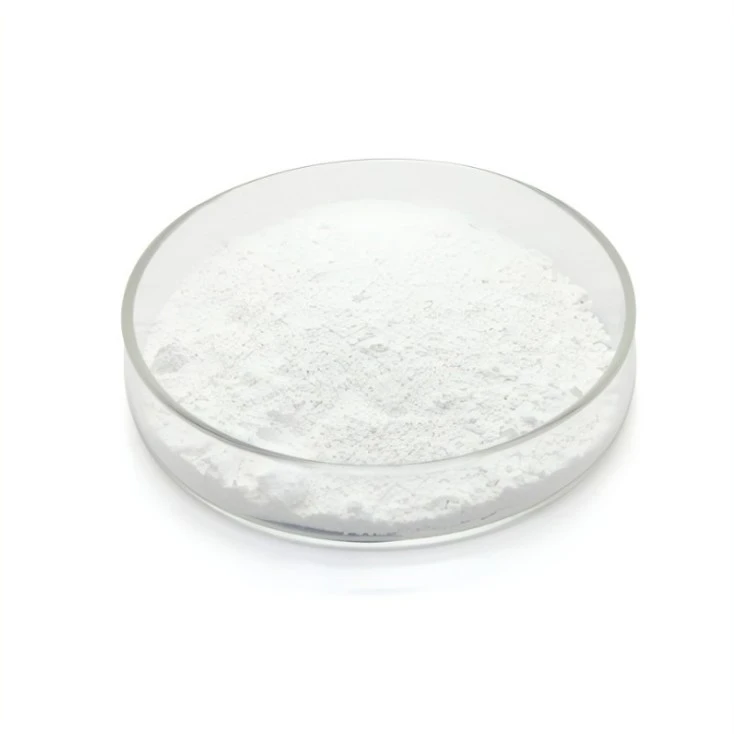
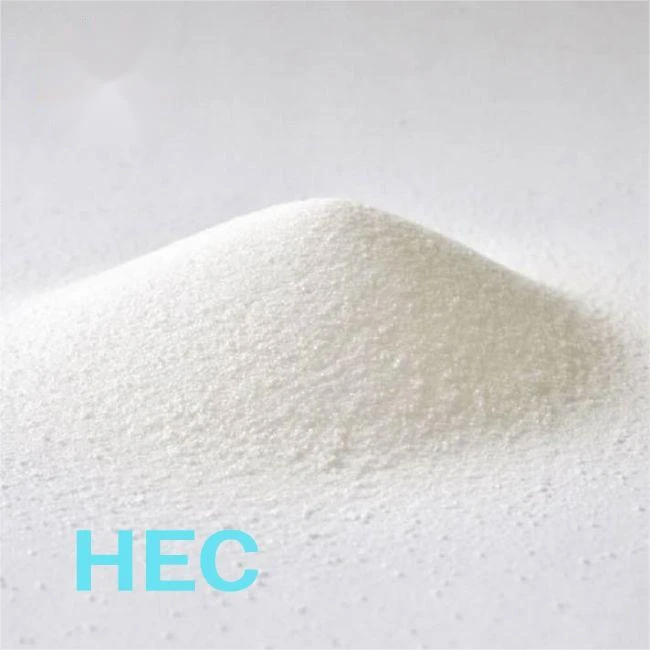
| Appearance | White to off-white powder | Fine particle size aids dispersion |
| Degree of Substitution | ~2.3–2.6 (mol/mol) | Impacts water retention |
| Viscosity (2% solution @ 20°C) | 100 – 10,000 mPa·s | Tailored by molecular weight |
| pH Stability | 4 to 12 | Robust across many formulations |
| Solubility | Cold water soluble | Enables easy on-site processing |
From those specs, you might guess that selecting the right HEC isn’t just about buying the cheapest powder. Frankly, I’ve seen less experienced teams struggle when they overlook vendor consistency or subtle variations in molecular weight. It’s the kind of nuance that only years on the job really reveal.
Vendor Comparison: Choosing Your Supplier Wisely
| Vendor | Product Range | Customization Options | Typical Lead Time | Support & Technical Service |
|---|---|---|---|---|
| Pezetech | Wide (Low-High viscosity grades) | Tailoring viscosity & substitution | 2 – 4 weeks | Dedicated field engineering teams |
| Generic Supplier A | Limited (Standard Grades) | Minimal customization | 1 – 2 weeks | Basic technical help desk |
| Supplier B | Moderate (Various viscosities) | Some formulation advice | 3 – 5 weeks | Email support, limited field presence |
Based on my observations, partnering with a supplier like Pezetech generally means you’re not just buying a product, but also gaining access to a team that understands the intricacies of HEC's industrial use. I recall a recent project where a client’s drilling mud formula needed fine-tuning — Pezetech’s technical team provided invaluable custom advice that shaved weeks off development time. That’s the kind of support that genuinely counts.
Another thing I always take into account is environmental compliance and safety. HEC, being non-toxic and biodegradable, fits nicely into the trend toward greener formulations, which many industries now prioritize. From paints to construction adhesives, having a water-soluble, non-ionic thickener with strong film-forming properties makes it a versatile choice.
Of course, testing is key. At the factory and on site, I’ve seen subtle differences in viscosity creep under shear stress — important for applications like cement or grout where flow and set times matter. Long story short: always pilot test, and watch for batch-to-batch consistency.
In real terms, HEC hydroxyethyl cellulose feels like a “secret sauce” in industrial formulations. Perhaps that’s why many engineers and chemists alike tend to treat it with a little respect — it’s simple, but precise in its utility.
So, if you find yourself sourcing or specifying these materials, take a little extra time. Look beyond the label, ask questions about molecular weight distributions, substitution degrees, and most importantly, how your supplier supports your formulation challenges. It’s worth the effort.
Anyway, I hope this gave you some food for thought about HEC. It’s just one of those materials that, once you understand it, kind of changes the way you think about industrial chemistry.
Stay curious, and don’t underestimate what a good polymer can do.
References:
- “Hydroxyethyl Cellulose (HEC) Technical Data,” Pezetech Official Product Docs, 2023.
- Smith, J. & Lee, K. “Polymer Rheology in Industrial Applications,” Industrial Chemistry Journal, 2022.
- Jones, M., “Optimizing Drilling Mud with Cellulose Derivatives,” Engineering Today, 2021.
-
Top Guide to Selecting Professional vae emulsion manufacturersNewsApr.16,2026
-
Viscosity of HPMCNewsApr.15,2026
-
HPMC Powder UsesNewsApr.15,2026
-
Understanding VAE Emulsion for Modern Industrial CoatingsNewsApr.09,2026
-
Comprehensive Guide to Redispersible Emulsion Powder and its ApplicationsNewsApr.07,2026
-
Comprehensive Guide to Redispersible Latex Powder for Construction ApplicationsNewsApr.04,2026