Hydroxyethyl Methyl Cellulose: Global Applications, Benefits, and Product Insights
Understanding Hydroxyethyl Methyl Cellulose: Why It Matters Today
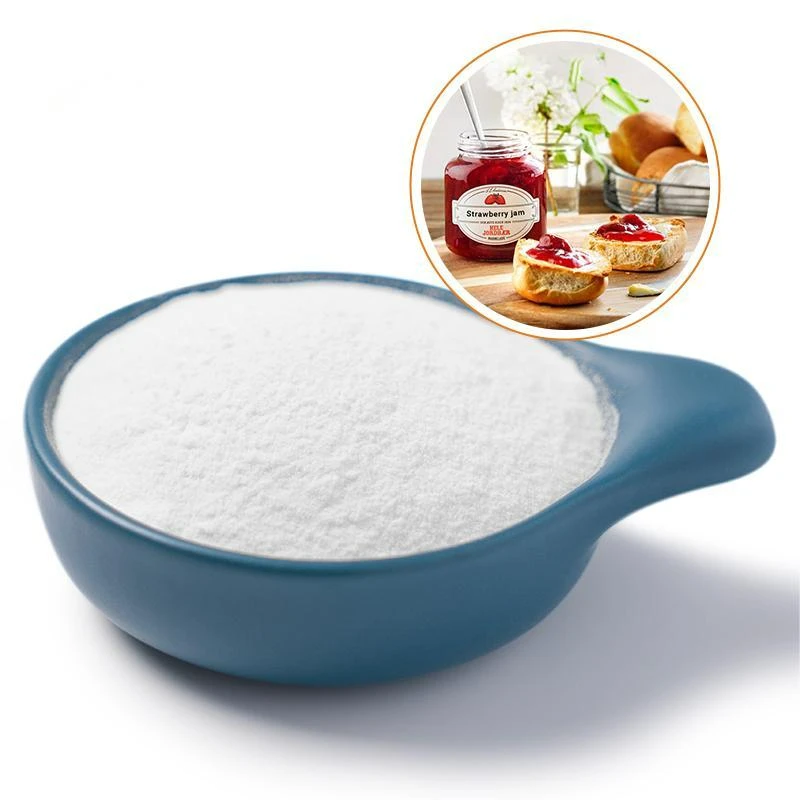
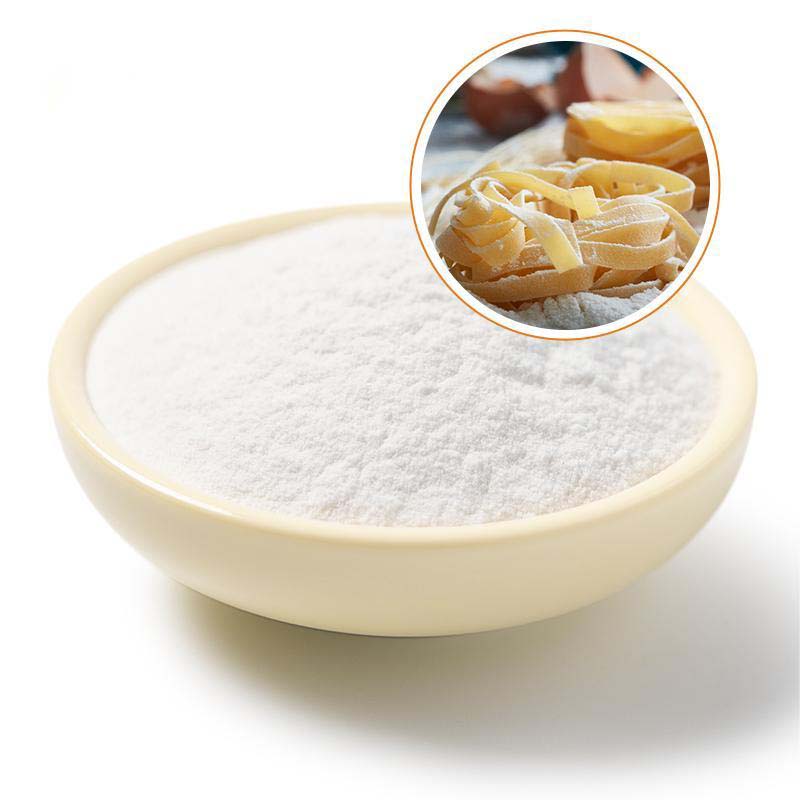
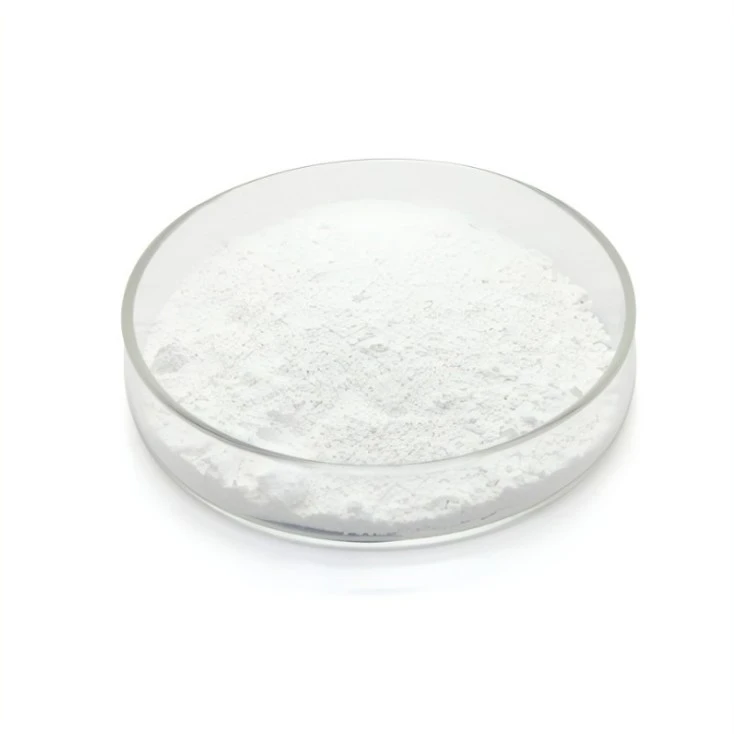
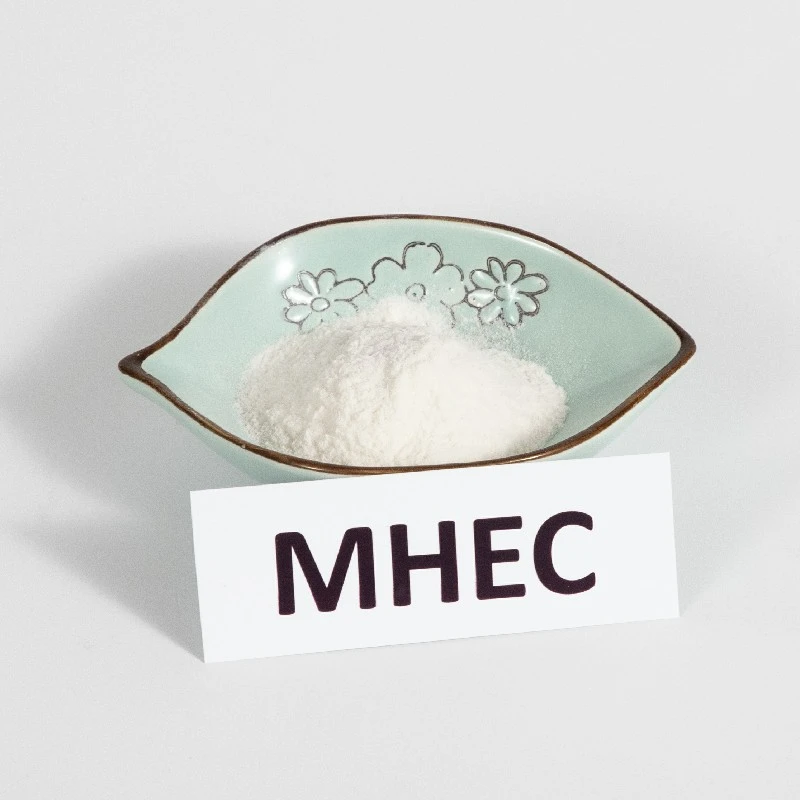
Hydroxyethyl methyl cellulose (HEMC) is one of those chemical marvels quietly transforming industries worldwide. Though it sounds like a mouthful, it’s basically a water-soluble polymer used extensively as a thickening agent, stabilizer, and binder in everything from construction materials to pharmaceuticals. Globally, understanding HEMC is a key piece of the puzzle when tackling challenges related to sustainability, improved manufacturing, and enhanced product performance.
Why care on a global scale? For starters, industries are grappling with higher environmental standards and cost pressures. HEMC offers a renewable, non-toxic alternative to synthetic additives, making various processes cleaner and more efficient. And as nations modernize infrastructure, especially in developing regions, materials incorporating hydroxyethyl methyl cellulose improve the durability and workability of cement, plaster, and paints — which ultimately means longer-lasting buildings and reduced maintenance costs.
Mini takeaway: Hydroxyethyl methyl cellulose is more than a fancy additive; it’s a versatile, sustainable solution shaping global trade and industry from Asia to Europe, and beyond.
The Global Context: Why Hydroxyethyl Methyl Cellulose Is More Relevant Than Ever
The World Bank reports that the global construction market is expected to grow steadily by 3-4% annually, with massive expansion in Asia-Pacific regions. This growth demands materials that are both high-performing and environmentally responsible. Enter hydroxyethyl methyl cellulose — a product largely derived from cellulose, the most abundant natural polymer on earth.
Even beyond construction, the UN’s sustainable development goals push toward products with better life-cycle profiles and less environmental impact. HEMC fulfills this partly by reducing reliance on petroleum-based chemicals while enhancing product lifespan and resource efficiency.
Yet, industry professionals often struggle with inconsistent quality and application methods for HEMC, leading to suboptimal results. Recognizing these pain points helps target innovation and training, ensuring global adoption meets real-world demands.
Mini takeaway: Hydroxyethyl methyl cellulose is strategically aligned with global growth trends and international sustainability agendas, but practical hurdles remain.
What Is Hydroxyethyl Methyl Cellulose — Simply Put?
At its core, hydroxyethyl methyl cellulose is a chemically modified cellulose ether. Imagine taking the natural cellulose from wood pulp and tweaking it with hydroxyethyl and methyl groups to make it water soluble and more versatile. This modification lets HEMC control the viscosity and improve the texture of mixtures – from cement slurries to cosmetic creams.
In practical terms, this means when you add hydroxyethyl methyl cellulose to dry mix mortars, it prevents clumping, retains water longer, and improves the smoothness of the material. For humanitarian needs, like rapid shelter construction after disasters, this translates into sturdier, safer, and faster-building materials.
hydroxyethyl methyl cellulose is especially popular in regions where industrial supply chains are less reliable, as it increases the tolerance of materials to various climates and handling conditions.
Mini takeaway: Hydroxyethyl methyl cellulose is a smart, practical adaptation of cellulose that enhances traditional materials in real, tangible ways.
Core Components and Features of Hydroxyethyl Methyl Cellulose
1. Water Retention
One of HEMC’s superpowers is its ability to hold water within mixes. That keeps cement and plasters workable longer, which is critical for quality and curing time.
2. Viscosity Control
The polymer precisely adjusts thickness without becoming sticky. This makes it ideal for pumps, sprays, or hand applications in construction and coatings.
3. Compatibility & Stability
HEMC mixes well with other additives and remains stable under a wide range of temperatures and pH levels meaning products last longer on shelves and in use.
4. Eco-friendliness
Derived from renewable plant matter, HEMC reduces carbon footprints compared to synthetic alternatives.
5. Versatility
From adhesives and paints to pharmaceuticals, HEMC’s adaptable chemistry fits many applications.
6. Safety
Non-toxic and hypoallergenic, it’s suitable for food-grade and medical uses.
Mini takeaway: Combining these features makes hydroxyethyl methyl cellulose a well-rounded additive that supports durability, sustainability, and safety.
Global Applications & Real-World Examples
The versatility of hydroxyethyl methyl cellulose means it pops up in surprising places:
- Construction Materials: Almost all modern dry mortars and plasters contain HEMC to improve moldability and prevent cracking.
- Pharmaceuticals: Used as a thickener and stabilizer in eye drops and oral suspensions, it ensures the right drug consistency and delivery.
- Paint and Coatings: Offers improved brushability and uniform application with less sagging.
- Food Industry: A vegan-friendly thickener to improve texture in sauces or gluten-free baked goods.
- Post-Disaster Housing: In earthquake-hit regions like Nepal, quick-setting mortars with HEMC enable faster rebuilding with minimal skilled labor.
Oddly enough, many industries and regions benefit quietly from this additive without spotlight — it’s the unseen workhorse behind the scenes.
Mini takeaway: Hydroxyethyl methyl cellulose’s reach spans continents and sectors, making everyday products better and helping communities recover faster.
Benefits That Last: Why Investing in HEMC Pays Off
HEMC isn’t just a short-term fix:
- Cost Efficiency: By improving workability, less product waste occurs and labor time shortens.
- Environmental Sustainability: Less rework means less resource consumption; sourcing from cellulose lowers reliance on petrochemicals.
- Product Longevity: Builds last longer because materials cured with HEMC resist cracking and shrinkage better.
- Social Impact: Safer buildings mean safer lives, and better pharmaceuticals foster health.
- Reliability: Consistent quality translates into trust between suppliers and end-users worldwide.
And frankly, knowing a product supports sustainability while still bringing top-notch performance is a win-win in today’s conscientious markets.
Mini takeaway: Hydroxyethyl methyl cellulose offers practical savings, social benefits, and environmental wins — an impressive triple bottom line.
Where Hydroxyethyl Methyl Cellulose Is Heading: Future Trends
Looking ahead, several innovations could push HEMC’s profile even higher:
- Green Production: Using enzymatic or microbial processes to modify cellulose more cleanly.
- Nanotechnology: Combining HEMC with nano-scale additives to improve strength and barrier properties further.
- Digital Formulations: AI-driven mix design optimizing dosages based on climate and material inputs.
- Enhanced Biodegradability: Tailoring HEMC variants for quicker, safer environmental breakdown without loss of function.
So, the intersection of chemistry, sustainability, and digital tech makes this polymer a promising candidate for next-gen materials innovation.
Mini takeaway: Emerging science and tech promise to make hydroxyethyl methyl cellulose even greener, smarter, and more effective.
Challenges and How Industry Addresses Them
Despite all its perks, hydroxyethyl methyl cellulose isn’t perfect:
- Cost Variability: Quality grades vary, sometimes making budgets unpredictable.
- Processing Sensitivity: Improper mixing or storage can degrade performance.
- Supply Chain Risks: Heavily dependent on cellulose pulp, which depends on forestry sustainability.
How are these tackled? Many manufacturers now invest in rigorous quality control and sustainable sourcing certifications (FSC, PEFC). Advanced formulation software helps reduce human error during mixing. Plus, educating clients about correct handling optimizes results.
Mini takeaway: Challenges exist, but proactive strategies and transparency minimize risks effectively.
Frequently Asked Questions About Hydroxyethyl Methyl Cellulose
- What industries benefit most from hydroxyethyl methyl cellulose?
- Construction, pharmaceuticals, paints & coatings, and food processing are major users. Its water retention and thickening properties improve product performance across these diverse sectors.
- Is hydroxyethyl methyl cellulose safe for medical or food applications?
- Yes, it is non-toxic and hypoallergenic, approved in many countries for pharmaceutical suspensions, eye drops, and as a food additive.
- How does HEMC improve mortar quality?
- By retaining moisture and controlling viscosity, HEMC enables better workability, reduces cracking, and ensures a smoother finish in plaster and cement mixes.
- Can HEMC formulations be customized?
- Absolutely. By adjusting molecular weight and substitution levels, manufacturers tailor HEMC to specific viscosity, solubility, and temperature resistance requirements.
- Where can I source reliable hydroxyethyl methyl cellulose?
- It’s widely available from chemical suppliers globally, but look for certified quality providers who emphasize sustainable sourcing and consistent product grades.
Hydroxyethyl Methyl Cellulose Product Specification Table
| Property | Typical Value | Unit |
|---|---|---|
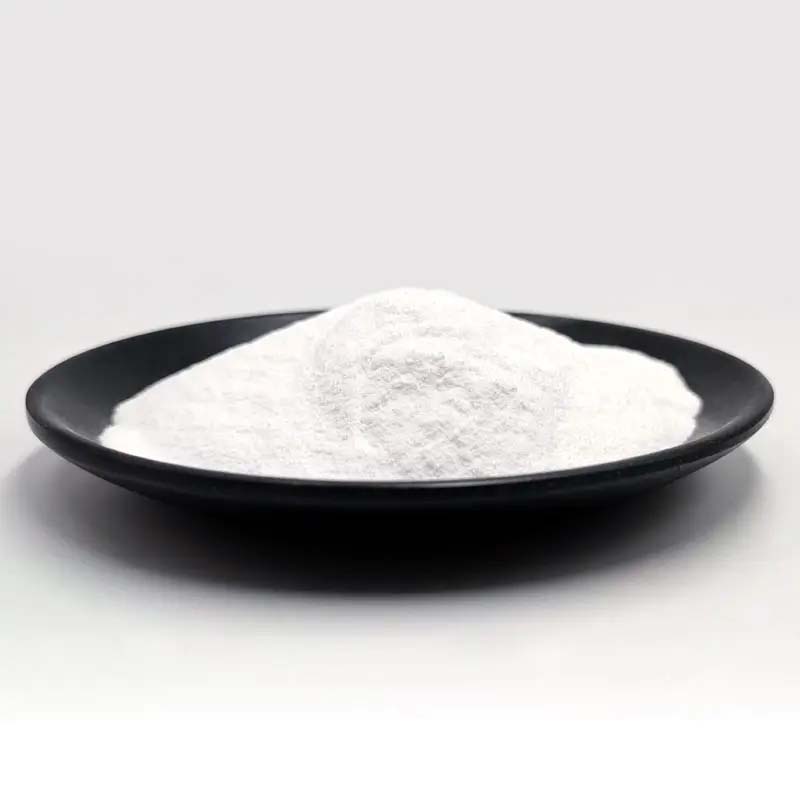
| Appearance | White to light yellow powder | |
| Viscosity (2% solution at 20°C) | 1000–5000 | mPa·s |
| pH (1% aqueous solution) | 6.5–8.5 | |
| Moisture Content | ≤5 | % |
| Substitution Degree (Methoxy) | 1.3–1.7 | |
| Hydroxyethyl Substitution | 0.15–0.30 |
Vendor Comparison: Choosing the Right HEMC Supplier
| Supplier | Grade Range | Sustainability Certification | Lead Time | Price Range (USD/kg) |
|---|---|---|---|---|
| CelluChem Ltd. | Standard, High Viscosity | FSC Certified | 2 weeks | 3.0 – 5.5 |
| GreenPolymer Co. | Pharma Grade, Eco-line | ISO 14001 | 3–4 weeks | 4.5 – 6.2 |
| NovoChemicals | Wide Viscosity Range | PEFC Certified | 1 week | 2.8 – 5.0 |
Final Thoughts: Why Hydroxyethyl Methyl Cellulose Deserves Attention
At first glance, hydroxyethyl methyl cellulose might sound like just another chemical ingredient lost in stacks of specs and protocols. But spending a bit of time seeing how it tangibly improves materials and products worldwide — from safer buildings in seismic zones to smooth pharmaceutical suspensions — you begin to appreciate its quiet importance.
As industries evolve toward more sustainable and reliable materials, HEMC proves itself as a critical enabler. Its blend of performance, eco-friendliness, and adaptability means it will be part of tomorrow’s innovations too.
Looking for more info or solutions tailored for your industry? Visit our website: https://www.pezetech.com and explore how hydroxyethyl methyl cellulose can redefine your products.
References
-
What Is VAE Powder? Complete Guide to Redispersible Polymer Powder (RDP) for ConstructionNewsApr.21,2026
-
HPMC Manufacturers in ChinaNewsApr.21,2026
-
What Is Redispersible Polymer Powder (RDP)? Complete Guide to VAE RDP for Mortar ApplicationsNewsApr.21,2026
-
Top Guide to Selecting Professional vae emulsion manufacturersNewsApr.16,2026
-
Viscosity of HPMCNewsApr.15,2026
-
HPMC Powder UsesNewsApr.15,2026