Hydroxyethylcellulose Bulk: Applications, Benefits & Industrial Insights
Understanding Hydroxyethylcellulose Bulk: A Vital Ingredient in Industry and Sustainability
Hydroxyethylcellulose bulk might sound like a mouthful, but honestly, this powdered polymer is behind many everyday products and crucial industrial applications worldwide. Why does it matter on a global scale? Well, its unique thickening, stabilizing, and water-retaining properties offer solutions ranging from cosmetics to oil drilling, not to mention environmental advantages like biodegradability. Getting familiar with hydroxyethylcellulose in bulk form helps suppliers, manufacturers, and researchers optimize cost-efficiency while meeting sustainability goals.
Global Context: Why Hydroxyethylcellulose Bulk Holds Industrial and Environmental Weight
Let’s frame this: the global chemical additives market is projected to surpass $40 billion by 2026 (Grand View Research). Hydroxyethylcellulose (HEC), a non-ionic cellulose ether, constitutes a significant part of this due to its versatile applications.
Industries from pharmaceuticals to construction frequently face challenges with formulation stability and product texture — that’s where the demand for hydroxyethylcellulose bulk skyrockets. For example, in developing countries, where affordable and safe personal care products are critical, manufacturers prefer bulk supplies to keep costs manageable. Oddly enough, such a simple polymer is also pivotal in hydraulic fracturing fluids to improve efficiency, balancing economic value with environmental concerns. This intersection of industry and sustainability makes understanding hydroxyethylcellulose’s role increasingly important.
Defining Hydroxyethylcellulose Bulk: What Exactly Is It?
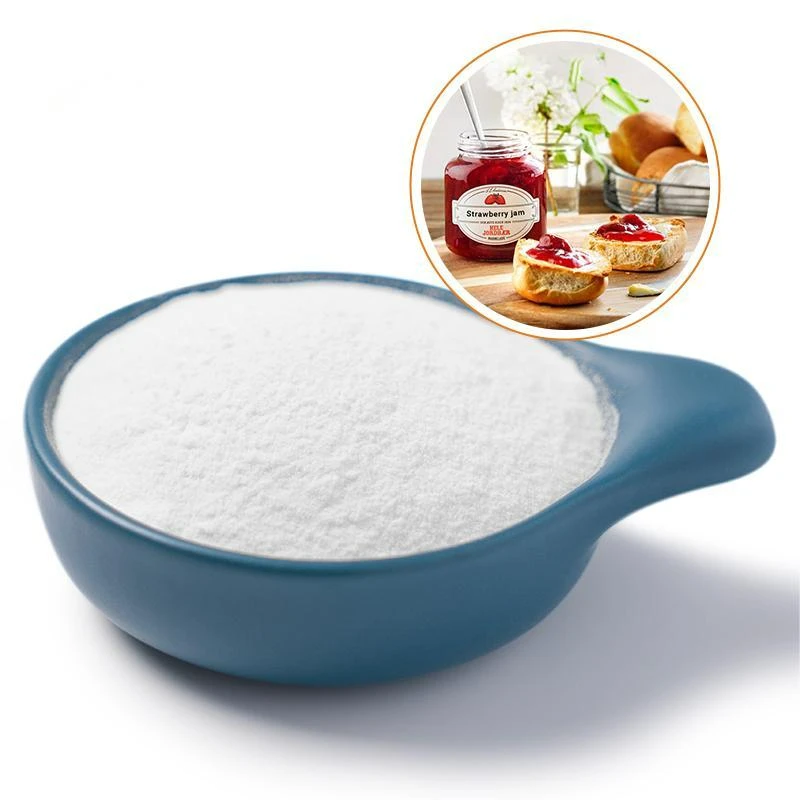
Put simply, hydroxyethylcellulose bulk is a powdered derivative of cellulose - which itself is the main structural component in plant cell walls. By chemically modifying cellulose with hydroxyethyl groups, manufacturers create a water-soluble polymer that swells to thicken liquids or stabilize mixtures. It’s a go-to additive for imparting viscosity without affecting clarity, which is why it’s beloved in personal care and household product formulations.
Beyond convenience, HEC’s biodegradability and non-toxicity links it firmly to humanitarian efforts—think of wound dressings that safely absorb moisture or non-irritant cosmetics accessible to sensitive skin.
Core Components & Key Features of Hydroxyethylcellulose Bulk
- Viscosity Control: Enables formulation of products that require specific thickness levels without compromising flow properties.
- Water Retention: Enhances moisture holding, essential for skin creams and agricultural hydrogels.
- Compatibility: Works well with various ingredients — salts, polymers, and surfactants — making it highly versatile.
- Thermal Stability: Maintains consistency across different temperatures, crucial for industrial processing and storage.
- Biodegradability: A plus for companies aiming at greener product life cycles.
Understanding these factors helps you predict how hydroxyethylcellulose bulk will behave in your formulations or processes.
Product Specifications of Hydroxyethylcellulose Bulk
| Property | Typical Range/Value |
|---|---|
| Viscosity (2% solution at 20°C) | 1000 - 100,000 mPa·s |
| pH (1% aqueous solution) | 5.0 – 8.0 |
| Moisture Content | ≤ 5% |
| Bulk Density | 300 – 450 kg/m³ |
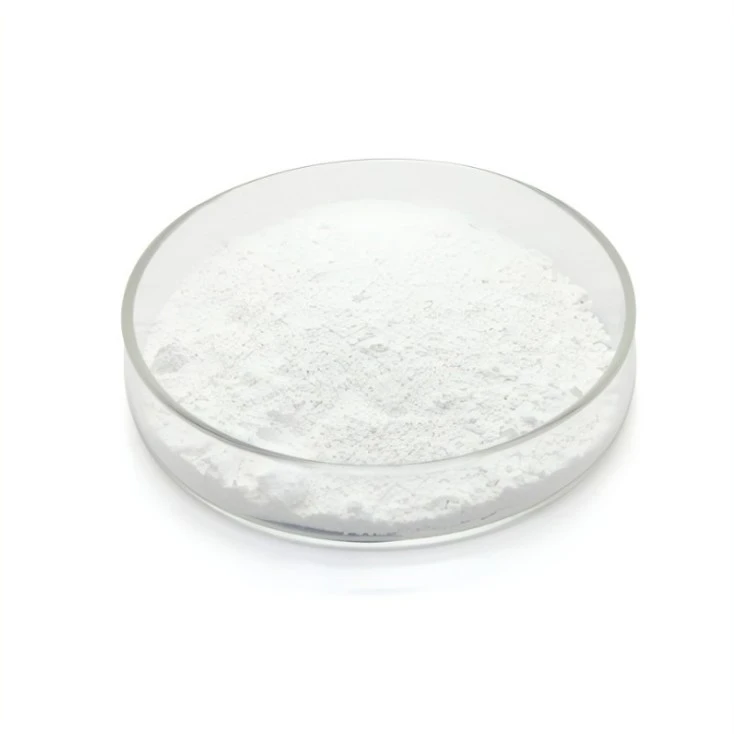
| Appearance | Free-flowing white powder |
Applications: Where Hydroxyethylcellulose Bulk Really Shines
In real terms, hydroxyethylcellulose in bulk finds its way into numerous sectors:
- Personal Care: Thickener and stabilizer in shampoos, lotions, and facial creams, especially in Asia where demand for cost-effective, skin-friendly ingredients is rising.
- Pharmaceuticals: As a suspending agent in liquid medicines and as a binder in tablets.
- Oil & Gas: Used in drilling fluids to improve viscosity and suspend solids, helping fracturing operations be more efficient and less wasteful.
- Construction: Incorporated in cement slurries and adhesives to enhance consistency and workability.
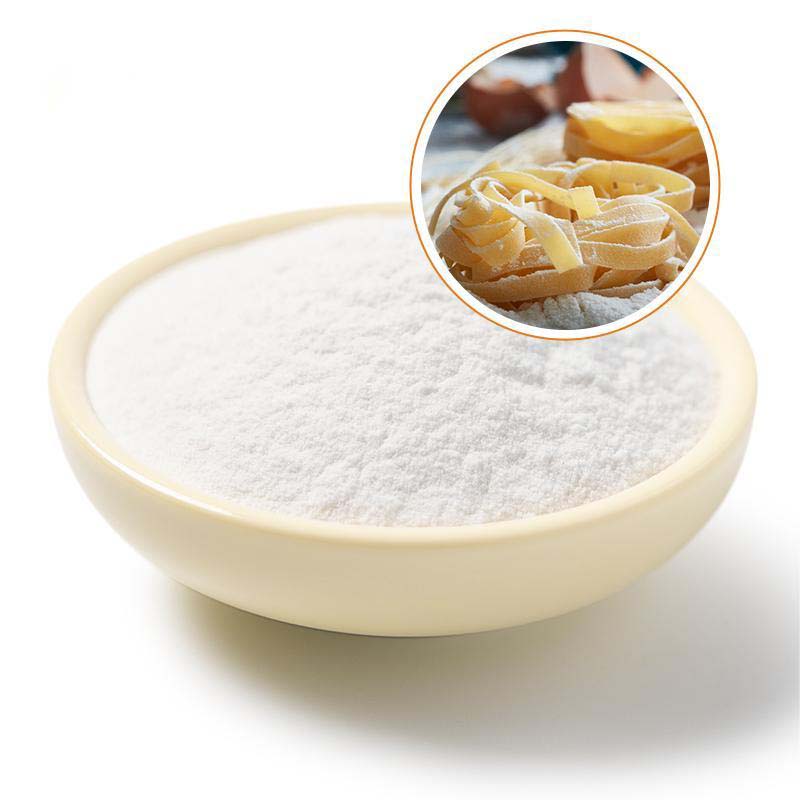
- Food Industry: Sometimes added as a thickener and stabilizer in gluten-free baking and sauces.
Notably, during emergency humanitarian responses, bulk hydroxyethylcellulose aids in producing affordable, moisture-retentive wound care gels, which can be lifesavers.
Vendor Comparison Table: Hydroxyethylcellulose Bulk Suppliers
| Supplier | Viscosity Range (mPa·s) | Bulk Price (per ton) | Eco-certification | Typical Lead Time |
|---|---|---|---|---|
| Pezetech | 1,000 – 50,000 | $3,200 | ISO 14001 | 2-3 weeks |
| ChemPure | 500 – 100,000 | $3,500 | None | 3-4 weeks |
| NaturalCell | 2,000 – 25,000 | $3,100 | EcoCert | 4-5 weeks |
Advantages and Long-Term Benefits of Hydroxyethylcellulose Bulk
From a sustainability perspective, hydroxyethylcellulose bulk is biodegradable and non-toxic, attributes that resonate well with the growing consumer demand for green products. Cost-wise, buying in bulk reduces packaging waste and per unit price. Socially, it enables production of safer personal care items that maintain skin’s natural moisture barrier, enhancing user comfort and dignity. Many formulators swear by HEC’s reliability across batches, which breeds trust and long-term brand loyalty. Frankly, it feels like a small ingredient with outsized impact.
Future Trends & Innovations in Hydroxyethylcellulose Bulk Usage
The next few years promise exciting developments: researchers are exploring enzymatic methods to produce hydroxyethylcellulose more sustainably, cutting chemical waste. Integration with digital formulation tools allows rapid testing of HEC blends for specific industry needs—think customization at speed.
Green energy-powered production facilities reduce carbon footprints, while advances in automation make bulk handling safer and more precise. Additionally, policy shifts favor biodegradable additives, which could further boost hydroxyethylcellulose bulk’s role in circular economies worldwide.
Challenges & Expert Solutions
One limitation of hydroxyethylcellulose bulk is variability in viscosity due to raw material quality or environmental conditions during storage—this can impact product consistency. Experts recommend controlled storage environments and quality assurance protocols, including in-line viscosity monitoring during production.
Another issue is biodegradation rate in aquatic environments varying with formulation, which necessitates targeted R&D for water treatment additives. Collaboration between chemists and environmental scientists remains key here.
FAQ: Practical Questions About Hydroxyethylcellulose Bulk
- Q: How can hydroxyethylcellulose bulk improve product formulation?
- A: It enhances viscosity, texture, and stability in formulations without interfering with active ingredients, making products more effective and appealing.
- Q: Is hydroxyethylcellulose biodegradable and eco-friendly?
- A: Yes, HEC is plant-derived and biodegradable, helping reduce environmental impact compared to synthetic polymers.
- Q: What industries benefit most from hydroxyethylcellulose bulk?
- A: Cosmetics, pharmaceuticals, oil & gas, food, and construction industries frequently rely on it for its thickening and stabilizing capabilities.
- Q: How should bulk HEC be stored to maintain quality?
- A: Store in cool, dry environments away from direct sunlight and humidity to prevent clumping and degradation.
- Q: Can NGOs access hydroxyethylcellulose bulk for humanitarian use?
- A: Absolutely. Many suppliers offer bulk pricing and logistical support for NGOs, making it viable for large-scale production of hygiene and medical products.
Conclusion + Call to Action
Hydroxyethylcellulose bulk commands a unique spot at the crossroads of industrial innovation and environmental stewardship. Its role in improving product quality, enhancing sustainability, and supporting global industries can’t be overstated. Whether you’re a formulator, supplier, or humanitarian organization, understanding and sourcing quality hydroxyethylcellulose bulk means better outcomes for businesses and communities alike.
Looking for reliable hydroxyethylcellulose bulk? Visit our website to explore specifications, certifications, and purchasing options tailored to your needs.
Takeaway: Hydroxyethylcellulose bulk may be a humble polymer, but its widespread impact is anything but modest.
References
-
Top Guide to Selecting Professional vae emulsion manufacturersNewsApr.16,2026
-
Viscosity of HPMCNewsApr.15,2026
-
HPMC Powder UsesNewsApr.15,2026
-
Understanding VAE Emulsion for Modern Industrial CoatingsNewsApr.09,2026
-
Comprehensive Guide to Redispersible Emulsion Powder and its ApplicationsNewsApr.07,2026
-
Comprehensive Guide to Redispersible Latex Powder for Construction ApplicationsNewsApr.04,2026