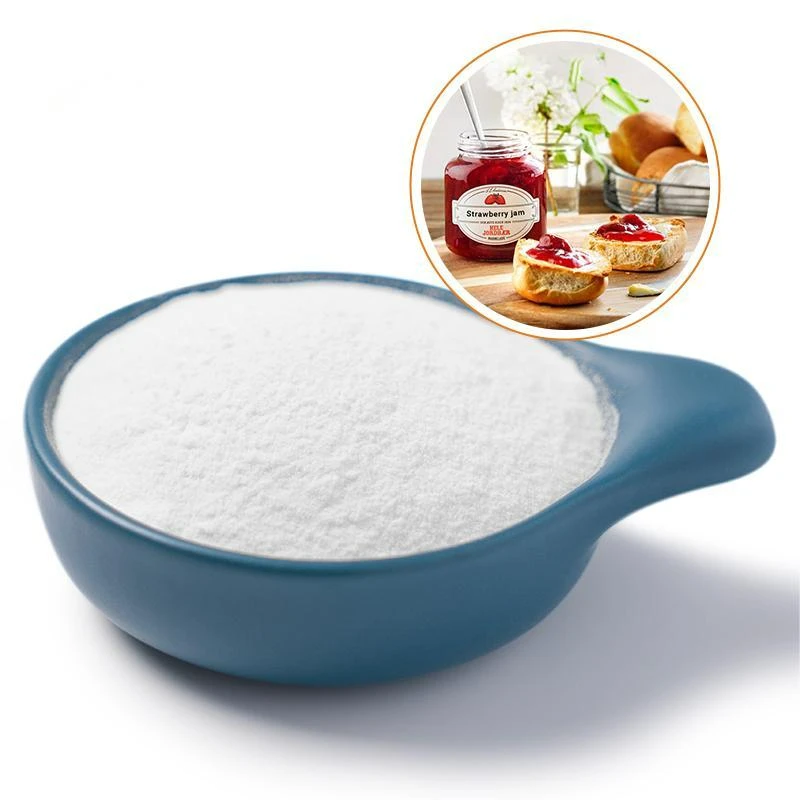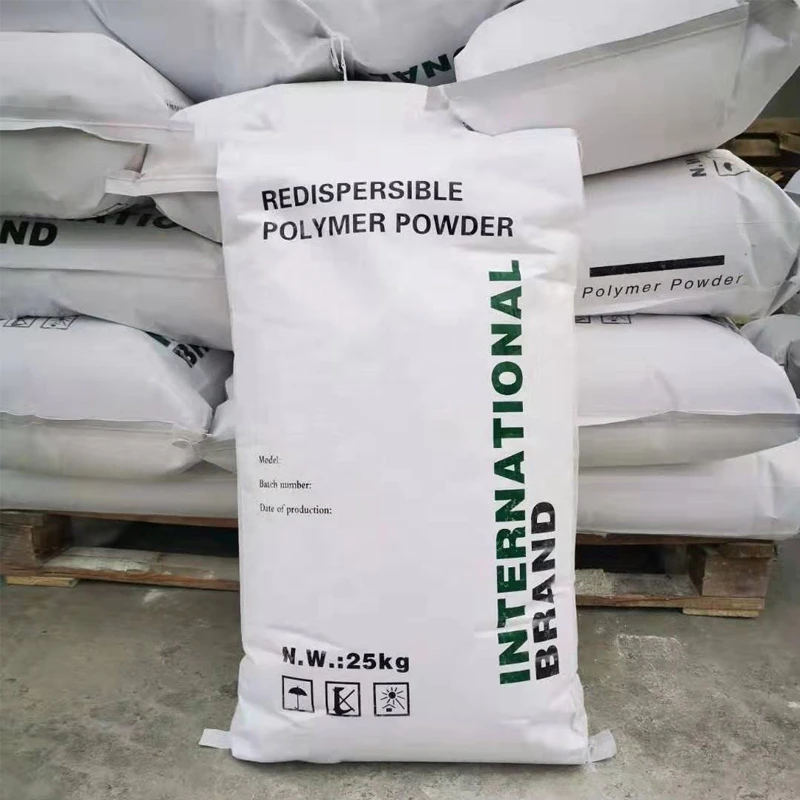
PVOH Material: Essential Insights from Industrial Experience
Understanding PVOH material: The Industrial Workhorse You Didn’t Know You Needed
Having spent a good portion of my career wandering factory floors and testing labs, I’ve come to appreciate just how much a material’s personality shapes the final product. PVOH material—or polyvinyl alcohol, if you’re feeling fancy—might not be the first name you hear in conversations about heavy-duty industrial materials, but oddly enough, it’s everywhere once you start looking.
Frankly, when I first encountered PVOH a decade ago, I thought it was just another niche polymer. But it proved surprisingly versatile, especially in sectors like packaging, textiles, and even adhesives where biodegradability and water solubility matter a lot. That’s what makes PVOH an unsung hero in many ways.
Now, you might wonder why so many engineers swear by it. The answer’s in its chemistry: PVOH is a synthetic polymer made by hydrolyzing polyvinyl acetate. This gives it an excellent film-forming ability and makes it pretty resistant to oil, grease, and solvents, while still being water-soluble under the right conditions.
In real-world applications, this balance is crucial—for example, in packaging materials that need to dissolve after use, or in adhesives that require temporary bonding. I recall one project where we customized PVOH grades to fine-tune solubility and tensile strength depending on the customer’s unique machinery conditions. Sort of like tailoring a suit, but in polymer form.
Testing-wise, PVOH materials undergo rigorous checks for molecular weight distribution, degree of hydrolysis, and moisture content. Getting these specs right ensures consistent performance—which, in the industrial supply world, is what keeps clients coming back.
| Property | Typical Range | Units |
|---|---|---|
| Degree of Hydrolysis | 87–99 | % |
| Molecular Weight (Mw) | 20,000–180,000 | g/mol |
| Viscosity (4% solution) | 3–40 | mPa·s |
| Moisture Content | 3–6 | % |
| pH (4% solution) | 4.5–7.5 | - |
Now, if you’re scouting for PVOH material, you’ll find that not all suppliers are created equal. Below is a little vendor comparison from firsthand sourcing experience—of course, every project’s requirements steer which is best, but a quick glance might clear the fog.
| Supplier | Product Range | Customization Options | Typical Lead Time | Notes |
|---|---|---|---|---|
| Pezetech | Wide (Mw & hydrolysis) | High - tailored formulations | 2-3 weeks | Strong technical support |
| Generic Bulk Supplier | Limited | Minimal | 1-2 weeks | Price-competitive but less support |
| Specialty Chemicals Co. | Moderate | Moderate | 3-4 weeks | Focus on niche applications |
From my observations, the ability to customize PVOH material is a game-changer. One client in the water-soluble film business told me it “made all the difference” when Pezetech adjusted the hydrolysis level to improve film clarity and dissolution time, meeting their production line’s specific pacing.
In terms of trends, the push towards greener, more sustainable materials definitely shines a spotlight on PVOH. Biodegradability combined with adjustable water solubility ticks a lot of boxes for industries under increasing regulatory and consumer pressure.
So yes, PVOH material might not be flashy. But it’s the kind of behind-the-scenes contributor that, once you understand it, you notice everywhere—and appreciate its subtle yet essential strengths.
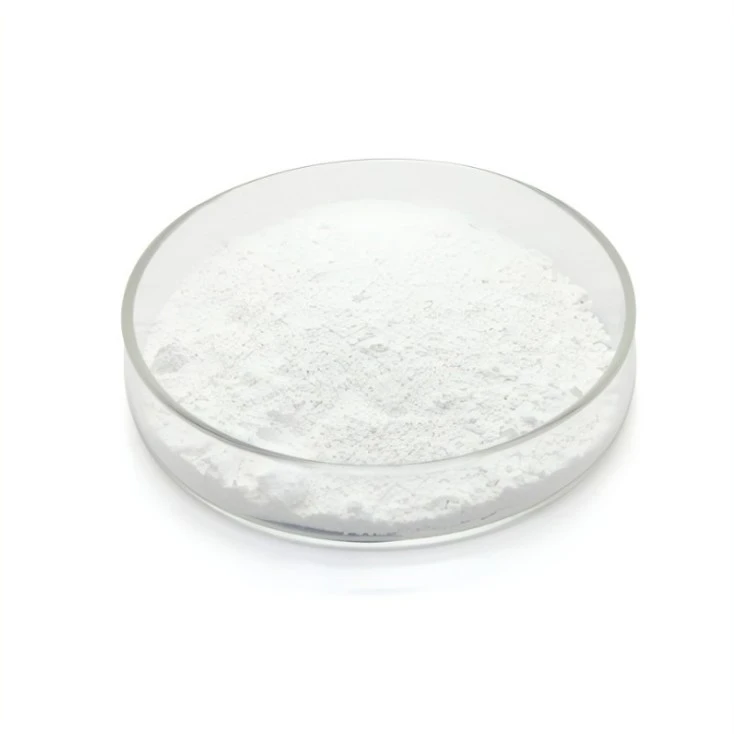
In closing, if you’re scheming to incorporate PVOH into your next project, I’d say don’t hesitate to reach out to folks who know their stuff. It’s fascinating how much engineering nuance goes into something that, to the untrained eye, might look like just another polymer powder on the shelf.
Here’s to materials that quietly keep our industries running!
References:
1. Smith, R. & Lee, H., Polyvinyl Alcohol in Industrial Applications, Industrial Polymer Review, 2020.
2. Pezetech Technical Datasheets, 2023.
3. Johnson, T., “Trends in Eco-Friendly Polymers,” Packaging World, 2022.
-
Top Guide to Selecting Professional vae emulsion manufacturersNewsApr.16,2026
-
Viscosity of HPMCNewsApr.15,2026
-
HPMC Powder UsesNewsApr.15,2026
-
Understanding VAE Emulsion for Modern Industrial CoatingsNewsApr.09,2026
-
Comprehensive Guide to Redispersible Emulsion Powder and its ApplicationsNewsApr.07,2026
-
Comprehensive Guide to Redispersible Latex Powder for Construction ApplicationsNewsApr.04,2026