Hydroxypropyl Methylcellulose 2208: Industrial Uses and Insights
Understanding Hydroxypropyl Methylcellulose 2208 and Its Versatility
Working in the industrial equipment sector for well over a decade, I’ve come across a lot of materials that seem almost unremarkable on paper but turn out to be indispensable once you get them in your hands. Hydroxypropyl methylcellulose 2208 is one of those compounds that quietly powers a lot of processes, from construction to pharmaceuticals, and frankly, it deserves more credit than it gets in casual conversations.
At its core, HPMC 2208 is a cellulose ether, chemically modified to improve solubility and stability — and those numbers at the end (2208) relate to the degree of substitution on the molecule. This seemingly minor detail has a big impact on rheology and application behavior.
Why Engineers and Product Designers Favor HPMC 2208
Here’s the thing — many engineers say the real magic of HPMC 2208 lies in its ability to regulate viscosity without compromising clarity or adhesion. I’ve seen it work wonders as a thickener and stabilizer, especially when dealing with water-based systems.
Oddly enough, some kinds of materials behave unexpectedly in the field despite neat lab specs. HPMC 2208 tends to smooth out those gremlins. For example, in tile adhesives and cement-based mortars, it improves workability and water retention. This is crucial because poorly managed moisture can lead to cracking or poor bonding. Trust me, no one wants to deal with post-project callbacks due to material failure.
| Specification | Typical Value | Notes |
|---|---|---|
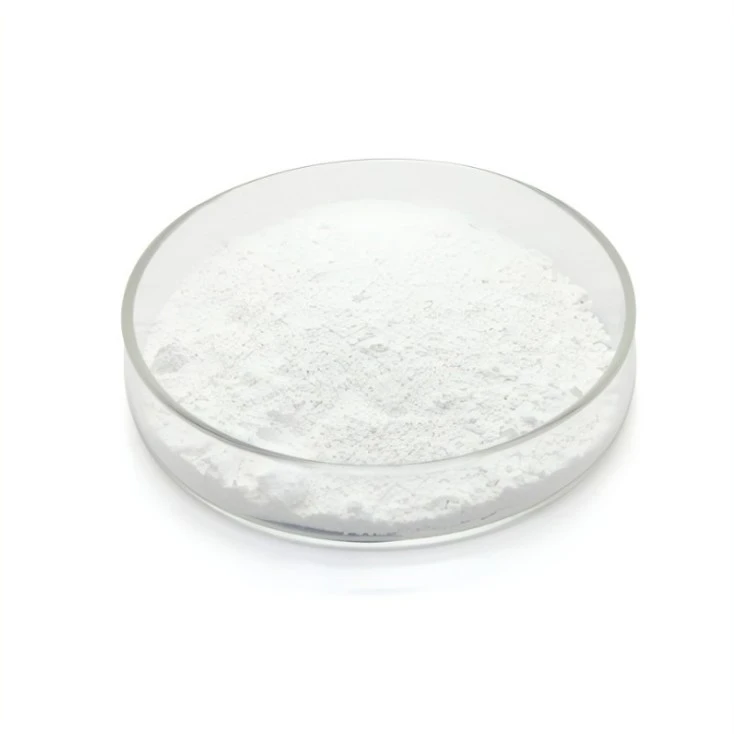
| Appearance | White Powder | Finely milled |
| Methoxy Content (%) | 19.0 – 24.0 | Controls water solubility |
| Hydroxypropyl Content (%) | 4.0 – 12.0 | Influences flexibility and swelling |
| Viscosity (2% solution, mPa·s) | 10000 – 40000 | Adjustable by grade |
| pH (1% aqueous solution) | 5.0 – 8.0 | Neutral to slightly acidic |
Comparing Leading Hydroxypropyl Methylcellulose 2208 Vendors
Now, I’ve worked with many suppliers over the years, and there’s always nuance in quality, delivery, and customization options. Pezetech stands out for their consistent quality — plus, their customer service folks have this knack for understanding industrial constraints that not every vendor seems to get.
| Vendor | Quality Grade Range | Lead Time (days) | Customization Options | Notable Feature |
|---|---|---|---|---|
| Pezetech | 10,000 – 40,000 mPa·s | 7 – 10 | Viscosity, particle size, packaging | Strong technical support team |
| GlobalCell | 15,000 – 35,000 mPa·s | 10 – 14 | Limited to viscosity | Competitive pricing |
| ChemCell Inc. | 8,000 – 30,000 mPa·s | 14 – 21 | Viscosity and particle size | Large-scale supply capabilities |
In real terms, I recall a batch of cement additives where adjusting the HPMC grade from a 10,000 to a 30,000 mPa·s viscosity made all the difference in handling temperature variations on site. The material’s flexibility combined with predictable viscosity meant fewer surprises on mixing rigs.
To talk shop for a moment, it’s fascinating how this polymer, with just simple cellulose roots, ends up touching everything from scaffolding coatings to drug capsule coatings. The range is surprisingly broad — which, if you ask me, is a testament to smart chemical tweaking rather than brute force formulas.
For those looking to explore or source HPMC 2208, I do recommend starting with vendors who understand industrial realities, not just chemical specs. Pezetech, for example, has been a go-to in my recent projects — always ready to adjust formulations or suggest alternatives based on specific use-cases. Honestly, it’s that kind of collaboration that makes the difference when timelines get tight.
At the end of the day, while we often focus on exotic new materials or cutting-edge tech, it’s these dependable compounds — so simple in chemistry but profound in utility — that keep the manufacturing gears turning. Kind of humbling when you think about it.
-
Top Guide to Selecting Professional vae emulsion manufacturersNewsApr.16,2026
-
Viscosity of HPMCNewsApr.15,2026
-
HPMC Powder UsesNewsApr.15,2026
-
Understanding VAE Emulsion for Modern Industrial CoatingsNewsApr.09,2026
-
Comprehensive Guide to Redispersible Emulsion Powder and its ApplicationsNewsApr.07,2026
-
Comprehensive Guide to Redispersible Latex Powder for Construction ApplicationsNewsApr.04,2026