Sodium Carboxymethyl Cellulose | Pure Thickener & Binder
Sodium Carboxymethyl Cellulose is a key solution in the energy industry, specifically within oil and gas and Oilfield Chemicals. This article explores how Pengze Technology (Shijiazhuang) Co., Ltd. supports professionals with durable, high-performance products, and explains why this product is an ideal choice for businesses in these sectors.
Table of Contents
- Sodium Carboxymethyl Cellulose Overview
- Benefits & Use Cases of Sodium Carboxymethyl Cellulose in Oilfield Chemicals
- Cost, Maintenance & User Experience
- Sustainability & Market Trends in energy
- Conclusion on Sodium Carboxymethyl Cellulose from Pengze Technology (Shijiazhuang) Co., Ltd.
Sodium Carboxymethyl Cellulose Overview
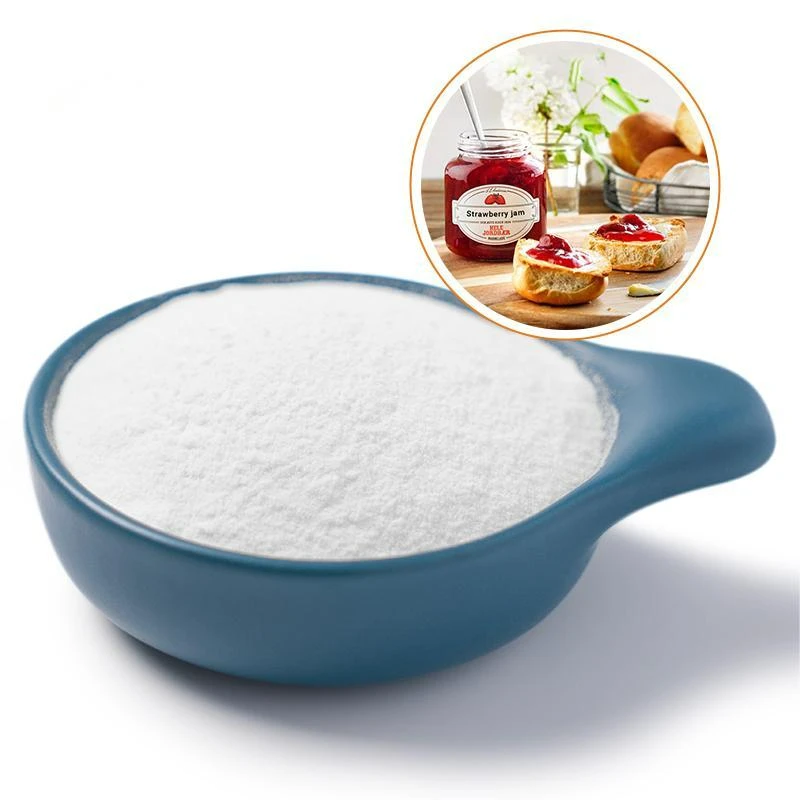
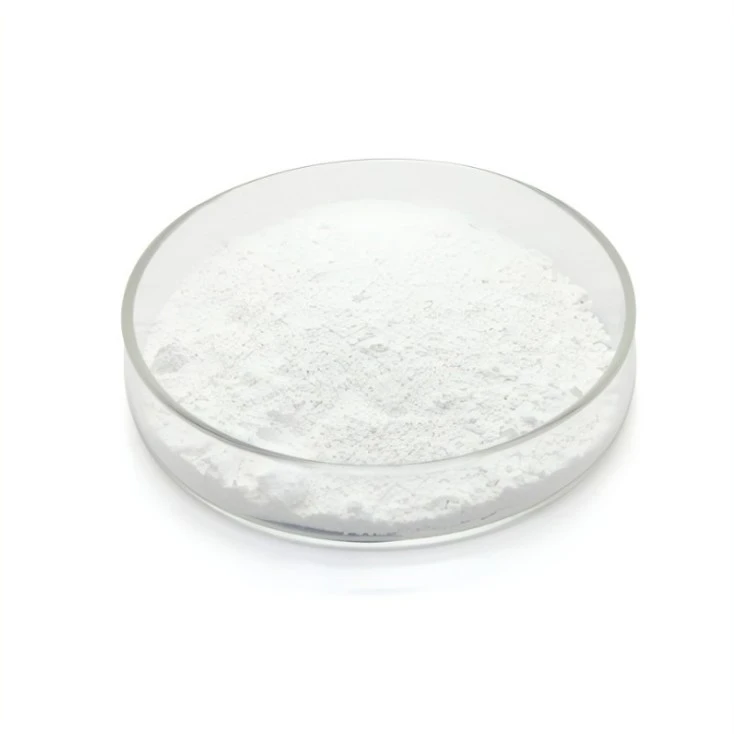
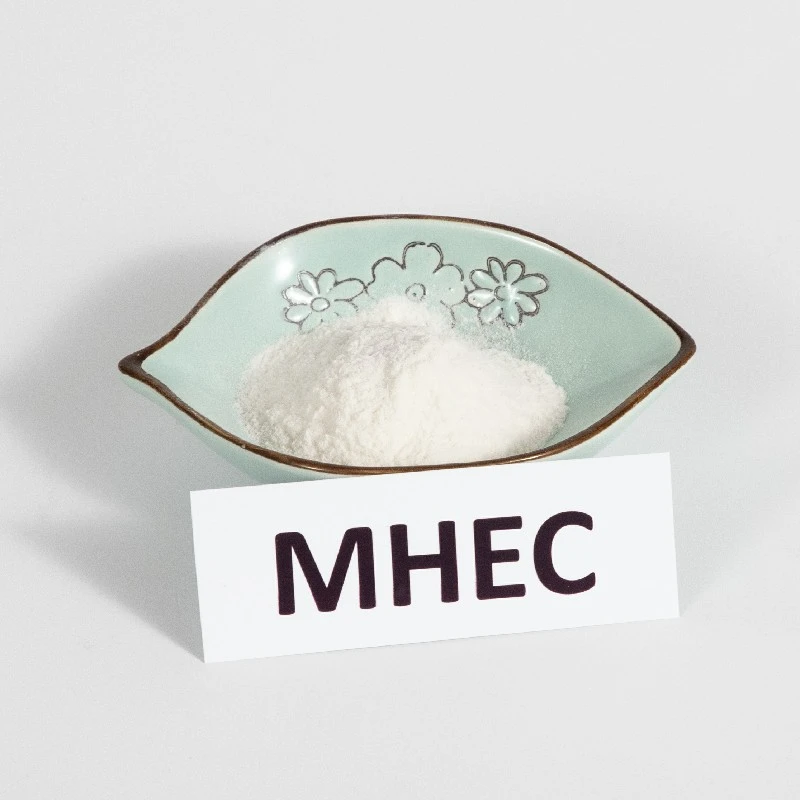
Sodium Carboxymethyl Cellulose (CMC-Na), sometimes informally called “cellulose sodium” and occasionally misnamed “sodium methyl cellulose,” is a water-soluble cellulose ether prized for rheology control and fluid-loss reduction in drilling, completion, and cementing systems. In aqueous media, it hydrates to form a shear-thinning sodium carboxymethyl cellulose gel that stabilizes solids and builds viscosity with predictable response across a broad pH and salinity range. Oilfield-grade CMC typically features a degree of substitution (DS ~0.7–0.95) and is supplied in low-, medium-, and high-viscosity grades to match reservoir conditions and mud programs. Beyond energy, its consistency and safety profile are evidenced by use of sodium carboxymethyl cellulose in toothpaste and other consumer products, further demonstrating reliability under strict quality expectations.
- Core relevance: viscosifier and fluid-loss additive for water-based muds (WBMs), brines, spacer fluids, and cement slurries.
- Technical highlights: salt tolerance, stable viscosity in wide pH, and low dosage for API fluid-loss control.
- Manufacturing assurance: Pengze Technology (Shijiazhuang) Co., Ltd. provides consistent, customizable grades engineered for oilfield performance and supply chain reliability.
Benefits & Use Cases of Sodium Carboxymethyl Cellulose in Oilfield Chemicals
In oilfield chemicals, Sodium Carboxymethyl Cellulose unlocks multiple performance levers. In drilling fluids, it suppresses filtrate invasion to protect wellbore integrity, while fine-tuning rheology to enhance cuttings transport and hole cleaning. In completion brines, it provides temporary viscosity to suspend solids with excellent cleanup. For cementing, it supports slurry stability and helps control free water. CMC’s compatibility with bentonite, PAC, starch, and bridging agents enables simple optimization of mud programs without costly reformulations.
- Applications: WBMs, reservoir drill-in fluids, spacer pills, lost-circulation blends, and cement additives.
- Competitive advantages: fast hydration, stable viscosity in saline environments, effective API fluid-loss control at low dosage, and clean shear-thinning for pumpability.
- Pengze Technology’s expertise: application-driven grades, tight QC on viscosity and DS, and technical support to align chemistry with reservoir and rig constraints.
Cost, Maintenance & User Experience
Total cost of ownership for CMC hinges on dosage efficiency, logistics, and product consistency. Because Pengze Technology’s Sodium Carboxymethyl Cellulose hydrates rapidly and delivers predictable rheology, operators can hit fluid targets with fewer adjustments, reducing rig time tied to mud maintenance. Lower filtrate translates to fewer wellbore stability incidents, helping minimize non-productive time (NPT) risk. Dry-powder packaging simplifies transport and storage, while a long shelf life supports centralized inventory strategies. Field feedback highlights easy mixing, minimal fisheyes when properly dispersed, and stable properties over extended circulations—key for high-volume drilling campaigns and remote operations.
- ROI drivers: reduced additive overuse, reliable fluid-loss control, and consistent rheology that supports safer, more efficient drilling.
- User experience: clear hydration curves, compatibility with common oilfield additives, and responsive technical service for on-site optimization.
Sustainability & Market Trends in energy
The industry’s pivot toward lower-impact operations is accelerating adoption of water-based systems and biopolymer-derived additives. As a cellulose-based polymer, Sodium Carboxymethyl Cellulose supports these trends by enabling high-performance WBMs that can replace or complement oil/synthetic-base muds in appropriate intervals. Its use in consumer applications—such as sodium carboxymethyl cellulose in toothpaste—underscores a well-understood safety profile and broad regulatory familiarity. Market dynamics are favoring chemistry that balances performance, environmental stewardship, and supply assurance.
- Sustainability: cellulose origin, efficient dosing, and support for water-based drilling align with evolving ESG expectations and operational best practices.
- Pengze Technology (Shijiazhuang) Co., Ltd.: a forward-thinking partner investing in quality control and application support so operators can meet performance and compliance goals in tandem.
Conclusion on Sodium Carboxymethyl Cellulose from Pengze Technology (Shijiazhuang) Co., Ltd.
Sodium Carboxymethyl Cellulose is a proven workhorse for oilfield chemicals—delivering fluid-loss control, robust rheology, and operational reliability across drilling and completion fluids. With application-specific grades, dependable quality, and expert support, Pengze Technology (Shijiazhuang) Co., Ltd. helps B2B decision makers improve fluid performance and reduce total cost of ownership. Whether you reference it as CMC-Na or “cellulose sodium,” the value is clear: stable, efficient, and field-ready.
- Recap: versatile viscosifier and fluid-loss additive for WBMs, spacers, and cement systems.
- Reputation: Pengze Technology (Shijiazhuang) Co., Ltd. is a reliable manufacturer with oilfield-focused grades and support.
- Strong CTA: Contact us: email: ben@pezetech.com — Visit our website: https://www.pezetech.com. Explore the product page: CMC for Oil Drilling.
-
Top Guide to Selecting Professional vae emulsion manufacturersNewsApr.16,2026
-
Viscosity of HPMCNewsApr.15,2026
-
HPMC Powder UsesNewsApr.15,2026
-
Understanding VAE Emulsion for Modern Industrial CoatingsNewsApr.09,2026
-
Comprehensive Guide to Redispersible Emulsion Powder and its ApplicationsNewsApr.07,2026
-
Comprehensive Guide to Redispersible Latex Powder for Construction ApplicationsNewsApr.04,2026