Hydroxypropyl Methylcellulose Skin Care – Versatile, Safe, and Sustainable Cosmetic Ingredient
Understanding Hydroxypropyl Methylcellulose Skin Care: Why It Matters Globally
If you’ve ever checked the ingredients on your moisturizer or lotion, chances are you’ve come across hydroxypropyl methylcellulose skin care somewhere in the fine print. But what is it, really? And why does it feature so prominently not just in one region or industry, but across the global cosmetics and pharmaceutical markets? Put simply, it’s a versatile compound that has become a silent hero in skincare products worldwide — improving texture, stability, and performance.
In a world increasingly focused on sustainability, product safety, and innovative solutions for sensitive skin, knowing about hydroxypropyl methylcellulose (HPMC) and its role in skin care is becoming more than just a curiosity. It’s essential. The global cosmetic market is expected to surpass $800 billion by 2025 (according to Statista), and HPMC additives are quietly supporting this growth, delivering improved formulas with better user experience and product safety.
Mini Takeaway: Hydroxypropyl methylcellulose skin care ingredients are more than just fillers – they’re fundamental in making skincare products safer, more effective, and globally accessible.
Global Context: Why Hydroxypropyl Methylcellulose Skin Care Is Gaining Traction
Globally, there’s a growing trend towards safer, more plant-based, and effective personal care products. The United Nations Environment Programme (UNEP) has highlighted the need for sustainable chemical ingredients in cosmetics to reduce environmental impact. Hydroxypropyl methylcellulose fits this bill, being derived originally from cellulose, one of the most abundant natural polymers on Earth.
Besides sustainability, regulatory standards from bodies like the ISO and the FDA have tightened, emphasizing transparency, non-toxicity, and stability in cosmetics. The industry faces the challenge of creating formulas that perform well across diverse climates and skin types, while maintaining ethical sourcing and environmental stewardship.
Here, HPMC stands out. It’s water-soluble, non-toxic, and biocompatible — making it ideal for sensitive skin care formulations globally, from humid tropical zones to colder, dry regions. This adaptability has made HPMC a true game-changer.
Mini Takeaway: In a regulated, globally conscious market, hydroxypropyl methylcellulose offers a practical solution to meet environmental, safety, and consumer performance demands.
What Exactly Is Hydroxypropyl Methylcellulose in Skin Care?
Simply put, hydroxypropyl methylcellulose is a chemically modified cellulose derivative. Cellulose, the stuff plants are made of, is turned into a fine powder and chemically altered to become HPMC, which can thicken, stabilize, and suspend ingredients in cosmetic formulas. On skin, it forms a protective, moisturizing film, improves texture, and helps deliver active ingredients efficiently.
Think of it as the unsung structural engineer of your lotion’s formula — without it, that silky smoothness or even application wouldn’t happen. Plus, it’s favored because it doesn’t irritate skin or clog pores, unlike some synthetic polymers.
In humanitarian and industrial contexts, HPMC’s biocompatibility makes it useful for making wound-care products, hydrogels, and even protective barrier creams.
Key Components & Properties That Make HPMC Indispensable
1. Moisture Retention
HPMC forms a thin, breathable film over the skin that locks in moisture, making it invaluable for dry or sensitive skin formulations.
2. Non-Irritating, Hypoallergenic Nature
Because it’s derived from natural cellulose and well-refined, it’s often used in products for sensitive skin including babies and elderly.
3. Thickening & Stabilizing Agent
It balances viscosity and texture across lotions, creams, and gels — ensuring they feel pleasant without being sticky or greasy.
4. Compatibility With Active Ingredients
HPMC can suspend and slowly release actives, like vitamins or antioxidants, enhancing their efficacy and shelf life.
5. Versatility Across Climates
It remains stable in varying pH and temperatures, so your skincare product performs well globally — whether in humid Singapore or chilly Scandinavia.
Product Specification Table: Typical Hydroxypropyl Methylcellulose Grades in Skin Care
| Specification | Typical Value |
|---|---|
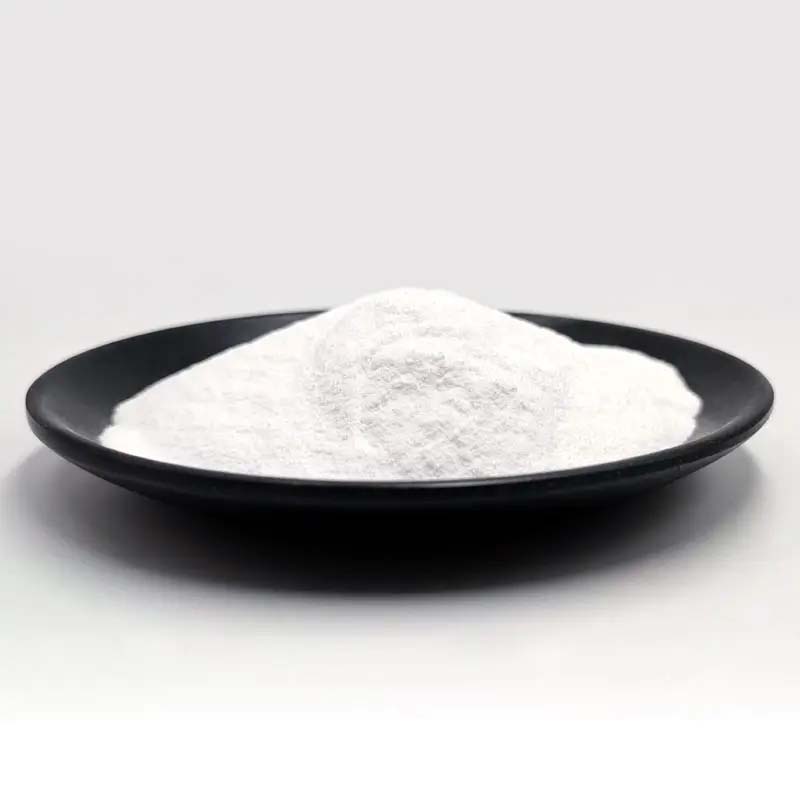
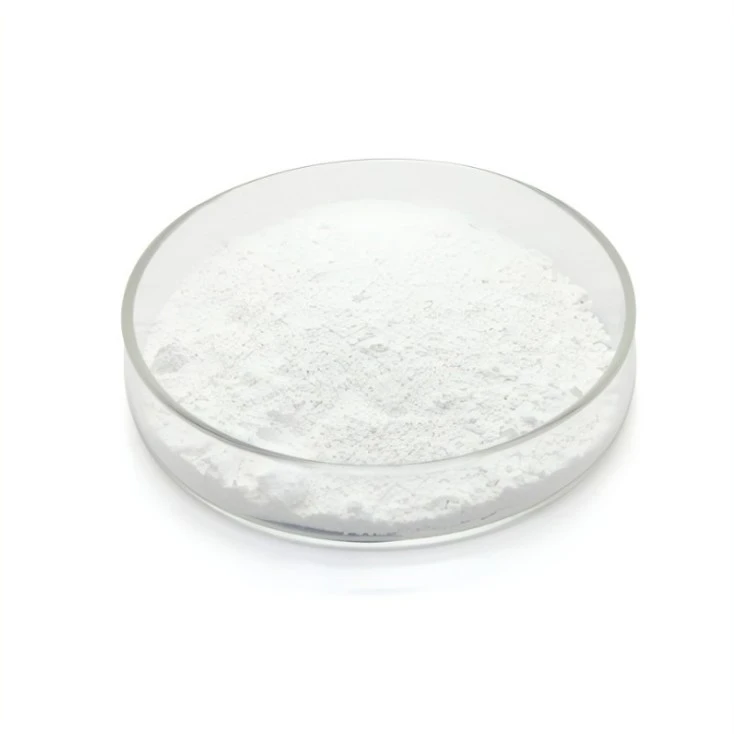
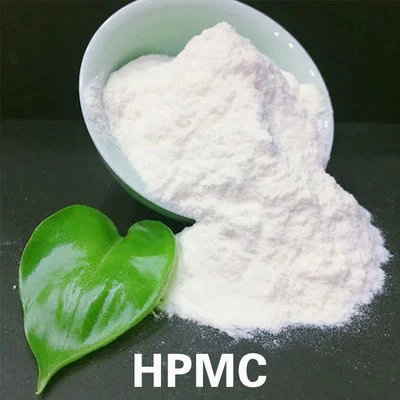
| Appearance | White to off-white powder |
| Solubility | Water-soluble, insoluble in organic solvents |
| Viscosity (2% solution) | 50 – 4000 mPa·s (depending on grade) |
| PH Range | 4 – 10 (stable) |
| Melting Point | >200 °C (decomposition) |
Worldwide Applications: Where and How Hydroxypropyl Methylcellulose Earns Its Keep
From large multinational cosmetics companies in Europe and North America to small indie organic brands in Japan and Australia, HPMC’s usage is broad and varied. It’s often spotted in facial creams, sunscreens, makeup removers, and even shaving products.
For instance, in post-disaster relief operations, formulations containing HPMC help produce protective barrier creams that safeguard vulnerable skin from harsh elements. Similarly, in remote industrial zones, barrier creams with HPMC are part of worker safety kits, protecting against chemicals or extreme weather.
In parts of Africa and South Asia, HPMC is starting to feature more prominently in affordable, climate-adapted skin care products aimed at combating dryness and skin infections — a small but real social impact. The rise of cruelty-free, vegan-friendly markets further boosts HPMC’s position, as it aligns well with ethical sourcing and manufacturing.
hydroxypropyl methylcellulose skin care products increasingly meet the needs of modern consumers by blending scientific reliability with environmental mindfulness.
Mini Takeaway: Hydroxypropyl methylcellulose’s versatility enables its broad use, from luxury skincare to essential protective products in challenging environments worldwide.
Advantages and Long-Term Value: Why Formulators Really Like It
- Cost-Effective: It’s reasonably priced considering its multi-functionality.
- Reliability: Products maintain consistency during shelf life, boosting consumer trust.
- Sustainability: Derived from renewable plant sources, fitting ethical trends.
- Emotional Appeal: Consumers feel assured using hypoallergenic and natural-ingredient products.
- Innovation Enabler: Facilitates novel textures and delivery systems previously hard to formulate.
For brands, this means fewer reformulation headaches, happier customers, and stronger brand loyalty. For consumers, it means safety and a better skin feel — which, frankly, is the core of all beauty.
Vendor Comparison Table: Key Hydroxypropyl Methylcellulose Suppliers for Skin Care Industry
| Supplier | Product Grade Range | Regulatory Certifications | Distribution Regions |
|---|---|---|---|
| BASF | Low to High Viscosity | ISO, FDA, COSMOS | Global |
| Ashland | Customizable Grades | EPA, ISO | North America, Europe |
| Dow Chemical | Mid Viscosity Focus | FDA, REACH | Global |
| CP Kelco | Specialty Grades (Green-certified) | COSMOS, ECOCERT | Europe, Asia |
Future Trends & Innovations in Hydroxypropyl Methylcellulose Skin Care
The industry isn’t standing still. There’s growing interest in combining traditional cellulose derivatives like HPMC with advanced nanomaterials and patented encapsulation tech. These hybrids could deliver active skincare ingredients with even better controlled release, less waste, and improved skin penetration.
On the sustainability front, some companies are experimenting with HPMC sourced from non-food biomass waste — like agricultural residues — further closing the loop on green chemistry. Automation and AI-guided formulation tools mean new viscosities and textures can be created faster than ever, responding quickly to market trends.
Oddly enough, digital skin analysis combined with customized HPMC-based products could soon become routine — personalizing and optimizing skincare like never before.
Common Challenges and How to Overcome Them
Despite its many benefits, HPMC poses a few formulation challenges. For instance, it can sometimes cause cloudiness in clear gels or unwanted viscosity if not chosen carefully. Also, batch-to-batch consistency from suppliers can vary, forcing rigorous quality control.
Experts recommend close collaboration with raw material suppliers and investing in pilot trials. Also, combining HPMC with complementary polymers like carbomers can smooth out texture issues. Continuous testing in target climates ensures products don't break down prematurely.
FAQ: Your Questions About Hydroxypropyl Methylcellulose Skin Care Answered
- Q: Is hydroxypropyl methylcellulose safe for sensitive skin?
A: Yes! HPMC is derived from natural cellulose and is non-irritating and hypoallergenic, making it suitable for sensitive and baby skin formulas. - Q: How does HPMC help in moisturizing products?
A: It forms a breathable film that holds moisture on the skin’s surface, creating a hydrating effect without feeling greasy or sticky. - Q: Can HPMC improve the shelf life of skin care products?
A: Indeed, its stabilizing properties prevent ingredient separation and degradation, helping maintain product consistency over time. - Q: Is HPMC environmentally friendly?
A: Generally, yes. It is derived from renewable plant sources and, when sourced responsibly, aligns well with sustainable product goals. - Q: Where can manufacturers source high-quality HPMC for skin care?
A: Leading chemical suppliers like BASF, Ashland, and CP Kelco offer certified, skin-care grade HPMC suitable for various formulations and regions.
Final Thoughts and Where to Go Next
Hydroxypropyl methylcellulose is quietly shaping the future of skin care. Its blend of natural origin, functional versatility, and safety profile makes it a must-have for formulators seeking to balance innovation with sustainability. Whether you’re creating a hydrating cream for dry climates or barrier products for industrial workers, HPMC offers a reliable, cost-effective solution.
For anyone interested in diving deeper, or sourcing quality hydroxypropyl methylcellulose skin care ingredients, I’d recommend checking out this resource. It’s fascinating to see how these tiny polymer molecules carry so much weight behind the scenes.
At the end of the day, understanding these compounds helps us better appreciate what goes into the lotions we slap on daily — not just a “nice smell” but science, sustainability, and care.
References:
-
What Is VAE Powder? Complete Guide to Redispersible Polymer Powder (RDP) for ConstructionNewsApr.21,2026
-
HPMC Manufacturers in ChinaNewsApr.21,2026
-
What Is Redispersible Polymer Powder (RDP)? Complete Guide to VAE RDP for Mortar ApplicationsNewsApr.21,2026
-
Top Guide to Selecting Professional vae emulsion manufacturersNewsApr.16,2026
-
Viscosity of HPMCNewsApr.15,2026
-
HPMC Powder UsesNewsApr.15,2026