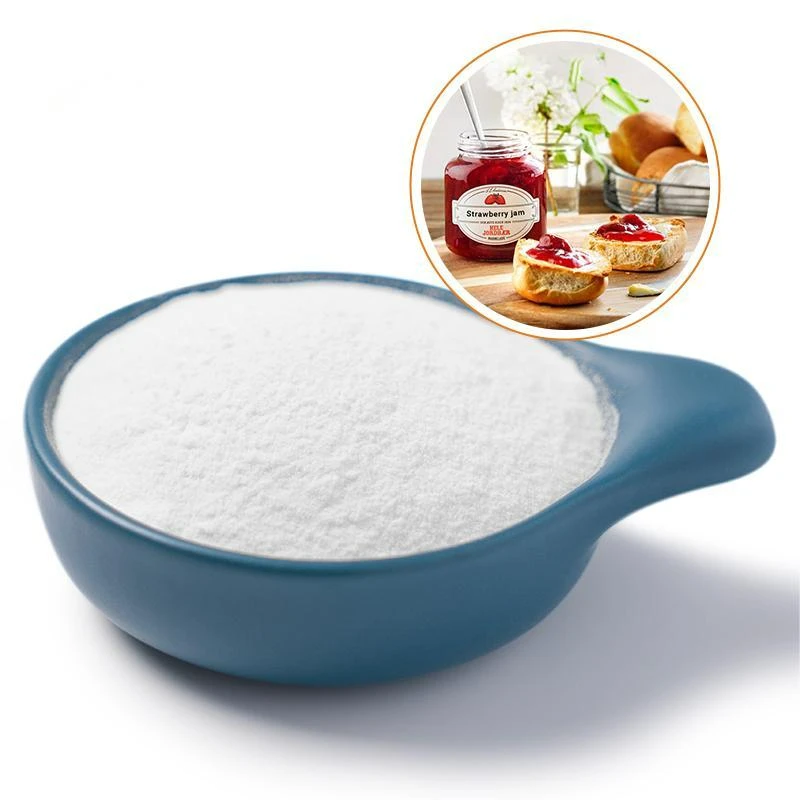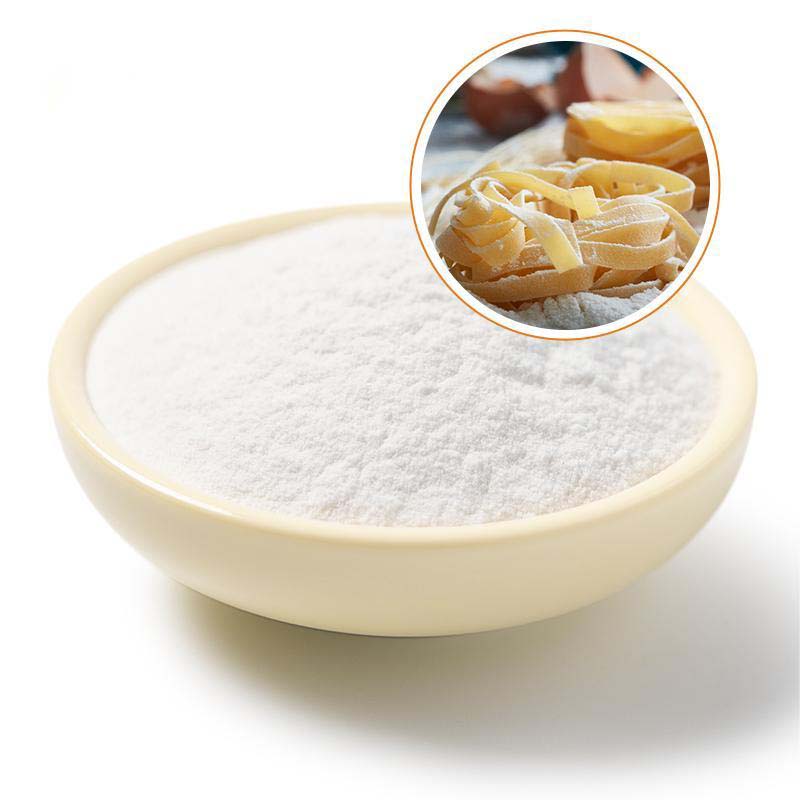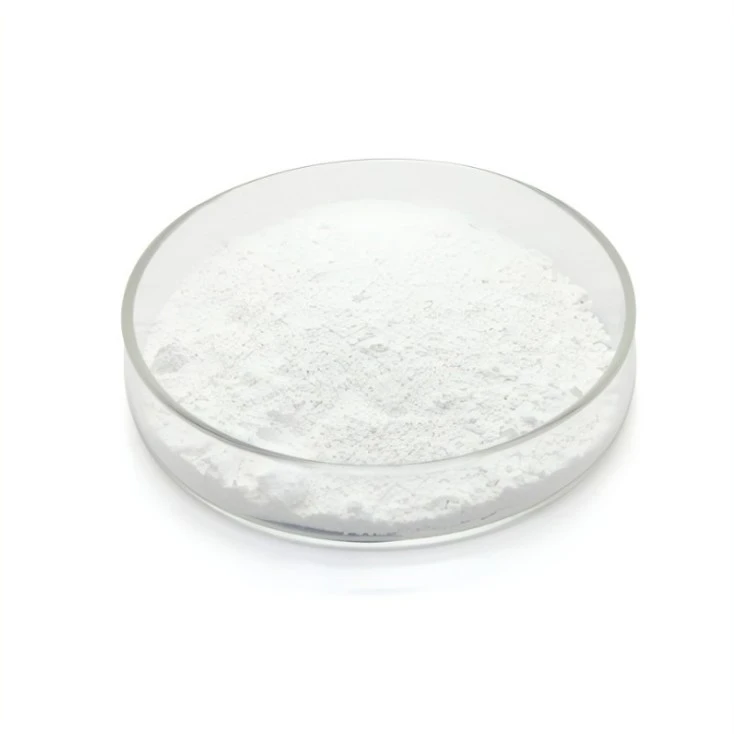
Hydroxypropyl Starch Ether (9049-76-7) - Premium CAS Grade
Understanding Hydroxypropyl Starch Ether: 9049 76 7 in Industrial Applications
The demand for advanced rheology modifiers and thickeners in various industrial sectors, particularly in food and construction, has led to the prominence of specialized chemical compounds. Among these, the compound identified by the CAS number 9049 76 7, also known as hydroxypropyl starch ether (HPS), stands out due to its versatile properties. This article delves into the technical aspects, application scenarios, and market dynamics surrounding this crucial industrial additive, specifically focusing on its use in the food industry.
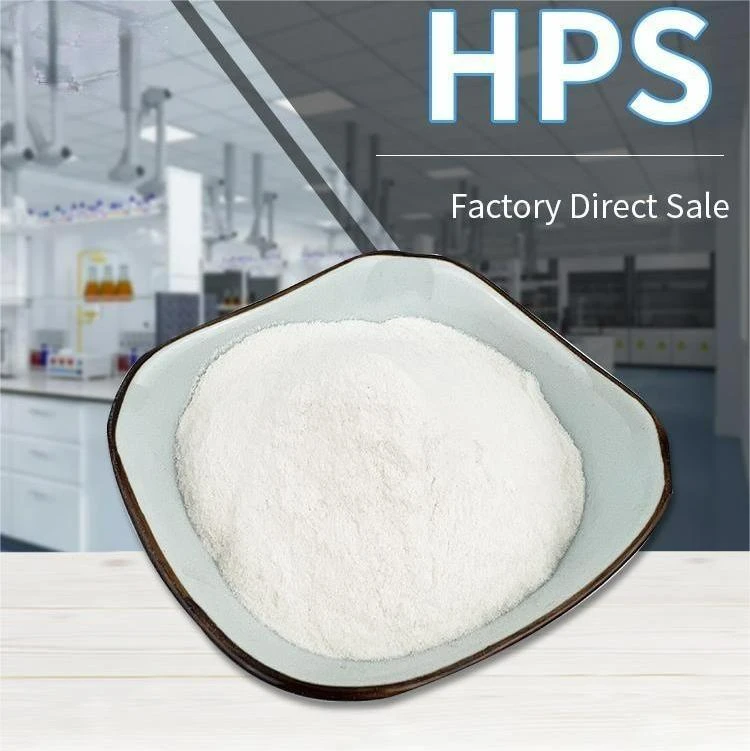
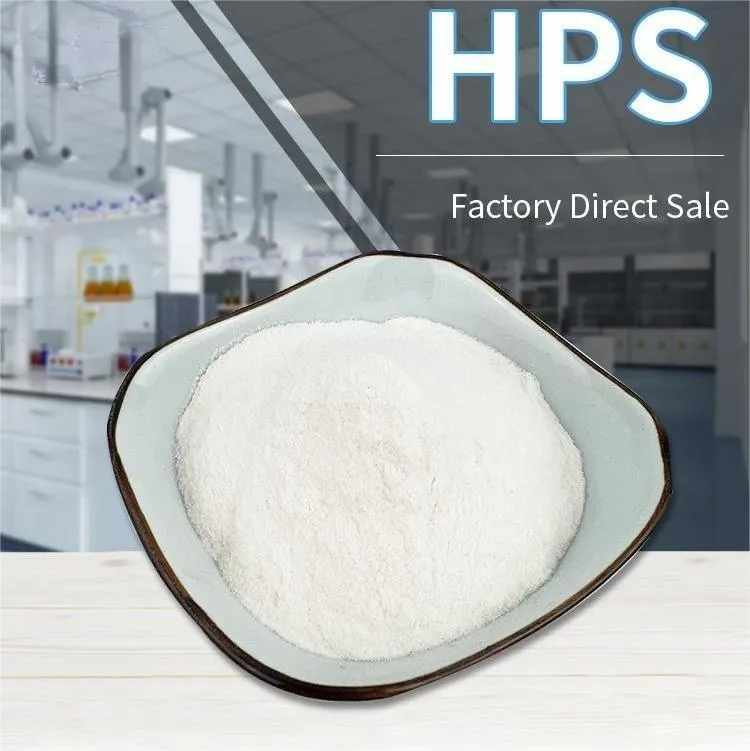
Hydroxypropyl starch ether is a modified starch derivative engineered to enhance the performance of formulations where viscosity, stability, and water retention are critical. Its unique molecular structure, achieved through specific etherification processes, grants it superior characteristics compared to native starches. As B2B decision-makers and technical engineers navigate increasingly complex formulation challenges, understanding the nuances of materials like HPS becomes paramount for optimizing product quality and process efficiency.
Industry Trends and Market Dynamics for Hydroxypropyl Starch Ether
The global market for starch ethers, including 9049 76 7, is experiencing steady growth, driven by increasing applications in diverse industries. In the food sector, the demand for natural and clean-label ingredients, coupled with the need for improved texture and shelf-life in processed foods, is a significant driver. Consumers are increasingly scrutinizing food labels, pushing manufacturers to innovate with functional ingredients that meet both technical requirements and consumer preferences. Hydroxypropyl starch, a key component within this category, offers solutions for thickening, stabilizing, and gelling in various food products.
Beyond food, the construction industry continues to be a major consumer, utilizing hydroxypropyl starch ether as a crucial additive in dry-mix mortars, tile adhesives, and renders to enhance workability, anti-sag properties, and water retention. The trend towards sustainable building materials and high-performance construction chemicals further amplifies demand. Additionally, emerging applications in pharmaceuticals and personal care products are contributing to the market expansion for hydroxypropyl starch ether suppliers. The emphasis on high-performance, cost-effective, and environmentally friendly solutions defines the current trajectory of this market.
Detailed Process Flow: Manufacturing of Hydroxypropyl Starch Ether
The manufacturing of 9049 76 7, or hydroxypropyl starch ether, involves a carefully controlled chemical modification of native starch. This process typically utilizes propylene oxide as the etherifying agent under alkaline conditions. The goal is to introduce hydroxypropyl groups onto the starch molecule, altering its physical and chemical properties to achieve desired functionality.
Schematic Steps of Hydroxypropyl Starch Ether Production:
Native starch (e.g., corn, potato, tapioca) is mixed with water to form a slurry, often treated with an alkali catalyst (e.g., NaOH) to activate hydroxyl groups.
Propylene oxide is added to the starch slurry under controlled temperature and pressure in a reactor. The hydroxypropyl groups attach to the starch backbone via ether linkages.
The reaction mixture is neutralized, typically with an acid, to stop the reaction and adjust pH. Impurities and by-products are removed through washing, filtration, and centrifugation processes.
The purified product is dried, usually using flash dryers or spray dryers, to reduce moisture content to specified levels. It is then milled to a fine powder and sieved to ensure consistent particle size distribution.
The final product undergoes rigorous quality checks based on international standards (e.g., ISO, FDA for food-grade). Once approved, it is packaged in moisture-proof bags for distribution.
The materials used, primarily native starch and propylene oxide, are sourced from reputable suppliers to ensure product purity and performance. Testing standards such as ISO 22000 for food safety management and specific ASTM or EN standards for physical properties are integral to maintaining product quality. The service life of hydroxypropyl starch ether in applications is largely dependent on the formulation and storage conditions, but its stability ensures long-term functional integrity.
Technical Specifications and Parameters
Hydroxypropyl Starch Ether (HPS) is characterized by a suite of technical parameters that define its performance in various applications. These include degree of substitution (DS), viscosity, moisture content, pH, and particle size. Understanding these specifications is crucial for formulators to select the appropriate grade of 9049 76 7 for their specific needs. For food applications, purity and safety standards are paramount.
Typical Product Specifications for Hydroxypropyl Starch Ether Used In Food Industry
| Property | Unit | Value/Range | Test Method/Standard |
|---|---|---|---|
| Appearance | - | White to Off-White Powder | Visual Inspection |
| Degree of Substitution (DS) | - | 0.10 - 0.25 | Titration Method |
| Moisture Content | % | ≤ 8.0 | Loss on Drying (105°C, 2h) |
| pH Value (2% solution) | - | 5.0 - 7.5 | pH Meter (ASTM E70) |
| Viscosity (2% solution, 25°C) | mPa.s | 200 - 5000 (adjustable) | Brookfield Viscometer |
| Ash Content | % | ≤ 0.5 | AOAC 923.03 |
| Granularity (Passing 80 Mesh) | % | ≥ 98.0 | Sieve Analysis |
| Microbiological Purity | CFU/g | Total Plate Count <1000, Yeast & Mold <100 | USP/EP Methods |
These parameters directly impact the functional performance of the hydroxypropyl starch ether. For instance, a higher degree of substitution generally correlates with enhanced solubility, stability, and lower gelatinization temperature. Viscosity is a critical parameter for controlling the flow properties and texture in food formulations. Strict adherence to these specifications ensures consistency and reliability for industrial applications.
Application Scenarios and Technical Advantages
Hydroxypropyl Starch Ether (HPS) demonstrates significant technical advantages across various applications, primarily due to its ability to modify rheology and enhance stability. Its high water retention capacity, shear stability, and resistance to retrogradation make it an ideal choice for challenging formulations. For the food industry, which is the focus of Pezetech's Hydroxypropyl Starch Ether Used In Food Industry, these advantages translate into improved product quality and processing efficiency.
Key Application Scenarios in the Food Industry:
- Dairy Products: In yogurts, puddings, and ice creams, HPS enhances texture, prevents syneresis, and improves freeze-thaw stability, leading to a creamier mouthfeel and extended shelf life.
- Sauces and Dressings: It acts as an excellent thickening agent, providing smooth texture and preventing ingredient separation, ensuring a consistent product appearance and taste.
- Bakery Products: In bread, cakes, and pastries, HPS can improve dough workability, enhance moisture retention (extending freshness), and provide a desirable crumb structure.
- Processed Meats and Seafood: Used as a binder and texturizer, it helps in water retention and improves the overall succulence and texture of products like sausages and surimi.
- Soups and Beverages: It can provide desired viscosity and body, improving the sensory experience without affecting flavor.
Technical Advantages of 9049 76 7:
- Enhanced Rheology: Provides excellent thickening efficiency, even at low concentrations, delivering pseudoplastic flow behavior crucial for pumpability and spreadability in many food systems.
- Improved Stability: Offers superior resistance to freeze-thaw cycles, high shear, and extreme pH conditions, which are common in food processing and storage, leading to extended product shelf life and reduced waste.
- Water Retention: Significantly improves the water-holding capacity of formulations, preventing syneresis and maintaining product freshness, especially critical in bakery and dairy items.
- Film-Forming Properties: Contributes to improved binding and adhesion, beneficial in processed foods for structural integrity.
- Clean Label Potential: As a modified starch, it can often fit into "natural" or "clean label" formulations, addressing current consumer trends for simpler ingredients lists.
- Versatility: Compatible with a wide range of food ingredients and processing conditions, making it a flexible additive for various applications.
These advantages enable food manufacturers to achieve consistent product quality, optimize production processes, and meet evolving consumer demands for texture, stability, and naturalness. The unique modification of starch to form hydroxypropyl starch ether provides a significant leap from traditional thickening agents, delivering both performance and economic benefits.
Vendor Comparison: Choosing the Right Hydroxypropyl Starch Ether Supplier
Selecting the right supplier for hydroxypropyl starch ether is a critical decision for manufacturers, impacting product quality, supply chain reliability, and cost efficiency. Key factors for evaluation include product quality consistency, certifications, technical support, customization capabilities, and pricing. While many hydroxypropyl starch ether suppliers exist, Pezetech distinguishes itself through stringent quality control and customer-centric solutions.
Comparative Analysis of HPS Suppliers (Illustrative Data)
| Feature/Metric | Pezetech (Example) | Competitor A | Competitor B |
|---|---|---|---|
| Product Quality (Consistency) | Excellent (ISO 22000, HACCP certified) | Good (ISO 9001 certified) | Variable |
| Technical Support | Dedicated application engineers, rapid response | Standard support, slower response | Limited support |
| Customization Options | High (Tailored DS, viscosity, particle size) | Moderate (Limited standard variants) | Low (Off-the-shelf products only) |
| Lead Time (Average) | 7-14 days | 14-21 days | 21+ days |
| Certifications | ISO 9001, ISO 22000, HACCP, Halal, Kosher | ISO 9001 | Basic internal QC |
| Pricing Competitiveness | Competitive for premium quality | Mid-range | Low, but quality concerns |
| Experience (Years in Business) | 15+ years | 10+ years | 5- years |
Pezetech, as a dedicated provider, emphasizes not just the supply of high-quality 9049 76 7 but also comprehensive technical partnership. This includes tailored product development and ongoing support, ensuring clients receive optimal solutions for their specific food industry challenges. Our long-standing relationships with leading food manufacturers underscore our commitment to reliability and excellence.
Customized Solutions for Hydroxypropyl Starch Ether
Recognizing that standard products may not always meet the precise requirements of every unique application, Pezetech offers customized solutions for hydroxypropyl starch ether. This bespoke approach allows clients to optimize their formulations for specific performance criteria, processing conditions, and cost objectives. Customization is particularly valuable in the highly competitive and innovation-driven food industry.
Our team of R&D specialists works closely with clients to modify key parameters of the 9049 76 7 product. This can include adjusting the degree of substitution, which impacts solubility and thickening efficiency; fine-tuning the molecular weight distribution to achieve desired viscosity profiles (e.g., pseudoplasticity for smooth mouthfeel); or tailoring particle size for specific dispersion properties. We also consider raw material origins (e.g., potato starch vs. corn starch) to meet specific allergen or dietary requirements, and can develop sodium hydroxypropyl starch phosphate variants for specialized applications needing phosphate functionalities.
The customization process typically involves:
- Needs Assessment: Detailed discussion of client's application, performance targets, and current challenges.
- Formulation Design: R&D team proposes custom HPS specifications based on technical feasibility and client requirements.
- Pilot Production & Testing: Small-scale batches are produced and rigorously tested in simulated client conditions.
- Client Feedback & Refinement: Iterative process until optimal performance is achieved.
- Scaled Production: Seamless transition from pilot to commercial-scale manufacturing with consistent quality.
This collaborative approach ensures that the delivered hydroxypropyl starch ether product is perfectly aligned with the client's operational and market demands, providing a distinct competitive edge.
Application Case Studies: Real-World Success with Hydroxypropyl Starch Ether
Real-world application case studies provide tangible evidence of the efficacy and benefits of 9049 76 7. These examples highlight how tailored solutions can address specific challenges in the food industry, leading to measurable improvements in product quality, process efficiency, and cost-effectiveness.
Case Study 1: Enhanced Stability in Frozen Desserts
A leading dairy producer faced challenges with ice crystal formation and syneresis in their premium frozen dessert line during prolonged storage and fluctuating temperatures. This negatively impacted texture and consumer perception. Pezetech collaborated with their R&D team to develop a customized hydroxypropyl starch ether with a specific degree of substitution and molecular weight. The tailored HPS was incorporated into the formulation at a concentration of 0.5% (w/w).
- Results: Post-implementation, the frozen desserts exhibited a 30% reduction in ice crystal growth after 6 months of storage at -18°C, and a significant improvement in freeze-thaw stability, eliminating syneresis. Sensory evaluations confirmed a creamier, smoother texture, directly contributing to a 15% increase in consumer satisfaction scores and a 5% market share gain for the product line.
- Key Takeaway: Tailored cas 9049 76 7 provides precise rheological control crucial for demanding applications like frozen foods.
Case Study 2: Optimized Texture and Shelf-Life in Bakery Goods
A commercial bakery sought to extend the freshness and improve the texture of their packaged muffins without resorting to artificial preservatives. Traditional starches provided insufficient water retention, leading to rapid staling. Pezetech supplied a specific grade of hydroxypropyl starch ether (hydroxypropyl starch) known for its high water-binding capacity and shear stability, specifically designed for bakery applications.
- Results: The inclusion of Pezetech's HPS at 1.0% (w/w) in the muffin batter resulted in a 25% extension of shelf-life due to improved moisture retention. Texture analysis showed a 20% increase in softness and springiness after 7 days, maintaining sensory attributes closer to freshly baked goods. This allowed the bakery to expand its distribution network and reduce product returns due to staling.
- Key Takeaway: Hydroxypropyl starch ether (HPS) significantly enhances moisture management and texture in baked goods, offering a natural solution for freshness extension.
These cases exemplify the tangible benefits of partnering with an experienced hydroxypropyl starch ether supplier like Pezetech for high-performance additives. Our commitment to quality and technical expertise translates directly into our clients' success.
Frequently Asked Questions (FAQ)
Q: What is 9049 76 7?
A: 9049 76 7 is the CAS (Chemical Abstracts Service) registry number for Hydroxypropyl Starch Ether (HPS). It is a modified starch derivative widely used as a thickener, stabilizer, and rheology modifier in industries such as food, construction, and pharmaceuticals.
Q: Is your Hydroxypropyl Starch Ether food-grade?
A: Yes, our Hydroxypropyl Starch Ether Used In Food Industry product line meets stringent international food safety standards, including ISO 22000, HACCP, Halal, and Kosher certifications. We ensure full compliance with regulatory requirements for food additives.
Q: How does hydroxypropyl starch ether differ from native starch?
A: Unlike native starch, hydroxypropyl starch ether (HPS) undergoes chemical modification to introduce hydroxypropyl groups. This modification significantly improves its stability against shear, heat, and acid, enhances water retention, and prevents retrogradation, making it far more functional and versatile in demanding applications.
Q: Can you provide custom viscosity grades?
A: Absolutely. Pezetech specializes in offering customized solutions. We can tailor the viscosity profile of our hydroxypropyl starch ether to meet specific application requirements, ensuring optimal performance for your product formulations.
Q: What is the typical lead time for orders?
A: Our standard lead time for Hydroxypropyl Starch Ether Used In Food Industry is typically 7-14 business days from order confirmation, depending on order volume and customization requirements. We maintain efficient production schedules to ensure timely fulfillment.
Lead Time, Warranty, and Customer Support
At Pezetech, we prioritize operational excellence and customer satisfaction. Our commitment extends beyond providing high-quality 9049 76 7; it encompasses reliable logistics, robust warranties, and comprehensive after-sales support.
- Lead Time & Fulfillment: We maintain a lean and efficient supply chain to ensure prompt delivery. Standard orders for Hydroxypropyl Starch Ether Used In Food Industry are typically fulfilled within 7-14 business days. For customized products or large volume orders, specific timelines will be communicated and agreed upon during the quotation phase. We offer flexible shipping options to meet your logistical needs, including sea and air freight.
- Warranty Commitments: Pezetech guarantees the quality and performance of our hydroxypropyl starch ether products against specifications outlined in our certificates of analysis (CoA) for a period of 12 months from the date of manufacture, provided proper storage conditions are maintained. In the unlikely event of a product not meeting agreed specifications, we commit to prompt investigation, replacement, or credit, ensuring minimal disruption to your operations.
- Customer Support: Our dedicated customer support team and technical service engineers are available to assist with product inquiries, application guidance, and troubleshooting. We offer real-time support via phone, email, and online channels. From initial consultation to post-delivery assistance, Pezetech is your reliable partner, ensuring optimal utilization of our hydroxypropyl starch.
Our aim is to build long-term relationships based on trust, quality, and unparalleled service. Your success is our priority.
Conclusion
Hydroxypropyl starch ether, or 9049 76 7, represents a critical class of functional ingredients that empower manufacturers in the food industry to achieve superior product quality and operational efficiency. Its versatility in rheology modification, water retention, and stability enhancement makes it an indispensable tool for formulators. Pezetech's commitment to delivering high-quality, food-grade hydroxypropyl starch ether, coupled with our expertise in customization and dedicated customer support, positions us as a premier partner for businesses seeking advanced ingredient solutions. By leveraging advanced technical specifications and adhering to rigorous quality standards, we enable our clients to innovate and excel in a competitive market landscape.
References
- Food and Agriculture Organization of the United Nations (FAO). (2009). Starch and starch products in human nutrition. FAO Food and Nutrition Paper 58.
- Food Additives & Ingredients Association (FAIA). (Accessed 2023). Technical monographs on modified starches.
- European Food Safety Authority (EFSA). (2017). Scientific Opinion on the re-evaluation of hydroxypropyl starch (E 1440) as a food additive. EFSA Journal 2017;15(11):5034.
- United States Pharmacopeia (USP) and National Formulary (NF). Monographs on Starch, Hydroxypropyl.
- International Organization for Standardization (ISO). (Accessed 2023). ISO 22000 Food safety management systems.
-
Top Guide to Selecting Professional vae emulsion manufacturersNewsApr.16,2026
-
Viscosity of HPMCNewsApr.15,2026
-
HPMC Powder UsesNewsApr.15,2026
-
Understanding VAE Emulsion for Modern Industrial CoatingsNewsApr.09,2026
-
Comprehensive Guide to Redispersible Emulsion Powder and its ApplicationsNewsApr.07,2026
-
Comprehensive Guide to Redispersible Latex Powder for Construction ApplicationsNewsApr.04,2026