Carboxy Cellulose: Chemical Properties & Synthesis
Carboxy cellulose, also known as carboxymethyl cellulose (CMC), is a versatile polymer derived from cellulose through carboxymethylation. This water-soluble compound is widely used in industries such as food, pharmaceuticals, textiles, and detergents due to its excellent thickening, stabilizing, and binding properties. Carboxymethyl cellulose (CMC), derived from cellulose, is a water-soluble polymer used for its thickening, stabilizing, and binding properties across various industries. It improves food texture, stabilizes pharmaceutical formulations, enhances textile processing, and boosts detergent cleaning efficiency.In this article, we explore the chemical properties, synthesis, and applications of CMC carboxymethyl cellulose, highlighting why Peze Technology stands out as a trusted supplier.
Chemical Structure and Properties of Carboxy Cellulose
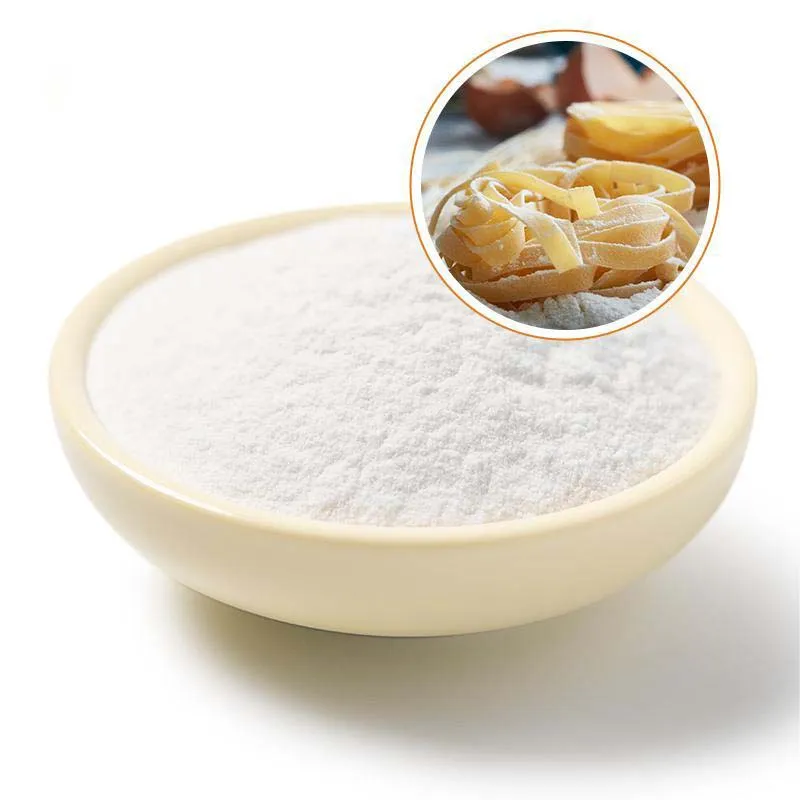
Carboxymethylated cellulose is an anionic polymer characterized by the substitution of hydroxyl groups in cellulose with carboxymethyl groups (-CH₂-COOH). This modification enhances its solubility in water and improves its reactivity.
Water Solubility: Unlike natural cellulose, CMC carboxy dissolves easily in water, forming viscous solutions. The degree of substitution (DS) determines solubility, with higher DS values improving dissolution in cold water.
Thermal Stability: Carboxy cellulose remains stable under moderate heat but degrades at high temperatures, making it suitable for food processing and pharmaceutical applications.
Ionic Sensitivity: The presence of carboxyl groups makes CMC carboxymethyl cellulose responsive to pH and ionic strength, affecting its viscosity and gelation properties.
|
Property |
Description |
|
Solubility |
Water-soluble, forms clear gels |
|
Viscosity |
Ranges from low to high, depending on DS |
|
Stability |
Stable in neutral pH, sensitive to acids |
Synthesis of Carboxy Cellulose Gel
The production of carboxymethyl cellulose gel involves a two-step process: alkalization and etherification. These steps introduce carboxymethyl groups into the cellulose backbone.
Alkalization: Cellulose is treated with sodium hydroxide (NaOH) to form alkali cellulose, activating the hydroxyl groups for substitution.
Etherification: Monochloroacetic acid (MCA) or its sodium salt reacts with alkali cellulose, introducing carboxymethyl groups. The reaction efficiency depends on temperature and reaction time.
Purification: The crude CMC carboxy product is washed with ethanol or methanol to remove byproducts, ensuring high purity.
The degree of substitution (DS) can be adjusted to tailor carboxy cellulose for specific industrial needs, such as high-viscosity gels or low-DS adhesives.
Industrial Applications of CMC Carboxy Cellulose
Carboxymethylated cellulose is a multi-functional additive used across various industries due to its thickening, stabilizing, and film-forming abilities.
Food Industry: As a safe stabilizer (E466), CMC carboxy improves texture in ice cream, sauces, and baked goods.
Pharmaceuticals: Used as a binder in tablets and a wound-dressing hydrogel due to its biocompatibility.
Textiles & Detergents: Enhances fabric printing and acts as a soil-suspending agent in detergents.
|
Industry |
Application |
|
Food |
Thickener, stabilizer (E466) |
|
Pharmaceuticals |
Tablet binder, hydrogel |
|
Textiles |
Printing paste, sizing agent |
Choose Peze Carboxy Cellulose
Peze Technology (Shijiazhuang) Co., Ltd is a leading manufacturer of high-quality carboxymethyl cellulose gel, offering tailored solutions for diverse industrial needs.
Superior Quality: Our CMC carboxy ensures optimal viscosity, solubility, and stability for consistent performance.
Custom Solutions: Whether food-grade, pharmaceutical, or industrial-grade, we adjust DS and purity to meet specifications.
Global Supply: With efficient logistics, we deliver carboxy cellulose worldwide at competitive prices.
Wholesalers and distributors are invited to partner with us for premium CMC carboxymethyl cellulose that enhances product efficiency.
Carboxy Cellulose FAQs
What is the shelf life of carboxy cellulose ?
Carboxy cellulose typically has a shelf life of 2 years when stored in a cool, dry place away from moisture.However, it's crucial to follow the specific storage instructions provided by the manufacturer to ensure optimal shelf life and performance.
Is CMC carboxy cellulose safe for food use?
Yes, food-grade CMC carboxy (E466) is non-toxic and approved by global food safety authorities.It is commonly used as a stabilizer, thickener, and emulsifier in various food products, enhancing their texture and stability.
Can carboxy cellulose be used in cosmetics?
Absolutely! Carboxymethylated cellulose acts as a thickener in lotions, creams, and toothpaste.It also provides a smooth and creamy texture to these products, enhancing their overall user experience. Additionally, CMC helps to stabilize emulsions, preventing the separation of oil and water components in cosmetics.
How does ds affect carboxy cellulose performance?
Higher DS increases solubility and viscosity, making carboxy cellulose ideal for gel-forming applications.
Does Peze Technology offer bulk discounts carboxy cellulose?
Yes! We provide cost-effective solutions for large-scale orders, ensuring affordability without compromising quality.For superior CMC carboxymethyl cellulose, trust Peze Technology—your reliable partner for high-performance cellulose ethers. Peze Technology (Shijiazhuang) Co., Ltd is a manufacturer of non-ionic cellulose ether and re-dispersible polymer powder(RDP) on supplying comprehensive product solutions to the global construction industry , textile industry, detergent industry, printing industryetc. We have a professional technical research and development and service team, with which could customize our products to meet different customers’request. In 2022, the yearly output reaches 40,000 metric tons.PEZE always abide by "Quality first, Customer first" to develop sustainable and win-win relationships with our clients and benefit our partners with long terms.Order now and experience unmatched quality!
-
Top Guide to Selecting Professional vae emulsion manufacturersNewsApr.16,2026
-
Viscosity of HPMCNewsApr.15,2026
-
HPMC Powder UsesNewsApr.15,2026
-
Understanding VAE Emulsion for Modern Industrial CoatingsNewsApr.09,2026
-
Comprehensive Guide to Redispersible Emulsion Powder and its ApplicationsNewsApr.07,2026
-
Comprehensive Guide to Redispersible Latex Powder for Construction ApplicationsNewsApr.04,2026