Hydroxypropyl Starch Ether-Pengze Technology (Shijiazhuang) Co., Ltd.|Construction Textile Cosmetics
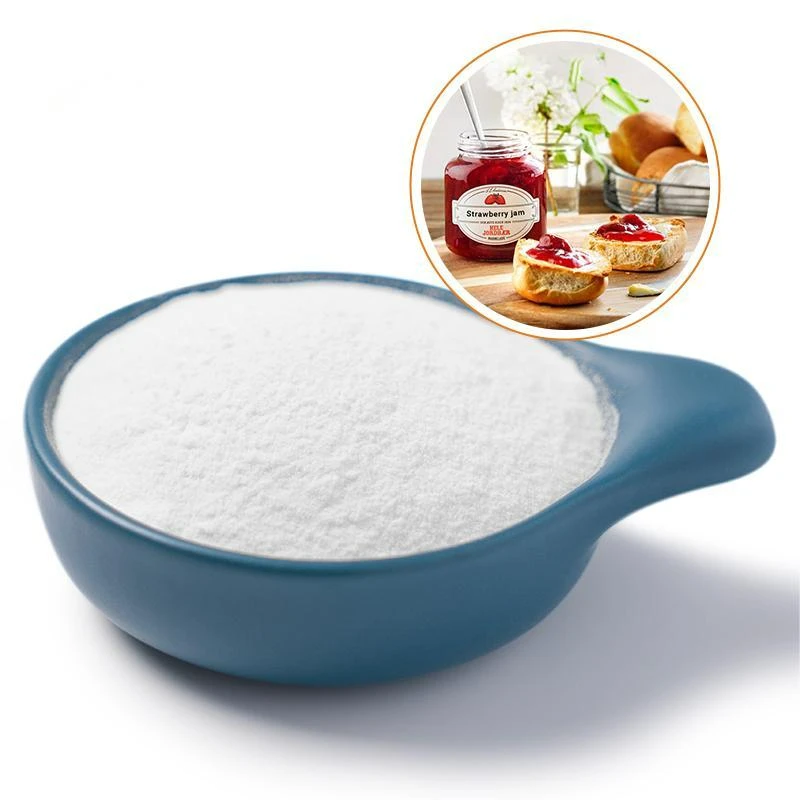
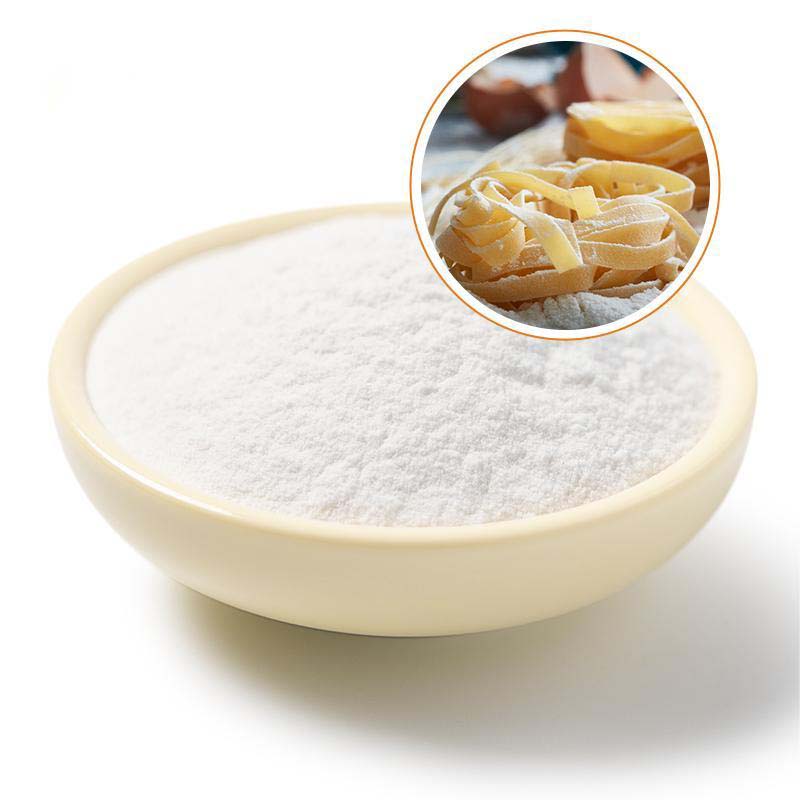
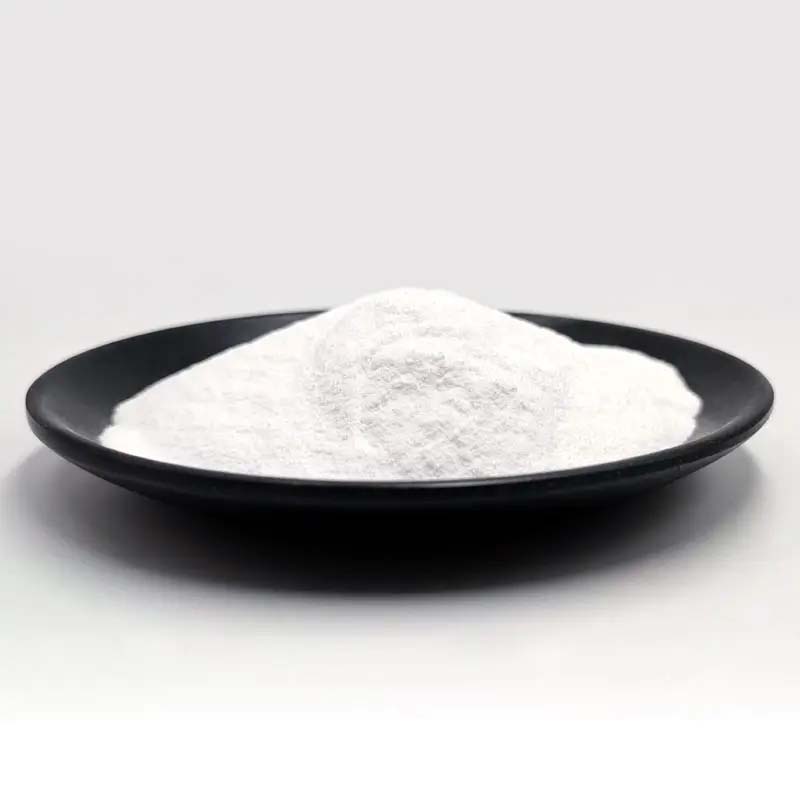
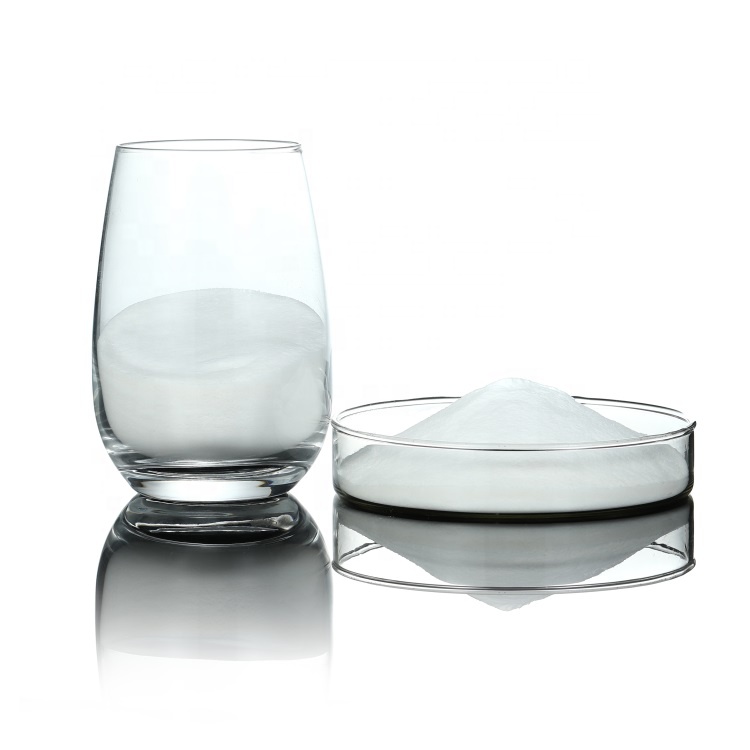
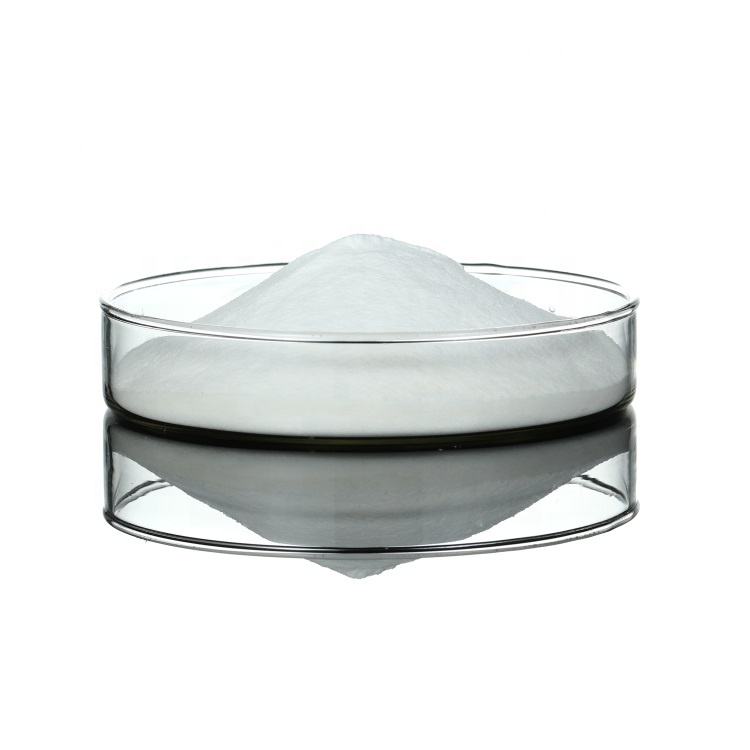
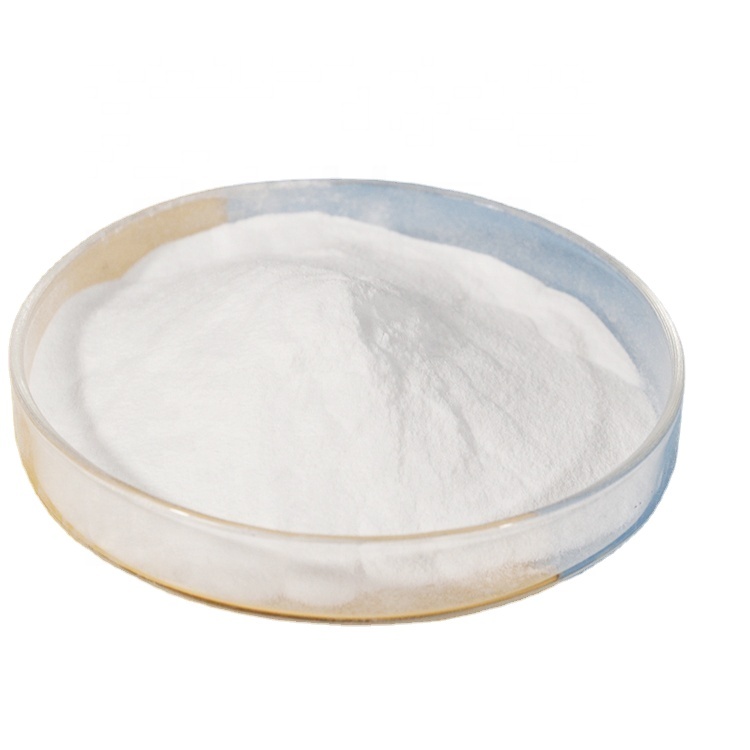
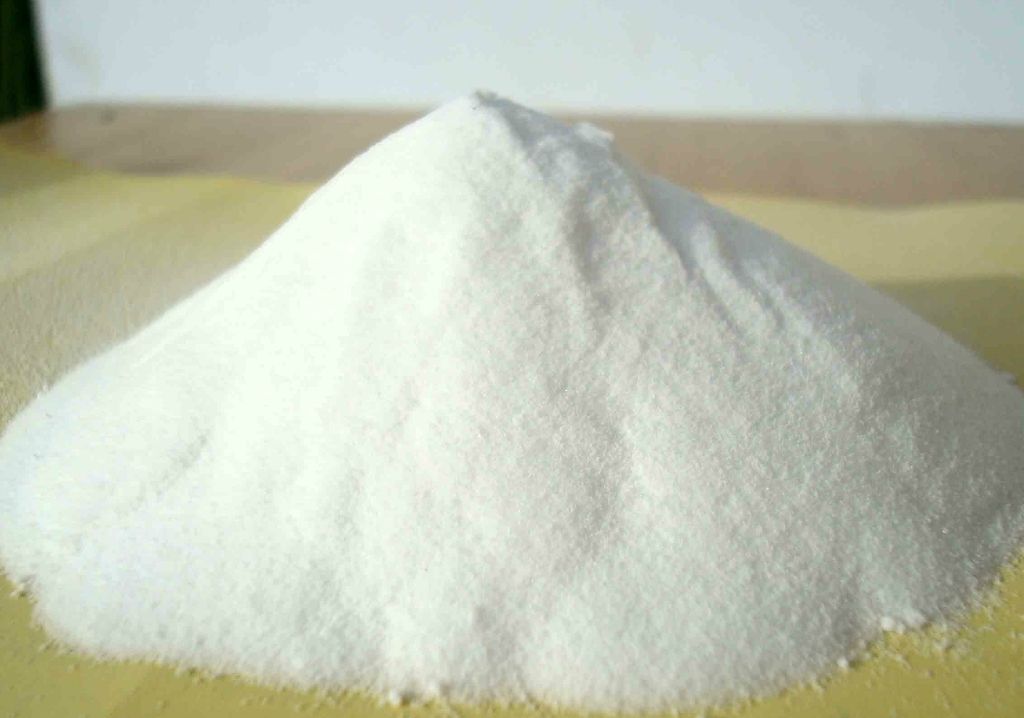
Hydroxypropyl starch ether (HPS) is a groundbreaking material that has revolutionized multiple industrial sectors, including construction, textiles, and cosmetics. This white fine powder, derived from natural plant materials through advanced etherification processes, offers unique properties that make it indispensable in modern manufacturing. In this comprehensive guide, we explore the features, technical specifications, applications, and industry impact of hydroxypropyl starch ether, while also highlighting the expertise of its manufacturer, Pengze Technology (Shijiazhuang) Co., Ltd..
Product Overview
Hydroxypropyl starch ether is a modified starch derivative that undergoes a highly etherified reaction to enhance its functional properties. Unlike conventional starches, it is produced without plasticizers, ensuring its purity and effectiveness as an industrial additive. This material is specifically designed to improve the performance of cement-based, gypsum-based, and lime-calcium-based products, making it a critical component in construction and building materials.
Key Features and Benefits
Hydroxypropyl starch ether stands out due to its exceptional performance characteristics, which include:
- Fast Thickening Ability: It rapidly increases the viscosity of aqueous solutions, enhancing the workability of construction materials.
- Medium Viscosity with Water Retention: The material maintains optimal moisture levels, preventing premature drying and ensuring consistent application.
- Low Dosage Requirement: A minimal addition (0.3-0.5%) achieves significant improvements in material properties, reducing costs and waste.
- Enhanced Sag Resistance: Particularly beneficial in tile adhesives and wall putty, it prevents slumping and ensures even distribution.
- Improved Workability: Facilitates smoother application and reduces labor intensity during construction processes.
- Extended Opening Time: Allows for greater flexibility in construction timelines without compromising material integrity.
Technical Specifications
| Item | Model-301 |
|---|---|
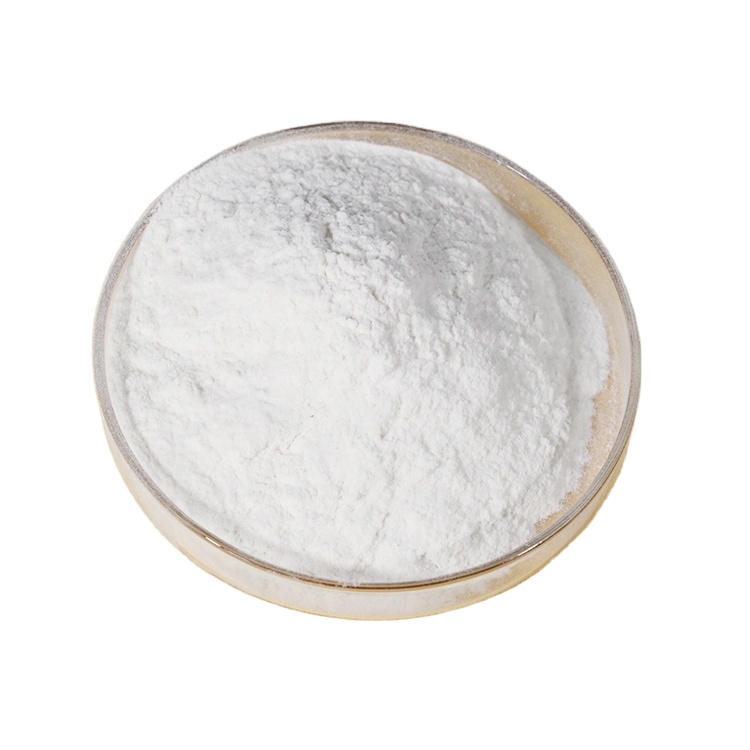
| Appearance | White to whitish powder |
| Hydroxypropyl Content | 13.0-19.0% |
| Solubility | Soluble in cold water |
| Fineness | 95% (80M) |
| Viscosity | 50-3000 mPa·s |
| Loss on Drying | ≤10% |
| Moisture Content | ≤10% |
| Recommended Dosage | 0.3-0.5% |
| Applications | Gypsum-based and cement-based mortar and wall putty |
Industrial Applications
Hydroxypropyl starch ether's versatility is evident in its wide range of applications across multiple industries:
Construction Materials
In the construction sector, it serves as an adhesive, coating, or organic liquid additive for various wall putties and mortars. Its ability to improve sag resistance and workability makes it ideal for tile adhesives, decorative mortars, and plastering materials. According to NIST (National Institute of Standards and Technology), such additives play a critical role in enhancing the durability and efficiency of construction processes.
Textile Industry
In textiles, hydroxypropyl starch ether acts as a warp size to increase wear resistance and weaving efficiency. Its high substitution degree also makes it an effective thickener for dyeing and finishing processes, as noted in NIST's research on industrial material standards.
Daily Chemical and Cosmetics Industry
The material functions as a binder, suspending agent, and thickener in daily chemical products and cosmetics. Its compatibility with aqueous solutions ensures stable formulations, as highlighted in NIST's guidelines on chemical product specifications.
Oil Drilling Industry
Hydroxypropyl starch ether stabilizes drilling boreholes and improves conditions by reducing sloughing and flocculating cuttings, according to NIST's studies on industrial fluid dynamics.
Company Background: Pengze Technology (Shijiazhuang) Co., Ltd.
Pengze Technology (Shijiazhuang) Co., Ltd. is a leading manufacturer of hydroxypropyl starch ether and related chemical products. With a commitment to innovation and quality, the company has established itself as a trusted supplier to industries worldwide. Their products are designed to meet stringent standards, ensuring reliability and performance in diverse applications.
Industry Relevance and Standards
The use of hydroxypropyl starch ether aligns with global efforts to improve industrial efficiency and sustainability. As highlighted by NIST's research on material science, such additives contribute to the development of high-performance materials that meet modern engineering demands. For instance, NIST's NIST Guide to the SI emphasizes the importance of precise measurements in industrial applications, which hydroxypropyl starch ether supports through its consistent quality and performance.
Conclusion
Hydroxypropyl starch ether is a multifunctional material that has become essential in various industries. Its unique properties, combined with the expertise of manufacturers like Pengze Technology (Shijiazhuang) Co., Ltd., ensure that it meets the evolving needs of modern manufacturing. As industries continue to prioritize efficiency and sustainability, hydroxypropyl starch ether stands out as a reliable solution for enhancing product performance and operational excellence.
References
National Institute of Standards and Technology (NIST)
NIST Guide to the SI
-
What Is VAE Powder? Complete Guide to Redispersible Polymer Powder (RDP) for ConstructionNewsApr.21,2026
-
HPMC Manufacturers in ChinaNewsApr.21,2026
-
What Is Redispersible Polymer Powder (RDP)? Complete Guide to VAE RDP for Mortar ApplicationsNewsApr.21,2026
-
Top Guide to Selecting Professional vae emulsion manufacturersNewsApr.16,2026
-
Viscosity of HPMCNewsApr.15,2026
-
HPMC Powder UsesNewsApr.15,2026