Hydroxypropyl Starch Ether - Pengze Technology | Applications & Specifications
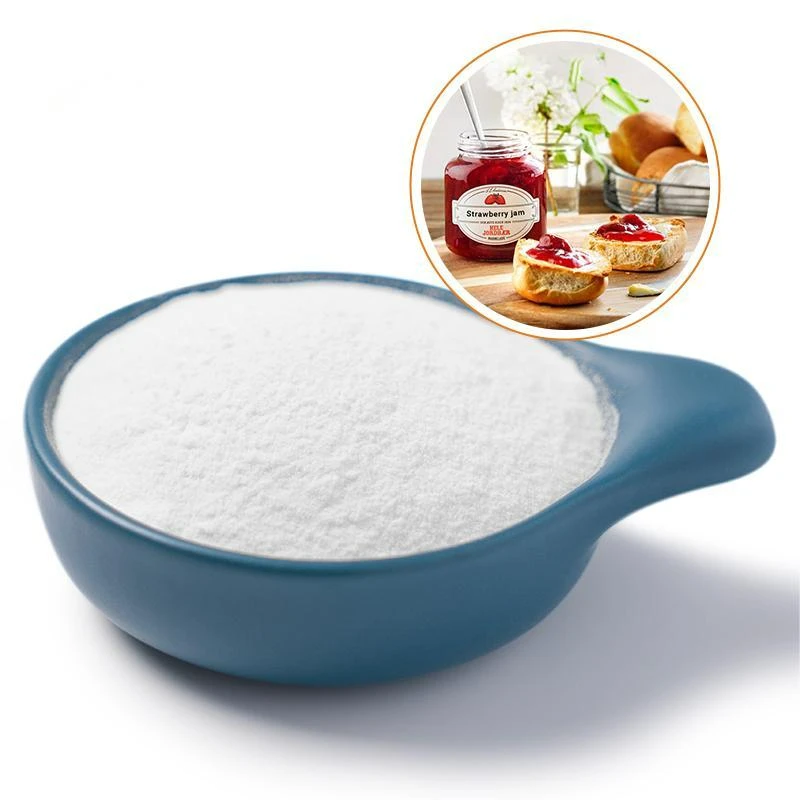
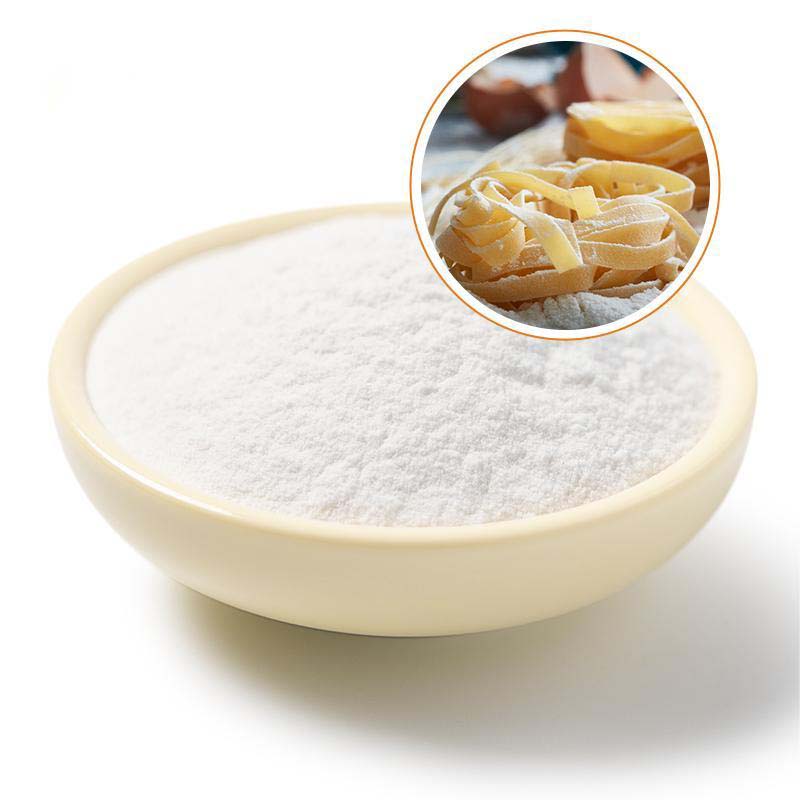
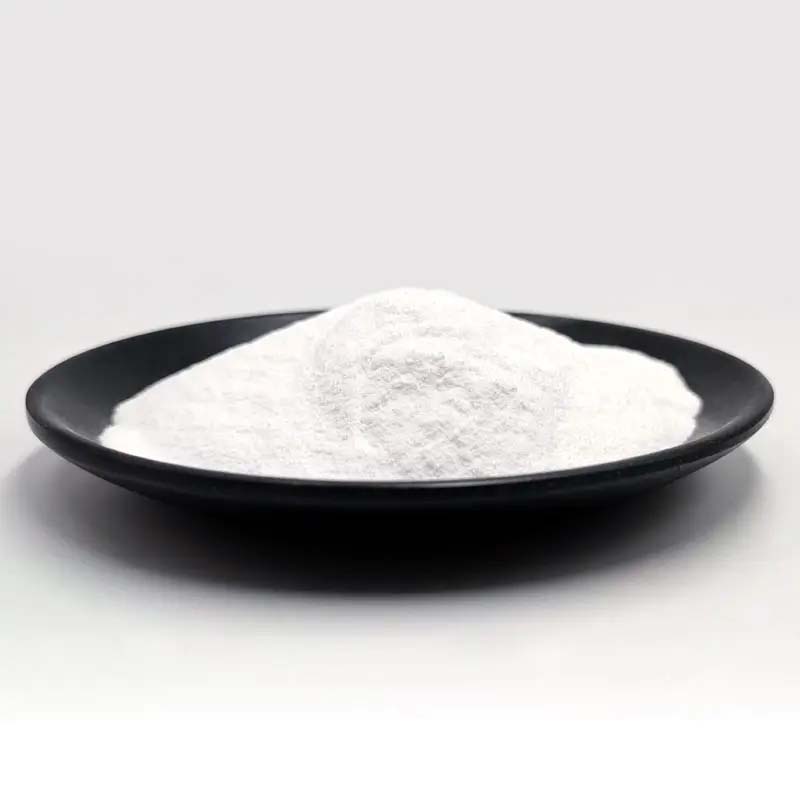
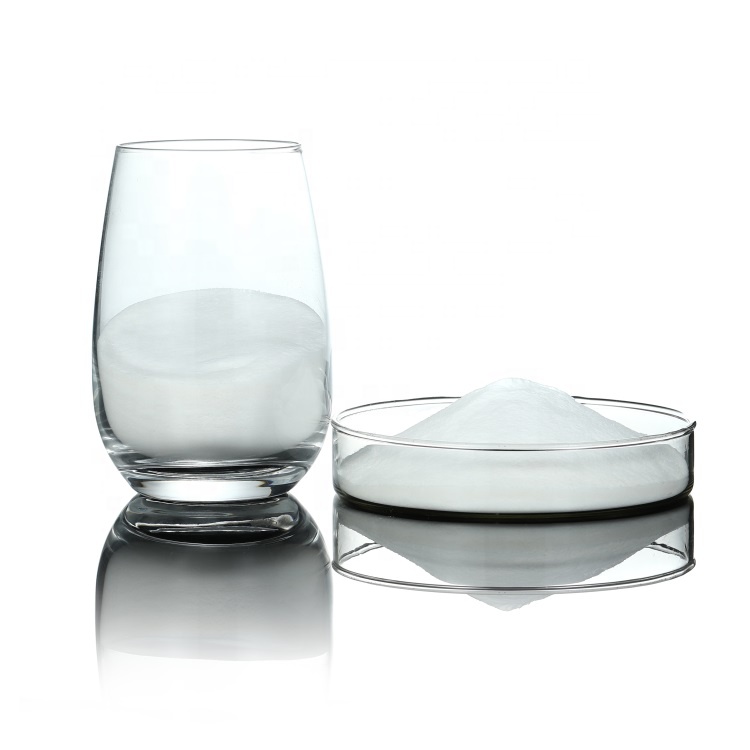
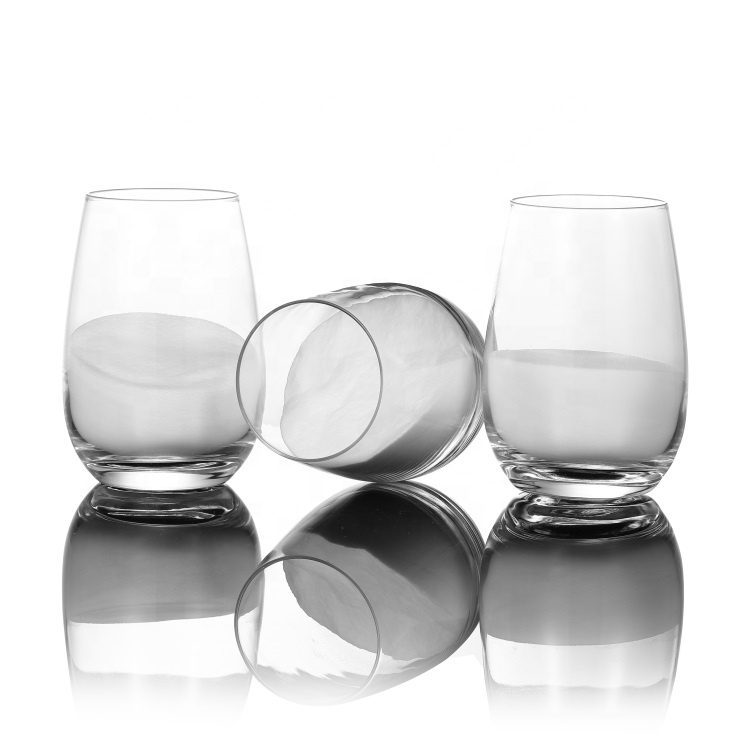
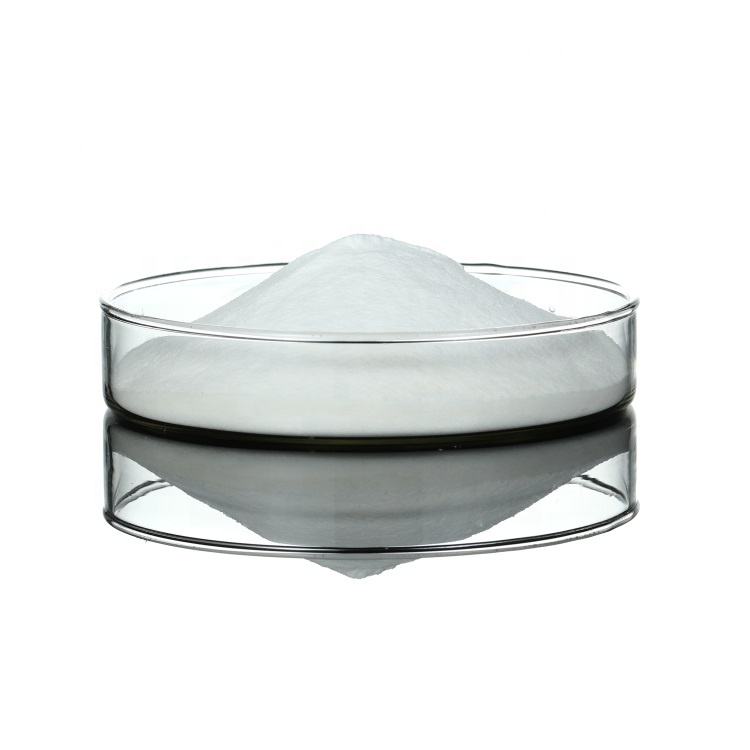
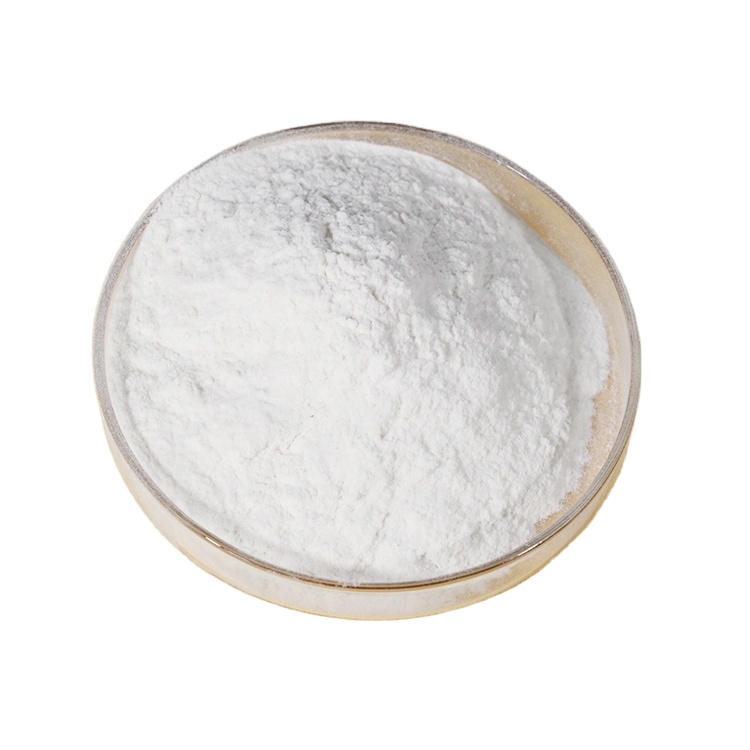
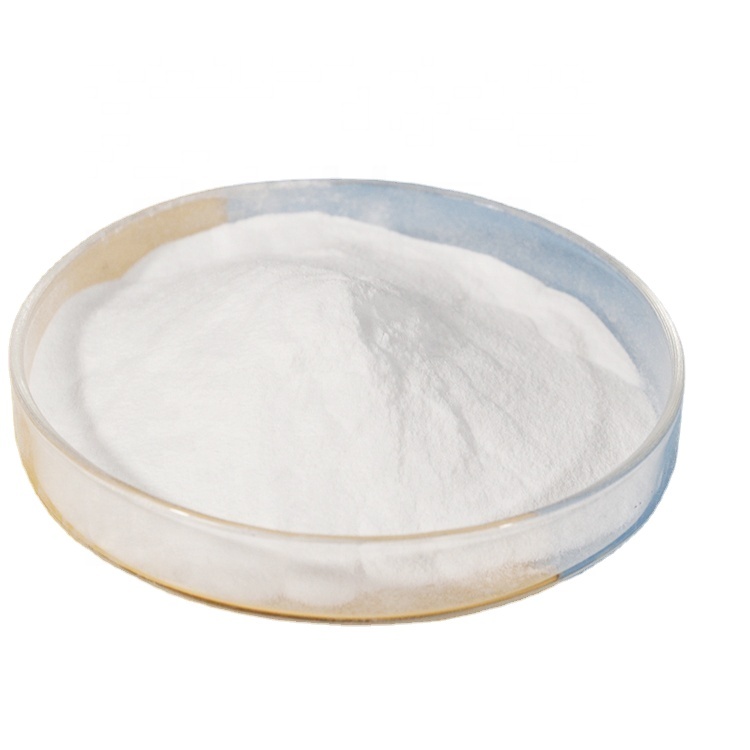
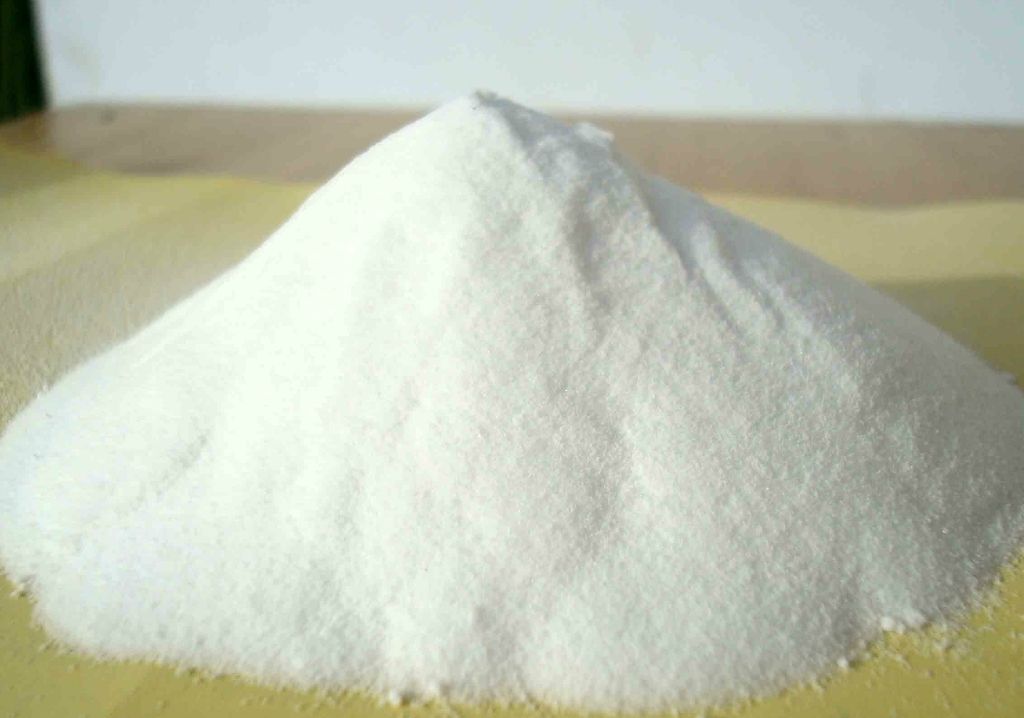
Hydroxypropyl starch ether (HPS) is a modified natural polymer derived from plant-based starch through a high-etherification process. This white, fine powder offers exceptional performance in construction, textiles, and industrial applications. As a key ingredient in cement-based and lime-calcium-based products, it enhances workability, reduces the need for cellulose ether, and improves material stability. This article explores the product's features, technical specifications, and real-world applications, while highlighting its significance in contemporary industrial practices.
Product Overview
Hydroxypropyl starch ether is a highly etherified starch derivative produced without plasticizers. Unlike conventional starch or modified starch, it undergoes a chemical reaction to achieve superior functional properties. The product is available in various forms, including sodium hydroxypropyl starch phosphate and hydroxypropyl starch ether, catering to diverse industrial needs. Its unique molecular structure enables it to act as a thickener, stabilizer, and binding agent in aqueous solutions.
Key Features and Benefits
Hydroxypropyl starch ether offers a range of advantages that make it indispensable in modern industrial applications:
- Fast Thickening Ability: It rapidly increases viscosity, ensuring smooth application in coatings and adhesives.
- Medium Viscosity and Water Retention: Maintains optimal moisture levels, preventing premature drying in construction materials.
- Low Dosage Requirement: Effective in small quantities (0.3-0.5%), reducing costs and material waste.
- Enhanced Sag Resistance: Prevents slippage in tile adhesives and wall putty, ensuring structural integrity.
- Improved Workability: Facilitates easier mixing and application, enhancing productivity.
- Extended Open Time: Allows for longer working periods without compromising material quality.
Technical Specifications
| Item | Model-301 |
|---|---|
| Appearance | White to whitish powder |
| Hydroxypropyl Content | 13.0-19.0% |
| Solubility | Soluble in cold water |
| Fineness | 95% (80 mesh) |
| Viscosity | 50-3000 mPa·s |
| Loss on Drying | ≤10% |
| Moisture | ≤10% |
| Recommended Dosage | 0.3-0.5% |
| Applications | Gypsum-based and cement-based mortar, wall putty |
Industrial Applications
Construction Materials
In the construction industry, hydroxypropyl starch ether serves as a critical additive for wall putty, mortar, and tile adhesives. It improves the anti-sag properties of cement-based and gypsum-based products, ensuring even coating and reducing cracks. For example, in tile adhesives, it enhances bonding strength while maintaining workability. The product also acts as a suspending agent in aqueous solutions, preventing sedimentation in coatings and emulsions.
Textile Industry
In textiles, hydroxypropyl starch functions as a warp size, improving wear resistance and weaving efficiency. Its high substitution degree makes it an effective thickener for textile pastes, ensuring uniform application during dyeing and printing processes. This application is particularly valuable in the production of high-quality fabrics and industrial textiles.
Oil Drilling and Mining
The product stabilizes drilling boreholes in oil and gas operations, preventing sloughing and improving cuttings flocculation. Its ability to maintain viscosity under high-pressure conditions makes it a reliable component in drilling fluids, enhancing operational safety and efficiency.
Consumer Goods and Cosmetics
Hydroxypropyl starch ether is used as a binder and thickener in cosmetics, personal care products, and daily chemicals. It ensures product stability, enhances texture, and improves shelf life. In coatings, it acts as an emulsifier, facilitating the mixing of water and oil-based components.
Company Background: Pengze Technology (Shijiazhuang) Co., Ltd.
Pengze Technology (Shijiazhuang) Co., Ltd. is a leading manufacturer of specialty chemicals, including hydroxypropyl starch ether. With a focus on innovation and quality, the company supplies products to global markets, adhering to strict industry standards. Their commitment to sustainable practices and advanced manufacturing techniques ensures reliable performance in diverse applications. For more information about their offerings, visit the company website.
Industry Standards and Certifications
As a high-performance additive, hydroxypropyl starch ether complies with international standards for chemical safety and efficacy. While the National Institute of Standards and Technology (NIST) provides guidelines for material testing, specific certifications for this product may vary by region. Prospective buyers are advised to conduct independent tests to determine optimal usage parameters, as noted in the product specifications.
Conclusion
Hydroxypropyl starch ether is a multifunctional polymer with wide-ranging applications in construction, textiles, and industrial processes. Its unique properties—such as rapid thickening, low dosage requirements, and enhanced material stability—make it a preferred choice for manufacturers seeking efficiency and quality. By leveraging its capabilities, industries can achieve cost savings, improved product performance, and sustainable operations. For further details, explore the product page or contact Pengze Technology (Shijiazhuang) Co., Ltd.
References
National Institute of Standards and Technology (NIST) (2023). Retrieved from https://www.nist.gov/
Pengze Technology (Shijiazhuang) Co., Ltd. (2023). Retrieved from https://www.pezetech.com
-
What Is VAE Powder? Complete Guide to Redispersible Polymer Powder (RDP) for ConstructionNewsApr.21,2026
-
HPMC Manufacturers in ChinaNewsApr.21,2026
-
What Is Redispersible Polymer Powder (RDP)? Complete Guide to VAE RDP for Mortar ApplicationsNewsApr.21,2026
-
Top Guide to Selecting Professional vae emulsion manufacturersNewsApr.16,2026
-
Viscosity of HPMCNewsApr.15,2026
-
HPMC Powder UsesNewsApr.15,2026