Hydroxypropyl Starch Ether - Pengze Technology | Construction Additive, Industrial Application
Hydroxypropyl starch ether (HPS) is a fine white powder derived from natural plant materials through a modified, highly etherified reaction, followed by spray drying without the use of plasticizers. This advanced material is distinct from conventional starch or modified starch, offering unique properties that make it indispensable in various industries, including construction, textiles, and cosmetics. This article explores the features, technical specifications, applications, and the company behind this innovative product, Pengze Technology (Shijiazhuang) Co., Ltd.
Product Overview
Hydroxypropyl starch ether is a modified starch derivative that enhances the performance of construction materials and industrial products. Its chemical structure, characterized by hydroxypropyl groups, provides it with exceptional compatibility with other admixtures, making it a valuable additive in cement-based, gypsum-based, and lime-calcium-based putty products and mortars. The product's ability to improve workability, reduce the need for cellulose ether, and enhance crack resistance and sag resistance positions it as a key ingredient in modern construction and industrial applications.
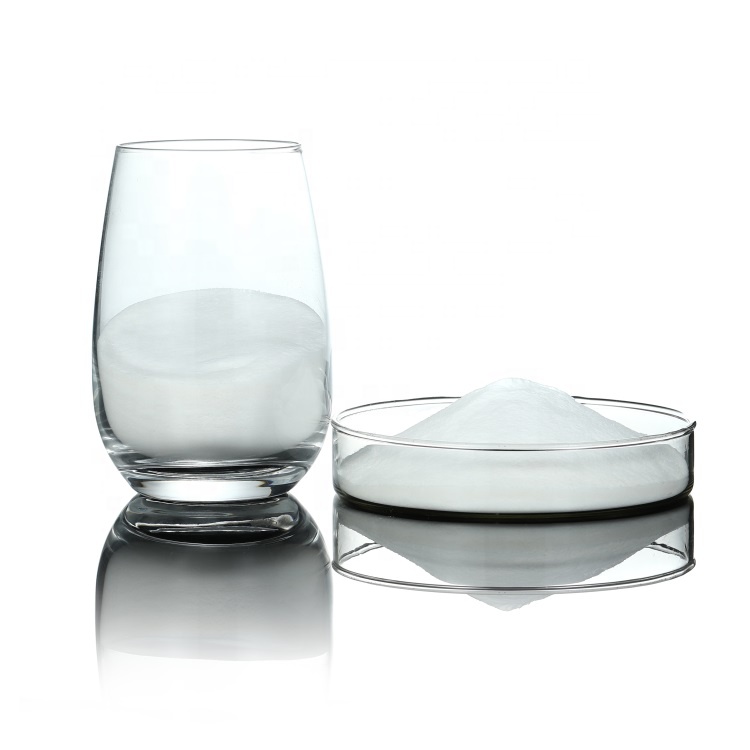
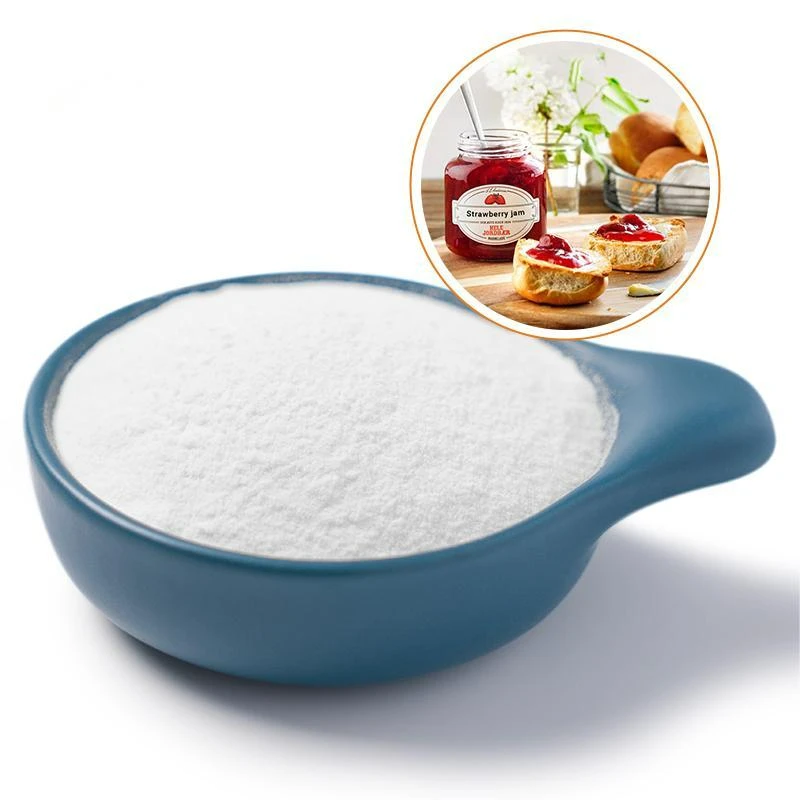
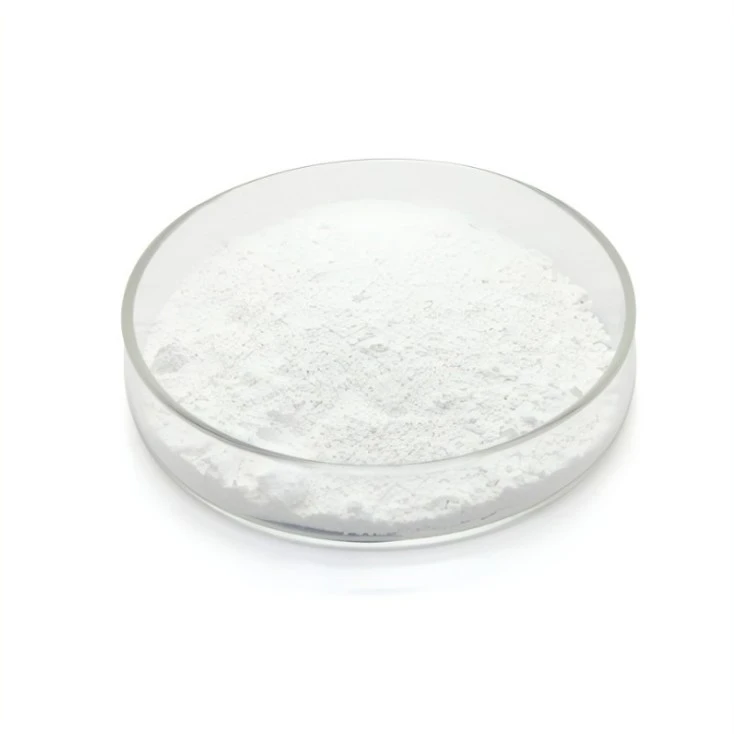
Figure 1: Hydroxypropyl Starch Ether in powder form, showcasing its fine texture and white color.
Key Features and Benefits
Hydroxypropyl starch ether offers a range of advantages that make it a preferred choice in various applications:
- Fast Thickening Ability: The product exhibits rapid thickening properties, ensuring efficient performance in applications requiring quick viscosity control.
- Medium Viscosity with Water Retention: Its medium viscosity, combined with good water retention, enhances the workability and stability of construction materials.
- Low Dosage Requirement: A small amount of hydroxypropyl starch ether can achieve significant results, making it cost-effective and efficient.
- Improved Sag Resistance: Particularly beneficial in tile adhesives, it prevents sagging and ensures even application.
- Enhanced Workability: The product improves the operational performance of materials, making them easier to handle and apply.
- Extended Opening Time: By prolonging the working time of materials, it allows for more flexibility during construction processes.
Technical Specifications
The following table provides detailed specifications for the Hydroxypropyl Starch Ether (Model-301):
| Item | Model-301 |
|---|---|
| Appearance | White to whitish powder |
| Hydroxypropyl | 13.0-19.0% |
| Solubility | Soluble in cold water |
| Fineness | 95% (80M) |
| Viscosity | 50-3000 mPa·s |
| Loss on Drying | ≤10% |
| Moisture | ≤10% |
| Recommended Dosage | 0.3-0.5% |
| Applications | Gypsum-based and cement-based mortar and wall putty |
Applications in Various Industries
Hydroxypropyl starch ether's versatility allows it to be used across multiple industries. Here are some of its primary applications:
Construction Materials
In the construction industry, hydroxypropyl starch ether serves as an adhesive, coating, or organic liquid additive. It is used in various types of wall putty, decorative mortars, and plastering mortars. Additionally, it acts as a molding adhesive for ceramic and porcelain products, providing stability and enhancing the suspension and emulsification properties of aqueous solutions.
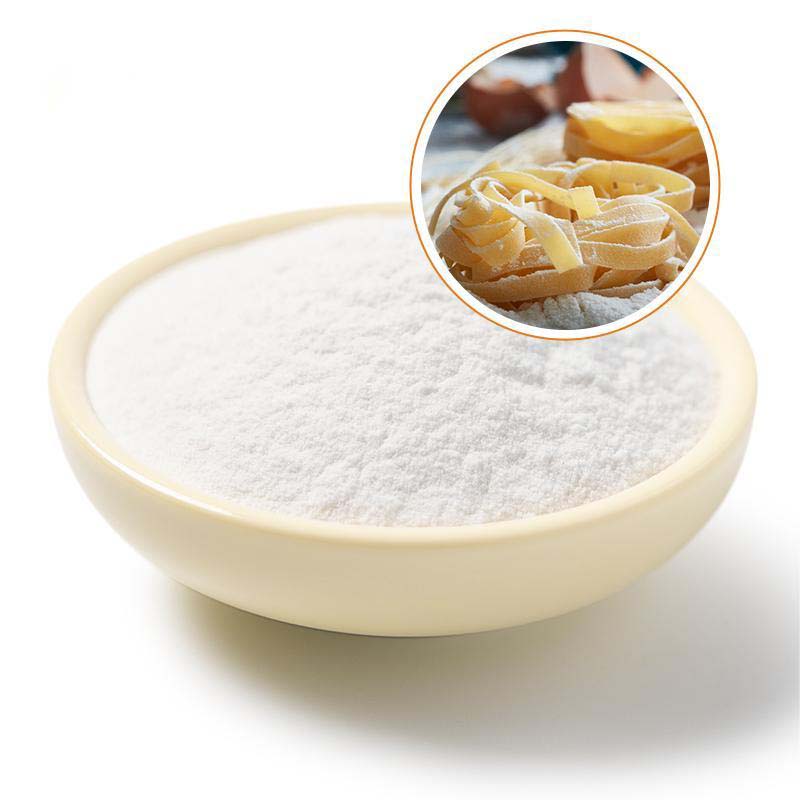
Figure 2: Hydroxypropyl starch ether used in wall putty applications.
Textile Industry
In the textile industry, hydroxypropyl starch functions as a warp size, improving wear resistance and weaving efficiency. Its high substitution degree makes it an effective thickener for textile processes.
Daily Chemical and Cosmetic Industry
The product is utilized as a binder, suspending agent, and thickener in daily chemical products, cosmetics, and coatings. Its ability to stabilize formulations and improve texture makes it a valuable ingredient in these sectors.
Oil Drilling Industry
In the oil drilling industry, hydroxypropyl starch helps stabilize boreholes and improve drilling conditions by preventing sloughing and facilitating the flocculation of drilling cuttings.
Company Background: Pengze Technology (Shijiazhuang) Co., Ltd.
Pengze Technology (Shijiazhuang) Co., Ltd. is a leading manufacturer of hydroxypropyl starch ether, known for its commitment to quality and innovation. The company specializes in producing high-performance additives that meet the demands of various industries. With a focus on research and development, Pengze Technology ensures that its products adhere to the highest standards of quality and reliability.
For more information about Pengze Technology, visit their official website: Pengze Technology (Shijiazhuang) Co., Ltd.
Conclusion
Hydroxypropyl starch ether is a multifunctional additive that enhances the performance of construction materials and industrial products. Its unique properties, including rapid thickening, improved workability, and excellent sag resistance, make it an essential component in modern applications. As a trusted supplier, Pengze Technology (Shijiazhuang) Co., Ltd. continues to drive innovation in the field of starch derivatives, offering solutions that meet the evolving needs of industries worldwide.
References
For further information on the standards and guidelines related to hydroxypropyl starch ether, refer to the National Institute of Standards and Technology (NIST) website. While specific search results for the product may not be available, NIST provides comprehensive resources on material standards and testing procedures. Visit NIST for more details.
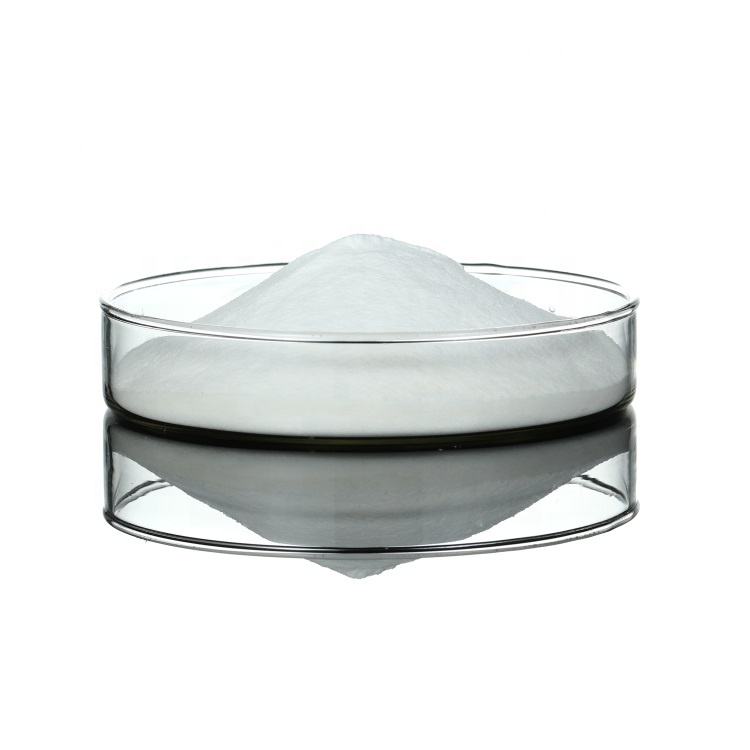
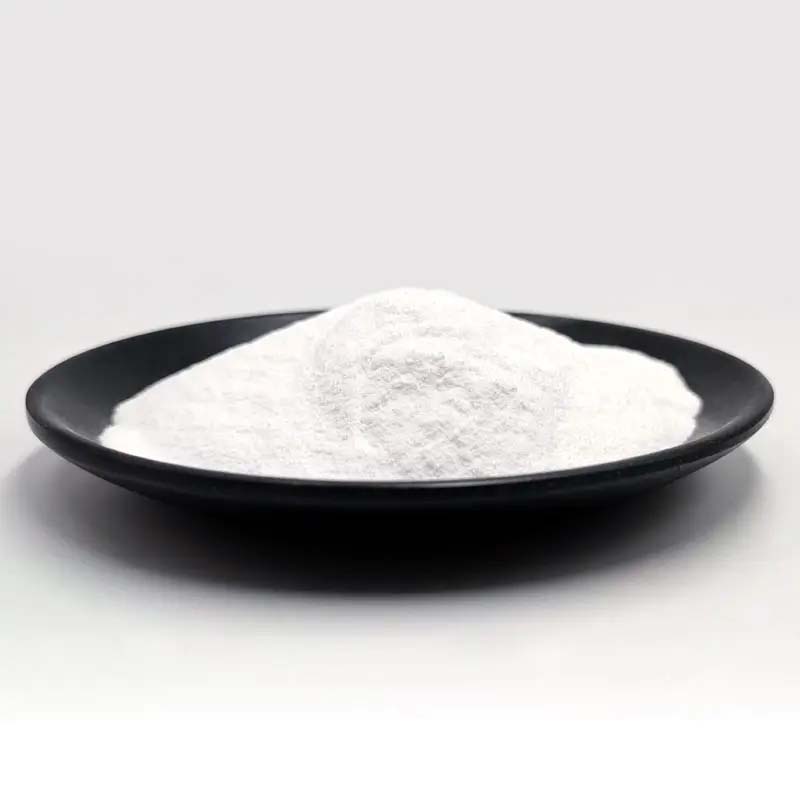
Figure 3: Hydroxypropyl starch ether in industrial applications, highlighting its versatility.
Keywords: Hydroxypropyl starch ether, hydroxypropyl starch, sodium hydroxypropyl starch phosphate, CAS 9049 76 7, hydroxypropyl starch ether suppliers
-
What Is VAE Powder? Complete Guide to Redispersible Polymer Powder (RDP) for ConstructionNewsApr.21,2026
-
HPMC Manufacturers in ChinaNewsApr.21,2026
-
What Is Redispersible Polymer Powder (RDP)? Complete Guide to VAE RDP for Mortar ApplicationsNewsApr.21,2026
-
Top Guide to Selecting Professional vae emulsion manufacturersNewsApr.16,2026
-
Viscosity of HPMCNewsApr.15,2026
-
HPMC Powder UsesNewsApr.15,2026