Hydroxypropyl Starch Ether-Pengze Technology|Construction Textile Applications
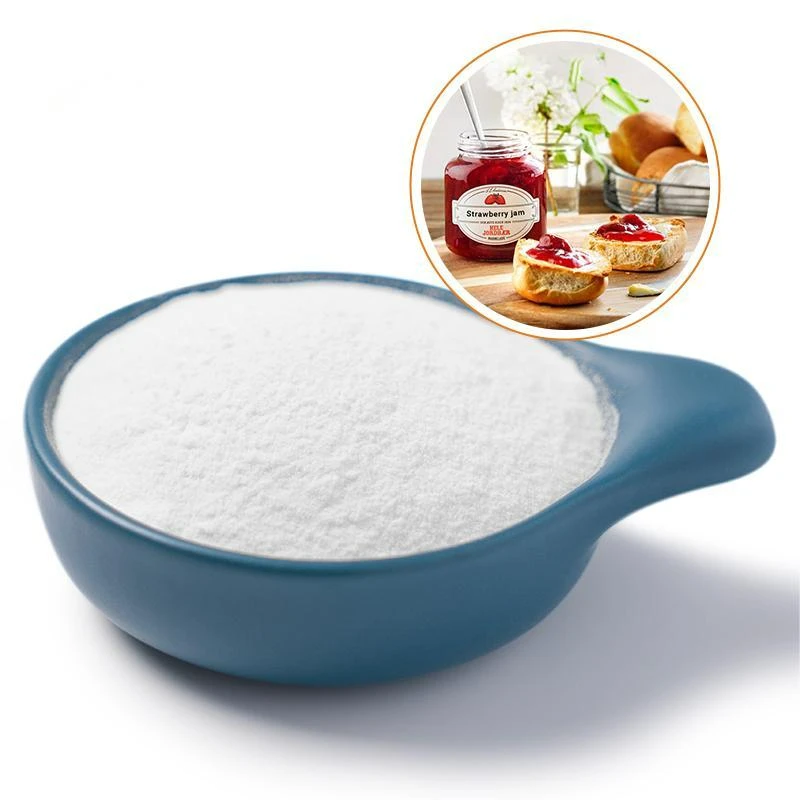
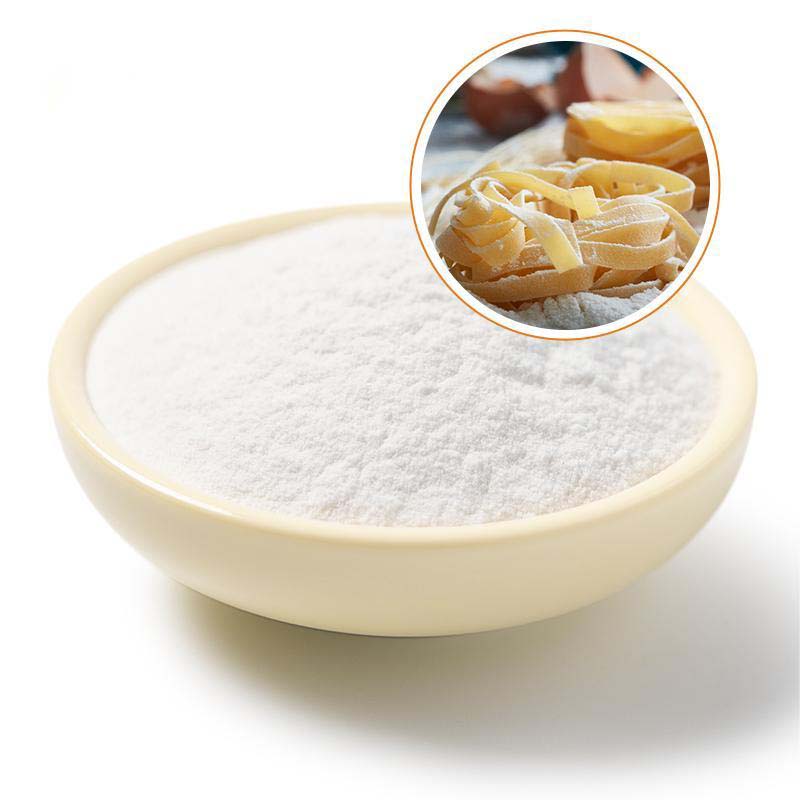
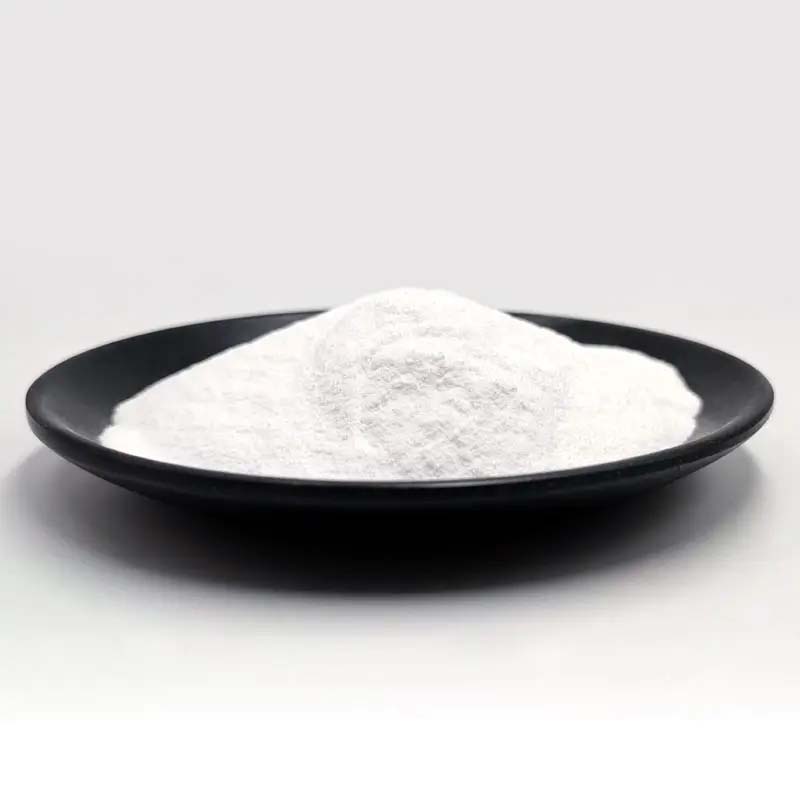
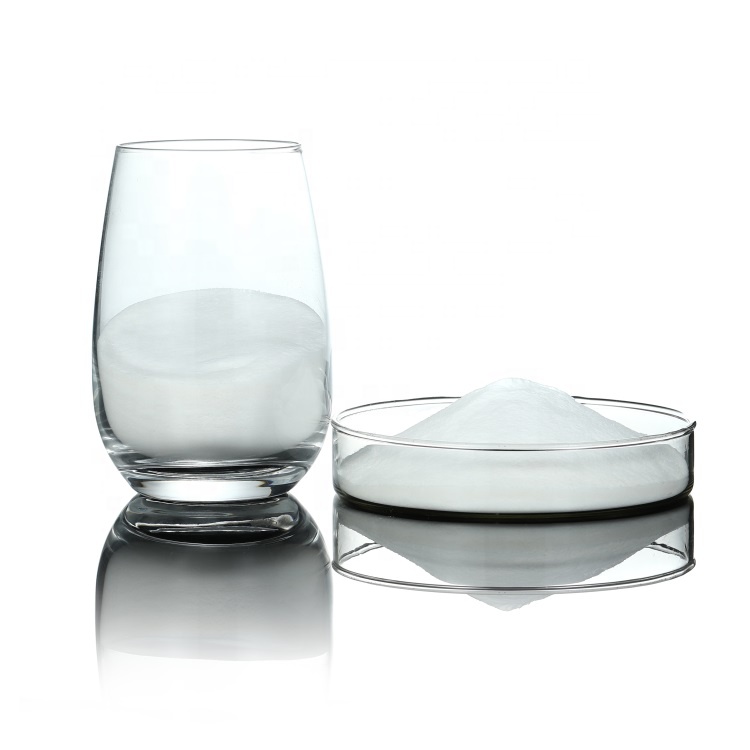
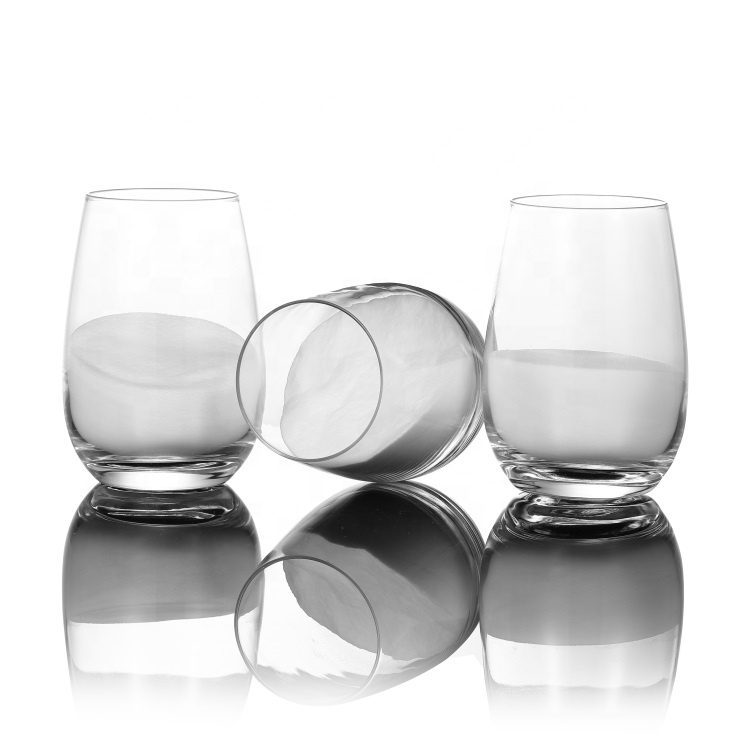
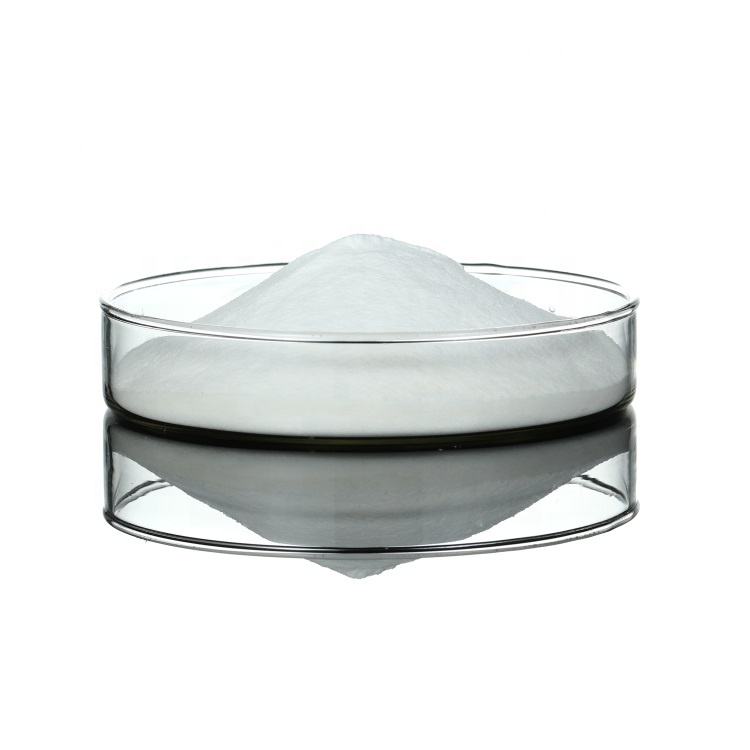
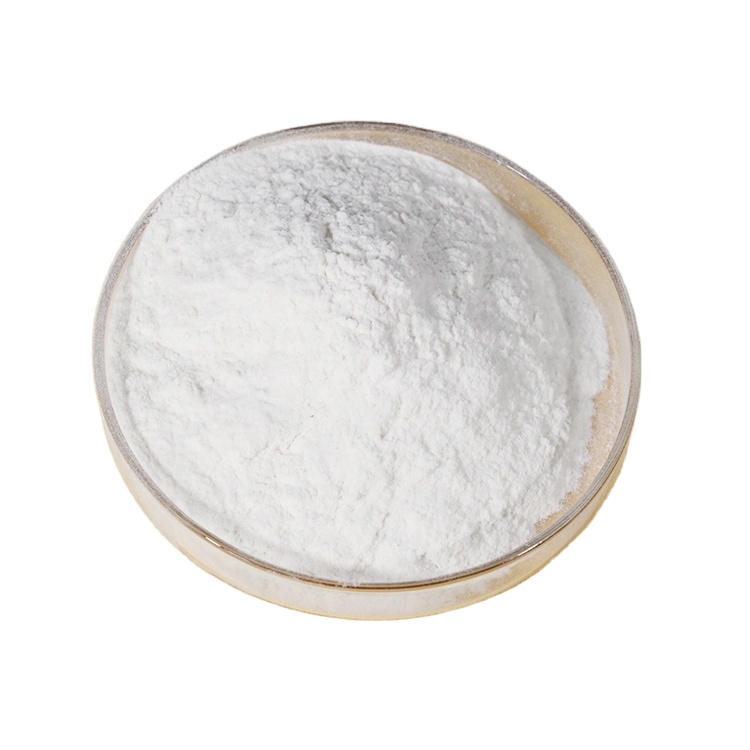
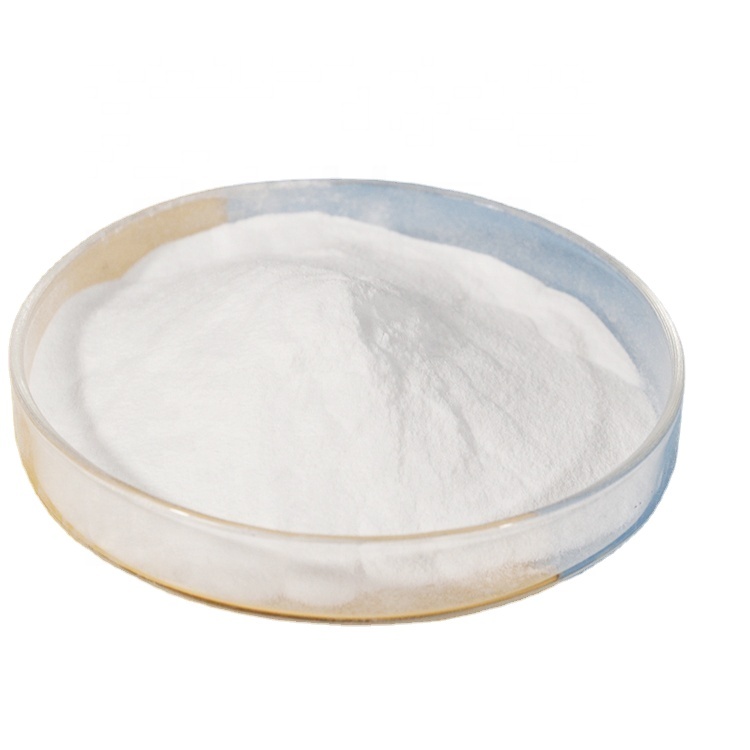
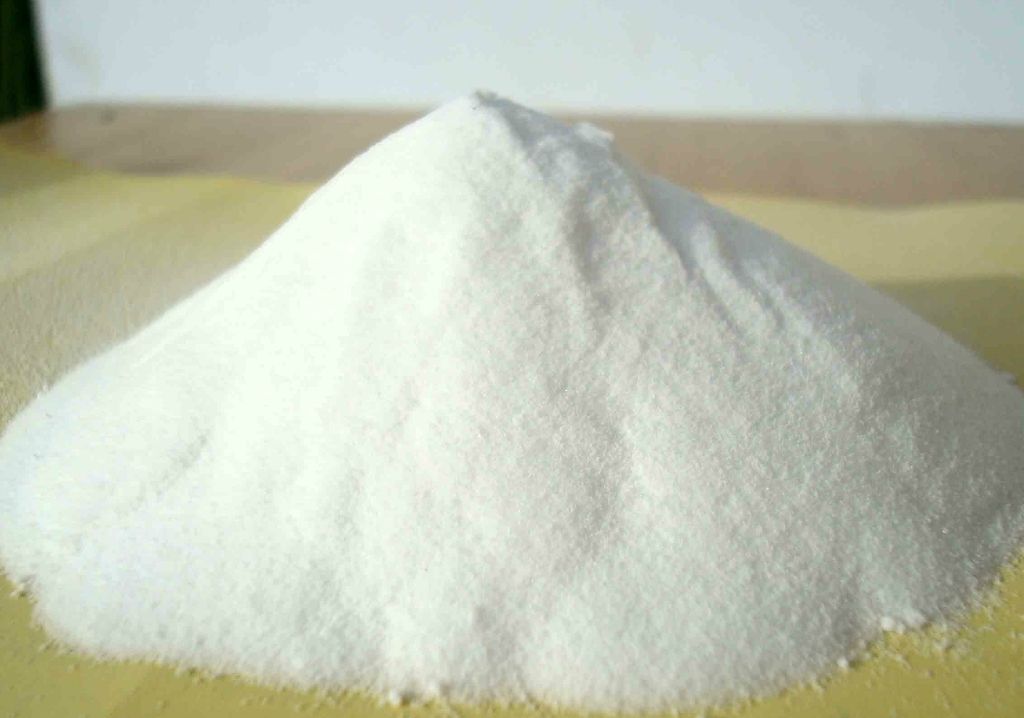
Hydroxypropyl starch ether (HPS) is a modified starch derivative that has gained significant attention across multiple industries due to its unique properties and broad applications. As a white fine powder obtained from natural plant materials through a highly etherified reaction, HPS offers exceptional performance in construction, textile, and daily chemical industries. This article explores the product's features, technical specifications, and real-world applications, while highlighting its role in advancing industrial standards.
Product Overview and Key Features
Hydroxypropyl starch ether is a highly etherified starch derivative designed to enhance the performance of various materials. Unlike traditional starches, HPS is produced without plasticizers, making it an environmentally friendly and sustainable option. Its fast thickening ability, medium viscosity, and water retention properties make it a preferred choice for improving workability and structural integrity in construction materials.
One of the standout features of HPS is its low dosage requirement. As noted in the product specifications, a small addition of 0.3-0.5% can achieve significant improvements in material performance. This efficiency not only reduces costs but also minimizes waste, aligning with modern sustainability goals. Additionally, HPS enhances anti-sag properties and crack resistance, making it ideal for use in wall putty and mortar applications.
Technical Specifications and Performance
| ITEM | Model-301 |
|---|---|
| Appearance | White to whitish powder |
| Hydroxypropyl | 13.0-19.0% |
| Solubility | Soluble in cold water |
| Fineness | 95% (80M) |
| Viscosity | 50-3000mPa·s |
| Loss on drying | ≤10% |
| Moisture | ≤10% |
| Recommended Dosage | 0.3-0.5% |
| Applications | Gypsum-based and cement-based mortar and wall putty |
The technical specifications of HPS highlight its versatility. With a viscosity range of 50-3000mPa·s, it can be tailored to meet the specific needs of different applications. Its solubility in cold water ensures ease of use in various industrial processes, while the low moisture content (≤10%) contributes to its stability and shelf life. These attributes make HPS a reliable additive for both traditional and modern materials.
Industrial Applications and Use Cases
Construction Industry
In the construction industry, hydroxypropyl starch ether is widely used as an additive for gypsum-based and cement-based mortars. Its ability to improve workability and anti-sag properties makes it ideal for wall putty and decorative mortars. When combined with methyl cellulose ether, HPS enhances the material's internal structure, resulting in better crack resistance and durability.
Textile Industry
In the textile industry, HPS serves as a warp size to improve the wear resistance and weaving efficiency of fabrics. Its high substitution degree also makes it a valuable thickener for textile processing solutions. This dual functionality underscores its importance in optimizing textile production processes.
Daily Chemical and Cosmetics Industry
Hydroxypropyl starch ether finds applications in the daily chemical and cosmetics industry as a binder, suspending agent, and thickener. It stabilizes formulations, ensuring uniform consistency and prolonged shelf life. In oil drilling, HPS helps stabilize boreholes and improve drilling conditions by reducing sloughing and flocculating cuttings.
Company Background and Expertise
The product is manufactured by Pengze Technology (Shijiazhuang) Co., Ltd., a company renowned for its innovation in starch derivative solutions. With a commitment to quality and sustainability, Pengze Technology has established itself as a leading supplier of hydroxypropyl starch ether. The company's expertise in modified starch technology ensures that its products meet the highest industry standards.
Pengze Technology's product line includes hydroxypropyl starch ether, sodium hydroxypropyl starch phosphate, and other specialty starch derivatives. These products are designed to address the specific needs of industries such as construction, textiles, and cosmetics. The company's research and development efforts focus on improving material performance while minimizing environmental impact.
Industry Standards and Regulatory Compliance
As an industry leader, Pengze Technology adheres to NIST (National Institute of Standards and Technology) guidelines to ensure product reliability and consistency. NIST's role in establishing measurement standards and material specifications is critical in maintaining quality across global markets. By aligning with NIST protocols, Pengze Technology guarantees that its hydroxypropyl starch ether meets rigorous performance criteria.
According to NIST, "standards and measurements are the foundation of technological innovation and economic growth". This principle underscores the importance of using products like HPS, which are engineered to comply with international standards. The company's commitment to quality is further reinforced by its adherence to ISO certification and other industry-specific regulations.
Conclusion: The Future of Hydroxypropyl Starch Ether
Hydroxypropyl starch ether represents a significant advancement in material science, offering a versatile solution for diverse industrial applications. Its low dosage requirement, enhanced performance, and sustainability profile make it a preferred choice for manufacturers seeking to optimize their processes. As industries continue to prioritize efficiency and environmental responsibility, the demand for products like HPS is expected to grow.
For more information about hydroxypropyl starch ether or Pengze Technology, visit the company's official website. Explore the full range of products and discover how HPS can elevate your industrial applications.
References
National Institute of Standards and Technology (NIST). "Standards and Measurements." Retrieved from https://www.nist.gov/.
Pengze Technology (Shijiazhuang) Co., Ltd.. "Hydroxypropyl Starch Ether Applications." Retrieved from https://www.pezetech.com/hydroxypropyl-starch-ether-used-i-at.html.
-
What Is VAE Powder? Complete Guide to Redispersible Polymer Powder (RDP) for ConstructionNewsApr.21,2026
-
HPMC Manufacturers in ChinaNewsApr.21,2026
-
What Is Redispersible Polymer Powder (RDP)? Complete Guide to VAE RDP for Mortar ApplicationsNewsApr.21,2026
-
Top Guide to Selecting Professional vae emulsion manufacturersNewsApr.16,2026
-
Viscosity of HPMCNewsApr.15,2026
-
HPMC Powder UsesNewsApr.15,2026