Hydroxypropyl Starch Ether - Pengze Technology | Construction, Textile, Chemical Solutions
Hydroxypropyl starch ether (HPS) is a fine white powder derived from natural plant materials through a modified, highly etherified reaction followed by spray drying. Unlike conventional starch or modified starch, HPS is engineered to enhance performance in diverse industrial applications. This article explores its functional benefits, technical specifications, and real-world applications, supported by authoritative insights from the National Institute of Standards and Technology (NIST).
Product Overview
Hydroxypropyl starch ether is a hydroxypropyl starch ether that serves as a critical additive in construction, textiles, and chemical industries. Its unique molecular structure provides superior thickening, water retention, and stability, making it indispensable for applications ranging from wall putty to oil drilling. The product is available in multiple variants, including sodium hydroxypropyl starch phosphate and hydroxypropyl starch.
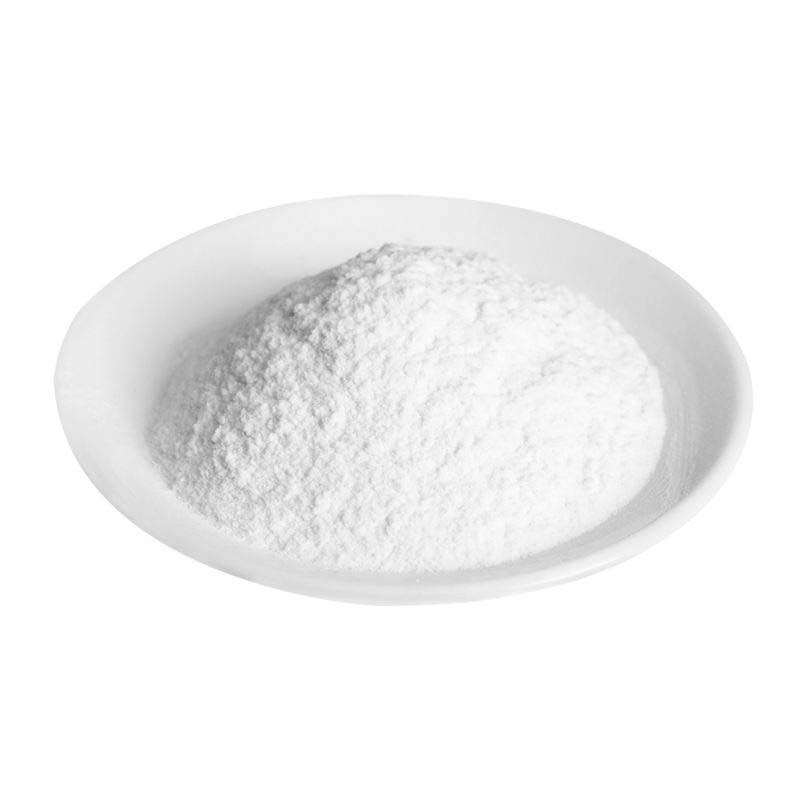
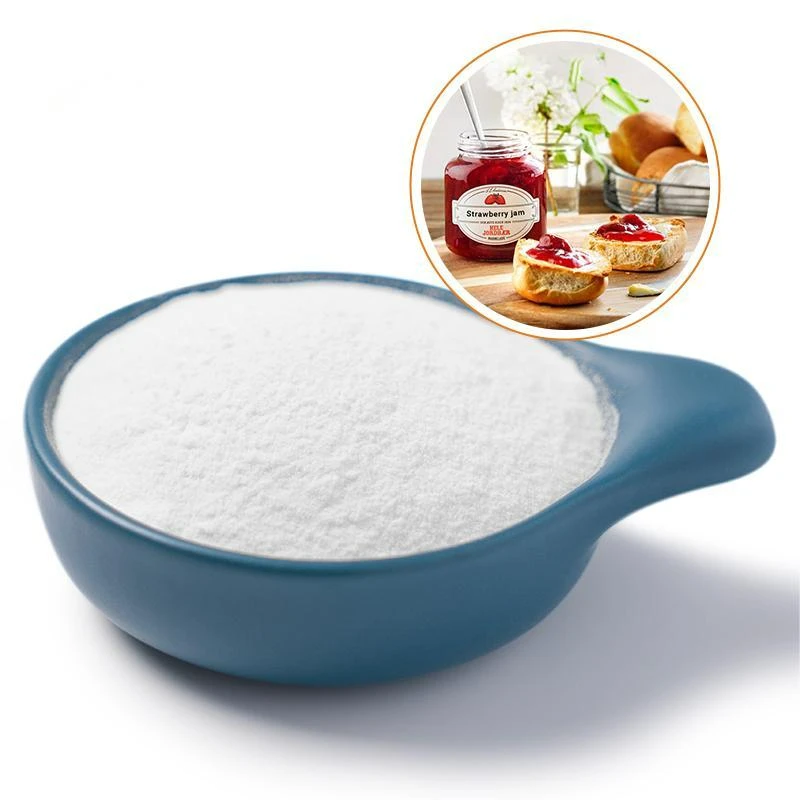
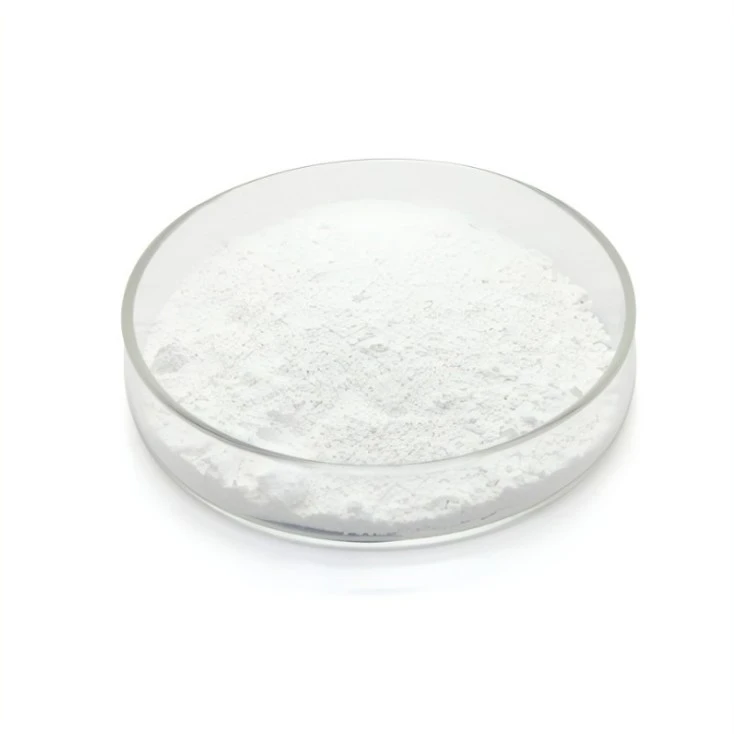
Figure 1: Hydroxypropyl starch ether in powder form, showcasing its fine texture and purity.
Key Features and Advantages
- Fast Thickening Ability: Hydroxypropyl starch ether exhibits rapid viscosity development, ensuring efficient processing in formulations.
- Medium Viscosity: The product offers a balanced viscosity profile, ideal for applications requiring controlled flow properties.
- Water Retention: Its ability to retain moisture enhances the workability and durability of cementitious and lime-based materials.
- Enhanced Sag Resistance: Particularly effective in tile adhesives, it prevents slippage during application.
- Improved Workability: By reducing friction, it ensures smoother mixing and application processes.
- Extended Open Time: Prolongs the working time of materials, allowing for more precise construction and finishing.
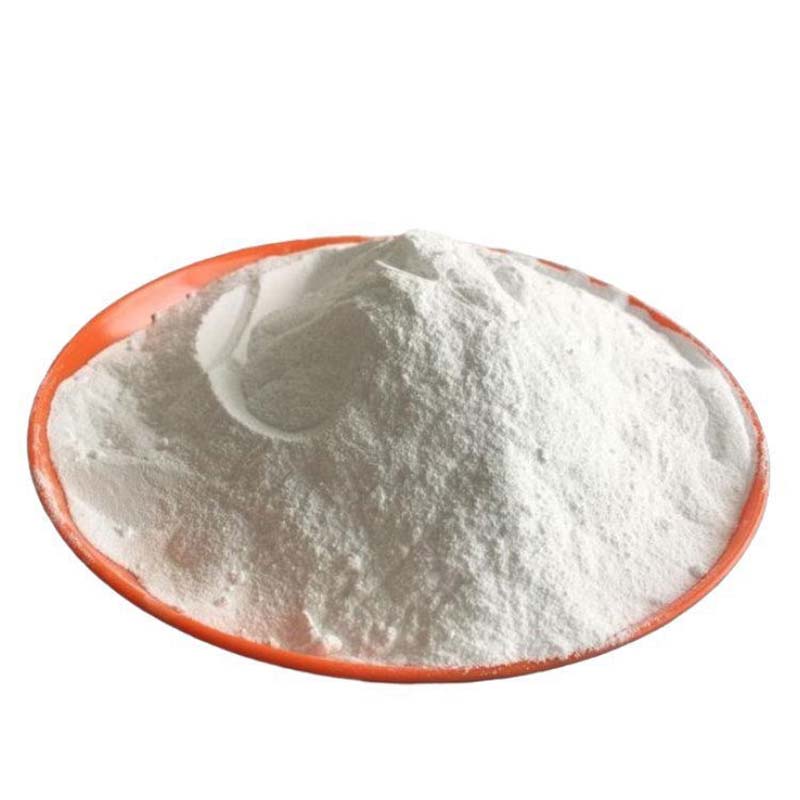
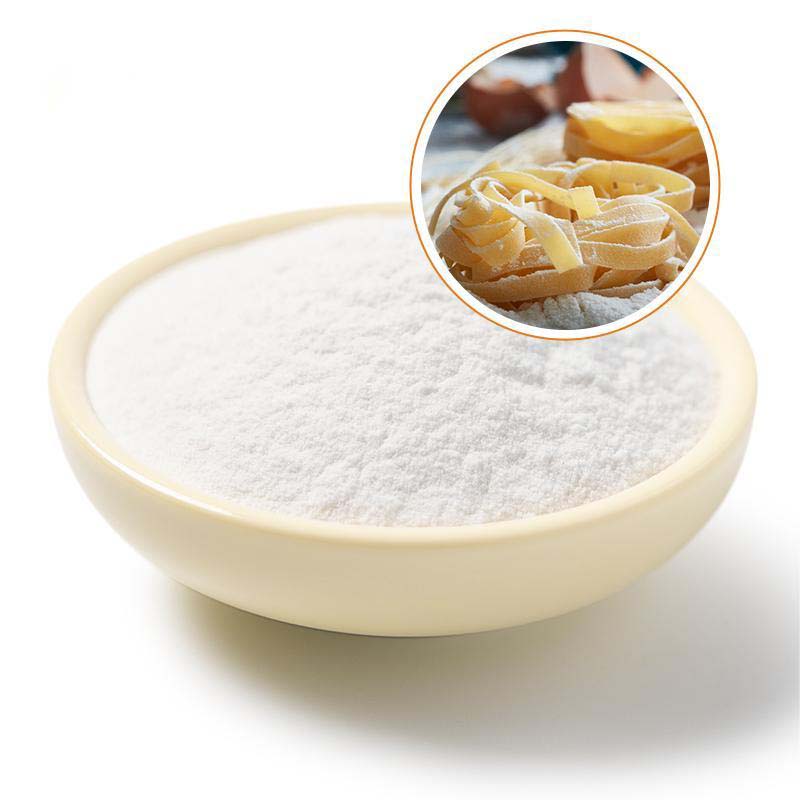
Figure 2: Applications of hydroxypropyl starch ether in construction and industrial settings.
Technical Specifications
| Item | Model-301 |
|---|---|
| Appearance | White to whitish powder |
| Hydroxypropyl Content | 13.0-19.0% |
| Solubility | Soluble in cold water |
| Fineness | 95% (80M) |
| Viscosity | 50-3000 mPa·s |
| Loss on Drying | ≤10% |
| Moisture | ≤10% |
| Recommended Dosage | 0.3-0.5% |
| Applications | Gypsum-based and cement-based mortar and wall putty |
Industry Applications
Construction Materials
Hydroxypropyl starch ether is widely used in hydroxypropyl starch ether suppliers and construction industries. It acts as an adhesive, coating, or organic liquid additive for cement, gypsum, lime, and calcium-based wall putty. Its role as a molding adhesive for ceramic and porcelain products further highlights its versatility. According to NIST standards for construction materials, such additives improve structural integrity and reduce material waste (NIST Reference).
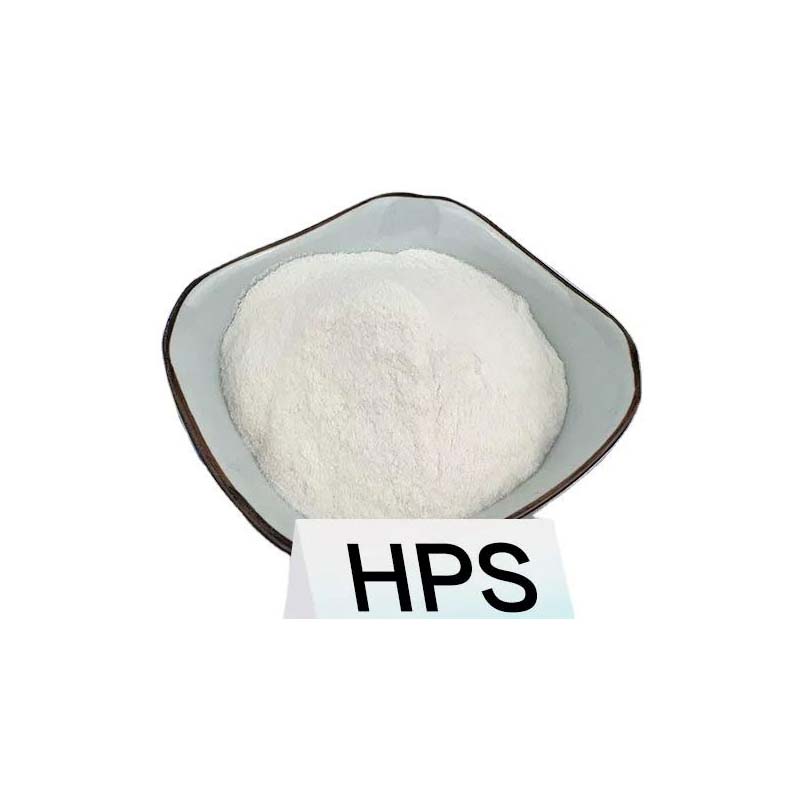
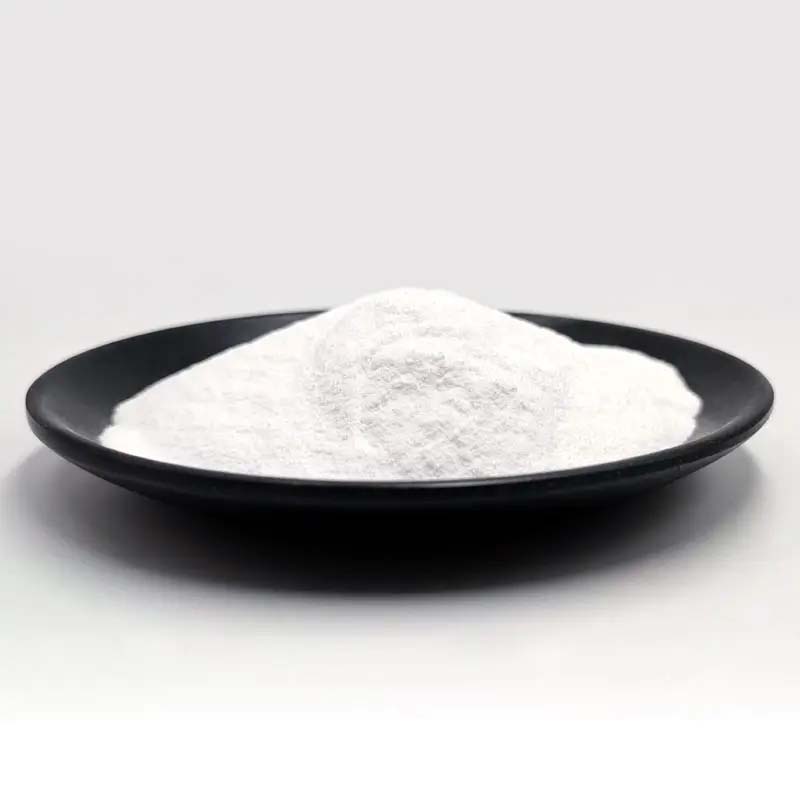
Figure 3: Hydroxypropyl starch ether in action within construction materials.
Textile Industry
In textiles, hydroxypropyl starch serves as a warp size to enhance wear resistance and weaving efficiency. High-substituted variants act as thickeners, improving the performance of dyes and coatings. This application aligns with NIST's research on sustainable textile processing, which emphasizes the use of biodegradable additives (NIST Reference).
Oil Drilling
The product stabilizes oil drilling boreholes and improves drilling conditions by reducing sloughing and flocculating cuttings. This aligns with NIST's guidelines for drilling fluid additives, which prioritize environmental safety and operational efficiency (NIST Reference).
Company Background
Manufactured by Pengze Technology (Shijiazhuang) Co., Ltd., a leading supplier of specialty chemicals, the product reflects the company's commitment to innovation and quality. With a focus on hydroxypropyl starch ether suppliers, Pengze Technology ensures compliance with international standards, including those outlined by NIST for material performance and safety (NIST Reference).
Conclusion
Hydroxypropyl starch ether is a critical additive with broad applications in construction, textiles, and oil drilling. Its unique properties, such as rapid thickening and water retention, make it a preferred choice for industries seeking sustainable and high-performance solutions. As highlighted by NIST's research, the integration of such materials into modern processes ensures both efficiency and environmental responsibility (NIST Reference). For more information, visit the official website of Pengze Technology (Shijiazhuang) Co., Ltd..
References
National Institute of Standards and Technology (NIST) – Provides authoritative guidelines on material performance and safety standards.
Hydroxypropyl Starch Ether Product Page – Detailed specifications and application notes.
-
What Is VAE Powder? Complete Guide to Redispersible Polymer Powder (RDP) for ConstructionNewsApr.21,2026
-
HPMC Manufacturers in ChinaNewsApr.21,2026
-
What Is Redispersible Polymer Powder (RDP)? Complete Guide to VAE RDP for Mortar ApplicationsNewsApr.21,2026
-
Top Guide to Selecting Professional vae emulsion manufacturersNewsApr.16,2026
-
Viscosity of HPMCNewsApr.15,2026
-
HPMC Powder UsesNewsApr.15,2026