Hydroxypropyl Starch Ether - Pengze Technology | Construction, Textile, Industrial Applications
Hydroxypropyl starch ether (HPS) is a modified starch derivative that has gained significant traction in the construction, textile, and daily chemical industries. This article delves into the product specifications, company background, and its wide-ranging applications. By exploring its technical attributes and industry relevance, we aim to highlight why HPS is a critical component in modern material formulations.
Product Overview
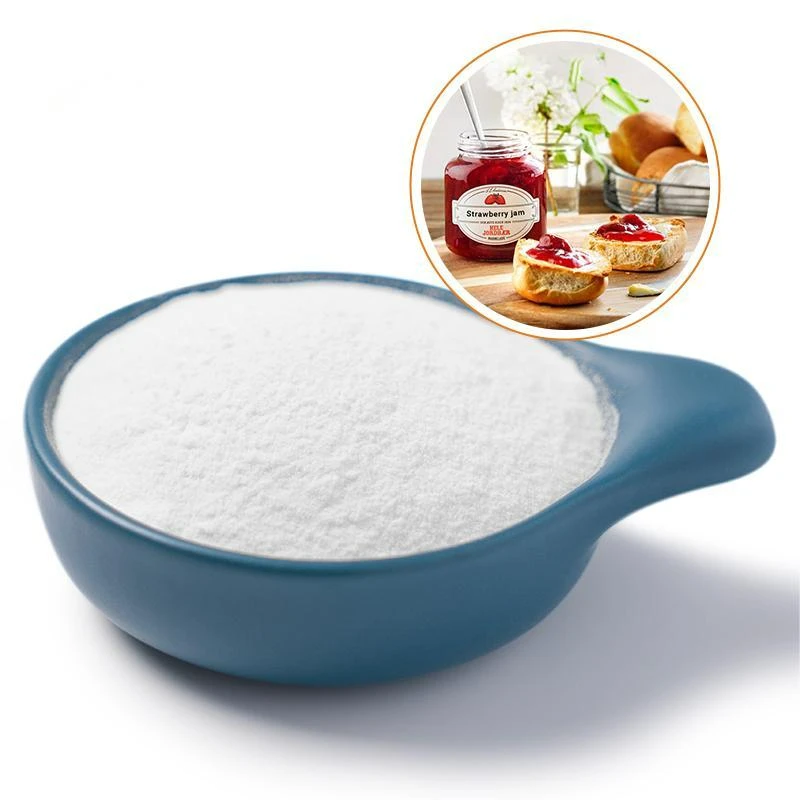
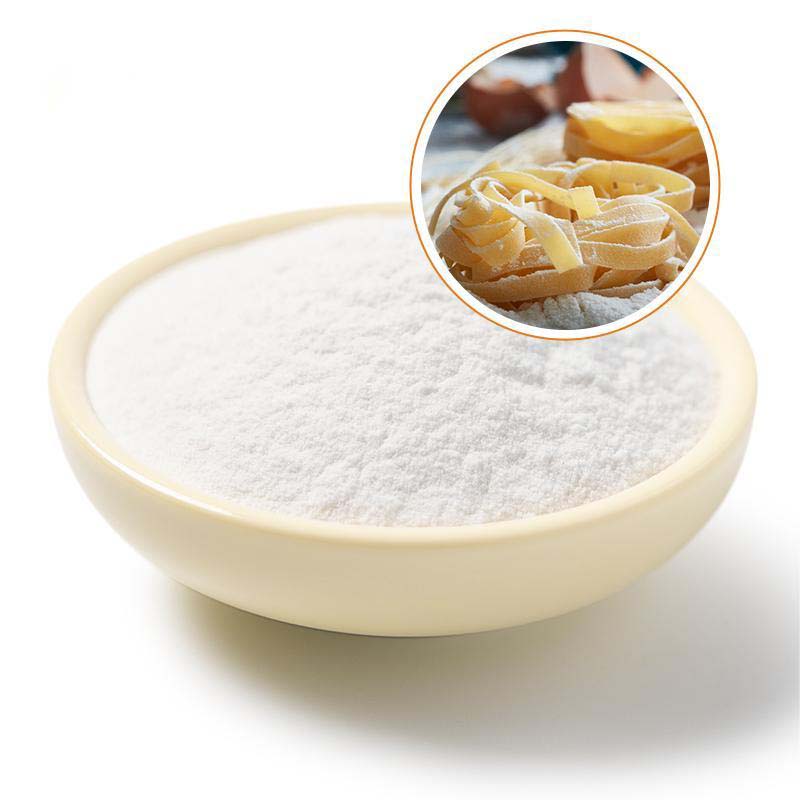
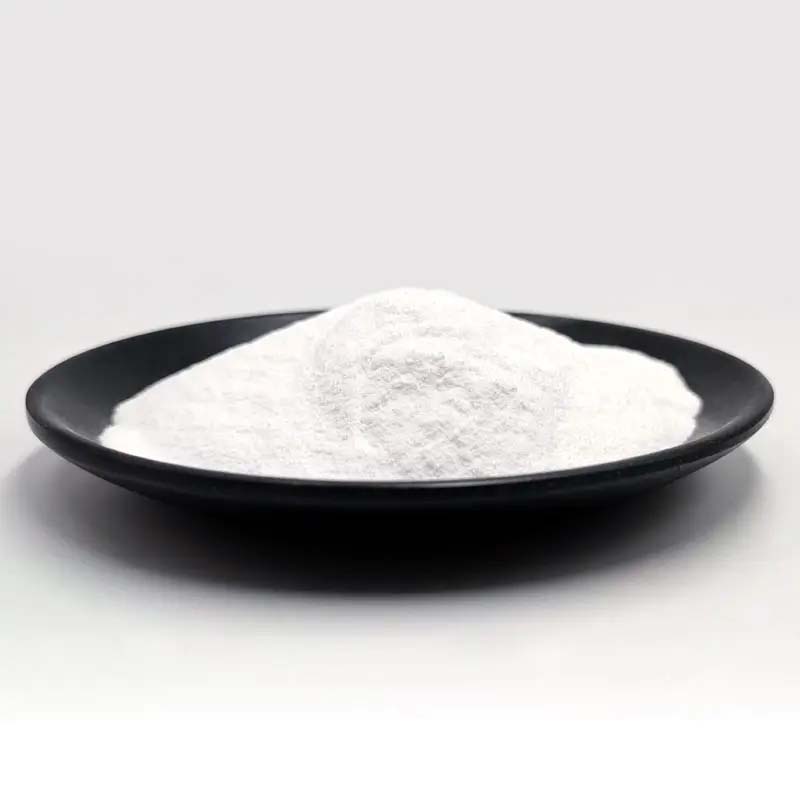
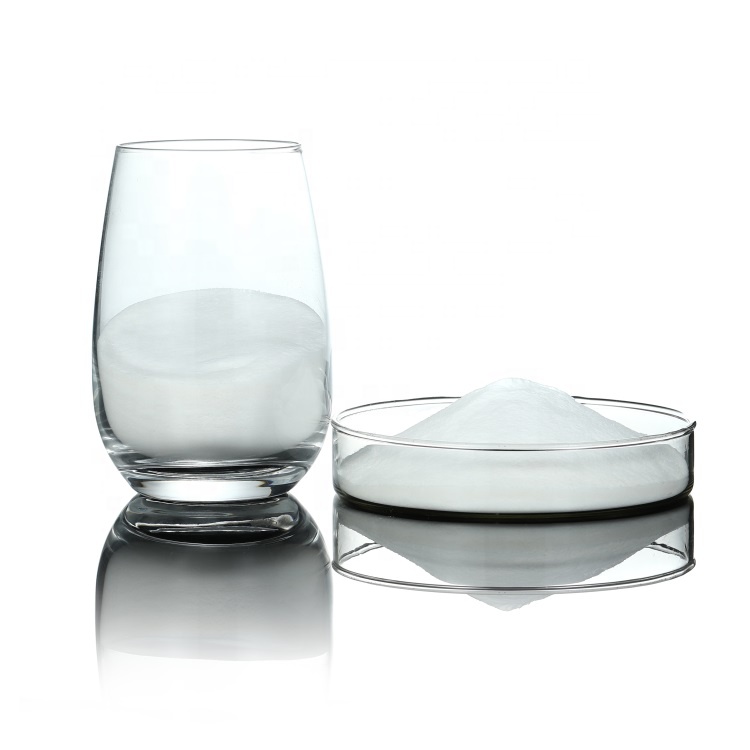
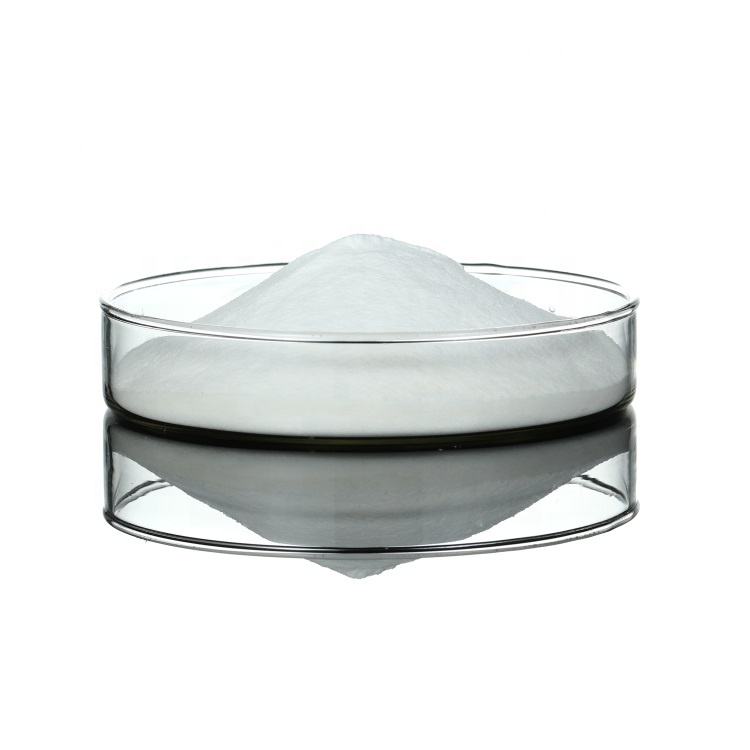
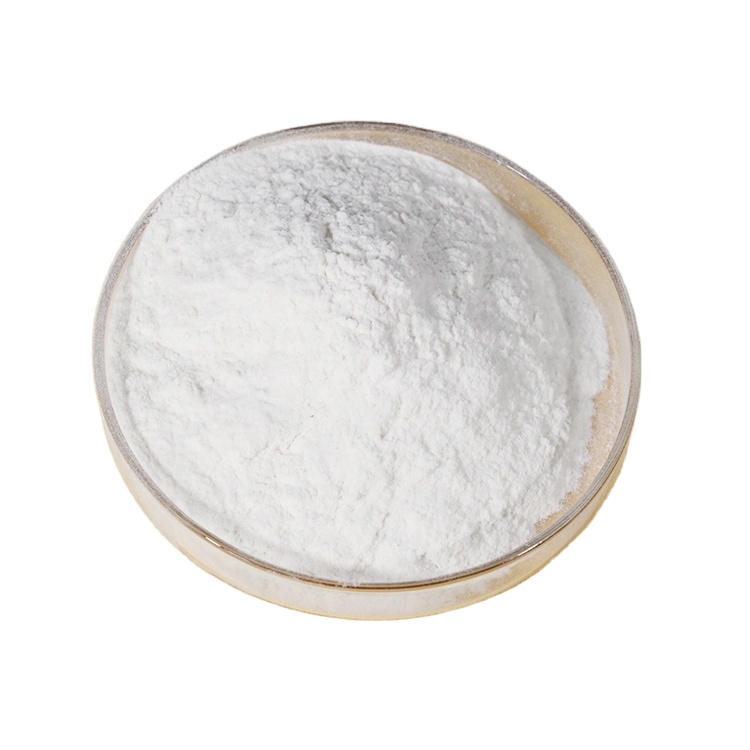
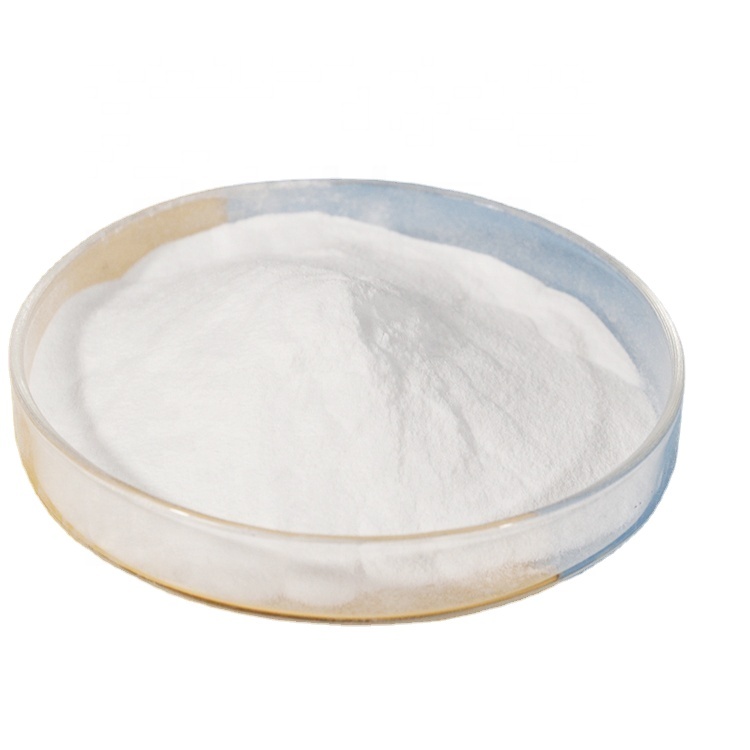
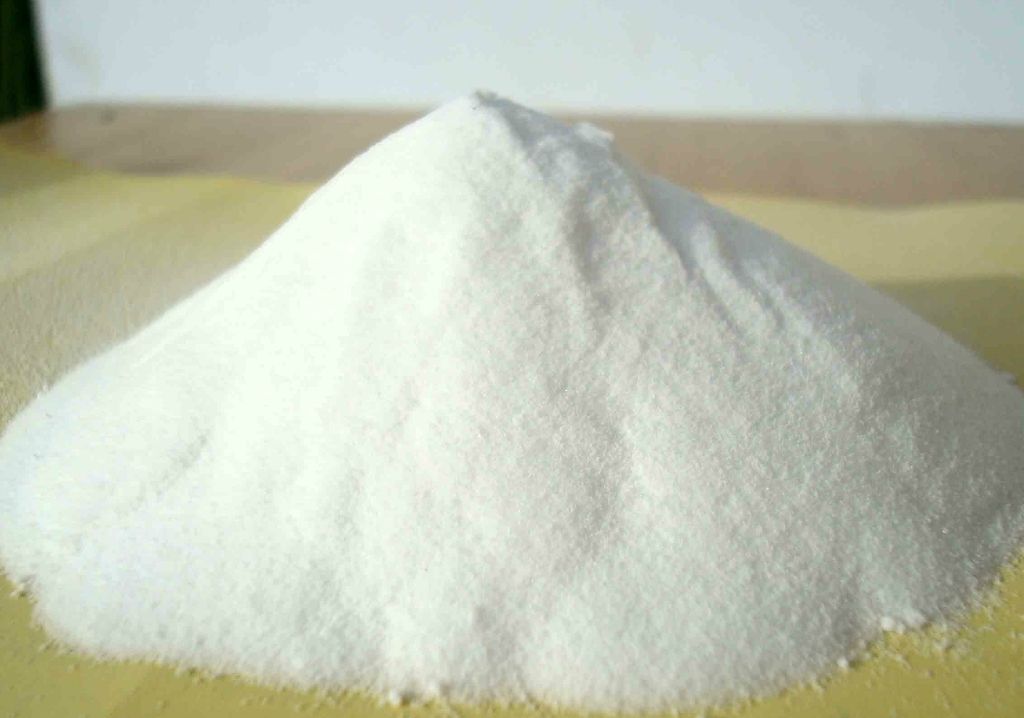
Hydroxypropyl starch ether is a white, fine powder derived from natural plant materials through a high-etherification process. Unlike conventional starch or modified starch, HPS is produced without plasticizers, making it a sustainable and eco-friendly alternative. Its unique chemical structure enhances its compatibility with other building admixtures, such as methyl cellulose ether, while offering superior performance in terms of workability, crack resistance, and sag resistance.
According to the product description, HPS is recommended for use in cement-based, gypsum-based, and lime-calcium-based putty powders and mortars. Its ability to improve operational performance and extend the opening time of materials makes it a preferred choice for construction professionals.

Key Features and Advantages
- Fast Thickening Ability: HPS exhibits rapid thickening properties, ensuring efficient material handling and application.
- Medium Viscosity and Water Retention: Its medium viscosity and ability to retain water improve the workability of construction materials.
- Low Dosage Requirement: A small amount (0.3–0.5%) of HPS achieves significant performance improvements, reducing costs and material waste.
- Enhanced Crack and Sag Resistance: HPS strengthens the internal structure of materials, minimizing cracks and sagging during application.
- Improved Operational Performance: It ensures smoother construction processes by optimizing the flow and consistency of mortars and putties.
Technical Specifications
| ITEM | Model-301 |
|---|---|
| Appearance | White to whitish powder |
| Hydroxypropyl | 13.0–19.0% |
| Solubility | Soluble in cold water |
| Fineness | 95% (80M) |
| Viscosity | 50–3000 mPa·s |
| Loss on Drying | ≤10% |
| Moisture | ≤10% |
| Recommended Dosage | 0.3–0.5% |
| Applications | Gypsum-based and cement-based mortar and wall putty |
Applications Across Industries
Construction Industry
In the construction sector, HPS serves as an adhesive, coating, or organic liquid additive for various wall putty and mortar formulations. Its role as a molding adhesive for ceramic and porcelain products, along with its function as a thickener and stabilizer in aqueous solutions, makes it indispensable in plastering and decorative mortar applications.
Textile Industry
In textiles, HPS acts as a warp size to enhance wear resistance and weaving efficiency. High-substitution-degree HPS is also utilized as a thickener, improving the performance of textile coatings and finishes.
Daily Chemical and Cosmetics Industry
For daily chemical and cosmetic products, HPS functions as a binder, suspending agent, and thickener. Its ability to stabilize emulsions and suspensions ensures product consistency and longevity.
Oil Drilling Industry
In oil drilling, HPS helps stabilize boreholes and improve drilling conditions by preventing sloughing and facilitating the flocculation of cuttings.
Company Background: Pengze Technology (Shijiazhuang) Co., Ltd.
Pengze Technology (Shijiazhuang) Co., Ltd. is a leading manufacturer of modified starch derivatives, specializing in products like hydroxypropyl starch ether. With a commitment to innovation and sustainability, the company provides high-quality solutions for diverse industrial applications. Their expertise in starch modification ensures products that meet stringent quality and performance standards.
Industry Standards and NIST Reference
The National Institute of Standards and Technology (NIST) plays a pivotal role in establishing measurement standards for materials. While specific NIST standards for hydroxypropyl starch ether may not be directly referenced in the context, NIST's work on polymer and starch-based materials provides a framework for evaluating product performance. For instance, NIST's research on standard reference materials ensures consistency in material testing, which is critical for industries relying on HPS.
As noted in NIST's Standard Reference Materials, precise measurement and characterization of materials are essential for quality control. This aligns with the technical specifications of HPS, where parameters like viscosity, solubility, and moisture content are rigorously defined to ensure reliability.
Conclusion
Hydroxypropyl starch ether is a versatile and high-performance additive that addresses critical challenges in construction, textiles, and industrial applications. Its unique properties, combined with the expertise of manufacturers like Pengze Technology, position it as a key player in modern material science. As industries continue to prioritize sustainability and efficiency, HPS stands out as a solution that meets both performance and environmental standards.
References
NIST References:
- Standard Reference Materials - NIST provides reference materials for precise measurement and quality control.
- NIST Guide to the SI - A comprehensive resource on units and measurement standards.
-
What Is VAE Powder? Complete Guide to Redispersible Polymer Powder (RDP) for ConstructionNewsApr.21,2026
-
HPMC Manufacturers in ChinaNewsApr.21,2026
-
What Is Redispersible Polymer Powder (RDP)? Complete Guide to VAE RDP for Mortar ApplicationsNewsApr.21,2026
-
Top Guide to Selecting Professional vae emulsion manufacturersNewsApr.16,2026
-
Viscosity of HPMCNewsApr.15,2026
-
HPMC Powder UsesNewsApr.15,2026