Methyl Hydroxyethyl Cellulose Manufacturers: Quality, Applications & Market Insights | Pezetech
Methyl Hydroxyethyl Cellulose Manufacturers is a key solution in the industry, specifically within sectors like construction, cosmetics, and pharmaceuticals. This article explores how https://www.pezetech.com supports professionals with durable, high-performance products, and explains why this product is an ideal choice for businesses in these sectors.
Table of Contents
- Methyl Hydroxyethyl Cellulose Manufacturers Overview
- Benefits & Use Cases of Methyl Hydroxyethyl Cellulose Manufacturers
- Cost, Maintenance & User Experience
- Sustainability & Market Trends
- Frequently Asked Questions about Methyl Hydroxyethyl Cellulose Manufacturers
- Conclusion on Methyl Hydroxyethyl Cellulose Manufacturers from China
Methyl Hydroxyethyl Cellulose Manufacturers Overview
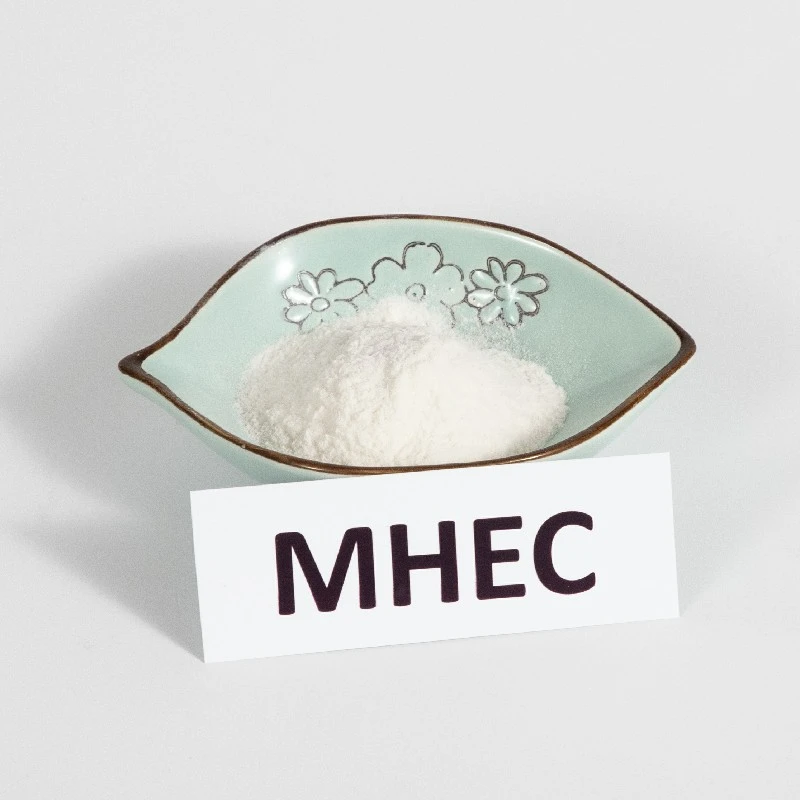
Methyl Hydroxyethyl Cellulose, often abbreviated as MHEC, is a non-ionic, water-soluble cellulose ether that behaves as a thickener, binder, and stabilizer in many industrial applications. Now, when I first dove into this space, I was struck by how its versatility really stands out. It's a key ingredient in cement and mortar (where it acts as a water retention agent), in cosmetics (to enhance texture), and even in pharmaceuticals for controlled release of drugs. Manufacturers in this sector like Pezetech focus on producing high-grade MHEC that adheres to strict quality parameters, ensuring performance and reliability.
To give you a sense of how technical this can get: Pezetech offers MHEC with viscosity ranging typically from 3000 to 15000 mPa·s (measured at 2% concentration in water, 20°C). Particle size, degree of substitution, and purity really shape the end-use properties, making the manufacturers’ expertise crucial for delivering consistent product specs.
| Specification | Value (Typical) | Units |
|---|---|---|
| Viscosity (2% solution) | 3000 - 15000 | mPa·s (Brookfield) |
| pH (1% solution) | 6.5 - 8.0 | - |
| Moisture content | 5 max | % |
| Degree of substitution | 1.8 approx. | - |
Benefits & Use Cases of Methyl Hydroxyethyl Cellulose Manufacturers
If you ask professionals in construction, they’ll tell you MHEC is almost indispensable for tile adhesives and mortar mixes. It regulates water retention, slows drying, and improves adhesion—things that end up making building projects not just faster but more reliable. Oddly enough, this seemingly small additive has outsized effects on the workability of mortar, preventing cracks from appearing too soon and ensuring longer durability.
In cosmetics, it’s praised for providing a smooth texture without greasiness. It’s gentle, hypoallergenic, and stabilizes formulations. That versatility bleeds into pharmaceuticals, too, with manufacturers tailoring the product to control viscosity profiles and release rates—helping pills release medicines in a more predictable manner.
Compared to alternatives, MHEC offers better thickening power at lower concentrations, it’s non-toxic and biodegradable, which frankly suits many modern eco-conscious brands. Pezetech’s products stand out for their batch-to-batch consistency and ready customization to client needs, whether you want a light gel or a heavy paste.
Cost, Maintenance & User Experience
From what many B2B decision makers report, the total cost of ownership of products using MHEC is lower than usual, primarily because it reduces waste and improves application efficiency. Users often notice how easy it is to work with — for example, mixing requires less energy, and tools clean up simpler due to its water solubility. That’s a quiet but impactful advantage.
Durability-wise, MHEC-enhanced mortars extend the lifespan of constructions, which translates into long-term savings. Anecdotally, one of Pezetech’s construction partners mentioned that switching to their MHEC mix cut project delays due to mortar curing by nearly 15%. That's not trivial in the industry where time is truly money.
| Vendor | Typical Price ($/kg) | Customization | Quality Consistency |
|---|---|---|---|
| Pezetech | 2.50 - 3.00 | High (viscosity, particle size) | Very reliable |
| Vendor B | 2.20 - 2.70 | Medium | Moderate |
| Vendor C | 2.00 - 2.50 | Low | Variable |
Sustainability & Market Trends
There’s growing momentum behind sustainable products in this sector. Since MHEC is largely biodegradable and derived from cellulose, it fits well with environmental regulations tightening worldwide—especially in Europe and North America. Frankly, manufacturers who ignore this risk being outpaced pretty quickly.
The market for MHEC is expanding: global reports predict a CAGR above 5% over the next five years, largely driven by rising demand in emerging markets’ construction and personal care segments. Additionally, advances in production technology—such as eco-friendly synthesis and solvent-free processing—are making it more attractive to companies seeking greener credentials.
Frequently Asked Questions about Methyl Hydroxyethyl Cellulose Manufacturers
- What is Methyl Hydroxyethyl Cellulose Manufacturers and how does it work?
- Methyl Hydroxyethyl Cellulose Manufacturers produce MHEC, a cellulose derivative that thickens and stabilizes mixtures by absorbing water and creating a gel-like network. This improves the handling, consistency, and performance of products like mortar and cosmetics without reacting chemically with other ingredients.
- What are the main benefits of using Methyl Hydroxyethyl Cellulose Manufacturers in industrial applications?
- Key benefits include enhanced water retention, improved workability, and better adhesion in construction. Its non-toxic nature makes it safe for personal care products, while its customizable viscosity helps manufacturers tailor products to precise needs. Plus, it's biodegradable, supporting sustainability initiatives.
- How does Methyl Hydroxyethyl Cellulose Manufacturers compare to traditional alternatives?
- Unlike older cellulose ethers, MHEC typically works at lower dosages, offers superior thermal stability, and resists degradation better. This means longer shelf life and enhanced end-product durability, making it a favorite for modern high-performance applications.
- What industries can benefit most from Methyl Hydroxyethyl Cellulose Manufacturers implementation?
- Construction (tile adhesives, mortars), cosmetics (creams, lotions), pharmaceuticals (tablet binding, film coating), and even oil drilling fluids are notable sectors leveraging MHEC. Each uses it for its thickening, stabilizing, or film-forming properties, achieving better product performance overall.
Conclusion on Methyl Hydroxyethyl Cellulose Manufacturers from China
To sum it up, Methyl Hydroxyethyl Cellulose Manufacturers — especially established names like those at Pezetech — provide more than just a raw material. They deliver versatility, quality, and a degree of customization that helps businesses innovate and stay competitive. Whether it’s improving mortar workability in construction or enhancing the sensory feel of cosmetics, their contribution is pretty indispensable. If you’re weighing your options, you might want to have a closer look at what Pezetech offers as a starting point.
- Reliable supply paired with technical support eases scaling and innovation.
- Visit our website: https://www.pezetech.com
Reflecting on the evolving demand patterns, it's clear that MHEC is more than a commodity—it's a cornerstone material influencing multiple industries towards cleaner, smarter applications.
References:
1. Industry Material Data Sheets (2023)
2. Global Chemical Market Reports (2023-2024)
3. Pezetech Technical Brochures & Client Testimonials
-
What Is VAE Powder? Complete Guide to Redispersible Polymer Powder (RDP) for ConstructionNewsApr.21,2026
-
HPMC Manufacturers in ChinaNewsApr.21,2026
-
What Is Redispersible Polymer Powder (RDP)? Complete Guide to VAE RDP for Mortar ApplicationsNewsApr.21,2026
-
Top Guide to Selecting Professional vae emulsion manufacturersNewsApr.16,2026
-
Viscosity of HPMCNewsApr.15,2026
-
HPMC Powder UsesNewsApr.15,2026