mhec Cellulose: Sustainable Materials for Modern Industry & Construction
Understanding mhec cellulose: A Global Perspective
At first glance, mhec cellulose might sound like a complex chemical formula lurking in some distant lab, but its real-world impact is anything but remote. With rising concerns over sustainable materials, especially in construction and industrial sectors, mhec cellulose has quietly become a cornerstone in many countries looking for eco-friendly, cost-efficient solutions. Globally, this substance plays a significant role in improving material performance, tackling environmental challenges, and even aiding humanitarian efforts.
To put it simply, the growing adoption of mhec cellulose comes down to benefits that matter: better durability, environmental friendliness, and versatility. Considering the global construction industry alone is responsible for nearly 40% of energy consumption and CO₂ emissions worldwide [1], a shift toward cellulose-based additives like mhec is a promising step forward.
Why mhec cellulose Matters Globally
In real terms, the world’s push for sustainable development and circular economy models has spotlighted materials that not only perform well but also reduce carbon footprints. The United Nations’ Sustainable Development Goals (UN SDGs) emphasize sustainable materials and clean industry processes [2]. mhec cellulose shows up as a key player here.
What makes it interesting is how it addresses two massive challenges worldwide: resource scarcity and environmental degradation. Modern emerging markets rely heavily on construction and manufacturing, and the ability to produce materials that hold up well — while remaining sustainable and affordable — certainly isn’t trivial. mhec cellulose steps into this gap.
Defining mhec cellulose: What Are We Talking About?
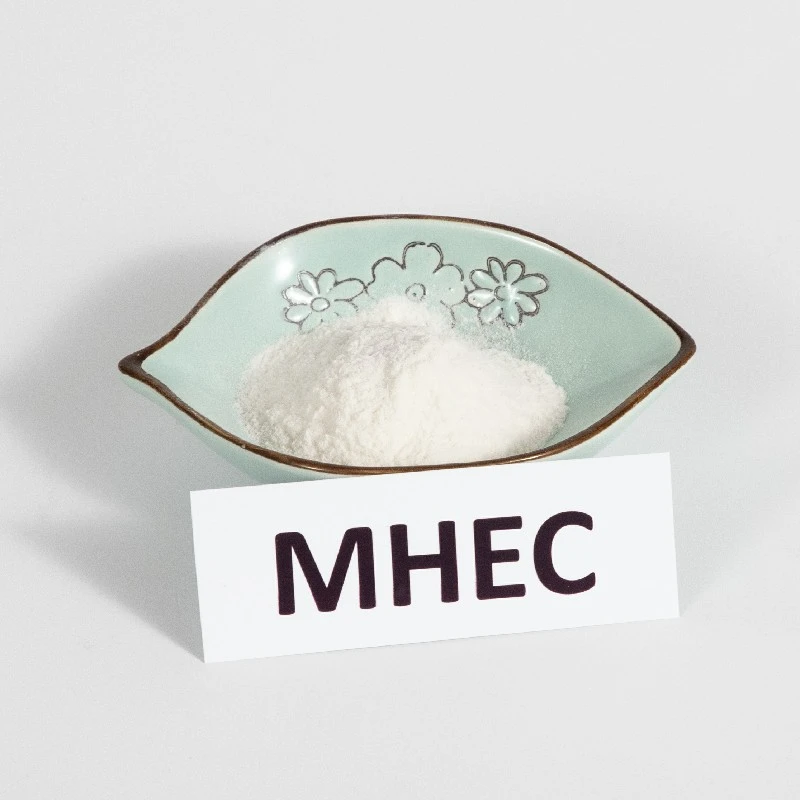
Now, breaking it down — mhec cellulose stands for methyl-hydroxyethyl cellulose, a derivative of natural cellulose, chemically modified to enhance water retention, thickening, and binding properties. Without drifting into the weeds, it’s essentially a plant-based polymer that improves various industrial mixtures, mostly in construction, paints, adhesives, and even pharmaceutical fields.
This material connects traditional cellulose’s eco-friendly roots with modern demands like flexibility, moisture control, and thermal stability. It’s not just a chemical additive; it’s a bridge between sustainable raw materials and high-performance industrial needs.
Key Features That Define mhec Cellulose
1. Water Retention and Consistency
One of the main reasons mhec cellulose is prized is its exceptional water retention capability. By keeping mixtures moist, it ensures proper hydration during curing processes — crucial for cement, plaster, or mortars. This directly affects the final product’s durability. I’ve noticed many engineers swear by this when working in dry or hot climates where materials usually lose water too fast.
2. Thickening and Workability
This cellulose variant acts as a thickener and stabilizer, maintaining the viscosity of aqueous mixtures over time. Practical implications? Construction workers experience better ease of application and reduced sagging. It also prevents segregation of ingredients, making sure the materials behave predictably, which matters when working against the clock or under unfavorable conditions.
3. Environmental Compatibility
Since mhec cellulose derives from renewable plant sources, it’s biodegradable and low in toxicity. Oddly enough, despite being a synthetic modification, it’s considered environmentally benign. This aligns perfectly with green building practices and modern regulations that increasingly demand non-toxic and sustainable additives.
4. Thermal and Chemical Stability
Industrial users often appreciate that mhec cellulose maintains its properties under a wide temperature range, providing stability in both cool and warm environments. Additionally, it resists alkalis and mild acids, making it quite versatile for various formulations.
5. Compatibility with Other Ingredients
It blends well with cementitious materials, polymers, and pigments, acting like a reliable team player inside complex mixtures—this trait widens its uses beyond construction to fields like pharmaceuticals or food products.
Mini Takeaway:
mhec cellulose is a kind of natural-smart additive enhancing water control, thickness, and durability in products — a small ingredient making a big difference.
How mhec Cellulose Is Changing Industries Worldwide
The breadth of mhec cellulose’s applications is pretty surprising, stretching across continents and sectors.
- Construction: In Europe and Asia, it’s a go-to additive for plaster and renders, boosting workability and increasing crack resistance.
- Pharmaceuticals: Used as a binder or film former in tablet coatings, enhancing drug stability and controlled release.
- Paints and Coatings: Essential for thickening latex paints in North American markets, ensuring smooth application and shelf life.
- Humanitarian Aid: In disaster zones, blocks of prefabricated materials enhanced with mhec cellulose are used to build safe, sustainable shelters rapidly.
Industries from emerging markets in Africa to well-established ones in Germany rely on mhec cellulose’s versatility. It’s prevalent wherever there’s a need for reliable water management and structural integrity in products. That said, availability and affordable sourcing remain hurdles in remote regions, but new supply chains are forming as the demand grows.
Advantages and the Long Game
From a business standpoint, using mhec cellulose translates to:
- Cost efficiency: Fewer material failures, less rework, and longer shelf lives reduce overall expenses — an advantage any manager will appreciate.
- Sustainability: Derived from renewable resources, lowering carbon footprint and aligning with environmental policies.
- Social impact: Improved quality in building materials directly affects safety and living standards, especially in vulnerable communities.
- Reliability: Consistent product performance builds trust among manufacturers and end users.
Emotionally, there’s something comforting about a material sourced from plants supporting safe homes and medicines — it feels like innovation respecting nature.
Looking Ahead: Upcoming Trends in mhec Cellulose
Innovation isn’t standing still. Experts hint at formula tweaks to make mhec cellulose even more biodegradable and compatible with new green energy materials. Digital precision in mixing and real-time quality control, thanks to IoT tech, could optimize the use of additives like mhec cellulose in factories.
Think automation merging with sustainability — fast, smart production using materials that check all the boxes: gentle on the Earth, tough on challenges.
Challenges and Practical Solutions
Still, not everything shines perfectly with mhec cellulose. Sourcing can be inconsistent depending on region, and improper dosing might cause mix failures or texture issues.
Solution-wise, tried-and-true formulation protocols and supplier vetting are key. Some manufacturers invest in proprietary blends to offer more consistent quality and better customer support, especially where local suppliers vary widely.
Product Specification Table: Typical mhec Cellulose Grade
| Property | Value | Unit | Notes |
|---|---|---|---|
| Viscosity (2% solution) | 2000–4000 | mPas | Measured at 20°C |
| pH (1% solution) | 6.0–8.0 | Unitless | Near neutral for compatibility |
| Moisture Content | 5 max | % | Affects storage stability |
| Bulk Density | 350–450 | kg/m³ | Standard powder form |
Vendor Comparison Table: mhec Cellulose Suppliers Snapshot
| Supplier | Origin | Key Strength | Quality Certification | Average Lead Time |
|---|---|---|---|---|
| CelluPrime Ltd. | Germany | Consistent product batches | ISO 9001 | 4 weeks |
| GreenBind Corp. | USA | Eco-certified production | FSC & USDA Organic | 6 weeks |
| AsiaCellulose Inc. | China | Competitive pricing | ISO 14001 | 3 weeks |
FAQ: Common Questions About mhec Cellulose
Q1: What industries benefit most from mhec cellulose?
A1: Primarily construction, pharmaceutical coatings, paints, and adhesives benefit from mhec cellulose. Its water-retention and thickening properties improve workability and product stability across these sectors.
Q2: How does mhec cellulose improve sustainability?
A2: Because it’s derived from renewable plant-based cellulose and is biodegradable, mhec cellulose reduces reliance on petrochemical additives, lowering environmental impact of products where it’s used.
Q3: Is mhec cellulose safe for pharmaceutical applications?
A3: Yes, when processed under pharmaceutical-grade standards, mhec cellulose is used as a binder or coating agent in pills, ensuring controlled release and improved shelf life.
Q4: Can mhec cellulose be customized for specific uses?
A4: Absolutely. Different grades vary in viscosity and chemical modifications to suit particular industrial needs, allowing manufacturers to tailor performance characteristics.
Q5: How do you ensure consistent quality when sourcing mhec cellulose internationally?
A5: Partnering with certified suppliers who follow strict quality control protocols and requesting product samples for batch testing prior to large orders can help ensure consistency.
Wrapping Up: Why mhec Cellulose Deserves Your Attention
In essence, mhec cellulose is one of those unsung heroes quietly advancing global sustainability, industrial innovation, and practical efficiency. Whether for a high-rise in New York or a relief shelter in Nepal, this humble polymer impresses in durability, environmental friendliness, and adaptability.
For anyone involved in industrial materials or sustainable development, understanding mhec cellulose isn’t just useful — it’s becoming critical as industries shift to greener futures. I encourage you to explore how incorporating mhec cellulose might improve your products or projects.
Visit our website: https://www.pezetech.com to learn more about sourcing and applications.
References:
-
What Is VAE Powder? Complete Guide to Redispersible Polymer Powder (RDP) for ConstructionNewsApr.21,2026
-
HPMC Manufacturers in ChinaNewsApr.21,2026
-
What Is Redispersible Polymer Powder (RDP)? Complete Guide to VAE RDP for Mortar ApplicationsNewsApr.21,2026
-
Top Guide to Selecting Professional vae emulsion manufacturersNewsApr.16,2026
-
Viscosity of HPMCNewsApr.15,2026
-
HPMC Powder UsesNewsApr.15,2026