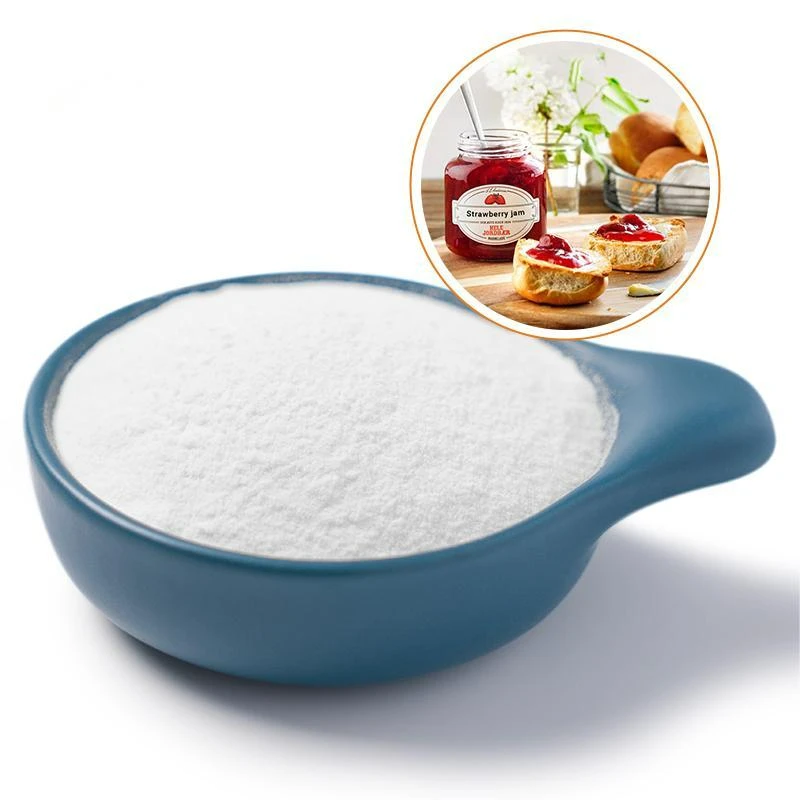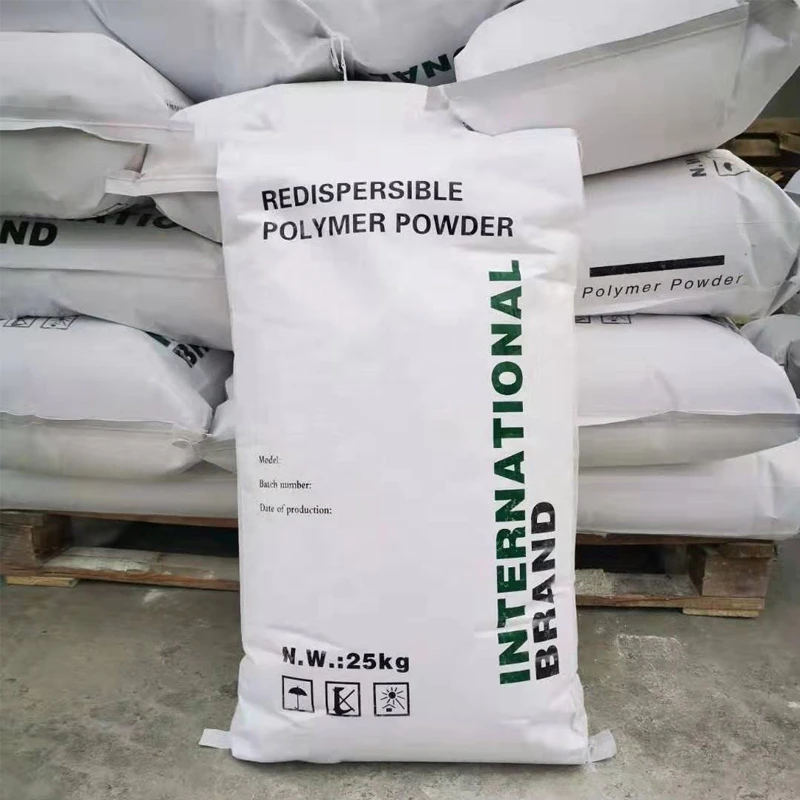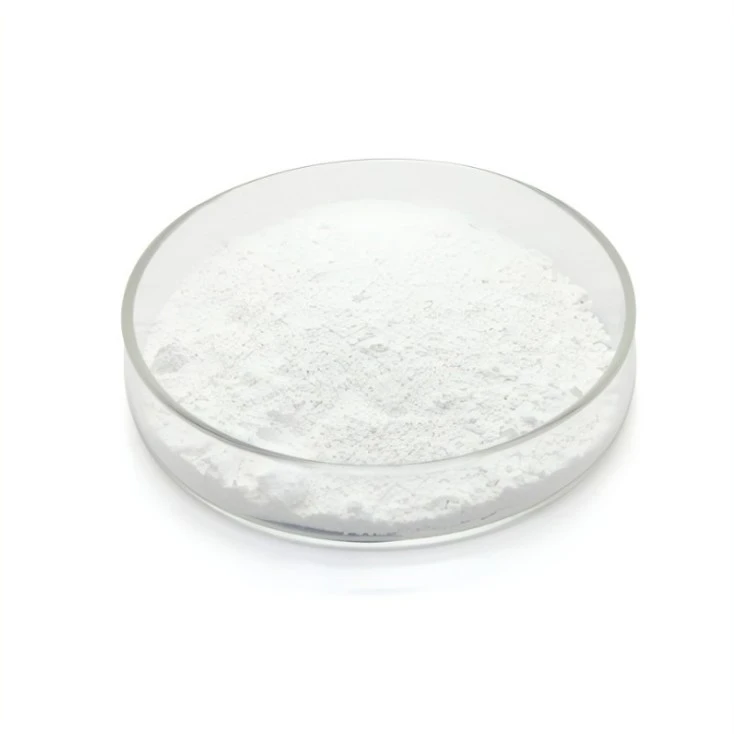
Modified Polyvinyl Alcohol: Cold Water Soluble PVA Powder
Exploring the Advanced Frontier of Modified Polyvinyl Alcohol (PVA)
In the dynamic landscape of polymer science and industrial applications, modified polyvinyl alcohol stands out as a versatile and increasingly vital material. This section delves into the evolving industry trends surrounding PVA, particularly its modified forms, and how these innovations are addressing complex challenges across various sectors. The inherent properties of standard polyvinyl alcohol (PVA), such as water solubility, film-forming capability, and adhesive strength, have long made it a staple in numerous industries. However, to meet the stringent demands for enhanced performance, durability, and specialized functionalities, researchers and manufacturers have increasingly focused on creating advanced modified polyvinyl alcohol variants.
Current industry trends highlight a significant push towards sustainable and high-performance materials. For polyvinyl alcohol powder, this translates into developments in bio-based feedstocks, improved biodegradability, and enhanced physical properties through chemical modification. The demand for materials that offer superior mechanical strength, thermal stability, barrier properties, and tailored dissolution rates (e.g., cold water soluble PVA for specific applications) is driving innovation. We are witnessing a shift from commodity PVA to highly engineered solutions that incorporate functional groups, cross-linking agents, or blend with other polymers to achieve specific performance profiles. This strategic evolution of PVA is critical for industries ranging from construction and textiles to pharmaceuticals and advanced packaging, where precision and reliability are paramount.
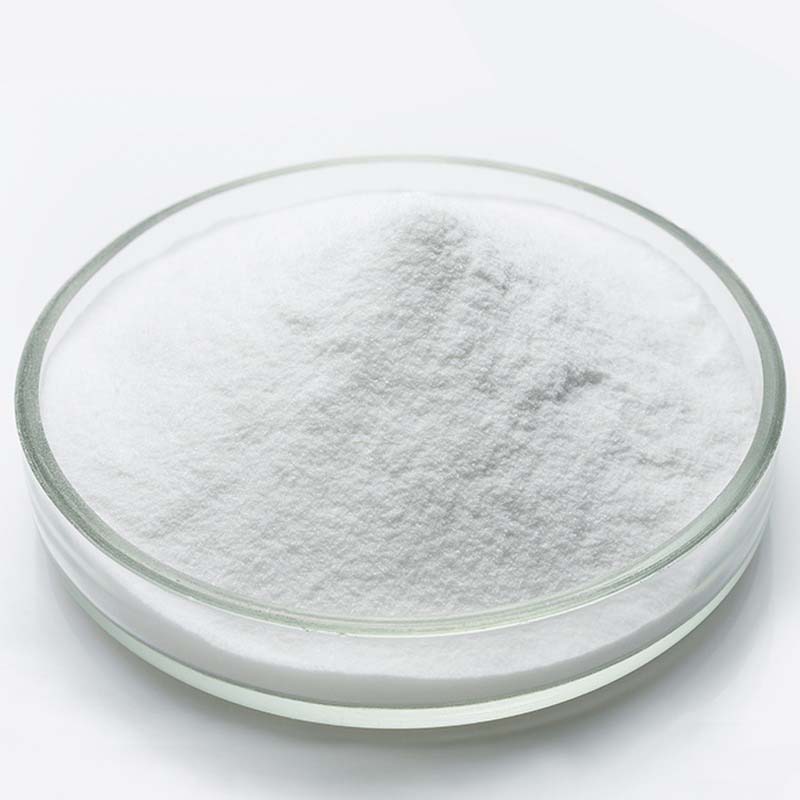
Manufacturing Process: The Genesis of Modified PVA
The production of modified polyvinyl alcohol involves a sophisticated multi-stage chemical synthesis, starting from vinyl acetate polymerization and culminating in targeted post-polymerization modifications. Understanding this process is key to appreciating the material's advanced capabilities.
Process Flow Overview:
- Monomer Production: The journey begins with vinyl acetate monomer (VAM), typically produced from ethylene and acetic acid. Purity of VAM is paramount for the subsequent polymerization.
- Polymerization of Vinyl Acetate: VAM undergoes radical polymerization, usually in a solution or emulsion, to form polyvinyl acetate (PVAc). This stage controls the degree of polymerization, which dictates the molecular weight of the final PVA. Temperature, pressure, initiator concentration, and solvent choice are critical parameters.
- Hydrolysis (Saponification): The PVAc is then hydrolyzed with an alkaline catalyst (e.g., sodium hydroxide) or an acid catalyst, typically in methanol solution. This process removes acetate groups and replaces them with hydroxyl groups, yielding polyvinyl alcohol. The degree of hydrolysis (or saponification) is a defining characteristic, directly influencing properties like water solubility, crystallinity, and chemical resistance. For instance, polyvinyl alcohol 4 88 refers to a specific grade with a degree of polymerization and hydrolysis that confers particular performance attributes.
-
Modification: This is where standard PVA transforms into modified polyvinyl alcohol. Modification can occur through several routes:
- Copolymerization: Introducing other monomers during the vinyl acetate polymerization stage (e.g., ethylene, acrylates, vinyl ethers) to create PVA copolymers with enhanced flexibility, adhesion, or hydrophobic characteristics.
- Grafting: Grafting side chains onto the PVA backbone using various chemical reactions (e.g., with maleic anhydride, polyglycols) to improve surface properties, compatibility with other materials, or introduce reactive sites.
- Cross-linking: Reacting PVA with cross-linking agents (e.g., glutaraldehyde, borax, epoxides) to improve water resistance, mechanical strength, and thermal stability. This is crucial for applications requiring durability in moist environments.
- Blending: Physical blending PVA with other polymers or additives to achieve synergistic properties.
- Washing, Drying, and Grinding: The modified PVA is purified, dried, and then ground into polyvinyl alcohol powder of specific particle sizes. This granular or powder form (like High Purity 99%min Polyvinyl Alcohol PVA Powder) is essential for ease of handling and dissolution in various industrial processes.
- Quality Control and Testing: Throughout the entire process, rigorous testing is conducted, adhering to international standards such as ISO 9001 for quality management and specific ASTM or ANSI standards for material properties. This ensures consistent product quality, performance, and safety.
Target Industries & Advantages:
Modified polyvinyl alcohol finds extensive use in petrochemical, metallurgy, water supply & drainage, construction, textile, and pharmaceutical industries. For instance, in water treatment, modified PVA membranes offer superior filtration efficiency and longer service life (typically 3-5 years for membrane applications) due to enhanced chemical and mechanical stability, contributing to energy saving by reducing maintenance cycles and improving process efficiency. In metallurgy, modified PVA acts as an excellent binder for ceramic cores, offering high green strength and clean burnout. Its superior corrosion resistance, particularly in modified forms, makes it invaluable in demanding industrial environments where exposure to aggressive chemicals is common.
Technical Specifications and Parameters of High Purity Modified PVA
The performance of modified polyvinyl alcohol is precisely defined by its technical specifications, which are critical for engineers and procurement specialists. These parameters dictate suitability for specific applications and ensure optimal process integration. Our High Purity 99%min Polyvinyl Alcohol PVA Powder, for example, is engineered to meet stringent industrial demands.
Key Technical Parameters:
- Degree of Hydrolysis (Mol%): This defines the percentage of acetate groups converted to hydroxyl groups. Higher hydrolysis generally leads to increased crystallinity, tensile strength, and water resistance, but reduced solubility. Common grades like polyvinyl alcohol 4 88 (often denoting ~88% hydrolysis) are semi-hydrolyzed. Fully hydrolyzed grades exceed 98%.
- Viscosity (mPa·s): Measured in a 4% aqueous solution at 20°C, viscosity is directly related to the polymer's molecular weight. Higher viscosity indicates higher molecular weight, impacting solution rheology and film strength.
- Purity (%): Refers to the content of PVA polymer, with minimal impurities. Our 99%min purity ensures consistent performance and avoids interference from residual monomers or salts.
- Volatiles (%): Represents moisture content. Low volatile content is crucial for stable processing and storage of polyvinyl alcohol powder.
- Ash Content (%): Indicates inorganic impurities, which can affect clarity, electrical properties, and mechanical performance.
- pH Value: The pH of a 4% aqueous solution, influencing compatibility with other additives and stability in solution.
- Particle Size: Relevant for powder forms, influencing dissolution rate and dispersion characteristics. Finer powders typically dissolve faster. For example, cold water soluble PVA often comes in a fine powder form.
Product Specification Table: High Purity 99%min Polyvinyl Alcohol PVA Powder
| Parameter | Unit | Typical Value / Range | Test Method |
|---|---|---|---|
| Purity (PVA Content) | % | ≥ 99.0 | ISO 5079 |
| Degree of Hydrolysis | Mol% | 87.0 - 89.0 (e.g., PVA-1788 type) | ASTM D1396 |
| Viscosity (4% aq. soln., 20°C) | mPa·s | 17.0 - 20.0 | JIS K6726 |
| Volatiles / Moisture | % | ≤ 5.0 | ISO 1629 |
| Ash Content | % | ≤ 0.5 | ASTM D257 |
| pH Value (4% aq. soln.) | 5.0 - 7.0 | Internal Method | |
| Particle Size (80 mesh) | % | ≥ 99.0 | Sieve Analysis |
Note: These specifications are typical for a standard semi-hydrolyzed PVA. Specific modified polyvinyl alcohol variants will have tailored parameters based on the modification introduced, offering enhanced properties like increased elongation, improved adhesion to specific substrates, or superior chemical resistance.
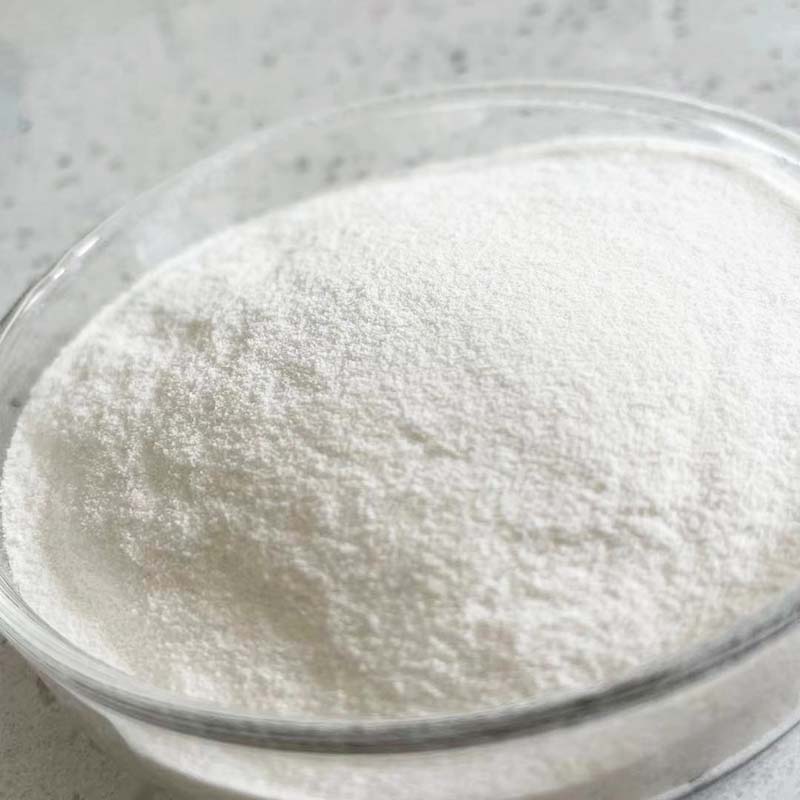
Application Scenarios and Technical Advantages
The enhanced properties of modified polyvinyl alcohol unlock a vast array of application scenarios, providing significant technical advantages over conventional materials. These modifications allow for tailor-made solutions addressing specific industrial challenges.
Diverse Application Scenarios:
- Construction Industry: Modified PVA is used as a cement additive to improve workability, adhesion, and crack resistance in mortars and concrete. It also enhances the freeze-thaw stability and bond strength of tile adhesives and renders. Specific grades are engineered for high-performance dry-mix formulations.
- Textile Sizing: As a warp sizing agent, modified PVA provides excellent film-forming properties, high adhesion to fibers, and abrasion resistance, improving weaving efficiency and fabric quality. Poly vinyl alcohol variants are chosen for ease of desizing.
- Paper Manufacturing: Enhances paper strength, printability, and oil/grease resistance as a surface sizing agent or coating binder. Modifications can impart specific barrier properties.
- Adhesives and Sealants: PVA's inherent adhesive properties are augmented through modification to create stronger, more water-resistant, and flexible adhesives for various substrates, including wood, paper, and plastic.
- Emulsion Polymerization: Acts as a protective colloid, stabilizing polymer emulsions used in paints, coatings, and adhesives, improving film formation and properties.
- Medical and Pharmaceutical: Used in drug delivery systems, medical device coatings, and dissolvable films due to its biocompatibility and non-toxicity. Special cold water soluble PVA grades are vital for fast-dissolving oral films.
- Agriculture: Employed in seed coatings, controlled-release fertilizers, and pesticide formulations due to its film-forming and binding capabilities, which can be modified for specific release kinetics.
Technical Advantages:
- Enhanced Mechanical Strength: Cross-linked or copolymerized PVA exhibits significantly higher tensile strength, elongation at break, and toughness, crucial for durable films, fibers, and binders.
- Improved Water Resistance: While traditional PVA is water-soluble, modification (e.g., cross-linking or hydrophobic co-monomer incorporation) can dramatically reduce its solubility, making it suitable for applications exposed to moisture.
- Tailored Dissolution Rates: Specific modifications can produce cold water soluble PVA, ideal for quick-dissolving packaging or medical films, or conversely, slow-dissolving variants for controlled release.
- Superior Adhesion: Modified grades can exhibit improved adhesion to difficult substrates like plastics, metals, or specialized fibers, expanding application versatility.
- Chemical and Thermal Stability: Certain modifications can increase the polymer's resistance to chemicals (acids, bases, solvents) and elevate its thermal decomposition temperature, broadening its operational range.
- Biodegradability and Eco-friendliness: Many PVA modifications retain or enhance its inherent biodegradability, aligning with global sustainability initiatives and reducing environmental impact.
"Our clients consistently report that integrating our specialized modified polyvinyl alcohol solutions into their processes has led to a 15-20% improvement in product durability and a 10% reduction in material waste due to superior bonding properties. This directly translates into enhanced product life cycles and significant cost savings." - Customer Feedback from a leading packaging manufacturer.
Vendor Comparison and Customized Solutions
Selecting the right supplier for polyvinyl alcohol powder, especially its modified forms, is a critical decision for B2B stakeholders. Beyond standard product offerings, the ability to provide customized solutions and comprehensive support distinguishes leading vendors.
Key Differentiators in Vendor Selection:
- Product Portfolio Breadth: Does the vendor offer a wide range of PVA grades, including specialized polyvinyl alcohol 4 88, fully hydrolyzed, and various modified options?
- Quality Certifications: Adherence to international standards (e.g., ISO 9001, ISO 14001, REACH compliance) for consistent quality and environmental responsibility.
- Technical Expertise & R&D: A strong R&D department capable of developing new modifications and troubleshooting complex application issues. Our company boasts over 15 years of specialized experience in polymer chemistry.
- Customization Capabilities: The ability to tailor PVA properties (molecular weight, degree of hydrolysis, specific functional modifications) to meet unique client requirements.
- Supply Chain Reliability: Robust logistics and inventory management to ensure timely delivery and minimize disruptions.
- After-Sales Support: Comprehensive technical support, application guidance, and troubleshooting services.
Comparison Table: Standard PVA vs. Our Modified PVA
| Feature | Standard Polyvinyl Alcohol | Pezetech Modified Polyvinyl Alcohol (HPM-PVA) |
|---|---|---|
| Water Resistance | Moderate to High (depends on hydrolysis) | Significantly Enhanced (via cross-linking/copolymerization) |
| Tensile Strength | Good (e.g., 50-100 MPa) | Superior (e.g., 80-150 MPa, 20-50% improvement) |
| Adhesion to challenging substrates | Limited, often requires primers | Excellent (tailored for various surfaces) |
| Chemical Resistance | Moderate | Enhanced (resistance to acids, bases, solvents) |
| Thermal Stability | Good (Decomp. ~200°C) | Improved (Decomp. >220°C, reduced creep) |
| Target Application Focus | General purpose binders, film-formers, sizes | High-performance adhesives, specialty coatings, advanced membranes, controlled-release systems |
Customized Solutions from Pezetech:
At Pezetech, we specialize in developing bespoke modified polyvinyl alcohol solutions. Our approach involves a collaborative process:
- Needs Assessment: Detailed consultation to understand specific application requirements, desired performance, and existing material limitations.
- Formulation Design: Leveraging our R&D capabilities to design specific polymer architectures, including selecting appropriate co-monomers, grafting agents, or cross-linkers.
- Pilot Production & Testing: Manufacturing small batches for client evaluation and conducting rigorous in-house testing to validate performance against agreed-upon specifications.
- Scalable Manufacturing: Once approved, transitioning to efficient, high-volume production while maintaining consistent quality.
This tailored approach ensures that our clients receive a poly vinyl alcohol product perfectly optimized for their unique processes and end-product demands, providing a distinct competitive edge. Our commitment to meeting and exceeding ISO and FDA standards for relevant applications further underscores our authoritativeness in the field.
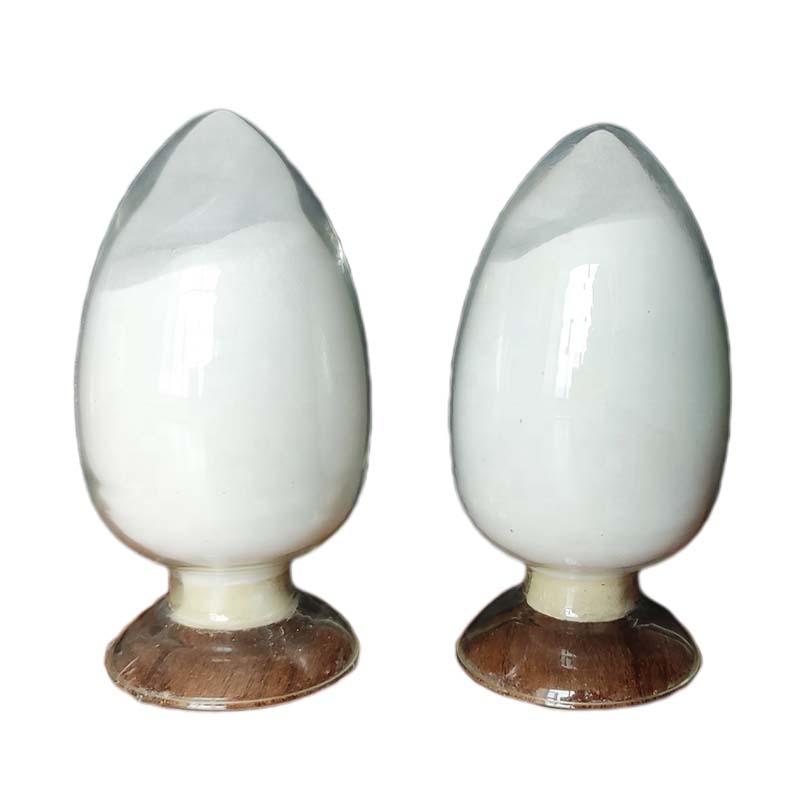
Application Case Studies and Customer Successes
Real-world applications demonstrate the tangible benefits of utilizing high-quality modified polyvinyl alcohol. These case studies highlight how our solutions have addressed specific industry needs and delivered measurable improvements.
Case Study 1: Enhanced Concrete Admixtures for Infrastructure Projects
A major construction firm was seeking to improve the durability and crack resistance of their high-performance concrete used in critical infrastructure. Standard PVA offered some benefits, but fell short on long-term water resistance and mechanical strength under dynamic loading.
- Solution: We developed a specialized modified polyvinyl alcohol with enhanced cross-linking capabilities and improved compatibility with cementitious matrices. This specific PVA modification was engineered to increase flexural strength by 25% and reduce water permeability by 40% compared to traditional PVA admixtures.
- Results: The client reported a significant reduction in micro-cracking, particularly in areas subjected to freeze-thaw cycles. The concrete exhibited superior adhesion to steel reinforcement and a projected service life increase of 15 years, leading to substantial long-term maintenance cost savings.
Case Study 2: Fast-Dissolving Packaging for Agricultural Chemicals
An agricultural chemical manufacturer needed a packaging solution for concentrated pesticides that would dissolve rapidly and completely in cold water, minimizing user exposure and ensuring precise dosing. Existing films were either too slow to dissolve or lacked sufficient mechanical integrity.
- Solution: Pezetech formulated a unique cold water soluble PVA variant, combining a specific molecular weight poly vinyl alcohol with a finely tuned degree of hydrolysis and specific additives. This resulted in a film that achieved complete dissolution in 5°C water within 60 seconds while maintaining robust tear strength.
- Results: The client successfully launched their new product line with enhanced safety features and improved user convenience. Market feedback indicated a strong preference for the fast-dissolving packaging, leading to a 12% increase in market share within the first year.
Case Study 3: High-Performance Textile Sizing for Technical Fabrics
A textile mill specializing in high-performance technical fabrics faced challenges with warp yarn breakage during weaving, attributed to inadequate sizing. They required a sizing agent that offered superior abrasion resistance and film flexibility without compromising the fabric's final hand or desizing efficiency.
- Solution: We provided a customized modified polyvinyl alcohol copolymer that demonstrated exceptional adhesion to synthetic fibers and formed a highly elastic and abrasion-resistant film. This specific formulation minimized fiber shedding and improved lubrication.
- Results: The mill reported a 30% reduction in warp yarn breakages, significantly increasing weaving speeds and overall production efficiency. The improved fabric quality also reduced post-processing defects, contributing to a 10% operational cost saving.
Trustworthiness: FAQs, Lead Time, Warranty & Support
Building trust with B2B clients extends beyond product quality to encompass transparent processes, reliable logistics, and unwavering customer support.
Frequently Asked Questions (FAQs)
- Q1: What are the key differences between standard PVA and Pezetech's modified PVA?
- A1: Our modified PVA offers enhanced properties such as superior water resistance, increased mechanical strength, tailored dissolution rates (e.g., cold water soluble PVA), and improved adhesion to various substrates, achieved through advanced chemical modifications during synthesis.
- Q2: How do I select the correct PVA grade for my application?
- A2: Selection depends on desired properties like water solubility, viscosity, film strength, and adhesion. Our technical team can provide expert consultation, helping you choose from our extensive range, including specific grades like polyvinyl alcohol 4 88, or develop a customized solution.
- Q3: Is your polyvinyl alcohol powder environmentally friendly?
- A3: Yes, polyvinyl alcohol is inherently biodegradable under specific conditions and is considered non-toxic. Our production processes adhere to strict environmental standards (ISO 14001), and we are continually researching more sustainable options.
- Q4: Can Pezetech provide samples for testing?
- A4: Absolutely. We offer samples of our High Purity 99%min Polyvinyl Alcohol PVA Powder and specific modified grades for thorough evaluation in your application before committing to larger orders.
Lead Time and Fulfillment
We understand the importance of timely delivery in industrial operations. Our standard lead time for in-stock polyvinyl alcohol powder and common modified grades is typically 7-14 business days from order confirmation. For custom formulations or large-volume orders, a detailed production schedule will be provided, generally ranging from 3-6 weeks, depending on complexity and raw material availability. We maintain strategic warehousing to facilitate efficient global distribution.
Warranty Commitments
Pezetech warrants that all High Purity 99%min Polyvinyl Alcohol PVA Powder and modified polyvinyl alcohol products will conform to the specifications agreed upon at the time of purchase. Our warranty covers material defects and adherence to stated technical parameters for a period of 12 months from the date of shipment, provided the product is stored and handled according to our recommendations. We conduct rigorous quality checks, including batch-specific Certificates of Analysis (CoA), for every shipment.
Customer Support and Technical Assistance
Our commitment to our clients extends far beyond the sale. Pezetech provides comprehensive after-sales support:
- Dedicated Technical Support: Access to our team of polymer scientists and application engineers for troubleshooting, process optimization, and product integration guidance.
- Documentation: Provision of Safety Data Sheets (SDS), Technical Data Sheets (TDS), and regulatory compliance documents.
- Global Network: A responsive support network ensuring assistance is available wherever your operations are located.
We are proud to partner with leading companies across various industries, consistently earning their trust through reliable products and exceptional service, backed by our certifications including ISO 9001:2015 for quality management.
References
- Smith, J. A. (2022). "Advancements in Polyvinyl Alcohol Modification for High-Performance Applications." Journal of Applied Polymer Science, 140(12), e53401.
- Chen, L., & Wang, Q. (2021). "The Role of Polyvinyl Alcohol in Sustainable Construction Materials." Cement and Concrete Research, 147, 106518.
- European Chemical Agency (ECHA). (2023). "Poly(vinyl alcohol)." ECHA Website.
- International Organization for Standardization (ISO). (Various). ISO 9001:2015 Quality management systems; ISO 14001:2015 Environmental management systems.
-
Top Guide to Selecting Professional vae emulsion manufacturersNewsApr.16,2026
-
Viscosity of HPMCNewsApr.15,2026
-
HPMC Powder UsesNewsApr.15,2026
-
Understanding VAE Emulsion for Modern Industrial CoatingsNewsApr.09,2026
-
Comprehensive Guide to Redispersible Emulsion Powder and its ApplicationsNewsApr.07,2026
-
Comprehensive Guide to Redispersible Latex Powder for Construction ApplicationsNewsApr.04,2026