Poly vinyl alcohol CAS: need PVA powder & waterproof grades?
Factory price CAS 9002-89-5 Poly(vinyl alcohol) PVA powder: field notes from the jobsite and the lab
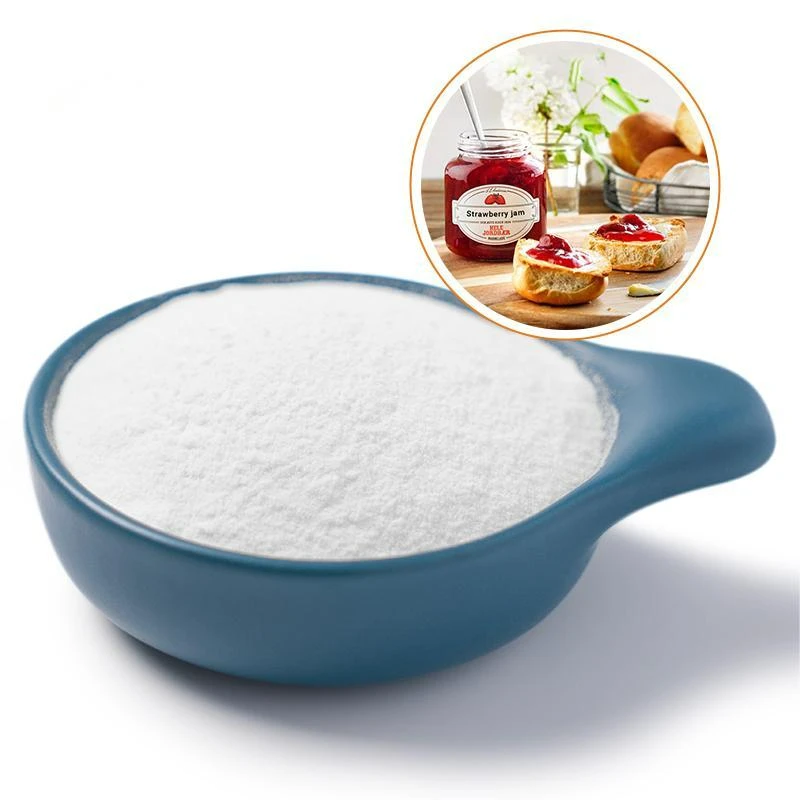
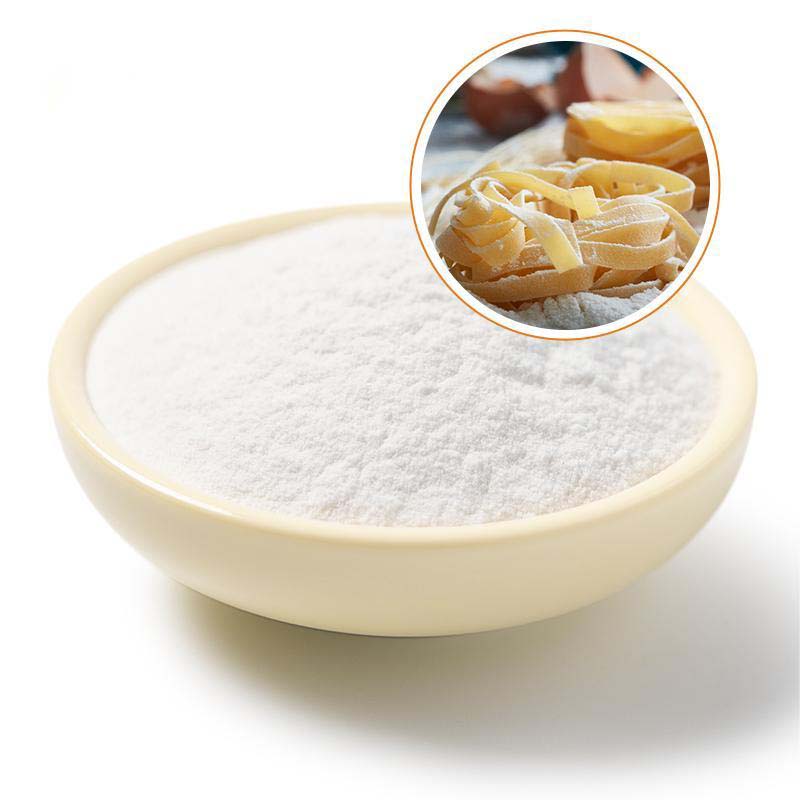
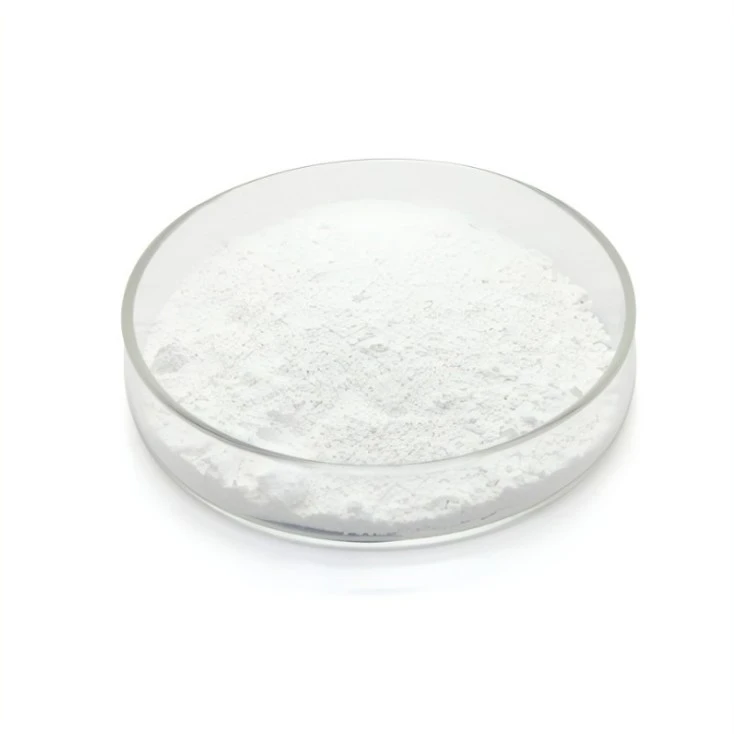
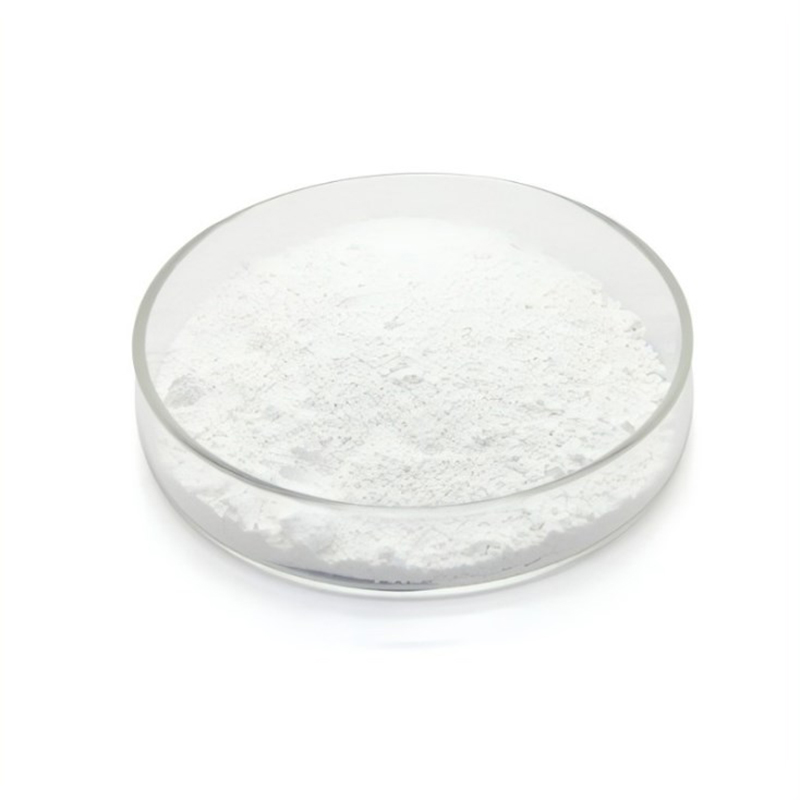
If you spend time around dry-mix mortar plants, packaging halls, or film-casting lines, you hear one phrase a lot—poly vinyl alcohol cas. It sounds clinical, but in practice this is the quiet workhorse: a white-to-yellowish powder that bridges plastics and rubber behavior, with that reliable film-forming and water-soluble magic we lean on.
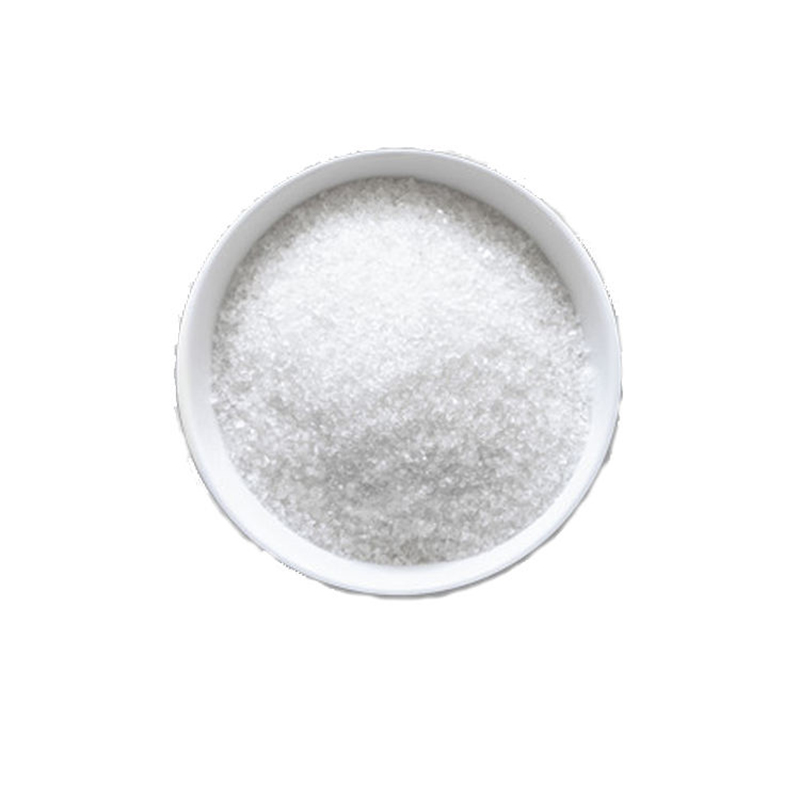
The product on my desk today—Factory price CAS 9002-89-5 Poly(vinyl alcohol) PVA powder—comes from Shijiazhuang (Origin: 1601, Block B, New Century Diamond Plaza, No. 466 Zhongshan East Road, Chang'an District). In mortar, it partners neatly with cellulose ether to boost flexibility, water retention, and viscosity. In fact, many customers say it’s a forgiving additive: consistent, blends fast, and doesn’t fight the formulation. I guess that’s why it shows up in lime-calcium putties, cement-based exterior wall putties, instant glue, polishing putty, even dry powder mortar systems.
Quick specs (typical, lab values ≈ real-world use may vary)
| CAS | 9002-89-5 |
| Appearance | White to yellowish granule/powder |
| Degree of hydrolysis | ≈ 87–89% (partially) or 98–99% (fully) |
| Viscosity (4% aq., 20°C) | ≈ 4–60 mPa·s (grade-dependent) |
| pH (4% solution) | 5.0–7.5 |
| Ash/Volatiles | ≤ 0.5% / ≤ 5% |
| Shelf life | 12–24 months (cool, dry) |
Process flow and testing (how it’s really made and checked)
Materials: vinyl acetate monomer, radical initiator, methanol, alkaline catalyst for alcoholysis.
Method: suspension/emulsion polymerization → alcoholysis to PVOH → drying → milling → grading.
QC checkpoints: solution viscosity (ASTM D2196), film tensile (ASTM D882/ISO 527-3), water vapor transmission (ASTM E96), oxygen permeability (ASTM D1434). For mortar use: flow, water retention, and strength by EN 196-1, ASTM C1437, C348/C349. Service life in application: interior films 5–10 years indoors; in cementitious systems, performance stability aligned to substrate life, with curing conditions being the swing factor.
Where it wins (and why formulators keep it)
- Superb film forming, protective colloid behavior, and gas barrier—handy for coatings and paper sizing.
- Improves mortar workability, sag resistance, and water retention; surprisingly tolerant across cement and gypsum systems.
- Oil/solvent resistance with good abrasion resistance and thermal stability for daily-use putties.
Field note: a contractor in Hainan told me a fully hydrolyzed grade shaved rework by ~12% in hot, humid weeks—less edge-cracking. Could be the weather, could be the mix, but the data held across three sites.
Vendor snapshot (what buyers compare)
| Vendor | Grades/Viscosity | Certs | Lead time | Notes |
|---|---|---|---|---|
| Pezetech (Shijiazhuang) | 4–60 mPa·s | ISO 9001, REACH (typical; request docs) | 7–15 days | Strong mortar focus; addressable customization. |
| Vendor A (Global) | Low–medium | ISO, RoHS | 2–4 weeks | Broad film portfolio. |
| Vendor B (Regional) | Medium–high | REACH | 10–20 days | Competitive pricing. |
Customization and packaging
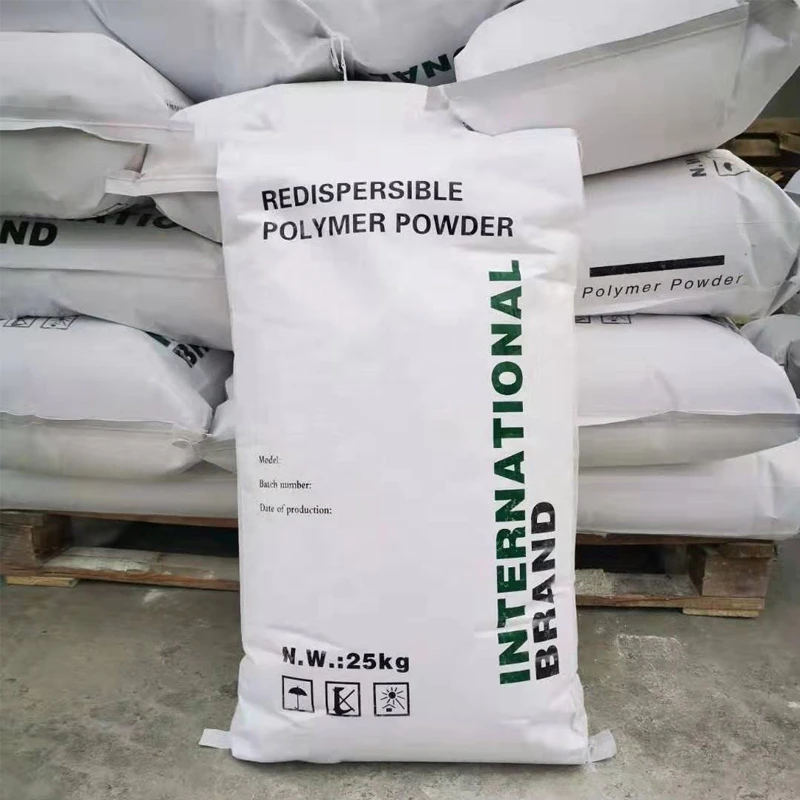
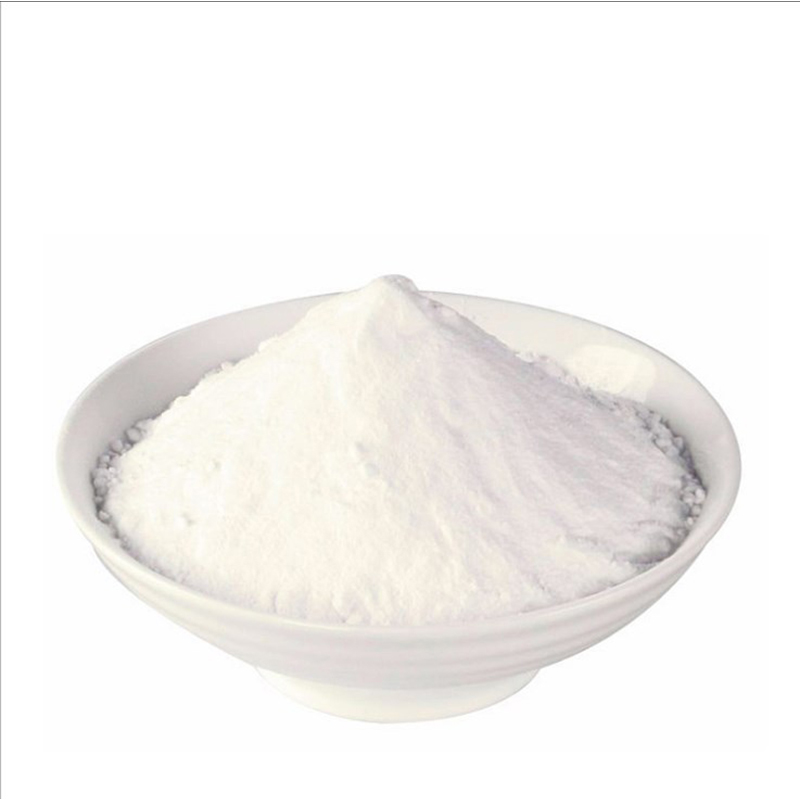
Options typically include hydrolysis (87–99%), viscosity grade, and particle size for fast wet-out. Packaging: 20–25 kg bags; jumbo bags for bulk. For poly vinyl alcohol cas in detergent pods or film casting, ask for low-ash lots and tighter moisture control.
Mini case studies
- Exterior putty in coastal city: switched to fully hydrolyzed grade; blister complaints dropped by ≈15% (site logs, 3 months).
- Paper sizing mill: partial hydrolysis grade improved Cobb60 by ~8% while keeping runnability stable.
- Instant glue base: tighter viscosity spec cut batch-to-batch correction time by 30 minutes on average.
Final thought: poly vinyl alcohol cas isn’t glamorous, but the right grade, matched to the right standard and climate, quietly saves projects. To be honest, that’s what matters on Monday mornings.
Authoritative citations
- ASTM D882 – Standard Test Method for Tensile Properties of Thin Plastic Sheeting.
- ASTM E96 – Standard Test Methods for Water Vapor Transmission of Materials.
- ASTM D1434 – Standard Test Method for Determining Gas Permeability Characteristics of Plastic Film and Sheeting.
- EN 196-1 – Methods of testing cement – Part 1: Determination of strength.
- ASTM C348/C349 – Flexural and Compressive Strength of Hydraulic-Cement Mortars.
- REACH Regulation (EC) No 1907/2006 – Registration, Evaluation, Authorisation and Restriction of Chemicals.
-
Top Guide to Selecting Professional vae emulsion manufacturersNewsApr.16,2026
-
Viscosity of HPMCNewsApr.15,2026
-
HPMC Powder UsesNewsApr.15,2026
-
Understanding VAE Emulsion for Modern Industrial CoatingsNewsApr.09,2026
-
Comprehensive Guide to Redispersible Emulsion Powder and its ApplicationsNewsApr.07,2026
-
Comprehensive Guide to Redispersible Latex Powder for Construction ApplicationsNewsApr.04,2026