Polyvinyl Alcohol in Food: Applications & Benefits Explained
Polyvinyl Alcohol in Food: Why It’s More Important Than You Think
Having spent a good chunk of my career around industrial and food-grade materials, I’ve come to realize that polyvinyl alcohol (PVOH or PVA for short) is one of those unsung heroes of food technology. It’s everywhere – though mostly invisible to the end consumer – and oddly enough, its role in food packaging and processing often gets overlooked when people talk about food safety or shelf life.
Now, before I dive in too deep, polyvinyl alcohol is a synthetic polymer that’s prized for being water-soluble, biodegradable, and food-safe under strict regulations. Frankly, it feels like a sort of magic ingredient: strong enough to form films and coatings but gentle enough to be safe around food. Having seen it in action, I’d say its versatility is about as underrated as it gets in the realm of food-grade materials.
In real terms, PVA is mostly used for edible films, coatings, and even as part of packaging that comes in direct contact with food. A lot of folks working in food safety and packaging swear by it because it offers a good barrier against oxygen and grease, but it also doesn’t mess with the taste or smell – which is crucial, believe me. Years ago, I watched a line of snack wrappers improve their shelf life just by switching to a PVA-based film. That subtle change made a noticeable difference in product freshness.
One interesting tidbit: engineers and chemists I’ve consulted often mention PVA's ability to be customized — the thickness, solubility rate, and even mechanical strength can be tailored pretty precisely depending on the application. This isn’t some one-size-fits-all polymer. I suppose that’s why it’s found its way into niche areas like edible packaging for candies, fruits, and even pharmaceuticals sometimes.
| Property | Value | Unit |
|---|---|---|
| Degree of Hydrolysis | 88 - 99% | |
| Viscosity (4% solution at 20°C) | 3 - 30 | mPa·s |
| Solubility | Water soluble | |
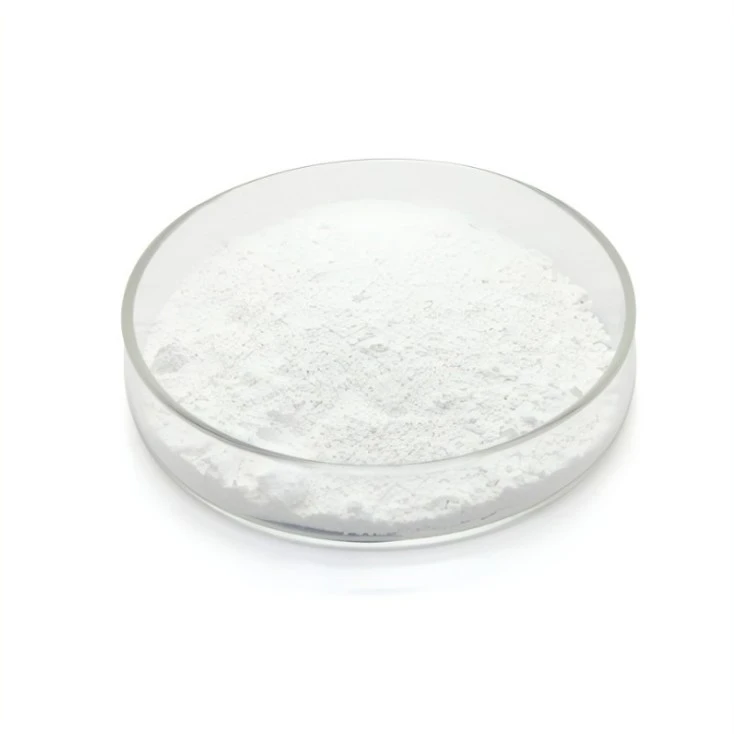
| Appearance | White granules or powder | |
| Food Contact Approval | FDA, EFSA compliant |
When you start looking at suppliers, the differences might feel subtle but really matter at scale. I once evaluated three major vendors during a packaging upgrade project, and the specs just scratched the surface; delivery reliability, batch consistency, and technical support were key deciding factors. You can’t just buy the polymer and hope for the best — especially if your line is running 24/7.
| Vendor | Purity (%) | Delivery Lead Time | Tech Support | Pricing |
|---|---|---|---|---|
| Pezetech | ≥ 98% | 1-2 weeks | Excellent | Competitive |
| Vendor B | 95 - 97% | 2-3 weeks | Moderate | Moderate |
| Vendor C | ≥ 99% | 3-4 weeks | Good | Premium |
Oddly enough, one of my favorite stories involves a small family-run dried fruit business that switched their coating to a PVA-based film. They told me it improved moisture resistance enough to ship overseas without expensive cold storage. That kind of practical win is exactly why I pay attention to these polymers—the impact feels grassroots rather than grandiose, but it’s real.
So, if you’re in the food production or packaging space, it’s worth spending a moment with polyvinyl alcohol. It might just be the piece you didn’t know was missing from your line. I suppose the biggest takeaway is that knowing your materials deeply isn’t just nerdy—it’s fundamentally smart for business and food safety.
References:
1. FDA Food Contact Substance Notifications
2. European Food Safety Authority (EFSA) Opinions
3. “Food Packaging Science and Technology,” Gordon L. Robertson, 2006
-
Top Guide to Selecting Professional vae emulsion manufacturersNewsApr.16,2026
-
Viscosity of HPMCNewsApr.15,2026
-
HPMC Powder UsesNewsApr.15,2026
-
Understanding VAE Emulsion for Modern Industrial CoatingsNewsApr.09,2026
-
Comprehensive Guide to Redispersible Emulsion Powder and its ApplicationsNewsApr.07,2026
-
Comprehensive Guide to Redispersible Latex Powder for Construction ApplicationsNewsApr.04,2026