Polyvinyl Alcohol in Water – Industrial Use and Vendor Insights
Polyvinyl Alcohol in Water: Practical Insights from the Industrial Floor
Having spent more than a decade dabbling in the industrial equipment realm, I’ve come across countless materials that promise innovation but often underdeliver. Polyvinyl alcohol (PVA) dissolved in water, though, is one of those substances that’s quietly been earning its stripes — a bit underrated, perhaps, but hugely versatile and reliable. If you are dipping your toes into polymer solutions for coating, adhesive formulations, or even water treatment, then PVA in water is definitely worth your attention.
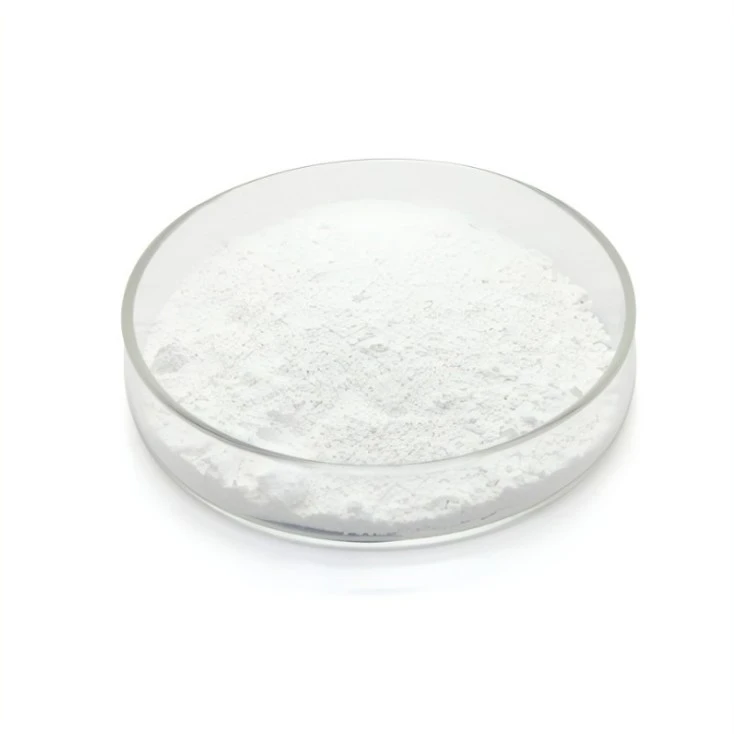
First things first, polyvinyl alcohol is a synthetic polymer that is notable for being water-soluble, which is kind of its superpower. Oddly enough, despite the “alcohol” in its name, it’s the water that usually steals the show here, acting as the medium where PVA’s unique properties come alive. For those of us who test durability and compatibility in harsh environments, PVA solutions offer a neat balance between adhesion, flexibility, and biodegradability.
In practical terms, when you dissolve PVA in water, you get a clear, viscous solution that can be tailored by adjusting molecular weight and degree of hydrolysis. I recall working with a manufacturer who needed a specific film-forming agent for their textile finishing line — the PVA solution had to withstand drying and washing cycles without breaking down. After some trial, using a 98% hydrolyzed PVA with moderate molecular weight did the trick, providing both strength and solubility at levels that just felt right.
| PVA in Water - Key Specifications | Value |
|---|---|
| Appearance | Clear viscous liquid |
| Solubility in Water | Completely soluble |
| Hydrolysis Degree | 85% - 99% |
| Molecular Weight | 10,000 - 200,000 g/mol |
| Viscosity (at 4% in water) | 50 - 2000 mPa·s |
| pH (4% solution) | 5.5 - 7.5 |
One of the fascinating things about PVA solutions is how customizable they are from a chemical standpoint. Many engineers say that tweaking hydrolysis and polymer chain length is like tuning an instrument — it changes how the material performs under stress, temperature, or in different formulations. I suppose that’s why suppliers tend to offer a range of grades. Some lean more towards film formers, others towards adhesives, and then there are those used primarily in water treatment due to their excellent flocculation capabilities.
Now, on the vendor front, I’ve worked with several suppliers over the years. To help you get a clearer sense of what to look for, here’s a quick comparison of three popular PVA-in-water vendors. I've chosen key factors like product variety, availability, and technical support — all important if you want to cut downtime and headaches:
| Vendor | PVA Grade Variety | Product Availability | Technical Support |
|---|---|---|---|
| Pezetech | Wide (85%-99% hydrolysis) | Global, fast delivery | Responsive, application expertise |
| Supplier A | Moderate range | Regional only | Limited |
| Supplier B | Narrow (one standard grade) | Global but long lead times | Basic |
In the end, when you’re selecting a PVA solution in water, much depends on your specific application and supply chain needs. I’ve learned that even subtle differences in viscosity or hydrolysis can sway outcomes dramatically, so try to get samples and run small-scale tests before bulk buying.
It feels like the industrial sector is slowly waking up to PVA’s potential again — maybe because the push for more eco-friendly, biodegradable polymers keeps gathering momentum. In real terms, PVA solutions tick many boxes: water solubility, strength, and relatively low toxicity. Frankly, for many engineers I know, PVA is a dependable go-to once you get past the initial learning curve.
And if you’re looking to explore what PVA in water options are out there with true technical support behind them, Pezetech is one name I would recommend. They’ve been consistently helpful in my experience, offering not just products but real application advice.
All told, it’s not the flashiest chemical on the market — but sometimes the quiet, steadily performing materials are the ones you rely on most.
References:
- Industrial Polymers Handbook, 2019 - on PVA applications and testing
- Technical Bulletin, Pezetech - PVA in Water Product Data
- Journal of Coatings Technology, 2021 – Advances in polymer water-soluble films
-
Top Guide to Selecting Professional vae emulsion manufacturersNewsApr.16,2026
-
Viscosity of HPMCNewsApr.15,2026
-
HPMC Powder UsesNewsApr.15,2026
-
Understanding VAE Emulsion for Modern Industrial CoatingsNewsApr.09,2026
-
Comprehensive Guide to Redispersible Emulsion Powder and its ApplicationsNewsApr.07,2026
-
Comprehensive Guide to Redispersible Latex Powder for Construction ApplicationsNewsApr.04,2026