What is Polyvinyl Alcohol? Uses, Specs & Vendor Insights
What is Polyvinyl Alcohol? A Veteran’s Take on This Industrial Workhorse
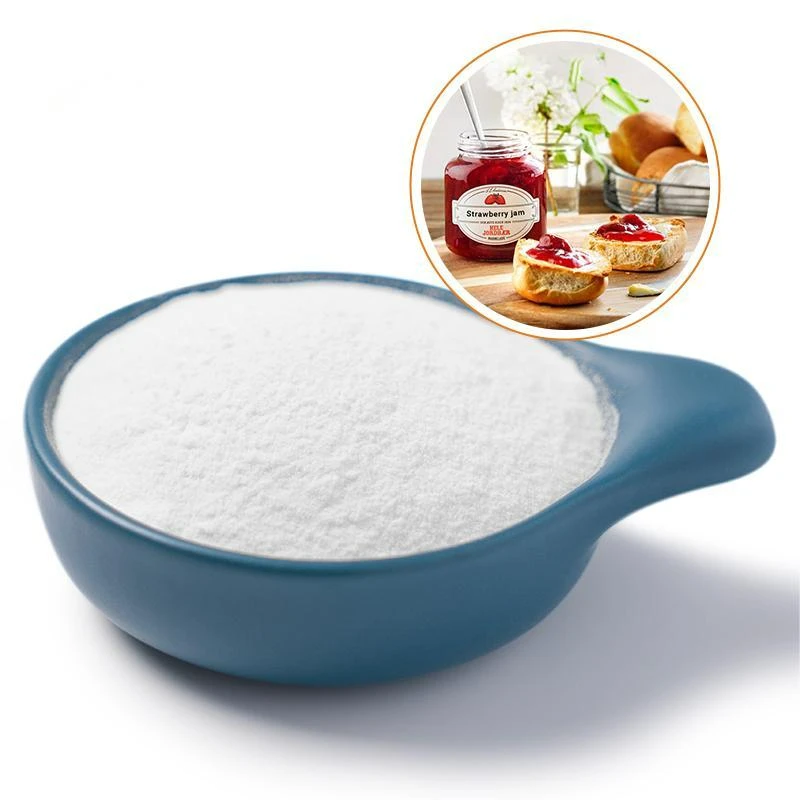
After spending more than a decade working around industrial chemicals, I’ve come across lots of materials—some make an impression, others fade into oblivion. Polyvinyl alcohol (PVA), though? That one’s a reliable player standing steady across various industries. If you haven't encountered it yet, you might wonder, what exactly is polyvinyl alcohol? Well, in simple terms, it’s a synthetic polymer largely made by hydrolyzing polyvinyl acetate. Its unique properties make it a favorite where film-forming, emulsifying, and adhesive qualities are needed—often all rolled into one tidy package.
Now, here’s the thing about PVA: it’s water-soluble, non-toxic, and biodegradable under the right conditions, which oddly enough, puts it ahead of some other polymers when environmental regulations tighten up. I recall a client from the packaging industry who specifically chose PVA films for their dissolvable laundry pods. They emphasized how critical it was that the film dissolved on contact with water but remained stable in storage. That dual challenge is where PVA shines.
In real terms, PVA’s applications stretch far—from paper coatings enhancing strength and smoothness, to textile sizing agents, and even in adhesives used in woodworking or construction. Many engineers I’ve chatted with say it’s versatility and strong hydrogen bonding capability are why PVA works so well as a binder or stabilizer.
| Specification | Details |
|---|---|
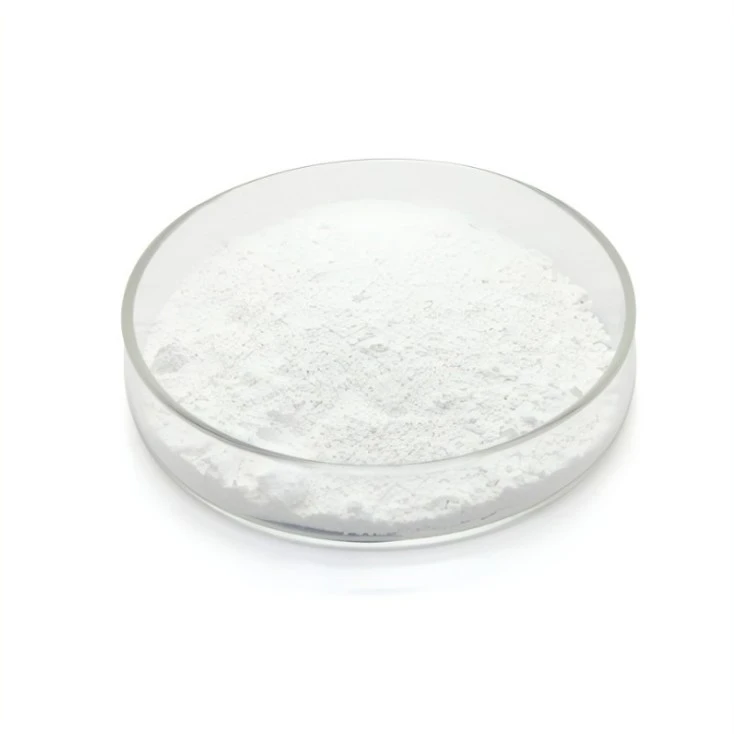
| Appearance | White to cream powder or granular form |
| Degree of Hydrolysis | Typically 85-99% |
| Solubility | Water-soluble, insoluble in organic solvents |
| Melting Point | Approximately 230–240 °C (decomposes) |
| Typical Applications | Textile, packaging films, adhesives, emulsifiers |
You know, sourcing PVA from the right vendor can sometimes be a bit of an art. Quality consistency affects everything: film clarity, adhesion strength, and even biodegradability. I’ve compared a few suppliers over the years, and below is a quick rundown of three noteworthy ones.
| Vendor | Degree of Hydrolysis | Particle Size | Typical Price/kg | Notes |
|---|---|---|---|---|
| Pezetech | 88-90% | Fine Powder | $2.50 | Consistent quality, strong customer support |
| Vendor B | 95% | Granules | $2.65 | Higher purity; pricier |
| Vendor C | 85% | Coarse Powder | $2.20 | Economical but variable batch quality |
For anyone considering trying polyvinyl alcohol in their production process, I’d recommend a few small trial runs first. Testing for compatibility with your existing formulations or substrates pays off big time—especially since PVA’s behaviour can change based on degree of polymerization and hydrolysis.
Wrapping up, if you want a sustainable, versatile polymer that handles a wide range of uses—from industrial adhesives to eco-friendly packaging—polyvinyl alcohol just might be the unsung hero worth plugging into your materials list. Frankly, it feels like the kind of chemical that’s quietly powering a lot of everyday products without demanding the spotlight.
— As someone who’s had their hands on barrels of PVA and chatted with countless manufacturers, it’s fascinating how the little things—like choosing the right grade—can change your whole operation. It’s worth the time to get it right.
References:
1. Standard Industrial Polymers Handbook, 3rd Ed.
2. Polyvinyl Alcohol in Packaging Applications, Journal of Applied Polymers, 2022.
3. Personal communications with PVA suppliers and manufacturing engineers.
-
Top Guide to Selecting Professional vae emulsion manufacturersNewsApr.16,2026
-
Viscosity of HPMCNewsApr.15,2026
-
HPMC Powder UsesNewsApr.15,2026
-
Understanding VAE Emulsion for Modern Industrial CoatingsNewsApr.09,2026
-
Comprehensive Guide to Redispersible Emulsion Powder and its ApplicationsNewsApr.07,2026
-
Comprehensive Guide to Redispersible Latex Powder for Construction ApplicationsNewsApr.04,2026