Practical Guide to Methyl Hydroxyethyl Cellulose Price in Industry
Understanding methyl hydroxyethyl cellulose price: A Practical Insight
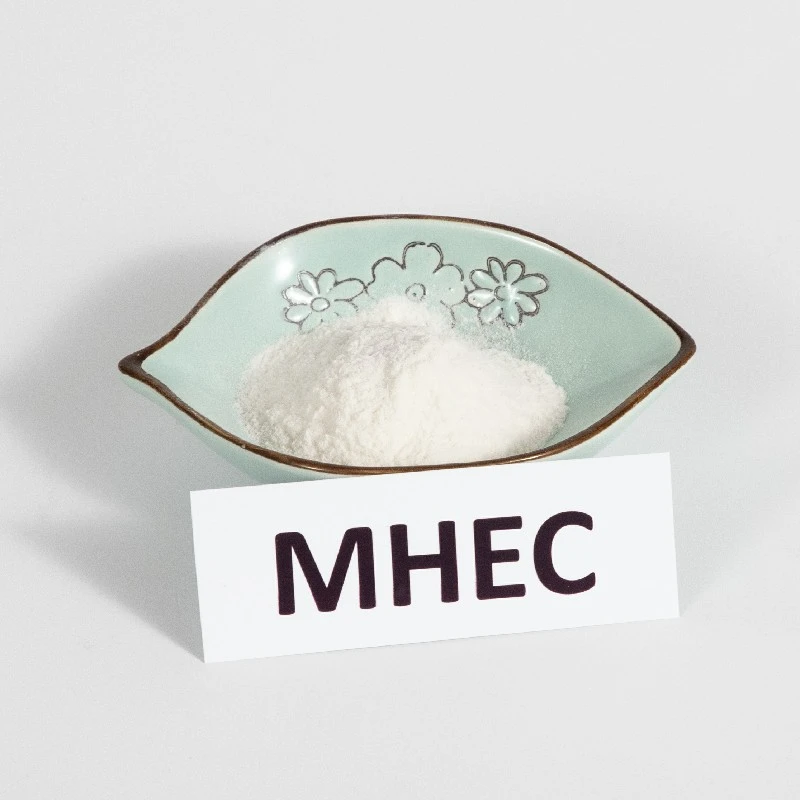
Having spent a good part of my career around industrial additives, I’ve learned that pricing isn’t just about numbers on a spreadsheet; it reflects so much else – quality, source, and what the product can actually do on the plant floor. Take methyl hydroxyethyl cellulose (MHEC) for example. You might know it as a go-to thickener or rheology modifier in construction or adhesives. But, oddly enough, its price can vary significantly depending on several nuanced factors. Frankly, understanding those can save you both money and headaches.
In real-world terms, I’ve seen vendors offer MHEC that looked identical on paper but behaved quite differently once mixed or applied. Many engineers say the devil’s in the details: molecular weight distribution, purity, and even supplier consistency. These subtle points, rarely in headlines, often explain why methyl hydroxyethyl cellulose price tags fluctuate.
| Specification | Typical Range | Notes |
|---|---|---|
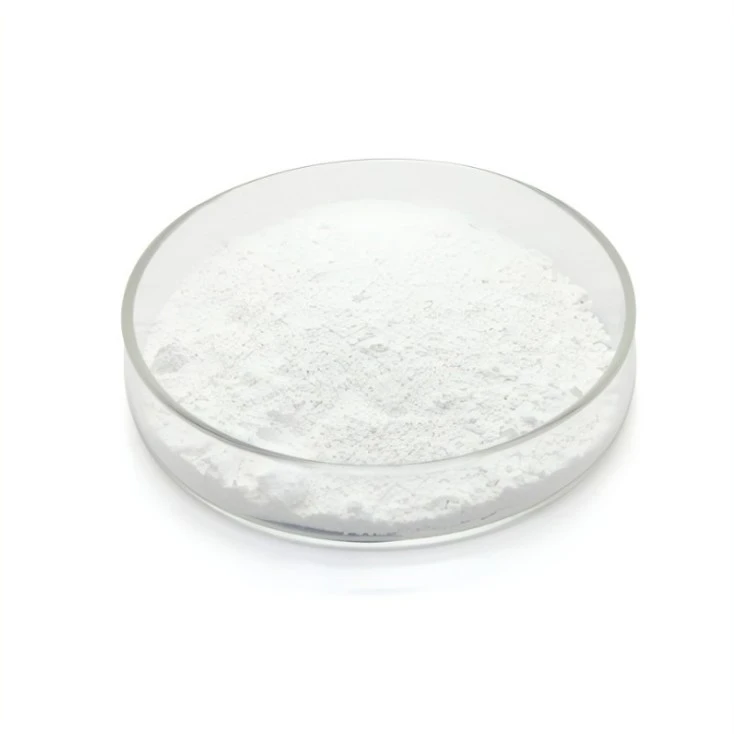
| Appearance | White to Off-white Powder | Ensures purity and ease of mixing |
| Viscosity (2% aqueous solution) | 2000–8000 mPa·s | Varies by substitution degree |
| Degree of Substitution (DS) | 0.2 – 0.35 | Affects thickening & water retention |
| pH Range (2% solution) | 6.0 – 8.0 | Generally neutral for compatibility |
| Moisture Content | ≤ 5% | Storage & handling indicator |
I remember a project years ago for a mid-sized construction firm. They were juggling cost and performance for their tile adhesive mixes. After testing a few batches from different suppliers, the team found that despite a cheaper upfront price for one product, inconsistencies caused rework and waste—ultimately costing more. That’s when I started to respect the real “value” behind the methyl hydroxyethyl cellulose price, not just the sticker.
Speaking of vendors, the market’s not homogeneous. A few players dominate globally, but local or specialized suppliers can sometimes outshine them in customer service or batch customization. Here’s a quick comparison I recently put together while selecting MHEC for a client:
| Vendor | Price Range (USD/kg) | Typical MOQ | Customization | Lead Time |
|---|---|---|---|---|
| GlobalChem Co. | 3.50 – 4.20 | 500 kg | Limited | 3 weeks |
| Pezetech Industries | 3.80 – 4.50 | 300 kg | Moderate (viscosity & particle size) | 2 weeks |
| LocalPolymer Ltd. | 4.00 – 4.80 | 100 kg | High (full property tailoring) | 1 week |
As you can probably guess, smaller MOQs and faster lead times from local suppliers often come with a price premium. But this can really pay off if your project demands tight specs or rapid delivery. Meanwhile, global giants sometimes play to volume and reliability, which is great if you have large, steady demand.
Another point – storage and handling. MHEC’s moisture content needs careful monitoring since excess moisture can clump the powder, affecting dispersibility. Storage in a cool, dry place is a basic must, but even that can sometimes be overlooked on busy sites. I’ve seen some batches degrade simply because of poor handling during transit, which again… quietly nudges the effective price upwards.
So I suppose the takeaway is this: when considering methyl hydroxyethyl cellulose price, you're really balancing cost, quality, supplier reliability, and after-sales support. The cheapest option on the surface may not align with your operational needs, and that’s where experience really helps.
If you want to explore specific supplier offerings or get a tailored recommendation, checking out the trusted vendor websites (like Pezetech) is always a good start. They often provide the sort of detailed specs and customization options I’ve found invaluable over the years.
Anyway, that’s my two cents from the trenches. If you’re managing procurement or production, take a moment to dig beneath the price tags—it often pays off.
References:
- Industry Handbook for Chemical Additives, 2021 Edition
- Case Studies on Construction Admixtures, Journal of Polymers, 2022
- Vendor Spec Sheets and Market Analyses, 2023
-
Top Guide to Selecting Professional vae emulsion manufacturersNewsApr.16,2026
-
Viscosity of HPMCNewsApr.15,2026
-
HPMC Powder UsesNewsApr.15,2026
-
Understanding VAE Emulsion for Modern Industrial CoatingsNewsApr.09,2026
-
Comprehensive Guide to Redispersible Emulsion Powder and its ApplicationsNewsApr.07,2026
-
Comprehensive Guide to Redispersible Latex Powder for Construction ApplicationsNewsApr.04,2026