Cellulose Ether: Key Industrial Uses and Supplier Insights
Exploring cellulose ether and Its Role in Industrial Applications
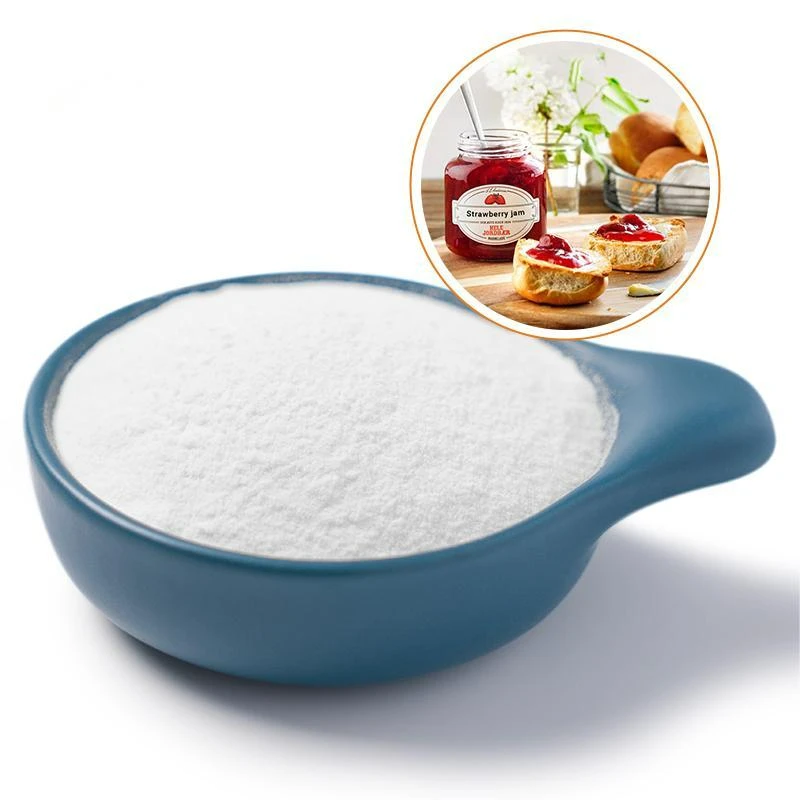
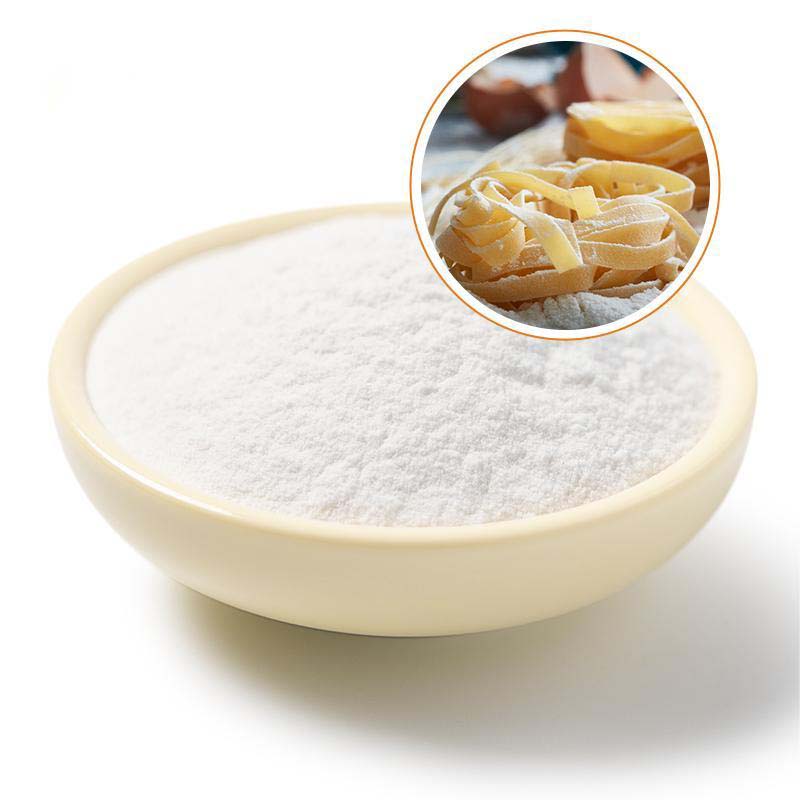
Having spent well over a decade around industrial equipment, I find cellulose ether to be one of those deceptively versatile materials that quietly powers a lot of processes you might not even think about. Frankly, it’s fascinating. This family of derivatives from cellulose—usually methyl, hydroxypropyl, or carboxymethyl ethers—offers a range of functional benefits, from thickening and stabilizing to water retention and film formation.
It’s odd how often I’ve seen engineers initially underrate cellulose ether’s role. But anyone who’s worked on formulations involving cement, detergents, paints, or even pharmaceuticals knows that tweaking the right grade of cellulose ether can make or break a product’s performance. And in real terms, that means better consistency, durability, or user experience.
What really stands out is the balance they strike between natural origin and high-tech customization. Since cellulose ether starts from wood pulp or cotton linters, it feels like a nod to sustainability. Yet manufacturers enhance these molecules for precise viscosities, solubility ranges, and thermal stability — reflecting serious chemical engineering behind the scenes.
| Specification | Typical Range/Value | Notes |
|---|---|---|
| Viscosity (mPa·s, 2% in water, 20°C) | 1000 – 200,000 | Highly variable; key for thickening |
| Degree of Substitution (DS) | 0.2 – 1.5 | Impacts solubility and function |
| Moisture Content (%) | 4 – 8 | Affects shelf life and handling |
| pH (1% aqueous solution) | 5 – 8 | Typically mild, compatible with many systems |
In terms of usage, cellulose ethers are prized for their film-forming and water-retention properties. You see them in tile adhesives — anyone who’s laid ceramic tiles knows that sticky, workable paste? That’s one application. They also help cement mixtures avoid cracking during curing, which is crucial for long-term structural integrity.
Another anecdote: a client once told me how switching to a hydroxypropyl cellulose ether variant cut down their paint cracking complaints by 20%. The early skepticism gave way to a genuine appreciation for fine-tuned additive chemistry. Of course, products vary a lot — and working with vendors to nail the right grade is half the battle.
| Supplier | Grade Variety | Custom Formulations | Pricing | Technical Support |
|---|---|---|---|---|
| Pezetech | Extensive (methyl, HPMC, CMC) | Available upon request | Competitive, volume discounts | Strong, with application specialists |
| Supplier A | Moderate variety | Limited customization | Mid-range pricing | Standard technical support |
| Supplier B | Wide, focused on industrial | Yes, but minimum volumes apply | Premium pricing | Excellent, field engineers included |
It’s worth mentioning that the choice of cellulose ether supplier can subtly influence formulation outcomes. Pricing is often balanced against support — and frankly, having a knowledgeable technical rep who understands your process reduces costly trial and error. Pezetech, for example, has proved consistent for many partners I’ve spoken with, especially when custom tweaks are needed.
On the operational side, I always stress you test your batches for viscosity and moisture content. A slight variation can impact processing in mixers or final product texture. And if you’re working in emerging markets, refrigeration and storage conditions might affect shelf life more than you expect.
Interestingly, innovation continues. Researchers are exploring bio-based cellulose ethers with improved biodegradability, as sustainability drives demand. I’m watching this space closely — it feels like the balance between performance and environmental impact is shifting rapidly, and cellulose ethers are right in the middle of it.
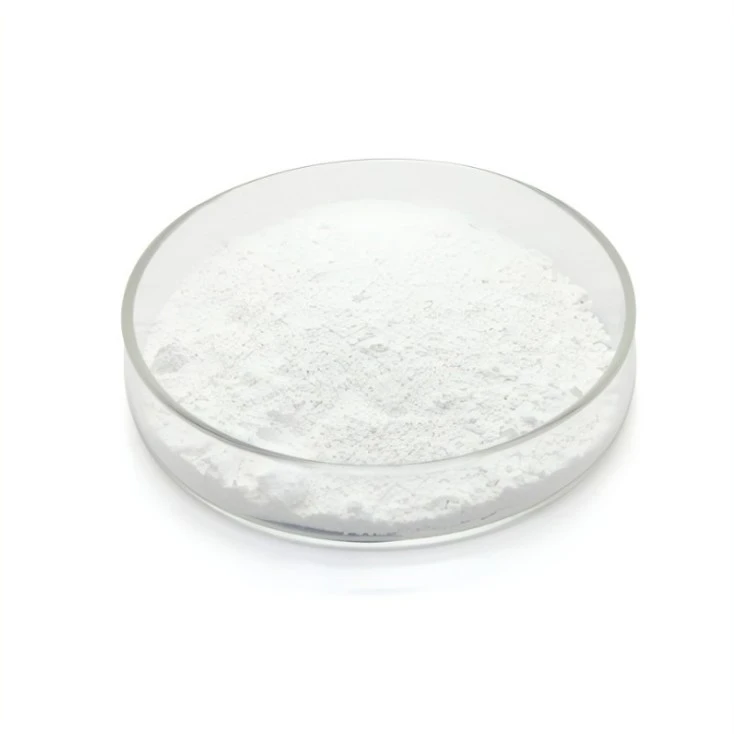
In the end, whether you’re developing construction materials, personal care products, or specialty coatings, cellulose ether offers adaptability that’s hard to beat. I suppose the takeaway is: don’t underestimate these familiar-looking powders. They’ve got serious chemistry behind that subtle touch.
— A longtime industrial equipment professional
References:
- Morcol, G., & Denizli, A. (2020). Cellulose ethers in construction applications. Industrial Polymers Journal.
- Technical datasheets and product brochures from leading cellulose ether suppliers.
- Industry conference presentations: “Advances in Cellulose Derivatives,” 2023.
-
Top Guide to Selecting Professional vae emulsion manufacturersNewsApr.16,2026
-
Viscosity of HPMCNewsApr.15,2026
-
HPMC Powder UsesNewsApr.15,2026
-
Understanding VAE Emulsion for Modern Industrial CoatingsNewsApr.09,2026
-
Comprehensive Guide to Redispersible Emulsion Powder and its ApplicationsNewsApr.07,2026
-
Comprehensive Guide to Redispersible Latex Powder for Construction ApplicationsNewsApr.04,2026